The Bank of England raises interest rates to 0.5% last week

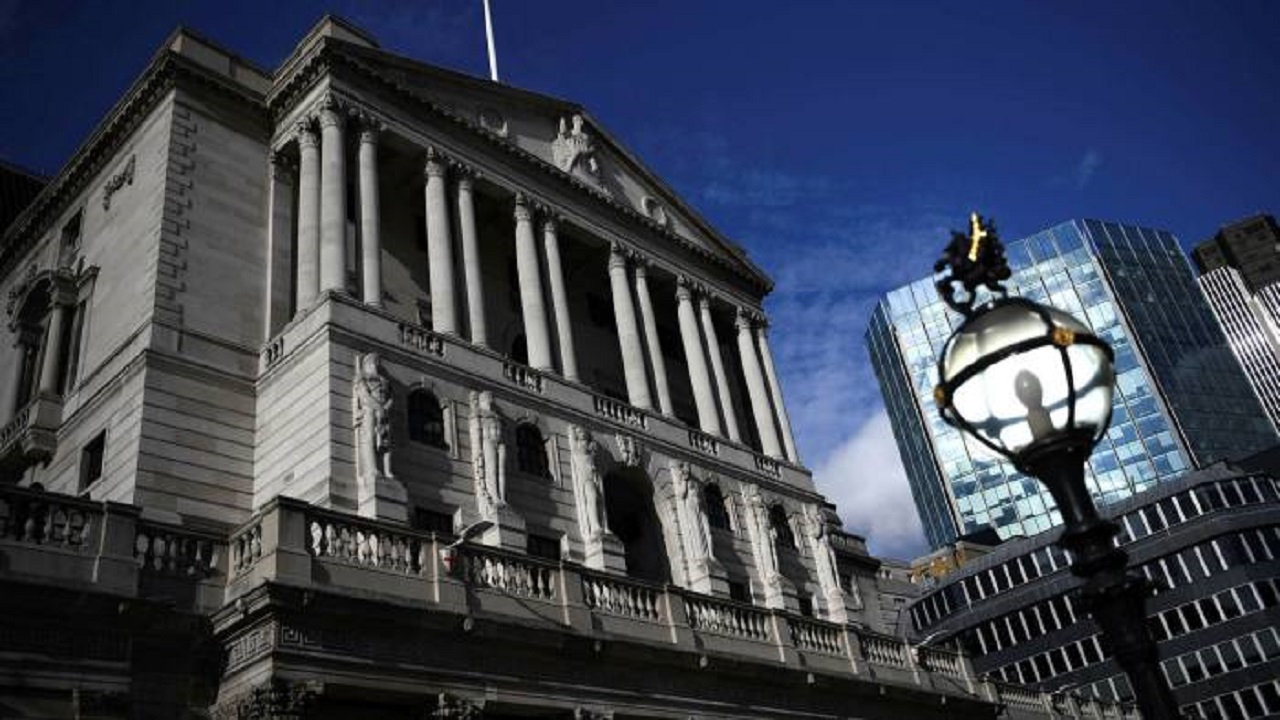
The Bank of England raises interest rates to 0.5% last week
The Bank has intensified the squeeze on household finances with its first back-to-back interest rate rise since 2004 as the central bank forecast inflation will rise to 7.25% in April. By a majority of five to four, the bank’s Monetary Policy Committee voted to increase the cost of borrowing today to 0.5% from 0.25%. The minority wanted an even larger increase to 0.75% to get a grip on soaring inflationary pressure.
The pound climbed following the decision, which had been broadly anticipated by investors. Sterling was up 0.3% against the dollar at 1.361 USD. UK government bond prices fell after the BoE said it would begin to reduce the stock of gilts it holds. The 10-year gilt yield climbed 0.06 percentage points to 1.30%. The rise in official interest rates alongside the highest rate of inflation for more than 30 years would squeeze disposable household incomes 2% this year, with a further 0.5% hit in 2023. That would be the biggest annual reduction in spending power since at least 1990, BoE officials said. We believe this pain would depress spending and reduce eventually the UK growth rate to a crawl of about 1% a year, but the pain for households would help to bring inflation down towards the bank’s 2% target within two years.
Moving to the U.S economy where it is learning to live with Covid-19. Even with virus cases peaking in January due to Omicron, employers added a healthy 467,000 jobs last month, the Labor Department said on Friday. Moreover, December’s increase in payrolls was revised up to 510,000 from an initial estimate of 199,000. Meanwhile wages rose 5.7% from a year earlier, almost double the sort of increases that were seen before the pandemic when the labor market was also tight. All this gives the Federal Reserve read more ample justification for multiple interest rate hikes this year to curb inflation, which has hit a four-decade high of 7%.
Investors increasingly believe there could be five or six hikes this year, compared to the four projected just last month. The central bank has to be careful that raising rates doesn’t curb growth. The latest jobs report shows the economy, at least for now, can take it.
Inflation in Turkey hits 48.7% following interest rate cuts
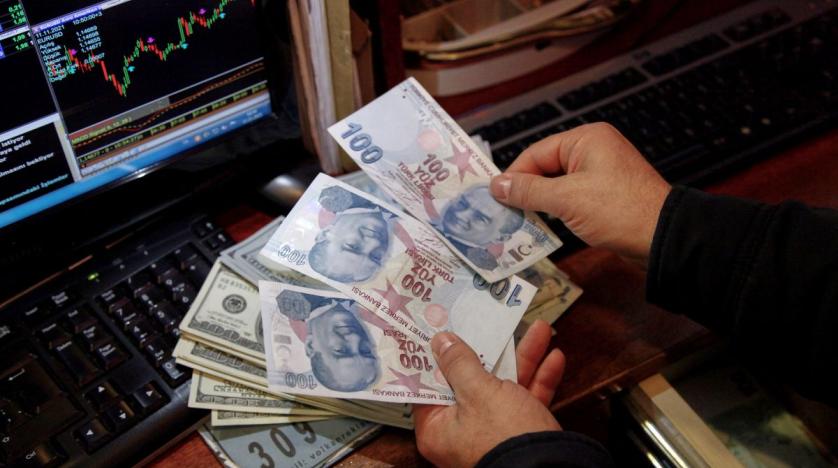
Turkey’s official inflation rate reached the highest level since Recep Tayyip Erdogan’s ruling party came to power almost two decades ago, as global inflationary pressures combine with the president’s untraditional economic management to fuel a surge in prices. The country’s consumer price index rose 48.7% year-on-year in January, the Turkish Statistical Institute said.
It represents the highest inflation rate that Turkey has experienced since April 2002, when the country was reeling from a severe financial crisis that helped usher in dramatic political change with the election later that year of Erdogan’s Justice and Development party (AKP). The Turkish president, an ideological opponent of high interest rates, ordered the country’s central bank to cut borrowing costs four times in a row last year despite warnings that it would exacerbate the country’s already high inflation. He argues, contrary to established economic belief, that lowering rates will help to stabilize prices.

Russian President Vladimir Putin arrived in Beijing on Friday for the 2022 Winter Olympics
and a meeting with Chinese President Xi Jinping, bringing with him a deal to increase natural gas supplies to China amid rising tension with the West.
Putin told Xi that Russia had prepared a new deal to supply China with an additional 10 billion cubic metres of natural gas, according to a broadcast of their talks aired in Moscow. Russia, one of the global leaders in hydrocarbon supplies, has been strengthening its ties with China, the world's top energy consumer against the backdrop of Moscow's standoff with the West over Ukraine and other issues. Thousands of Russian troops have massed near the border of Ukraine, raising fears of an invasion, which Russia denies planning. Russia has asked NATO to bar Ukraine from joining and to pull out of eastern Europe.
The United States and some of its allies have announced a diplomatic boycott of the Games in protest at China's human rights record. China denies any abuses. In response, the United States warned Chinese firms that they would face consequences if they sought to evade export controls imposed on Russia in the event of it invading Ukraine.
US stocks record worst day in almost a year as Meta dives

Stocks on Wall Street slid by the most in almost a year on Thursday after a disappointing earnings report from Facebook parent Meta reverberated through the market. The S&P 500 index fell 2.4%, its biggest drop since February 2021, driven largely by falls in tech stocks that dominate the blue-chip US index. The slide ended a four-day rally and took the S&P’s declines this year to 6.1%.
The losses for the tech-heavy Nasdaq Composite were more intense, with the index that counts Meta and Amazon as members, declining 3.7%, its worst day since September 2020. Investors were shaken by Wednesday’s results from Meta, sending the company’s shares down 26.4% and wiping more than 230 billion USD off its valuation, an unprecedented single-day loss for a listed company.
Meta overnight reported its first decline in daily active users and warned of increased competition from rivals such as ByteDance’s TikTok platform. Shares of PayPal fell 6%, bringing their total decline to just under 30% since the closing bell on Tuesday when the payments company warned that a weakening ecommerce environment would slow its growth rate. Music streaming platform Spotify also delivered a weak outlook for first-quarter subscriber growth, sending its shares down 17% on Thursday.
Shares in many tech companies rose during the pandemic, fuelled by a combination of coronavirus lockdowns keeping customers at home and ultra-low interest rates increasing the appeal of more speculative investments. But this year, we believe that some traders have started to think that the coronavirus is becoming milder and the US central bank has signalled that it is poised to rapidly raise borrowing costs, forming a cloud over Wall Street’s big tech groups.
Amazon stock has best day since 2015 after Prime price rise and cloud boost
Amazon’s stock rallied on Friday for its best one-day gain since 2015 after it announced a 17% increase in the price of its popular Prime membership scheme. The shares rose 13.5% to 3,152.79 USD, adding about 190 billion USD to Amazon’s market cap, as Wall Street welcomed the Prime pricing announcement as well as earnings that were boosted by a strong performance in its cloud computing division and its stake in electric vehicle maker Rivian.
That followed an almost 8% decline in its shares during the trading day on Thursday, as tech stocks were caught up in a rout prompted by the plunge in shares of Facebook owner Meta. Amazon said on Thursday that the increase in the Prime membership cost, from 119 USD to 139 USD a year, was due in part to a rise in “wages and transportation costs” in its logistics network.
It is the third price increase since Amazon introduced Prime in 2005. The company did not comment on whether it intended to raise prices in other international markets. In the fourth quarter, revenue from subscription services, which includes Prime memberships, was 8.1 billion USD, up 15% year on year. We believe that the Prime price increase is a very dangerous move which is designed to please the markets at the expense of consumers.
Stay up to date
More Newsletter to Check


SUBSCRIBE TO NEWSLETTER
Subscribe to download our daily economics and business roundup


×
![]()