Egyptian government boosts social protection with EGP 529.7 billion allocation in 2023/24 draft budget

Egyptian government boosts social protection with EGP 529.7 billion allocation in 2023/24 draft budget. The Ministry of Planning and Economic Development in Egypt has allocated EGP 529.7 billion for social protection in the 2023/24 draft budget, a notable increase from previous allocations. This support seeks to fortify social care and protection programs, particularly for middle- and low-income groups, as articulated by Minister Hala Al-Saeed. Through this financial boost, the government aims to enhance various social protection packages and initiatives, like the Solidarity and Dignity Program, thereby potentially reducing the poverty rate to an anticipated 27.9% by 2025/26 and the extreme poverty rate to 4% by the end of 2025/2026. (Economy Plus)
- Egypt aims to raise $1 billion through extended car import initiative for expatriates.
Egypt seeks to raise up to $1 billion through its initiative aimed at facilitating the import of cars by Egyptians living abroad, following an initial accumulation of $800 million, as per a government official. The initiative, which ran for the initial 5 months of 2023, has appealed to about 170,000 overseas Egyptians. The scheme allows Egyptians with legal residence abroad to import a private car for personal use tax-free, by instead paying an interest-free dollar deposit equal to the tax, which is reimbursed after 5 years in Egyptian pounds. This follows a draft law extension of the initiative by 3 months. (Asharq)
- Egypt negotiates with IMF to amplify loan program to above $5 billion.
Egypt is in discussions with the International Monetary Fund (IMF) to augment the value of a previously agreed $3 billion loan program to over $5 billion, with an official announcement expected upon completion of the nation’s delayed review of this program. An IMF team is anticipated to visit Egypt by the end of October to conduct two belated reviews. Moreover, the implementation of Egypt’s monetary policy reforms is scheduled to take place following the presidential elections in December. (Asharq)
- Egypt channels efforts into structural reforms and managing foreign currency flows amid economic challenges.
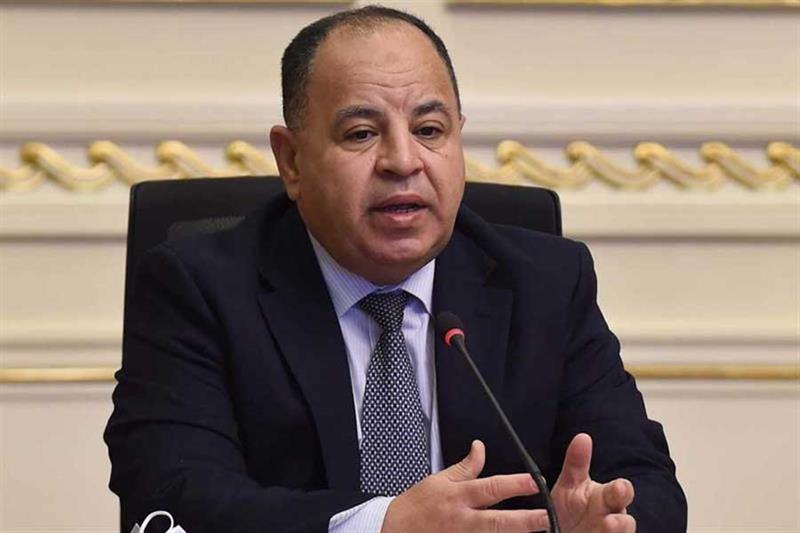
The Egyptian government is actively pursuing a series of structural reforms, programs, and measures, as disclosed by Minister of Finance Dr. Mohamed Maait. These initiatives aim to stimulate foreign exchange flows and enhance private sector participation in development and economic activity, translating the structural reform program into a sustainable model for generating enduring capital flows from foreign currencies. Despite global and local economic challenges, including inflationary pressures and an obligation of $52 billion over the past two years, Egypt underscores an improvement in its current macroeconomic and public financial state compared to previous years. (Al Mal)
- Egypt faces 32% dip in 'white gold' cotton production amidst crop shift.
Egypt's long-staple cotton production, known as "white gold," has plummeted by 32% in the 2023 season, descending to 85,000 tons from 125,000 tons in the previous year. This decline is attributed to a 25% reduction in cotton-cultivated areas, from 337,000 acres to 254,000 acres, driven by heightened prices of alternative fodder and oil crops that farmers favored. While Egypt, being the second-largest exporter of this cotton type globally, usually exports most of its yield and imports short-staple cotton, this decrease might influence both domestic and international markets. (Asharq)
- Egypt pursues $500m loan and $1.5b total borrowing amid fiscal year financing gap.
Egypt intends to secure a $500 million loan from various banks, backed by the Arab Investment and Export Credit Guarantee Corporation (Dhaman), aiming to borrow a total of $1.5 billion by year-end, including issuing Panda bonds worth $500 million, primarily through Asian capital markets. Minister of Finance Mohamed Maait noted $545 million in guarantees from the Asian Infrastructure Investment Bank and the African Development Bank for the Panda bonds and plans to issue Samurai bonds worth $500 million, backed by the Africa Finance Corporation. The finance from these debts will supplement proceeds from state asset sales anticipated between October and November. Egypt's financing gap for the current fiscal year is projected between $6 billion and $8 billion. (Arab Finance)
- Food sector leaders applaud customs duty exemption on key commodities to curb prices.
Industry leaders and experts from the food sector posit that the Council of Ministers' decision to abolish customs duties on 12 key items and commodities—including poultry, dairy, butter, cheese, tea, fats, sugar, pasta, and all forms of medicines—plays a crucial role in realizing the aims of the government's initiative to lower commodity prices. (Hapi Journal)
- EBRD plans €165 million loan to bolster Egypt’s power transmission grid.
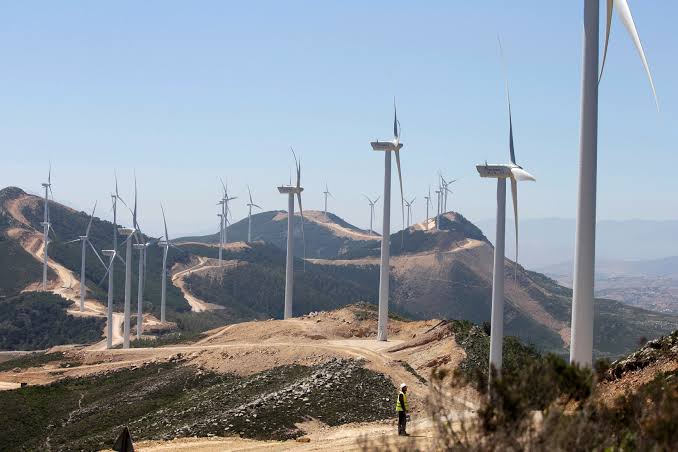
The European Bank of Reconstruction and Development (EBRD) intends to grant the Egyptian Electricity Transmission Company (EETC) a sovereign loan of up to €165 million to enhance Egypt’s electricity transmission network, as per the bank's statement. Slated for approval on December 13th, the loan will fund the upgrading of a 500kV substation in Cairo and the creation of a 200-kilometer high-voltage transmission line capable of transmitting about 2.1GW of renewable energy from the Gulf of Suez. The loan will allocate 60% for the transmission line and 40% for the substation and other projects. (Arab Finance)
- Elsewedy Electric and Al-kharafi group subsidiary to build power stations in Egypt.
The Egyptian Elsewedy Electric Company and a subsidiary of the Kuwaiti Al-Kharafi Group have been awarded the construction of two power transformer stations in New Alamein and 10th of Ramadan, Egypt, as revealed by Ater Hanoura, Head of the Public-Private Participation Unit at the Ministry of Finance. The projects, scheduled for completion by next November, fall under initiatives approved by the Supreme Committee for Participation with the Private Sector and are part of nine electricity projects involving the private sector, costing up to 7 billion pounds. They aim to bolster production, elevate growth rates, and generate employment by enhancing private sector involvement in economic activities. (Asharq)
- Netanyahu faces harsh public critique and resignation calls post-attack.
Following the substantial attack on Israel by Palestinian militants this month, which led to at least 1,300 Israeli fatalities, Israeli Prime Minister Benjamin Netanyahu faces critical public opinion, contrasting with the surge in approval President George W. Bush experienced post-September 11th attacks. In a poll conducted by Camil Fuchs of Tel Aviv University, 95% of respondents viewed the October 7th attack as a governmental failure under Netanyahu, and three-quarters of them desire his resignation upon war termination. The poll involved 620 Jewish participants and took place on October 11th. (Economist)
Stay up to date
More Newsletter to Check


SUBSCRIBE TO NEWSLETTER
Subscribe to download our daily economics and business roundup


×
![]()