Poker bestes blatt

  1. ehrliche online casinos: Der rauhe Realitätscheck für gestiefelte Spieler: Die Sizzling Hot Casino Spiele sind ein sehr beliebter Internet Slot von Novomatic.
  2. Casino in Luzern: Der trostlose Alltag eines Veteranen - Einige der beliebtesten Slots sind das Glücksrad, Raging Bull, Double Diamond, Blazing 7, Sphinx, Megabucks, diese Liste kann weiter und weiter gehen.
  3. Casino mit 300 Euro Bonus: Warum das wahre Geld immer noch im Haus bleibt: Sie bieten ähnliche Bonuspakete an, arbeiten mit denselben Spieleentwicklern zusammen und behaupten alle, besser zu sein als die anderen.

Schwiegermutter bingo

Casino ohne Lizenz 10 Freispiele – Der kalte Blick auf das Marketing‑Gestrüpp
Neben der Desktop-Version können Sie das Casino auch über den Browser Ihres Mobiltelefons zugreifen, ganz gleich, ob es sich bei dem Medium um ein iOS oder Android Gerät handelt.
Online Casino 100 Euro Mindesteinzahlung – Der harte Truth-or-Deal für Sparfüchse
Während PayPal-Konten kostenlos sind, einige Leute.
Zu den Vergünstigungen gehören exklusive Angebote, Werbegeschenke, VIP-Rennen, wöchentliche Samen, keine Auszahlungsgebühren und mehr.

Poker upswing

Android-Optimierte Glücksspielplattformen, die dich nicht um den Bart herumreden
Dazu kommt, dass sie übersichtlich aufgebaut ist.
Die nackte Wahrheit über die besten Spin‑Apps für Android – kein Blatt Papier, nur harte Fakten
Löse die Schätze in Wolfsgold aus.
Casino Norderney: Warum das ganze Getue hier nur ein teurer Ärgernis ist

From Oil Shock to System Shift: How Conflict Is Rewiring the Gulf, Redefining MENA, and Repricing the Global Economy | Zilla Capital

From Oil Shock to System Shift: How Conflict Is Rewiring the Gulf, Redefining MENA, and Repricing the Global Economy

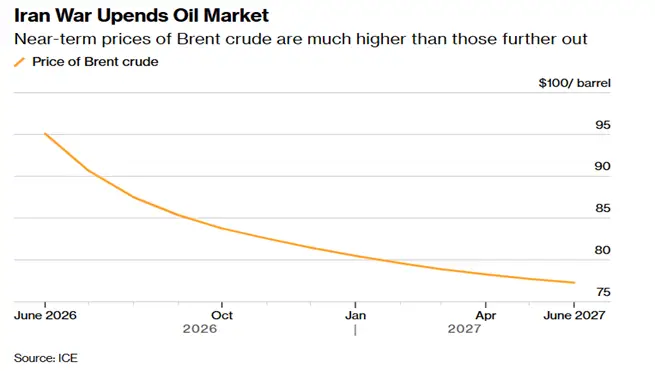
This Is Not De-escalation… It’s Repricing of Risk  What markets are interpreting as de-escalation is, in reality, a transition from dynamic risk to structural risk. The fragile US–Iran ceasefire, unresolved tensions in Lebanon, and repeated disruptions around Hormuz — including vessel seizures and near-standstill shipping — suggest that the region has not stabilized. It has simply moved into a phase where risk is less visible, but more embedded. This distinction matters. Because markets can price events… but struggle to price persistent uncertainty.  Oil Is Now the Transmission Channel of Geopolitics  The key shift is not higher oil prices — it is how oil now transmits geopolitical shocks into the global macro system.  Both the International Monetary Fund and the World Bank are no longer anchoring forecasts around a single baseline. Instead, they are explicitly modeling scenario dispersion, reflecting how sensitive the system has become to supply disruptions. At $90 oil, the shock is contained. At $100–110, inflation persistence forces central banks to delay easing. Beyond that, the global economy enters a policy trap: tightening into weakness or tolerating inflation. The implication: Oil is no longer cyclical — it is structural to policy decisions
Hormuz Is Fragmenting the Region Economically The Strait of Hormuz is no longer a shared bottleneck — it is a differentiator of economic resilience. The region is effectively splitting into four macro profiles:
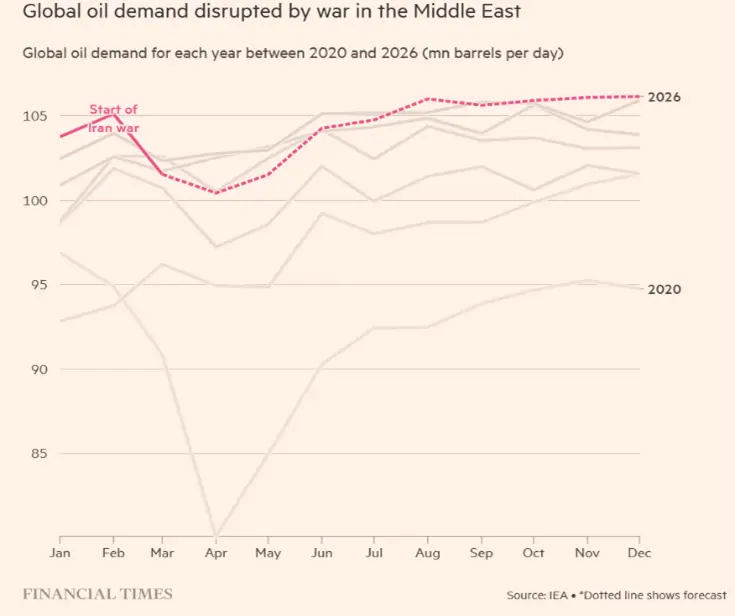
  • Iran and Oman are benefiting from price dynamics despite constraints, capturing upside from disruption.
  • Saudi Arabia and the UAE are leveraging partial rerouting infrastructure, transforming price volatility into a stabilizing mechanism.
  • Qatar and Kuwait remain exposed operationally but insulated financially through sovereign buffers.
  • Iraq and Bahrain face a direct transmission of disruption into fiscal and external balances, with limited shock absorption capacity.
The same shock is producing asymmetric macro-outcomes which will reshape capital allocation across the region. From Global Capital to Geopolitical Capital  A more profound shift is happening beneath the surface: capital is being re-politicized. Recent financial flows across the region — from bilateral support packages to strategic investments — indicate that liquidity is increasingly secured through alliances rather than markets. In periods of high uncertainty, private capital becomes risk averse. Sovereign capital steps in — but not neutrally. This marks a transition from: efficient capital allocation → strategic capital deployment. With long-term implications for:
  • Credit risk pricing
  • Sovereign spreads
  • And investment flows across emerging markets

Trade Is Moving from Efficiency to Security  Global trade architecture is undergoing a forced reset. Hormuz disruptions have exposed the fragility of hyper-efficient supply chains that depend on a limited number of chokepoints. As a result, countries are accelerating investments in alternative corridors — pipelines, ports, and regional trade routes — even at a higher cost. This is not a temporary adjustment. It is a structural shift toward redundancy and control. The consequence:
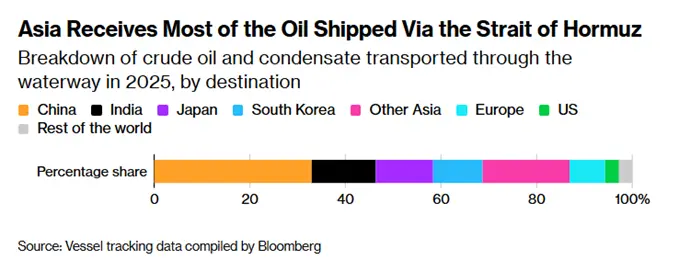
  • Higher global trade costs
  • Lower efficiency
  • Increased regionalization of trade
In other words, globalization is not reversing —it is fragmenting.  The Gulf’s Strategic Learning Curve  The Gulf is not just reacting to the conflict — it is recalibrating its entire economic model.
  • First, security assumptions are being rewritten. The reliability of external protection is no longer taken for granted, accelerating investment in autonomous defense capabilities and diversified alliances.
  • Second, energy dominance is being reinterpreted. Oil remains a source of power — but also a source of vulnerability when tied to chokepoints.
  • Third, sovereign wealth is evolving from a return-seeking portfolio into a multi-objective instrument — balancing financial returns with geopolitical influence and domestic stability.
This marks a shift from a model built on abundance to one built on resilience and control.  What the Gulf Will Do Next: Structural Shifts, Not Cyclical Moves  The next phase is unlikely to be reactive — it will be strategic. Infrastructure investments will increasingly focus on bypassing chokepoints and securing export routes. Defense spending will expand, not just on scale but in technological sophistication, integrating AI and early-warning systems. At the same time, capital allocation will tilt toward domestic and regional priorities, particularly in sectors that enhance economic sovereignty — logistics, energy security, and strategic technologies. The objective is clear: reduce exposure to external shocks without sacrificing global influence.  MENA is Being Reclassified in Real Time  The broader Middle East is undergoing a silent reclassification Countries are no longer assessed purely on growth prospects — but on their ability to navigate geopolitical risk, secure liquidity, and maintain external balances under stress. This is creating a three-tier structure:
  • Core economies with capital and resilience
  • Vulnerable economies reliant on external support
  • Transitional economies balancing both dynamics
The region is not converging; it is diverging structurally.  The Global Implication: A More Fragile Equilibrium  What is unfolding in the Gulf does not stay in the Gulf. Higher oil volatility feeds directly into global inflation. Delayed monetary easing tightens financial conditions. And fragmented trade flows reduce global efficiency. The result is a more fragile global equilibriumwhere shocks travel faster, last longer, and are harder to absorb.  The Bottom Line: Stability Is No Longer the Base Case Markets are still pricing stability as the central scenario. But structurally, stability has become conditional not given. The region has entered a phase where: risk is persistent alliances shape outcomes and economic strategy is inseparable from geopolitics. The missiles may have slowedbut the system has already changed.  

من صدمة النفط إلى إعادة هيكلة المنظومة: كيف يُعيد الصراع رسم ملامح الخليج، و يُعيد تعريف منطقة الشرق الأوسط وشمال أفريقيا، و يُعيد تسعير الاقتصاد العالمي؟

هذا ليس تهدئة للتصعيد... بل إعادة تسعير للمخاطر

ما تفسّره الأسواق على أنه تهدئة، هو في حقيقته انتقال من مخاطر ديناميكية إلى مخاطر هيكلية. فوقف إطلاق النار الهش بين الولايات المتحدة وإيران، والتوترات غير المحسومة في لبنان، والاضطرابات المتكررة في منطقة هرمز — من احتجاز سفن وشبه توقف في حركة الشحن — كلها مؤشرات تؤكد أن المنطقة لم تستقر. بل انتقلت ببساطة إلى مرحلة باتت فيها المخاطر أقل وضوحاً، لكنها أعمق تجذراً. وهذا التمييز بالغ الأهمية، لأن الأسواق قادرة على تسعير الأحداث… لكنها تعجز عن تسعير حالة الغموض المستمر.

النفط بات قناة نقل الصدمات الجيوسياسية

.التحول الجوهري لا يكمن في ارتفاع أسعار النفط، بل في كيفية نقل النفط للصدمات الجيوسياسية إلى المنظومة الاقتصادية الكلية العالمية

فكلٌّ من صندوق النقد الدولي والبنك الدولي لم يعودا يُرسّخان توقعاتهما حول سيناريو مرجعي واحد. بل باتا يقومون بنمذجة تباين السيناريوهات بشكل صريح، مما يعكس مدى حساسية المنظومة للاضطرابات في جانب العرض أو الإمداد 

عند مستوى 90 دولاراً للبرميل، تظل الصدمة محدودة الأثر. أما عند 100–110 دولارات، فإن استمرار الضغوط التضخمية يُرغم البنوك المركزية على تأجيل دورة التيسير النقدي. وما إن يتجاوز السعر هذا المستوى، حتى يجد الاقتصاد العالمي نفسه أمام فخ السياسة النقدية: إما التشديد في مواجهة الضعف الاقتصادي، أو التسامح مع بالتضخم. والنتيجة واضحة: لم يعد النفط متغيراً دورياً — بل أصبح ركيزة هيكلية في قرارات السياسة النقدية.

هرمز يُعيد رسم الخريطة الاقتصادية للمنطقة

لم يعد مضيق هرمز مجرد نقطة اختناق مشتركة — بل أصبح معياراً يكشف عن تباين القدرة على الصمود الاقتصادي. تنقسم المنطقة فعلياً إلى أربعة أنماط اقتصادية كلية

  • إيران وعُمان تستفيدان من ديناميكيات الأسعار رغم القيود المفروضة، مستغلتين الفرص المتاحة من الاضطرابات.
  • المملكة العربية السعودية والإمارات توظّفان البنية التحتية للتحويل الجزئي للمسارات، محوّلتين تقلبات الأسعار إلى آلية استقرار.
  • قطر والكويت تبقيان مكشوفتين على الصعيد التشغيلي، لكنهما محميتان مالياً بفضل احتياطيات صناديق الثروة السيادية.
  • العراق والبحرين يواجهان انعكاساً مباشراً للاضطرابات على الموازين المالية والخارجية، مع قدرة محدودة على استيعاب الصدمات.

.وتُنتج الصدمة نفسها نتائج اقتصادية كلية غير متكافئة ستُعيد تشكيل تخصيص رأس المال في جميع أنحاء المنطقة 

من رأس المال العالمي إلى رأس المال الجيوسياسي

يحدث تحول أعمق تحت السطح: إعادة إعادة توظيف رأس المال سياسياً. تشير التدفقات المالية الأخيرة في جميع أنحاء المنطقة - من حزم الدعم الثنائية إلى الاستثمارات الاستراتيجية - إلى أن السيولة تُؤمَّن بشكل متزايد من خلال التحالفات بدلًا من الأسواق. في فترات عدم اليقين الشديد، يصبح رأس المال الخاص متجنبًا للمخاطر. يتدخل رأس المال السيادي - ولكن ليس بشكل محايد. يُمثل هذا تحولاً من: تخصيص رأس المال بكفاءة إلى توظيفه استراتيجيًا. مع آثار طويلة الأجل على:

  • تسعير مخاطر الائتمان
  • هوامش العائد السيادي
  • وتدفقات الاستثمار عبر الأسواق الناشئة

التجارة تنتقل من الكفاءة إلى الأمن

يخضع هيكل التجارة العالمية لإعادة ضبط قسرية. كشفت اضطرابات مضيق هرمز عن هشاشة سلاسل التوريد فائقة الكفاءة التي تعتمد على عدد محدود من نقاط الاختناق. نتيجةً لذلك، تُسرّع الدول استثماراتها في ممرات بديلة - خطوط الأنابيب والموانئ وطرق التجارة الإقليمية - حتى وإن كان ذلك بتكلفة أعلى. هذا ليس تعديلاً مؤقتاً، بل هو تحوّل هيكلي نحو التكرار والسيطرة.

النتيجة:

  • ارتفاع تكاليف التجارة العالمية
  • انخفاض الكفاءة
  • ازدياد إقليمية التجارة 

بعبارة أخرى، العولمة لا تتراجع — بل تتفكك. 

الدروس الاستراتيجية المستفادة في الخليج

لا يكتفي الخليج بالرد على الصراع، بل يُعيد ضبط نموذجه الاقتصادي بالكامل.

  • أولاً، تُعاد صياغة الافتراضات الأمنية. لم تعد الحماية الخارجية أمراً مفروغاً منه، مما يُعجّل بالاستثمار في قدرات الدفاع الذاتي وتنويع التحالفات.
  • ثانياً، يُعاد تفسير هيمنة الطاقة. يبقى النفط مصدراً للقوة لكنه يغدو أيضاً مصدراً للهشاشة حين يرتبط بنقاط الاختناق.
  • ثالثاً، تتطور الثروة السيادية من محفظة تسعى إلى تحقيق عائد إلى أداة متعددة الأهداف، تُوازن بين العوائد المالية والنفوذ الجيوسياسي والاستقرار الداخلي.

يمثل هذا تحولاً من نموذج قائم على الوفرة إلى نموذج قائم على المرونة والسيطرة.

ما الذي ستفعله منطقة الخليج لاحقاً: تحولات هيكلية، لا تحركات دورية

من غير المرجح أن تكون المرحلة التالية رد فعل، بل ستكون استراتيجية. ستركز استثمارات البنية التحتية بشكل متزايد على تجاوز نقاط الاختناق وتأمين طرق التصدير. سيتوسع الإنفاق الدفاعي، ليس فقط من حيث الحجم، بل أيضاً من حيث التطور التكنولوجي، مع دمج الذكاء الاصطناعي وأنظمة الإنذار المبكر. في الوقت نفسه، سيميل تخصيص رأس المال نحو الأولويات المحلية والإقليمية، لا سيما في القطاعات التي تعزز السيادة الاقتصادية - الخدمات اللوجستية، وأمن الطاقة، والتقنيات الاستراتيجية. الهدف واضح: تقليل التعرض للصدمات الخارجية دون التضحية بالنفوذ العالمي. 

  منطقة الشرق الأوسط وشمال أفريقيا تُعاد تصنيفها في الوقت الفعلي


تشهد منطقة الشرق الأوسط الأوسع نطاقاً تحولاً نحو إعادة تصنيف الدول: لم تعد الدول تُقيّم بناءً على آفاق النمو فحسب، بل على قدرتها على إدارة المخاطر الجيوسياسية، وتأمين السيولة، والحفاظ على التوازنات الخارجية في ظل الضغوط.

 وهذا يُنشئ هيكلاً ثلاثي المستويات:

  • اقتصادات مركزية تتمتع برأس مال ومرونة
  • اقتصادات هشة تعتمد على الدعم الخارجي
  • اقتصادات انتقالية تُوازن بين هذين العاملين

المنطقة لا تتقارب، بل تتباعد هيكلياً.

التداعيات العالمية: توازن أكثر هشاشة

ما يحدث في الخليج لا يبقى حبيساً له. فتقلبات أسعار النفط المرتفعة تُغذي التضخم العالمي بشكل مباشر. وتأخر التيسير النقدي يُشدد الأوضاع المالية. وتشتت التدفقات التجارية يُقلل من الكفاءة العالمية. والنتيجة هي توازن عالمي أكثر هشاشة، حيث تنتقل الصدمات بسرعة أكبر، وتستمر لفترة أطول، ويصعب استيعابها.

الخلاصة: لم يعد الاستقرار هو السيناريو الأساسي

لا تزال الأسواق تُسعّر الاستقرار باعتباره السيناريو المركزي. لكن من الناحية الهيكلية، أصبح الاستقرار مشروطاً لا مُسلّماً به. دخلت المنطقة مرحلةً بات فيها الخطر مُستمراً، والتحالفات تُشكّل النتائج، والاستراتيجية الاقتصادية لا تنفصل عن الجغرافيا السياسية.

ربما تباطأت وتيرة إطلاق الصواريخ... لكن النظام قد تغيّر بالفعل.

Stay up to date

More Publications to Check

IPO Radar: EGX Korra Energi

Read More

U.S.-China Summit: What Actually Happened

Read More

M&A Radar: Aldar’s acquisition of KEZAD’s Al Ma’mourah

Read More

The Uneven Cost of War: Who Pays the Real Price of the Iran Conflict?

Read More

SUBSCRIBE TO PUBLICATIONS

Subscribe to download our daily economics and business roundup

×