Online casino spielen erlaubt

  1. Glücksspielrechtliche Erlaubnis Zürich: Warum die Bürokratie genauso nervig ist wie ein missglückter Bonus: Um diesen hochbezahlten Jackpot zu knacken, wählen Sie die Anzahl der eingesetzten Münzen von 1 bis 10 und klicken dann auf die Schaltfläche Drehen.
  2. Online Casino mit 1000 Euro Einzahlung: Das wahre Kosten‑und‑Gewinn‑Dilemma - Holen Sie sich das Stadtsymbol auf Rolle 3, um den Zaubererturm zu öffnen und einige Wilds freizuschalten.
  3. Casino mit Slots: Warum das wahre Spiel im Kleingedruckten statt im Gewinnrausch liegt: Meistens müssen Sie nicht direkt mit der App interagieren, aber dem PokerTracker-Apps-Menü wird ein Menü hinzugefügt, um die Interaktion zu ermöglichen.

Roulette mit 1 cent einsatz

Casino mit 15 Euro Einzahlung Handyrechnung – Der Schnäppchen-Joker, den kein Anbieter mag
Und das ist erst das Vorspiel, denn jetzt kommen die Free Spins, mit denen Sie Crazy Cows online aus Ihrem Sessel hauen will.
Casino Jackpot Slots Echtgeld: Das kalte Frühstück für die faule Glücksmasse
Durch Zufall entdeckt, wird das Spiel seit über 200 Jahren gespielt und ist immer noch stark.
Ich habe sie auch gemocht und als Online-Casinos anfingen, sie anzubieten, konnte ich nicht widerstehen.

Online casino mit postfinance

Seriöse Casinos ohne Ausweis – Der harte Truthahn im Werbe-Wirrwarr
Kostenlose Casinospiele sind in einem stationären Casino nicht zu finden.
Online Casino Register Bonus: Der kalte Kalkül hinter dem Werbegewitter
Die Entwicklung dieser Art von Casinospielen geht weiter und die Anzahl der Titel und die Benutzerfreundlichkeit werden sich im Laufe der Zeit weiter verbessern.
Willkommensbonus mit niedrigen Umsatzbedingungen: Der bittere Realitätscheck für Casino‑Veteranen

U.S.-China Summit: What Actually Happened | Zilla Capital

U.S.-China Summit: What Actually Happened

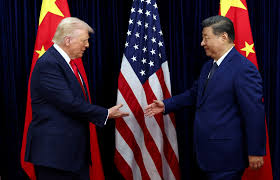
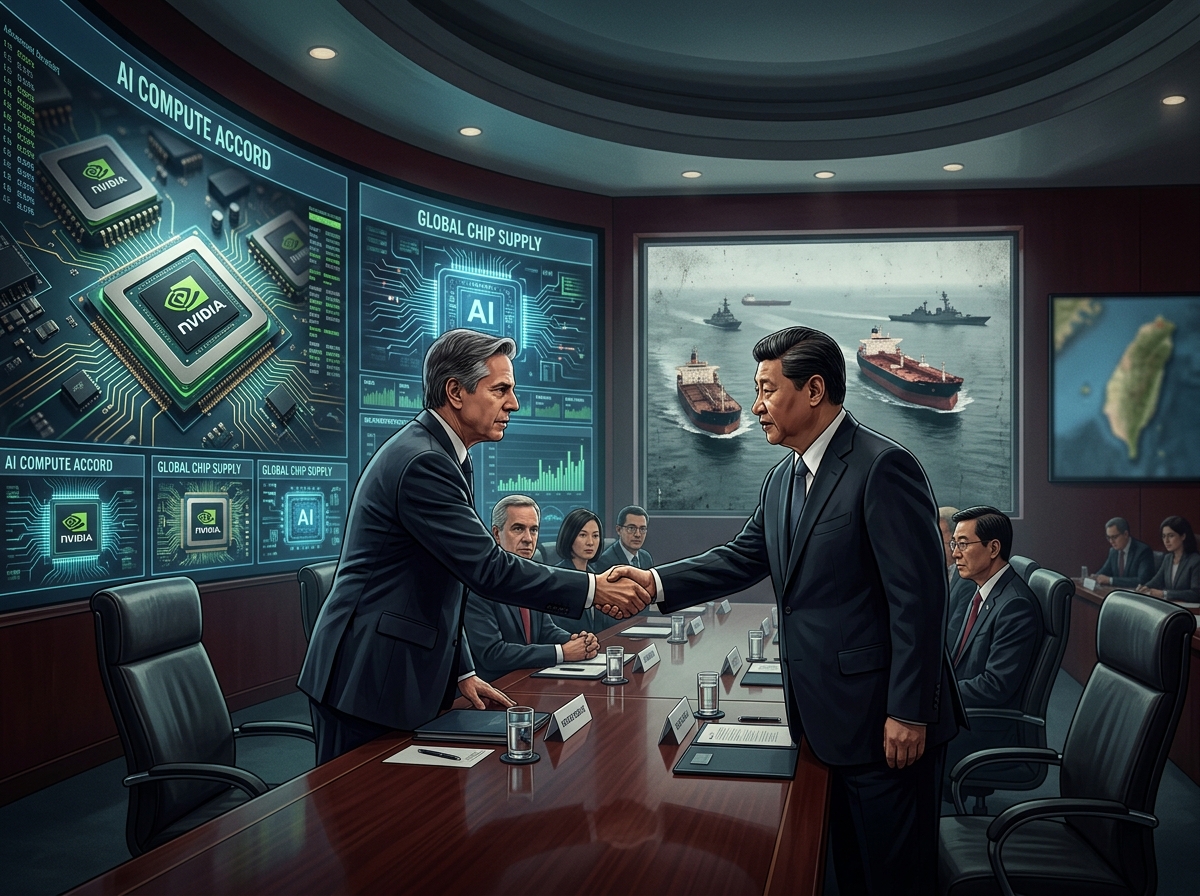
Trump's first China visit in his second term (May 12–15) landed warmer than expected. The mood was cordial, the talks ran twice as long as scheduled, and both sides left with something to show for it. But let's be clear: this was not a reset. The fundamental competition between the two powers in technology, trade, and geopolitics remains firmly intact. What Beijing and Washington agreed on — implicitly and explicitly — was that managed stability is preferable to open confrontation, at least for now. Three Things That Surprised Markets 1. Trump struck a calmer and more controlled tone throughout the visit. No provocative posts, no off-script remarks, no last-minute demands. Trump called Xi a "friend" and a "great leader," describing him as "all business, no games." Xi reciprocated with his own headline: "China and the United States both stand to gain from cooperation and lose from confrontation." The diplomatic warmth was real — but it should not be mistaken for a structural shift. Both leaders know exactly where the fault lines are. They chose, deliberately, not to stand on them this week. 2. Nvidia chips may be heading to China — and that changes things. Jensen Huang's presence at the summit was not ceremonial. Reports indicate that around ten major Chinese firms — including Alibaba, ByteDance, Tencent, JD.com, Lenovo, and Foxconn — may be approved to purchase Nvidia H200 chips. If confirmed, this represents a quiet but consequential shift in U.S. export control policy. For years, cutting China off from advanced semiconductors has been the centerpiece of Washington's technology rivalry strategy. The fact that this may now be selectively unwinding suggests the U.S. is quietly concluding that a full technology blockade carries too high an economic cost — for American companies as much as Chinese ones. Markets moved instantly: Nvidia jumped 4.4% in a single session, overtaking silver to reach a $5.52 tn market cap. No official confirmation has been issued yet, but the signal from Huang's presence alone was enough. 3. China's purchase commitments were large but largely priced in. LNG, oil, soybeans, agricultural goods, and up to 200 Boeing aircraft were all signalled. These are big numbers on paper — but markets had been expecting them. Boeing fell around 4% on the news, a textbook buy-the-rumour, sell- the-news reaction. The deeper point is that both economies remain structurally dependent on each other: China needs U.S. technology and food supply; America needs Chinese manufacturing and critical minerals. The purchase commitments are less a gesture of goodwill and more an acknowledgment of that mutual dependency. On Iran & Hormuz: The Most Concrete Outputs This is where the summit delivered its most specific and consequential results. Both sides published a named list of commitments — rare in itself for a U.S.-China meeting:
  • The Strait of Hormuz must remain open — agreed in writing by both sides
  • China explicitly opposes militarizing the Strait or charging tolls for passage
  • China agreed to buy more American oil specifically to reduce its own Hormuz exposure
  • Both sides agreed Iran cannot be permitted to acquire nuclear weapons
  • S. companies were granted expanded access to Chinese markets
  • China committed to increasing direct investment into the S. and cracking down harder on fentanyl precursor flows
The catch — and it is a significant one — is that none of these commitments come with quantitative targets, specific timelines, or enforcement mechanisms. They are statements of intent, not binding obligations. Trump summarized the Iran file himself as "to be continued." That phrase carries more weight than it sounds: the war is not over, the ceasefire remains fragile, and the Hormuz closure continues to distort global energy markets. What Beijing and Washington have done is agree on principles. Turning those principles into coordinated action is an entirely different challenge.

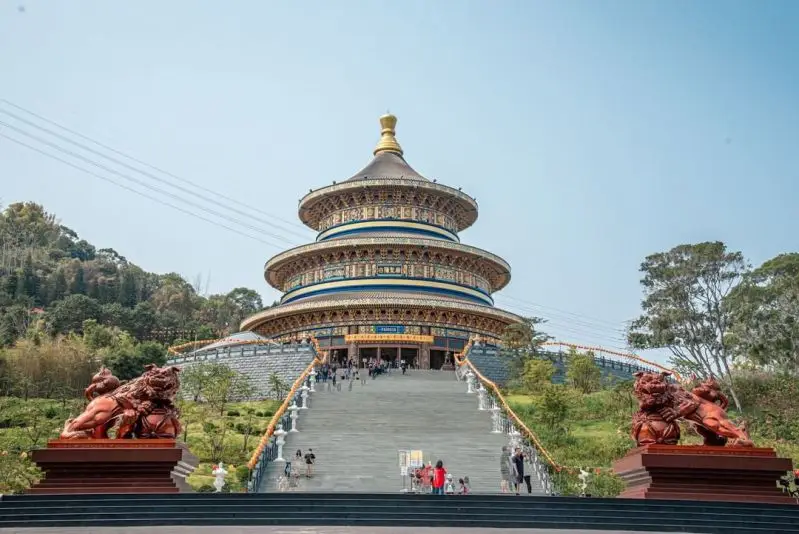
Taiwan: The Issue Both Sides Chose Not to Touch Taiwan was the most telling part of the summit — not for what was said, but for what was carefully avoided. When a reporter asked Trump directly about Taiwan at the Temple of Heaven, he responded with nothing but praise for his hosts. No position, no commitment, no signal of any kind. The non-answer was deliberate. Both sides had made a calculated decision before the summit even began: pushing on Taiwan would detonate everything else on the table — the Iran coordination, the technology opening, the trade truce. So they set it aside. But setting it aside is not the same as resolving it. Xi made that clear, describing Taiwan as "the most important issue in China-U.S. relations" and warning that mishandling it could lead to "collision or conflict." Beijing's position is unchanged and unambiguous — the island is an integral part of Chinese territory. Taipei firmly rejects that claim. Washington continues to maintain deliberate ambiguity over how it would respond to any military move across the Strait — a posture that satisfies no one fully but has kept the peace for decades. None of that changed in Beijing. What the summit revealed is that Taiwan is now being actively managed as a deferral — kicked down the road in exchange for short-term progress on Iran and trade. That is a reasonable trade-off in the near term. But deferrals on Taiwan have a track record of expiring at the worst possible moment, and the underlying tensions — military build-up, semiconductor supply chains, identity politics on both sides — have not diminished. The next geopolitical shock, wherever it comes from, could easily bring Taiwan back to the center of the conversation faster than either side would like. What Comes Next • Xi invited to Washington: September 24 • APEC in Shenzhen: November • Trade truce expiry: later this year Both sides have formally framed the next three years around a "constructive China–U.S. relationship of strategic stability" — which is diplomatic language for managed coexistence. Cooperation comes first, competition is measured, and differences are kept manageable. That framing is workable as long as both sides follow through. The test will come on three fronts: whether trade negotiations produce substance before the truce expires, whether the technology policy shift on semiconductors gets formally confirmed or quietly reversed, and whether U.S.-China coordination on Iran holds up as the ceasefire continues to be tested.
Bottom Line The summit delivered more than the low expectations heading in. The Nvidia semiconductor signal is the single most market-relevant development to watch closely. The Hormuz commitments are meaningful on paper but need follow-through to matter in practice. Taiwan was consciously parked — not resolved. And the broader relationship is in a better place than it was six months ago, but the structural competition between the two powers has not gone anywhere. Managed coexistence is the new baseline. How long it holds depends entirely on what happens next.  
ﻗﻤﺔ اﻟﻮﻻﯾﺎت اﻟﻤﺘﺤﺪة واﻟﺼﯿﻦ: ﻣﺎذا ﺣﺪث ﻓﻌﻠﯿًﺎ؟

ﺟﺎءت زﯾﺎرة دوﻧﺎﻟﺪ ﺗﺮاﻣﺐ اﻷوﻟﻰ إﻟﻰ اﻟﺼﯿﻦ ﺧﻼل وﻻﯾﺘﮫ اﻟﺜﺎﻧﯿﺔ 15–12) ﻣﺎﯾﻮ( أﻛﺜﺮ دﻓﺌًﺎ ﻣﻤﺎ ﻛﺎﻧﺖ ﺗﺘﻮﻗﻌﮫ اﻷﺳﻮاق. اﻷﺟﻮاء ﻛﺎﻧﺖ ودﯾﺔ، واﻟﻤﺤﺎدﺛﺎت اﺳﺘﻤﺮت ﻟﻔﺘﺮة أطﻮل ﺑﻤﺮﺗﯿﻦ ﻣﻦ اﻟﺠﺪول اﻟﻤﻘﺮر، وﺧﺮج اﻟﻄﺮﻓﺎن ﺑﻤﺠﻤﻮﻋﺔ ﻣﻦ اﻟﻤﻜﺎﺳﺐ اﻟﺴﯿﺎﺳﯿﺔ واﻻﻗﺘﺼﺎدﯾﺔ. ﻟﻜﻦ ﯾﺠﺐ ﺗﻮﺿﯿﺢ ﻧﻘﻄﺔ أﺳﺎﺳﯿﺔ: ﻣﺎ ﺣﺪث ﻟﻢ ﯾﻜﻦ إﻋﺎدة ﺿﺒﻂ ﺷﺎﻣﻠﺔ ﻟﻠﻌﻼﻗﺔ ﺑﯿﻦ اﻟﻘﻮﺗﯿﻦ. ﻓﺎﻟﻤﻨﺎﻓﺴﺔ اﻟﺠﻮھﺮﯾﺔ ﺑﯿﻦ واﺷﻨﻄﻦ وﺑﻜﯿﻦ ﻓﻲ اﻟﺘﻜﻨﻮﻟﻮﺟﯿﺎ واﻟﺘﺠﺎرة واﻟﺠﻐﺮاﻓﯿﺎ اﻟﺴﯿﺎﺳﯿﺔ ﻻ ﺗﺰال ﻗﺎﺋﻤﺔ ﺑﺎﻟﻜﺎﻣﻞ. ﻣﺎ اﺗﻔﻖ ﻋﻠﯿﮫ اﻟﻄﺮﻓﺎن — ﺿﻤﻨﯿًﺎ وﻋﻠﻨﯿًﺎ — ھﻮ أن “اﻻﺳﺘﻘﺮار اﻟﻤُﺪار” ﯾﺒﻘﻰ أﻓﻀﻞ ﻣﻦ اﻟﻤﻮاﺟﮭﺔ اﻟﻤﻔﺘﻮﺣﺔ، ﻋﻠﻰ اﻷﻗﻞ ﻓﻲ اﻟﻤﺮﺣﻠﺔ اﻟﺤﺎﻟﯿﺔ

ﺛﻼﺛﺔ أﻣﻮر ﻓﺎﺟﺄت اﻷﺳﻮاق

1- ﺗﺮاﻣﺐ ﺗﺒﻨﻰ ﻧﺒﺮة أﻛﺜﺮ ھﺪوءًا واﻧﻀﺒﺎطًﺎ

ﻟﻢ ﻧﺸﮭﺪ ﺗﺼﺮﯾﺤﺎت ﻣﻔﺎﺟﺌﺔ أو ﻣﻨﺸﻮرات ﺗﺼﻌﯿﺪﯾﺔ أو ﻣﻄﺎﻟﺐ ﻏﯿﺮ ﻣﺘﻮﻗﻌﺔ ﻓﻲ اﻟﻠﺤﻈﺎت اﻷﺧﯿﺮة. ﺗﺮاﻣﺐ وﺻﻒ اﻟﺮﺋﯿﺲ اﻟﺼﯿﻨﻲ ﺷﻲ ﺟﯿﻦ ﺑﯿﻨﻎ ﺑﺄﻧﮫ “ﺻﺪﯾﻖ” و”ﻗﺎﺋﺪ ﻋﻈﯿﻢ”، وﻗﺎل ﻋﻨﮫ إﻧﮫ “ﯾﺮﻛﺰ ﻋﻠﻰ اﻷﻋﻤﺎل ﺑﻌﯿﺪًا ﻋﻦ اﻻﺳﺘﻌﺮاض.” ﻣﻦ ﺟﺎﻧﺒﮫ، رد ﺷﻲ ﺑﺘﺼﺮﯾﺢ ﺣﻤﻞ رﺳﺎﻟﺔ واﺿﺤﺔ: “اﻟﺼﯿﻦ واﻟﻮﻻﯾﺎت اﻟﻤﺘﺤﺪة ﺗﺴﺘﻔﯿﺪان ﻣﻦ اﻟﺘﻌﺎون وﺗﺨﺴﺮان ﻣﻦ اﻟﻤﻮاﺟﮭﺔ ”.اﻟﺪفء اﻟﺪﺑﻠﻮﻣﺎﺳﻲ ﻛﺎن ﺣﻘﯿﻘﯿًﺎ، ﻟﻜﻨﮫ ﻻ ﯾﻌﻨﻲ ﺗﺤﻮﻻً ھﯿﻜﻠﯿًﺎ ﻓﻲ اﻟﻌﻼﻗﺔ ﺑﯿﻦ اﻟﻄﺮﻓﯿﻦ. ﻛﻼ اﻟﺰﻋﯿﻤﯿﻦ ﯾﺪرك ﺗﻤﺎﻣًﺎ أﯾﻦ ﺗﻘﻊ ﻧﻘﺎط اﻟﺘﺼﺎدم، ﻟﻜﻨﮭﻤﺎ اﺧﺘﺎرا ھﺬه اﻟﻤﺮة ﻋﺪم اﻻﻗﺘﺮاب ﻣﻨﮭﺎ.

2-رﻗﺎﺋﻖ إﻧﻔﯿﺪﯾﺎ ﻗﺪ ﺗﻌﻮد إﻟﻰ اﻟﺼﯿﻦ… وھﺬا ﺗﻄﻮر ﻣﮭﻢ

وﺟﻮد ﺟﯿﻨﺴﻦ ھﻮاﻧﻎ، اﻟﺮﺋﯿﺲ اﻟﺘﻨﻔﯿﺬي ﻟﺸﺮﻛﺔ إﻧﻔﯿﺪﯾﺎ، ﻓﻲ اﻟﻘﻤﺔ ﻟﻢ ﯾﻜﻦ رﻣﺰﯾًﺎ. اﻟﺘﻘﺎرﯾﺮ ﺗﺸﯿﺮ إﻟﻰ أن ﻧﺤﻮ ﻋﺸﺮ ﺷﺮﻛﺎت ﺻﯿﻨﯿﺔ ﻛﺒﺮى — ﻣﻦ ﺑﯿﻨﮭﺎ ﻋﻠﻲ ﺑﺎﺑﺎ، ﺑﺎﯾﺖ داﻧﺲ، ﺗﯿﻨﺴﻨﺖ، ﺟﻲ دي، ﻟﯿﻨﻮﻓﻮ وﻓﻮﻛﺴﻜﻮن — ﻗﺪ ﺗﺤﺼﻞ ﻋﻠﻰ ﻣﻮاﻓﻘﺎت ﻟﺸﺮاء رﻗﺎﺋﻖ H200 اﻟﻤﺘﻘﺪﻣﺔ ﻣﻦ إﻧﻔﯿﺪﯾﺎ .إذا ﺗﺄﻛﺪ ذﻟﻚ، ﻓﺴﯿﻜﻮن ﺗﺤﻮﻻً ھﺎدﺋًﺎ ﻟﻜﻨﮫ ﺑﺎﻟﻎ اﻷھﻤﯿﺔ ﻓﻲ ﺳﯿﺎﺳﺔ اﻟﻘﯿﻮد اﻟﺘﻜﻨﻮﻟﻮﺟﯿﺔ اﻷﻣﺮﯾﻜﯿﺔ. ﺧﻼل اﻟﺴﻨﻮات اﻟﻤﺎﺿﯿﺔ، ﻛﺎن ﺣﺮﻣﺎن اﻟﺼﯿﻦ ﻣﻦ أﺷﺒﺎه اﻟﻤﻮﺻﻼت اﻟﻤﺘﻘﺪﻣﺔ أﺣﺪ اﻷﻋﻤﺪة اﻷﺳﺎﺳﯿﺔ ﻟﻼﺳﺘﺮاﺗﯿﺠﯿﺔ اﻷﻣﺮﯾﻜﯿﺔ ﻓﻲ اﻟﻤﻨﺎﻓﺴﺔ اﻟﺘﻜﻨﻮﻟﻮﺟﯿﺔ. أﻣﺎ اﻟﺘﺮاﺟﻊ اﻟﺠﺰﺋﻲ ﻋﻦ ھﺬا اﻟﻨﮭﺞ، ﻓﯿﻌﻜﺲ ﻋﻠﻰ ﻣﺎ ﯾﺒﺪو إدراﻛًﺎ ﻣﺘﺰاﯾﺪًا ﻓﻲ واﺷﻨﻄﻦ ﺑﺄن اﻟﺤﺼﺎر اﻟﺘﻜﻨﻮﻟﻮﺟﻲ اﻟﻜﺎﻣﻞ ﯾﺤﻤﻞ ﺗﻜﻠﻔﺔ اﻗﺘﺼﺎدﯾﺔ ﻣﺮﺗﻔﻌﺔ ﻋﻠﻰ اﻟﺸﺮﻛﺎت اﻷﻣﺮﯾﻜﯿﺔ ﺑﻘﺪر ﻣﺎ ﯾﻀﻐﻂ ﻋﻠﻰ اﻟﺼﯿﻦ .اﻷﺳﻮاق اﻟﺘﻘﻄﺖ اﻹﺷﺎرة ﺳﺮﯾﻌًﺎ؛ إذ ارﺗﻔﻊ ﺳﮭﻢ إﻧﻔﯿﺪﯾﺎ ﺑﻨﺴﺒﺔ %4.4 ﻓﻲ ﺟﻠﺴﺔ واﺣﺪة، ﻟﺘﺼﻞ ﻗﯿﻤﺘﮭﺎ اﻟﺴﻮﻗﯿﺔ إﻟﻰ 5.52 ﺗﺮﯾﻠﯿﻮن دوﻻر ﻣﺘﺠﺎوزة اﻟﻔﻀﺔ. وﺣﺘﻰ ﻣﻊ ﻏﯿﺎب ﺗﺄﻛﯿﺪ رﺳﻤﻲ، ﻛﺎن ﻣﺠﺮد ظﮭﻮر ھﻮاﻧﻎ ﻓﻲ اﻟﻘﻤﺔ ﻛﺎﻓﯿًﺎ ﻹرﺳﺎل اﻟﺮﺳﺎﻟﺔ.

3.ﺗﻌﮭﺪات اﻟﺸﺮاء اﻟﺼﯿﻨﯿﺔ ﻛﺎﻧﺖ ﻛﺒﯿﺮة… ﻟﻜﻨﮭﺎ ﻣﺘﻮﻗﻌﺔ ﻣﺴﺒﻘًﺎ

اﻟﺼﯿﻦ أﻟﻤﺤﺖ إﻟﻰ ﻣﺸﺘﺮﯾﺎت ﺿﺨﻤﺔ ﺗﺸﻤﻞ اﻟﻐﺎز اﻟﻄﺒﯿﻌﻲ اﻟﻤﺴﺎل، اﻟﻨﻔﻂ، ﻓﻮل اﻟﺼﻮﯾﺎ، اﻟﻤﻨﺘﺠﺎت اﻟﺰراﻋﯿﺔ، وﻣﺎ ﯾﺼﻞ إﻟﻰ 200 طﺎﺋﺮة ﻣﻦ ﺑﻮﯾﻨﻎ. اﻷرﻗﺎم ﺗﺒﺪو ﻛﺒﯿﺮة ﻋﻠﻰ اﻟﻮرق، ﻟﻜﻦ اﻷﺳﻮاق ﻛﺎﻧﺖ ﻗﺪ ﺳﻌّﺮت ﺟﺰءًا ﻛﺒﯿﺮًا ﻣﻨﮭﺎ ﻣﺴﺒﻘًﺎ. ﺳﮭﻢ ﺑﻮﯾﻨﻎ ﺗﺮاﺟﻊ ﺑﻨﺤﻮ %4 ﺑﻌﺪ اﻷﺧﺒﺎر، ﻓﻲ ﻣﺜﺎل واﺿﺢ ﻋﻠﻰ ظﺎھﺮة “اﺷﺘﺮِ اﻹﺷﺎﻋﺔ وﺑِﻊ اﻟﺨﺒﺮ.” ﻟﻜﻦ اﻟﻨﻘﻄﺔ اﻷھﻢ أﻋﻤﻖ ﻣﻦ ذﻟﻚ: اﻻﻗﺘﺼﺎدان اﻷﻣﺮﯾﻜﻲ واﻟﺼﯿﻨﻲ ﻻ ﯾﺰاﻻن ﯾﻌﺘﻤﺪان ﻋﻠﻰ ﺑﻌﻀﮭﻤﺎ اﻟﺒﻌﺾ ﺑﺸﻜﻞ ھﯿﻜﻠﻲ. اﻟﺼﯿﻦ ﺗﺤﺘﺎج إﻟﻰ اﻟﺘﻜﻨﻮﻟﻮﺟﯿﺎ واﻟﻐﺬاء اﻷﻣﺮﯾﻜﻲ، ﺑﯿﻨﻤﺎ ﺗﺤﺘﺎج اﻟﻮﻻﯾﺎت اﻟﻤﺘﺤﺪة إﻟﻰ اﻟﺘﺼﻨﯿﻊ اﻟﺼﯿﻨﻲ واﻟﻤﻌﺎدن اﻟﺤﯿﻮﯾﺔ .ﺑﺎﻟﺘﺎﻟﻲ، ﻓﺈن ﺗﻌﮭﺪات اﻟﺸﺮاء ﻟﯿﺴﺖ ﺑﺎدرة ﺣﺴﻦ ﻧﯿﺔ ﺑﻘﺪر ﻣﺎ ھﻲ اﻋﺘﺮاف ﻣﺘﺒﺎدل ﺑﺤﺠﻢ اﻻﻋﺘﻤﺎد اﻻﻗﺘﺼﺎدي ﺑﯿﻦ اﻟﻄﺮﻓﯿﻦ.

إﯾﺮان وﻣﻀﯿﻖ ھﺮﻣﺰ: اﻟﻨﺘﺎﺋﺞ اﻷﻛﺜﺮ وﺿﻮﺣًﺎ

ھﻨﺎ ﺗﺤﺪﯾﺪًا ﺧﺮﺟﺖ اﻟﻘﻤﺔ ﺑﺄﻛﺜﺮ اﻟﻨﺘﺎﺋﺞ وﺿﻮﺣًﺎ وﺗﺄﺛﯿﺮًا. اﻟﻄﺮﻓﺎن ﻧﺸﺮا ﻗﺎﺋﻤﺔ ﻣﻌﻠﻨﺔ ﻣﻦ اﻻﻟﺘﺰاﻣﺎت، وھﻮ أﻣﺮ ﻧﺎدر ﺑﺤﺪ ذاﺗﮫ ﻓﻲ اﻟﻘﻤﻢ اﻷﻣﺮﯾﻜﯿﺔ اﻟﺼﯿﻨﯿﺔ:

  • اﻟﺘﺄﻛﯿﺪ ﻋﻠﻰ ﺿﺮورة ﺑﻘﺎء ﻣﻀﯿﻖ ھﺮﻣﺰ ﻣﻔﺘﻮﺣًﺎ
  • ﻣﻌﺎرﺿﺔ اﻟﺼﯿﻦ ﻟﺘﺤﻮﯾﻞ اﻟﻤﻀﯿﻖ إﻟﻰ أداة ﻋﺴﻜﺮﯾﺔ أو ﻓﺮض رﺳﻮم ﻋﺒﻮر ﻋﻠﯿﮫ
  • ﻣﻮاﻓﻘﺔ اﻟﺼﯿﻦ ﻋﻠﻰ ﺷﺮاء اﻟﻤﺰﯾﺪ ﻣﻦ اﻟﻨﻔﻂ اﻷﻣﺮﯾﻜﻲ ﻟﺘﻘﻠﯿﻞ اﻋﺘﻤﺎدھﺎ ﻋﻠﻰ ھﺮﻣﺰ
  • اﺗﻔﺎق اﻟﺠﺎﻧﺒﯿﻦ ﻋﻠﻰ ﻋﺪم اﻟﺴﻤﺎح ﻹﯾﺮان ﺑﺎﻣﺘﻼك ﺳﻼح ﻧﻮوي
  • ﻣﻨﺢ اﻟﺸﺮﻛﺎت اﻷﻣﺮﯾﻜﯿﺔ وﺻﻮﻻً أوﺳﻊ إﻟﻰ اﻷﺳﻮاق اﻟﺼﯿﻨﯿﺔ
  • ﺗﻌﮭﺪ اﻟﺼﯿﻦ ﺑﺘﻮﺳﯿﻊ اﺳﺘﺜﻤﺎراﺗﮭﺎ اﻟﻤﺒﺎﺷﺮة داﺧﻞ اﻟﻮﻻﯾﺎت اﻟﻤﺘﺤﺪة وﺗﺸﺪﯾﺪ اﻟﺮﻗﺎﺑﺔ ﻋﻠﻰ ﺗﺪﻓﻘﺎت اﻟﻤﻮاد اﻷوﻟﯿﺔ اﻟﻤﺴﺘﺨﺪﻣﺔ ﻓﻲ ﺗﺼﻨﯿﻊ اﻟﻔﻨﺘﺎﻧﯿﻞ

ﻟﻜﻦ اﻟﻤﺸﻜﻠﺔ اﻷﺳﺎﺳﯿﺔ — وھﻲ ﻣﺸﻜﻠﺔ ﺟﻮھﺮﯾﺔ — أن ھﺬه اﻻﻟﺘﺰاﻣﺎت ﻻ ﺗﺘﻀﻤﻦ أھﺪاﻓًﺎ رﻗﻤﯿﺔ أو ﺟﺪاول زﻣﻨﯿﺔ أو آﻟﯿﺎت ﺗﻨﻔﯿﺬ واﺿﺤﺔ. ﻣﺎ ﺻﺪر ھﻮ إﻋﻼن ﻧﻮاﯾﺎ أﻛﺜﺮ ﻣﻨﮫ اﺗﻔﺎﻗًﺎ ﻣﻠﺰﻣًﺎ.ﺗﺮاﻣﺐ اﺧﺘﺼﺮ ﻣﻠﻒ إﯾﺮان ﺑﺠﻤﻠﺔ: “اﻟﻘﺼﺔ ﻟﻢ ﺗﻨﺘﮫِ ﺑﻌﺪ.” وھﺬه اﻟﻌﺒﺎرة ﺗﺤﻤﻞ دﻻﻻت أﻛﺒﺮ ﻣﻤﺎ ﺗﺒﺪو ﻋﻠﯿﮫ؛ ﻓﺎﻟﺤﺮب ﻟﻢ ﺗﻨﺘﮫِ ﻓﻌﻠﯿًﺎ، واﻟﮭﺪﻧﺔ ﻻ ﺗﺰال ھﺸﺔ، وإﻏﻼق ھﺮﻣﺰ ﻻ ﯾﺰال ﯾﺸﻮه أﺳﻮاق اﻟﻄﺎﻗﺔ اﻟﻌﺎﻟﻤﯿﺔ.ﻣﺎ ﻓﻌﻠﺘﮫ واﺷﻨﻄﻦ وﺑﻜﯿﻦ ھﻮ اﻻﺗﻔﺎق ﻋﻠﻰ اﻟﻤﺒﺎدئ اﻟﻌﺎﻣﺔ. أﻣﺎ ﺗﺤﻮﯾﻞ ھﺬه اﻟﻤﺒﺎدئ إﻟﻰ ﺗﻨﺴﯿﻖ ﻋﻤﻠﻲ ﺣﻘﯿﻘﻲ، ﻓﺴﯿﻜﻮن اﻟﺘﺤﺪي اﻷﺻﻌﺐ.

ﺗﺎﯾﻮان: اﻟﻤﻠﻒ اﻟﺬي اﺧﺘﺎر اﻟﻄﺮﻓﺎن ﺗﺠﻨﺒﮫ

ﺗﺎﯾﻮان ﻛﺎﻧﺖ اﻟﺠﺰء اﻷﻛﺜﺮ دﻻﻟﺔ ﻓﻲ اﻟﻘﻤﺔ ﻟﯿﺲ ﺑﺴﺒﺐ ﻣﺎ ﻗﯿﻞ، ﺑﻞ ﺑﺴﺒﺐ ﻣﺎ ﺗﻢ ﺗﺠﻨﺒﮫ ﺑﻌﻨﺎﯾﺔ

ﻋﻨﺪﻣﺎ ﺳُﺌﻞ ﺗﺮاﻣﺐ ﻣﺒﺎﺷﺮة ﻋﻦ ﺗﺎﯾﻮان ﺧﻼل زﯾﺎرﺗﮫ ﻟﻤﻌﺒﺪ اﻟﺴﻤﺎء، ﺗﺠﺎھﻞ اﻹﺟﺎﺑﺔ ﺗﻤﺎﻣًﺎ واﻛﺘﻔﻰ ﺑﺎﻹﺷﺎدة ﺑﻤﻀﯿﻔﯿﮫ. ﻻ ﻣﻮﻗﻒ، ﻻ اﻟﺘﺰام، وﻻ ﺣﺘﻰ إﺷﺎرة ﺿﻤﻨﯿﺔ.ھﺬا اﻟﺼﻤﺖ ﻛﺎن ﻣﺘﻌﻤﺪًا. اﻟﺠﺎﻧﺒﺎن ﺗﻮﺻﻼ ﻣﺴﺒﻘًﺎ إﻟﻰ ﻗﻨﺎﻋﺔ ﺑﺄن ﻓﺘﺢ ﻣﻠﻒ ﺗﺎﯾﻮان ﺧﻼل اﻟﻘﻤﺔ ﻛﺎن ﺳﯿُﻔﺠﺮ ﻛﻞ ﺷﻲء آﺧﺮ ﻋﻠﻰ اﻟﻄﺎوﻟﺔ — ﻣﻦ اﻟﺘﻨﺴﯿﻖ ﺑﺸﺄن إﯾﺮان إﻟﻰ اﻻﻧﻔﺮاﺟﺔ اﻟﺘﻜﻨﻮﻟﻮﺟﯿﺔ واﻟﮭﺪﻧﺔ اﻟﺘﺠﺎرﯾﺔ.ﻟﻜﻦ ﺗﺄﺟﯿﻞ اﻟﻤﻠﻒ ﻻ ﯾﻌﻨﻲ ﺣﻠﮫ

ﺷﻲ ﺟﯿﻦ ﺑﯿﻨﻎ أﻛﺪ أن ﺗﺎﯾﻮان ﺗﺒﻘﻰ “اﻟﻘﻀﯿﺔ اﻷھﻢ” ﻓﻲ اﻟﻌﻼﻗﺎت اﻟﺼﯿﻨﯿﺔ اﻷﻣﺮﯾﻜﯿﺔ، ﻣﺤﺬرًا ﻣﻦ أن ﺳﻮء إدارﺗﮭﺎ ﻗﺪ ﯾﻘﻮد إﻟﻰ “ﺗﺼﺎدم أو ﺻﺮاع.” ﻣﻮﻗﻒ ﺑﻜﯿﻦ ﻟﻢ ﯾﺘﻐﯿﺮ: اﻟﺠﺰﯾﺮة ﺟﺰء ﻻ ﯾﺘﺠﺰأ ﻣﻦ اﻷراﺿﻲ اﻟﺼﯿﻨﯿﺔ. وﻓﻲ اﻟﻤﻘﺎﺑﻞ، ﺗﺮﻓﺾ ﺗﺎﯾﺒﯿﮫ ھﺬا اﻟﻄﺮح ﺑﺎﻟﻜﺎﻣﻞ .أﻣﺎ واﺷﻨﻄﻦ، ﻓﻤﺎ زاﻟﺖ ﺗﺘﻤﺴﻚ ﺑﺴﯿﺎﺳﺔ “اﻟﻐﻤﻮض اﻻﺳﺘﺮاﺗﯿﺠﻲ” ﺑﺸﺄن ﻛﯿﻔﯿﺔ اﻟﺮد ﻋﻠﻰ أي ﺗﺤﺮك ﻋﺴﻜﺮي ﺻﯿﻨﻲ ﺿﺪ اﻟﺠﺰﯾﺮة، وھﻲ ﺳﯿﺎﺳﺔ ﻻ ﺗُﺮﺿﻲ أﺣﺪًا ﺑﺎﻟﻜﺎﻣﻞ ﻟﻜﻨﮭﺎ ﺳﺎھﻤﺖ ﻓﻲ اﻟﺤﻔﺎظ ﻋﻠﻰ اﻟﺘﻮازن ﻟﻌﻘﻮد.اﻟﻘﻤﺔ ﻟﻢ ﺗﻐﯿّﺮ أﯾًﺎ ﻣﻦ ھﺬه اﻟﺤﻘﺎﺋﻖ. ﻣﺎ ﻛﺸﻔﺘﮫ ﺑﺒﺴﺎطﺔ ھﻮ أن ﻣﻠﻒ ﺗﺎﯾﻮان أﺻﺒﺢ ﯾُﺪار اﻟﯿﻮم ﺑﻤﻨﻄﻖ “اﻟﺘﺄﺟﯿﻞ ﻣﻘﺎﺑﻞ اﻟﻤﻜﺎﺳﺐ ﻗﺼﯿﺮة اﻷﺟﻞ” ﻓﻲ ﻣﻠﻔﺎت أﺧﺮى ﻣﺜﻞ إﯾﺮان واﻟﺘﺠﺎرة .ﻗﺪ ﯾﻨﺠﺢ ھﺬا اﻟﻨﮭﺞ ﻣﺆﻗﺘًﺎ، ﻟﻜﻦ اﻟﺘﺠﺎرب اﻟﺴﺎﺑﻘﺔ ﺗُﻈﮭﺮ أن ﺗﺄﺟﯿﻞ أزﻣﺔ ﺗﺎﯾﻮان ﻏﺎﻟﺒًﺎ ﻣﺎ ﯾﻨﺘﮭﻲ ﺑﺎﻧﻔﺠﺎرھﺎ ﻓﻲ اﻟﺘﻮﻗﯿﺖ اﻷﺳﻮأ

ﻣﺎذا ﺑﻌﺪ؟

  • دﻋﻮة رﺳﻤﯿﺔ ﻟﺸﻲ ﺟﯿﻦ ﺑﯿﻨﻎ ﻟﺰﯾﺎرة واﺷﻨﻄﻦ ﻓﻲ 24 ﺳﺒﺘﻤﺒﺮ
  • ﻗﻤﺔ أﺑﯿﻚ ﻓﻲ ﺷﯿﻨﺰن ﺧﻼل ﻧﻮﻓﻤﺒﺮ
  • اﻧﺘﮭﺎء اﻟﮭﺪﻧﺔ اﻟﺘﺠﺎرﯾﺔ ﻻﺣﻘًﺎ ھﺬا اﻟﻌﺎم

اﻟﻄﺮﻓﺎن ﯾﺼﻔﺎن اﻟﻤﺮﺣﻠﺔ اﻟﻤﻘﺒﻠﺔ ﺑﺄﻧﮭﺎ “ﻋﻼﻗﺔ ﺑﻨﺎءة ﻗﺎﺋﻤﺔ ﻋﻠﻰ اﻻﺳﺘﻘﺮار اﻻﺳﺘﺮاﺗﯿﺠﻲ”، وھﻲ ﻟﻐﺔ دﺑﻠﻮﻣﺎﺳﯿﺔ ﺗﻌﻨﻲ ﻋﻤﻠﯿًﺎ: ﺗﻌﺎﯾﺶ ﻣُﺪار ﺑﯿﻦ ﻗﻮﺗﯿﻦ ﻣﺘﻨﺎﻓﺴﺘﯿﻦ

اﻟﺘﻌﺎون ﯾﺄﺗﻲ أوﻻً، واﻟﻤﻨﺎﻓﺴﺔ ﺗﺒﻘﻰ ﺗﺤﺖ اﻟﺴﯿﻄﺮة، واﻟﺨﻼﻓﺎت ﯾﺘﻢ اﺣﺘﻮاؤھﺎ ﺑﺪﻻً ﻣﻦ ﺗﻔﺠﯿﺮھﺎ. ﻟﻜﻦ اﺧﺘﺒﺎر ھﺬا اﻹطﺎر ﺳﯿﻌﺘﻤﺪ ﻋﻠﻰ ﺛﻼﺛﺔ ﻣﻠﻔﺎت رﺋﯿﺴﯿﺔ 

  • ھﻞ ﺳﺘﻨﺘﺞ اﻟﻤﻔﺎوﺿﺎت اﻟﺘﺠﺎرﯾﺔ ﻧﺘﺎﺋﺞ ﺣﻘﯿﻘﯿﺔ ﻗﺒﻞ اﻧﺘﮭﺎء اﻟﮭﺪﻧﺔ؟
  • ھﻞ ﺳﯿﺘﻢ ﺗﺜﺒﯿﺖ اﻟﺘﺨﻔﯿﻒ اﻟﻤﺤﺘﻤﻞ ﻟﻘﯿﻮد أﺷﺒﺎه اﻟﻤﻮﺻﻼت أم اﻟﺘﺮاﺟﻊ ﻋﻨﮫ؟
  • وھﻞ ﺳﯿﺼﻤﺪ اﻟﺘﻨﺴﯿﻖ اﻷﻣﺮﯾﻜﻲ اﻟﺼﯿﻨﻲ ﺑﺸﺄن إﯾﺮان ﻣﻊ اﺳﺘﻤﺮار ھﺸﺎﺷﺔ وﻗﻒ إطﻼق اﻟﻨﺎر؟

الخلاصة القمة جاءت بأكثر مما كانت تتوقعھ الأسواق قبل انعقادھا. الإشارة المرتبطة بإنفیدیا وأشباه الموصلات تبقى التطور الأكثر أھمیة للأسواق في الوقت الحالي. أما التفاھمات الخاصة بھرمز، فھي مھمة نظریًا لكنھا تحتاج إلى خطوات تنفیذیة فعلیة حتى تصبح مؤثرة على الأرض .ملف تایوان لم یُحل، بل جرى تأجیلھ عمدًا. والعلاقة بین واشنطن وبكین تبدو الیوم أفضل مما كانت علیھ قبل ستة أشھر، لكن المنافسة الاستراتیجیة بین الطرفین لم تختفِ . القاعدة الجدیدة الآن ھي “التعایش المُدار”. أما مدة صمود ھذا التوازن، فستعتمد بالكامل على ما سیحدث لاحقا.

Stay up to date

More Publications to Check

IPO Radar: EGX Korra Energi

Read More

M&A Radar: Aldar’s acquisition of KEZAD’s Al Ma’mourah

Read More

From Oil Shock to System Shift: How Conflict Is Rewiring the Gulf, Redefining MENA, and Repricing the Global Economy

Read More

The Uneven Cost of War: Who Pays the Real Price of the Iran Conflict?

Read More

SUBSCRIBE TO PUBLICATIONS

Subscribe to download our daily economics and business roundup

×