The first coordinated US-Japan yen defense since 1998… and why it's already half-faded
What Happened?
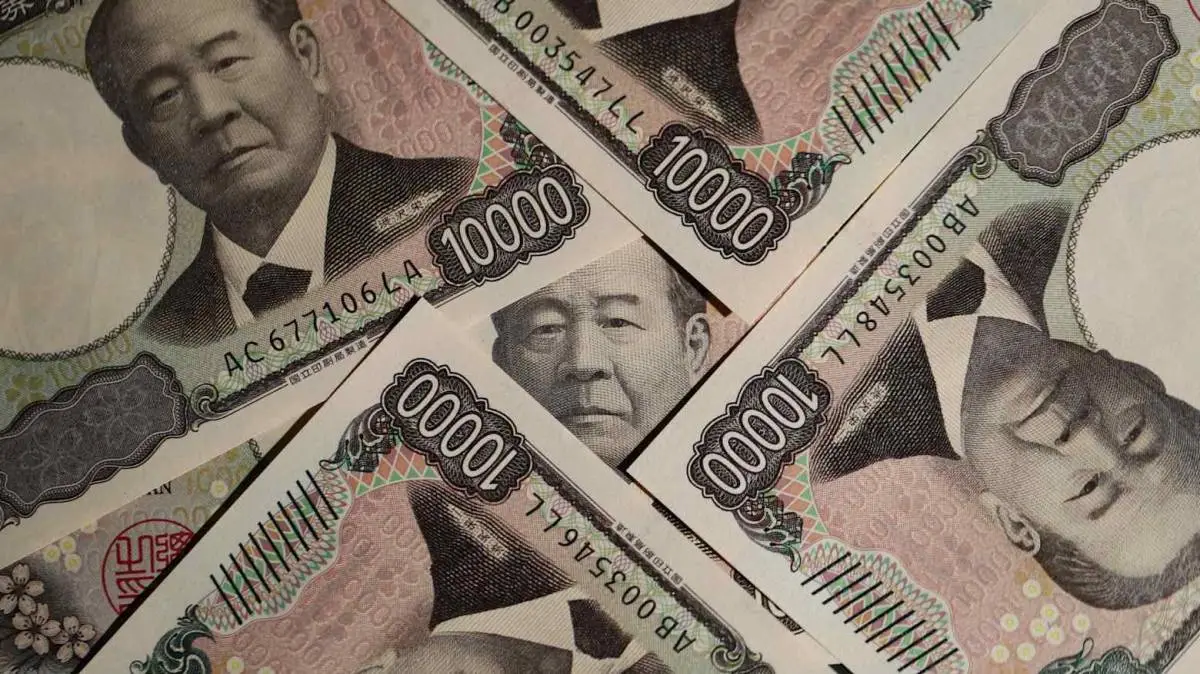
On July 30-31, 2026, Japan and the United States conducted their first coordinated yen-buying operation in 28 years. Japan deployed an estimated JPY8.45 tn (USD53 bn) in a single day — likely the largest currency intervention in history — while the US Treasury sold euros (USD14 bn) to buy yen. The yen jumped from JPY163.73 to JPY155 within hours. By August 7, it had slid back to JPY158.50 — giving back roughly half the gain in one week.
Both Tokyo and Washington vowed to act again. Neither has, yet.
Why Washington Intervened
Tokyo's solo efforts had failed. In April-May alone, Japan spent JPY11.73 tn (USD73 bn) defending the yen — the largest monthly total on record. The gains lasted weeks. By late July, with USD/JPY above JPY163 and the carry trade swollen to its largest position in years, Prime Minister Takaichi's government faced a choice: sharply raise rates (which would force USD500 bn in carry unwinding and crash US equities) or ask for help.
Washington intervened not out of friendship. Japan holds USD1.19 tn in US Treasuries. A solo yen defense would force Tokyo to either hike rates (carrying uncontrollable spillover into US equities) or dump bonds to raise dollars for intervention, pushing US yields higher at a moment when the 10-year had already touched 4.7%. By buying yen itself, the US kept Japan from selling Treasuries. Bessent sold euros, not dollars, to preserve the strong-dollar narrative.
Why the Yen Gave Back Half Its Gains
Intervention and monetary policy are not the same thing. Market analysts were clear: USD53 bn buys time, not direction. The yen's weakness rests on three structural factors — a wide rate gap (Fed ~3.5%, BOJ 1.0%), energy costs inflated by the Iran war, and Takaichi's reflationary spending plans. None of those moved after July 31.
By August 4, CFTC data showed hedge funds had cut their net short yen positions by half to 63,600 contracts — a sharp retreat from 138,000 contracts in late June. But roughly USD500 bn in carry positions remained. UBS and Morgan Stanley both cautioned that the yen needed faster BOJ rate hikes to sustain strength, not just one-off intervention.
Why Markets Should Pay Attention
The carry trade remains one of the largest hidden sources of liquidity in US equities. Anything forcing a carry unwind transmits straight into risk assets — tech equities, emerging-market equities, and EM local-currency debt including Egyptian local-currency instruments — through the same risk-off channel.
A yen that keeps sliding toward JPY160 will trigger another joint intervention. A yen that breaks JPY160 and stays there signals the defense has failed and structural yen weakness has won. Either way, volatility in carry-funded assets is not done.
What Comes Next
Our base case is for:
- The Bank of Japan to hike rates at its September meeting — Ueda has signalled it, and the board is split; a hike would narrow the rate gap and validate the intervention.
- Treasury Secretary Bessent to push Fed Chair Kevin Warsh to expand the FIMA repo facility so Japan can borrow dollars against Treasuries. This requires Fed buy-in, not yet granted.
- A retesting of JPY160 to trigger fresh coordinated intervention, but no durable yen strength without BOJ tightening.
- Carry-funded assets — US tech, equities, EM debt — to remain volatile and sensitive to BOJ communications.
Intervention signals resolve; it does not close the rate gap. The yen's floor is now a BOJ rate hike and an oil price neither Tokyo nor Washington controls. If the BOJ hesitates and energy prices hold, the yen breaks through again.


