
Will the US achieve a soft landing? And will China’s economic growth crash to 3% or less?


Will the US achieve a soft landing? And will China’s economic growth crash to 3% or less?
Yes, in the short term. Inflation has drifted down in a manner that has surprised even the Federal Reserve this year, and growth has remained stronger than most economists expected. Since consumer spending remains robust and wage growth (fairly) well contained, a soft landing could continue for several months. But don’t bet on it lasting throughout 2024. There will be less fiscal support, as Covid-era handouts to households have been consumed. Higher interest rates are sparking bankruptcies, US debt worries are rising and geopolitical stresses are fracturing global trade. That could raise inflation and slow growth. So, within a year, the landing will probably become more painful.
And regarding China’s economic growth question the answer is “No”. The quality of Chinese growth has certainly deteriorated markedly in recent years. The property market, which contributes almost a third of gross domestic product, is slowly imploding. Many local governments are drowning in debt. The Chinese consumer is hesitant.
But GDP growth in 2024 is still set to comfortably exceed 4%— assisted by a medley of debt bailout packages, fiscal stimulus initiatives and other forms of official support. Advances in technology will remain strong.
Will the Israel-Hamas war trigger a full-blown regional conflict? And Will a change of president in Taiwan spark a Chinese attack?

No. The war has sparked violence across the region involving Iranian-backed militant groups. The biggest concern is that border clashes between Hizbollah, the powerful Lebanese movement, and Israeli forces spiral into a full-blown conflict between the two. Benjamin Netanyahu’s government has been clear it can no longer live with Hizbollah fighters camped on the Lebanon-Israel border, but the hope is that diplomatic pressure contains the situation. Neither Washington nor Tehran want a broader regional conflict, even if fighting between Hizbollah and Israel intensifies, but the situation is alarmingly volatile.
Many people inside and outside Taiwan worry more about war these days, thanks to China’s expanding military manoeuvres. The frontrunner in January’s presidential election, the ruling Democratic Progressive party’s Lai Ching-te, also has a very different background to the incumbent Tsai Ing-wen. But Lai has been clear he would follow Tsai’s cautious China policy stance — leaving Beijing with no pretext for an assault. The Chinese leadership under President Xi Jinping still seems to believe, too, that it has a chance to coerce Taiwan into unification without fighting — by stepping up military intimidation, political infiltration, economic lures and international isolation.

Will Donald Trump become US president again? And will Keir Starmer become UK prime minister?
No. But — assuming the recent legal hurdles thrown up against Trump standing in Colorado and Maine are overcome — his campaign against Joe Biden will be the nastiest presidential election in US history. It will be very close run. Trump will be criminally convicted in at least one of his four trials, probably two, before the election, and will present it as political persecution by the “Biden crime family”. Though visibly ageing, Biden will squeak through, more because a narrow majority will be rejecting Trump than endorsing a Biden second term.
It is possible that Keir Starmer become the next UK prime minister, though it is possible the UK election does not happen until January 2025. Rishi Sunak’s Conservatives look divided and exhausted. The number of seats the Labour opposition must win means it could land anywhere between a minority government and the landslide to which opinion polls currently point. But it is extremely hard to see how the prime minister can recover enough support to hold on to power.
Will investors go heavily back into bonds? and will capital markets reopen for IPOs?
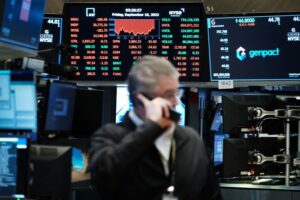
Yes. “Bonds are back” was the biggest bet in markets in 2023, but it was a flop. Scorching inflation and relentless interest rate rises meant that by October, the Bloomberg Barclays Aggregate bond index was down 4%, rekindling memories of a brutal 2022 and frustrating big investors’ efforts to call a bottom. Now, investors believe a slowdown of some sort is coming to the US economy as the lagged effects of interest rate rises finally kick in. With inflation sinking and rate cuts on the horizon, bonds seem a safer bet.
Companies can only put off fundraising for so long, and after a lean spell Wall Street banker need to find a way for more activity to take place. US and European IPO markets have been moribund for two years, but with interest rates peaking and stock markets back near record highs, the environment for dealmaking looks brighter. Still, don’t expect a return to the fundraising frenzy of 2020 and 2021. Rates might be falling, but they are not going back to zero and investors will be paying more attention to profitability and balance sheet strength.

هل تتمكن الولايات المتحدة من تحقيق هبوط سلس؟ وهل ينهار النمو الاقتصادي في الصين إلى 3% أو أقل؟
نعم، على المدى القصير. فقد انجرف التضخم نحو الانخفاض على نحو فاجأ حتى بنك الاحتياطي الفيدرالي هذا العام، وظل النمو أقوى مما توقعه أغلب الاقتصاديين. وبما أن الإنفاق الاستهلاكي لا يزال قوياً ونمو الأجور تحت السيطرة بشكل جيد (إلى حد ما)، فقد يستمر الهبوط الناعم لعدة أشهر. ولكن لا تراهن على استمراره طوال عام 2024. فسوف يكون الدعم المالي أقل، مع استنفاد المعونات المقدمة للأسر في عصر كوفيد. ويؤدي ارتفاع أسعار الفائدة إلى إشعال شرارة حالات الإفلاس، وتتزايد المخاوف بشأن ديون الولايات المتحدة، وتتسبب الضغوط الجيوسياسية في كسر التجارة العالمية. وقد يؤدي ذلك إلى زيادة التضخم وتباطؤ النمو. لذلك، في غضون عام، من المحتمل أن يصبح الهبوط أكثر إيلامًا.
وفيما يتعلق بسؤال النمو الاقتصادي في الصين فإن الإجابة هي "لا". فمن المؤكد أن جودة النمو الصيني تدهورت بشكل ملحوظ في الأعوام الأخيرة. إن سوق العقارات، التي تساهم بحوالي ثلث الناتج المحلي الإجمالي، تنهار ببطء. العديد من الحكومات المحلية تغرق في الديون. المستهلك الصيني متردد. لكن نمو الناتج المحلي الإجمالي في عام 2024 لا يزال من المتوقع أن يتجاوز 4% بشكل مريح - بمساعدة مجموعة متنوعة من حزم إنقاذ الديون، ومبادرات التحفيز المالي، وأشكال أخرى من الدعم الرسمي. وسيظل التقدم التكنولوجي قوياً.
هل تؤدي الحرب بين إسرائيل وحماس إلى صراع إقليمي شامل؟
لا، لقد أثارت الحرب أعمال عنف في جميع أنحاء المنطقة شملت الجماعات المسلحة المدعومة من إيران. ومصدر القلق الأكبر هو أن الاشتباكات الحدودية بين حزب الله، الحركة اللبنانية القوية، والقوات الإسرائيلية، قد تتطور إلى صراع شامل بين الطرفين. وكانت حكومة بنيامين نتنياهو واضحة في أنها لم تعد قادرة على التعايش مع مقاتلي حزب الله المعسكرين على الحدود اللبنانية الإسرائيلية، ولكن الأمل معقود على أن تؤدي الضغوط الدبلوماسية إلى احتواء الموقف. ولا تريد واشنطن ولا طهران صراعاً إقليمياً أوسع نطاقاً، حتى لو اشتد القتال بين حزب الله وإسرائيل، لكن الوضع متقلب إلى حد مثير للقلق.
يشعر العديد من الناس داخل وخارج تايوان بالقلق أكثر هذه الأيام بشأن الحرب، وذلك بفضل المناورات العسكرية الصينية المتزايدة. كما أن المرشح الأوفر حظا في الانتخابات الرئاسية في يناير، وهو لاي تشينج-تي من الحزب التقدمي الديمقراطي الحاكم، يتمتع بخلفية مختلفة تماما عن الرئيسة الحالية تساي إنج وين. لكن لاي كان واضحا في أنه سيتبع موقف تساي الحذر بشأن سياسة الصين، مما يترك بكين دون ذريعة لشن هجوم. ويبدو أن القيادة الصينية في عهد الرئيس شي جين بينج لا تزال تعتقد أيضا أن لديها فرصة لإجبار تايوان على التوحيد دون قتال ــ من خلال تصعيد الترهيب العسكري، والتسلل السياسي، والإغراءات الاقتصادية، والعزلة الدولية.
هل يصبح دونالد ترامب رئيسا للولايات المتحدة مرة أخرى؟ وهل سيصبح كير ستارمر رئيسًا لوزراء المملكة المتحدة؟
لا. ولكن - على افتراض التغلب على العقبات القانونية الأخيرة التي أثيرت أمام ترشح ترامب في ولايتي كولورادو وماين - فإن حملته ضد جو بايدن ستكون الانتخابات الرئاسية الأكثر شرا في تاريخ الولايات المتحدة. سيكون المدى قريبًا جدًا. سيتم إدانة ترامب جنائيا في واحدة على الأقل من محاكماته الأربع، وربما اثنتين، قبل الانتخابات، وسيقدمها على أنها اضطهاد سياسي من قبل "عائلة بايدن الإجرامية". على الرغم من تقدمه في السن بشكل واضح، إلا أن بايدن سوف يتقدم بقوة، وذلك لأن الأغلبية الضيقة سترفض ترامب بدلاً من تأييد ولاية بايدن الثانية.
من المحتمل أن يصبح كير ستارمر رئيس وزراء المملكة المتحدة المقبل، على الرغم من أنه من المحتمل ألا تجرى الانتخابات في المملكة المتحدة حتى يناير 2025. ويبدو المحافظون بقيادة ريشي سوناك منقسمين ومنهكين. إن عدد المقاعد التي يجب أن تفوز بها المعارضة العمالية يعني أنها قد تصل إلى أي مكان بين حكومة أقلية والأغلبية الساحقة التي تشير إليها استطلاعات الرأي حاليا. لكن من الصعب للغاية أن نرى كيف يمكن لرئيس الوزراء استعادة ما يكفي من الدعم للتمسك بالسلطة.
هل سيعود المستثمرون بقوة إلى السندات؟ وهل سيتم إعادة فتح أسواق رأس المال أمام الاكتتابات العامة الأولية؟
نعم. "عودة السندات" كان الرهان الأكبر في الأسواق في 2023، لكنه كان فاشلا. التضخم الشديد والارتفاع المستمر في أسعار الفائدة يعني أنه بحلول أكتوبر، انخفض مؤشر بلومبرج باركليز الإجمالي للسندات بنسبة 4%، مما أعاد إحياء ذكريات عام 2022 القاسي وأحبط جهود كبار المستثمرين للوصول إلى القاع. والآن، يعتقد المستثمرون أن الاقتصاد الأميركي سوف يشهد تباطؤاً من نوع ما مع ظهور التأثيرات المتأخرة الناجمة عن ارتفاع أسعار الفائدة أخيراً. ومع انخفاض التضخم وتخفيض أسعار الفائدة في الأفق، تبدو السندات رهاناً أكثر أماناً.
لا يمكن للشركات أن تؤجل جمع الأموال إلا لفترة طويلة، وبعد فترة من الضعف، يحتاج المصرفيون في وول ستريت إلى إيجاد طريقة للقيام بمزيد من النشاط. كانت أسواق الاكتتابات العامة الأولية في الولايات المتحدة وأوروبا في حالة ركود لمدة عامين، ولكن مع ارتفاع أسعار الفائدة إلى ذروتها وعودة أسواق الأسهم إلى مستويات قريبة من مستويات قياسية، فإن بيئة عقد الصفقات تبدو أكثر إشراقاً. ومع ذلك، لا نتوقع العودة إلى جنون جمع الأموال في عامي 2020 و2021. ربما تنخفض أسعار الفائدة، لكنها لن تعود إلى الصفر، وسيولي المستثمرون المزيد من الاهتمام للربحية وقوة الميزانية العمومية.
Stay up to date
More Newsletter to Check


SUBSCRIBE TO NEWSLETTER
Subscribe to download our daily economics and business roundup


×
![]()