
Uncertainty on Ukraine Continues to Dominate Global News Flow

Uncertainty on Ukraine Continues to Dominate Global News Flow
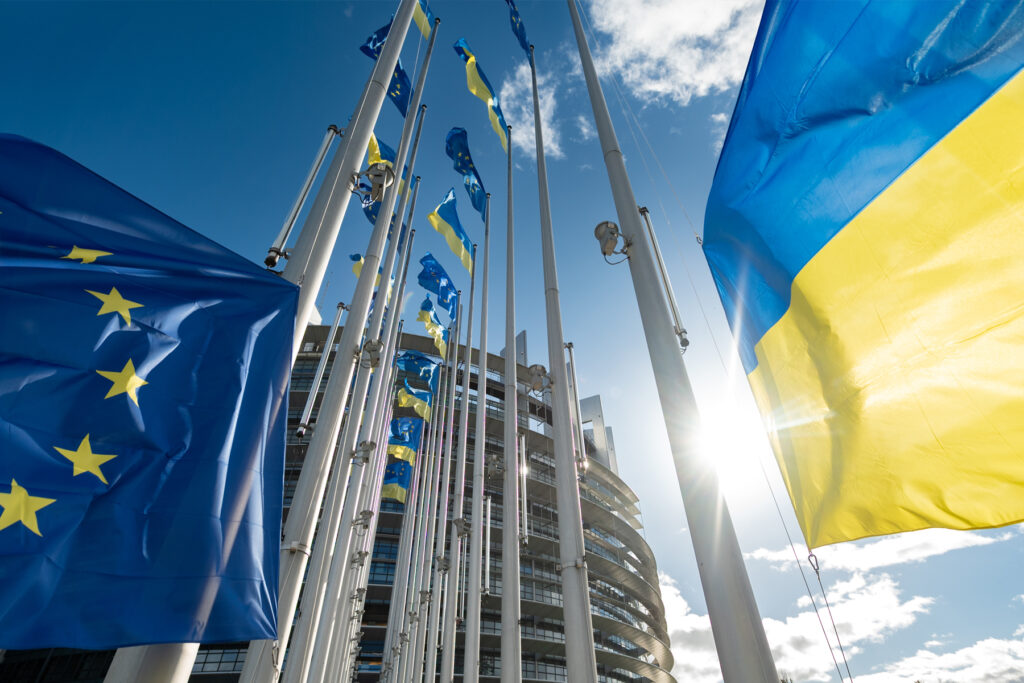
European leaders convened in Brussels this week to reaffirm their commitment to supporting President Volodymyr Zelenskiy. Key discussions focused on easing fiscal constraints to boost defense spending and maximize aid to Ukraine.
The meeting follows a White House decision to temporarily halt U.S. military aid and intelligence sharing with Kyiv— a move that could significantly impact Ukraine’s battlefield strategy. European leaders are also working to mend diplomatic ties between Washington and Kyiv after last Friday’s Oval Office fallout. Meanwhile, French President Emmanuel Macron suggested that France might consider extending its nuclear deterrent to protect European allies, a proposal swiftly condemned by Moscow as “extremely confrontational.”
Despite tensions, officials on both sides of the Atlantic signaled that the “minerals deal” remains under discussion. However, former U.S. President Donald Trump has linked its approval to Ukraine agreeing to a “quick ceasefire” with Russia— a condition that raises serious concerns for Europe. Many see this as jeopardizing Ukraine’s security in the medium term and undermining broader European stability.
In response, Valerii Zaluzhnyi, Ukraine’s former top military commander and current ambassador to the UK, accused the White House of “destroying the world order” and weakening Western unity. His remarks add another layer of complexity to President Zelenskiy’s efforts to rebuild relations with Washington. There is speculation that Zelenskiy, alongside President Macron and British PM Keir Starmer, may attempt to present a unified European peace proposal in a future meeting with Trump.
China’s NPC Sticks to the Script, But Growth Challenges Loom
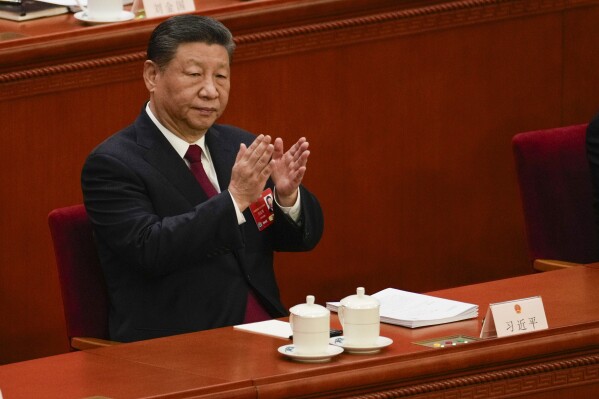
China’s National People’s Congress (NPC) wrapped up without major surprises, setting a 2025 growth target of “around 5%” and signaling a continued focus on economic stabilization. Key policy moves included raising the fiscal deficit from 3% to 4% of GDP, expanding special central and local government bond issuance to 1.3 tn RMB and 4.4 tn RMB, and approving a 2 tn RMB local government bond swap quota. Monetary policy remains moderately loose, with targeted stimulus measures aimed at consumption, pensions, and healthcare.
On the property front, authorities reiterated their December commitment to stabilization, emphasizing urban village renovations and local government purchases of unsold inventory to prevent further downturns.
Recent economic data suggests gradual momentum, with February’s NBS and Caixin PMIs rising to 51.1 and 51.5, respectively. Housing sales for the top 100 developers edged into positive territory, while property prices continued to decline annually but at a slower pace.
However, external headwinds are intensifying. U.S.-China trade tensions escalated after Washington slapped a 20% tariff on all Chinese imports, pushing the average tariff rate above 30%. February’s trade data reflected these pressures, with export growth slowing to 2.3% YoY (down from 5.6% in January), while imports contracted by 8.4% YoY amid weak domestic demand.
Given these challenges, Beijing’s 5% growth target looks increasingly ambitious without additional policy support. Expectations are growing for further stimulus as China navigates a complex mix of global trade friction and domestic economic fragility.
Türkiye Slashes Rates Again as Inflation Cools
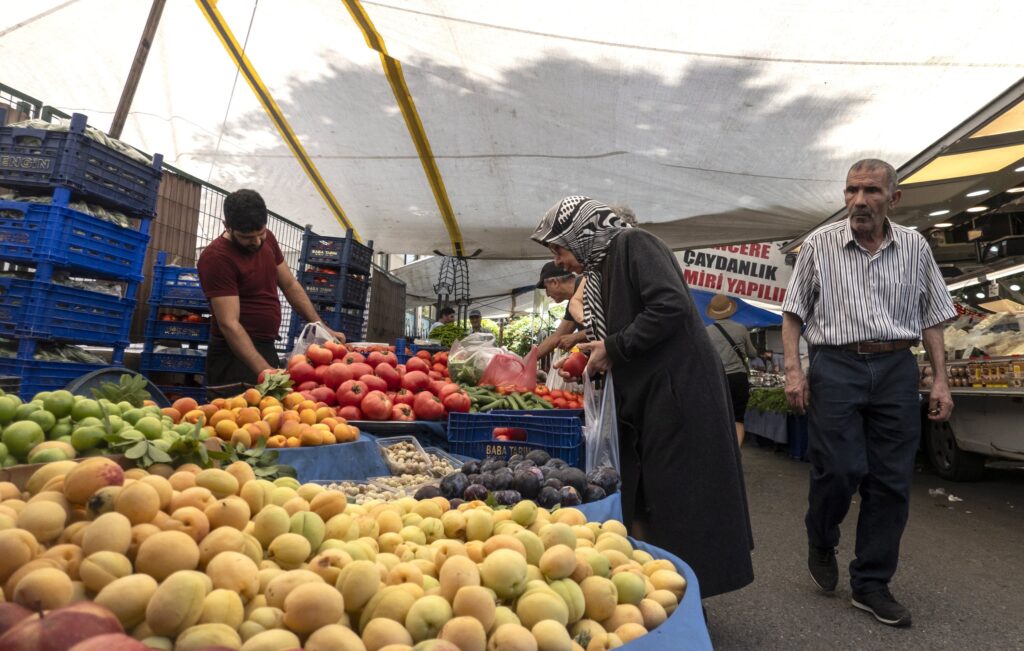
The Central Bank of Türkiye (CBT) cut interest rates by 250 basis points for the third consecutive time this week, bringing the benchmark rate down to 42.5%—a move widely expected by markets.
Meanwhile, inflation data offered a positive surprise. Headline inflation fell below 40% for the first time since mid-2023, coming in at 39.05% for February, beating expectations of 39.9%. On a monthly basis, CPI rose 2.27%, well below January’s 5.03% and the 3.2% recorded in February 2024, reinforcing signs of a solidifying disinflation trend.
With easing inflation, CBT appears positioned to continue its measured monetary easing cycle. Current projections suggest year-end inflation in the 25-30% range, supporting expectations of up to 1000bps in rate cuts throughout the rest of 2025.
However, the CBT remains cautious, ready to adjust policy if inflationary pressures resurface. Economists are also closely watching fiscal policy moves from Finance Minister Mehmet Simsek’s team, as tightening measures could help further anchor inflation expectations.
Against this backdrop, market sentiment remains constructive on local currency sovereign debt, with the government expected to stick to its strategy of gradual nominal depreciation of the lira, ensuring real appreciation over time.
Tariff Tensions Keep Markets on Edge
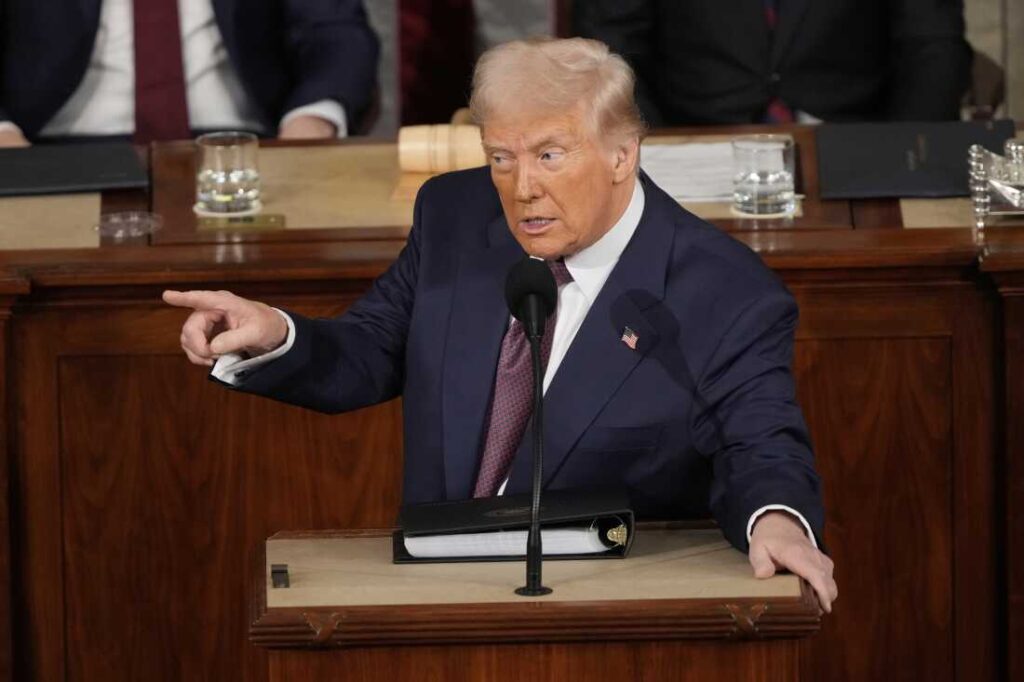
Trade uncertainty flared up again after President Trump slapped fresh tariffs on March 4th, imposing 25% duties on imports from Mexico and Canada and an additional 10% on Chinese imports, pushing the average U.S. tariff on China past 30%. In response, both Canada and China announced targeted retaliatory measures.
However, within 24 hours, the U.S. granted a 30-day exemption for Mexico and Canada’s auto imports. A follow-up call between Presidents Sheinbaum and Trump on March 6th secured a temporary reprieve for all USMCA products from Mexico, with a similar exemption soon extended to Canadian USMCA products. USMCA products refer to goods traded between the United States, Mexico, and Canada under the United States-Mexico-Canada Agreement (USMCA). These products benefit from preferential trade terms, including reduced tariffs and streamlined regulations, as long as they meet the agreement’s rules of origin and compliance requirements. By Friday, however, fresh tariff threats against Canada reignited uncertainty.
FX markets reacted with volatility, as traders weighed the lifespan of tariffs, slowing global growth risks, lower oil prices, and increased European fiscal spending. The result? A weaker DXY and a stronger CNY, while MXN and CAD remained mostly flat despite intra-week swings.
Looking ahead, tariff uncertainty is likely to persist into Q2, keeping market volatility elevated. Mexico’s measured response under President Sheinbaum has so far avoided immediate retaliation, positioning the country for a short-term diplomatic resolution—though a lasting off-ramp will likely hinge on USMCA negotiations.
For Mexico, the near-term risks lean negative, with economic uncertainty weighing on growth prospects. However, Banxico still has room to ease monetary policy, helping cushion the impact. Meanwhile, China may need to ramp up support later in the year to stay on track for its 5% growth target.

BlackRock’s Ports Deal a Win for Panama, But Canal Tensions Loom
BlackRock is making moves. The U.S. asset management giant announced this week that it will lead a consortium to acquire a controlling stake in CK Hutchison, the Hong Kong-based firm operating ports across 23 countries, including two key ports near the Panama Canal. The deal follows mounting U.S. pressure on Panama to limit Chinese influence over the canal, a concern that has been a top priority for President Trump.
The transaction is a net positive for Panama on two fronts. First, it gives President Trump a win on a high-profile issue, potentially easing diplomatic pressure on Panama. Second, it avoids legal and investor uncertainty by taking place through a market-driven transaction, steering clear of the property rights and rule-of-law concerns that rattled investors when Panama revoked First Quantum’s mining contract in 2023.
Despite the ports deal, Trump’s recent remarks make it clear: he still has his sights set on the Panama Canal. His suggestion of “taking back” control raises the risk of geopolitical turbulence, as any U.S. action would violate the 1977 Panama Canal Treaty signed by President Jimmy Carter—a move that would spark global trade disruptions and political backlash.
For Panama’s President José Raúl Mulino, Trump’s claims of treaty violations present a high-stakes challenge. While he fired back on X, calling Trump’s statement a lie, failing to publicly defend Panama’s sovereignty could erode domestic support at a time when his government is already under pressure to push through social security reform and protect Panama’s investment-grade credit rating from Moody’s and S&P.
The BlackRock deal is a much-needed boost for Panama, but uncertainty around the canal remains a major geopolitical headwind.

استمرار حالة عدم اليقين بشأن أوكرانيا تهيمن على المشهد العالمي
اجتمع القادة الأوروبيون في بروكسل هذا الأسبوع لتجديد التزامهم بدعم الرئيس فولوديمير زيلينسكي، حيث تركزت المناقشات حول تخفيف القيود المالية لتعزيز الإنفاق الدفاعي وزيادة المساعدات المقدمة لأوكرانيا.
يأتي هذا الاجتماع بعد قرار البيت الأبيض تعليق المساعدات العسكرية الأمريكية ومشاركة المعلومات الاستخباراتية مع كييف مؤقتًا، وهي خطوة قد يكون لها تأثير كبير على استراتيجية أوكرانيا العسكرية. كما يعمل القادة الأوروبيون على إصلاح العلاقات الدبلوماسية بين واشنطن وكييف بعد التوترات الأخيرة في البيت الأبيض.
في سياق متصل، أشار الرئيس الفرنسي إيمانويل ماكرون إلى احتمال توسيع نطاق الردع النووي الفرنسي لحماية الحلفاء الأوروبيين، وهو اقتراح قوبل بإدانة سريعة من موسكو، التي وصفته بأنه "تحرك تصعيدي خطير".
وعلى الرغم من التوترات، أكد المسؤولون على جانبي الأطلسي أن الاتفاق المتعلق بالمعادن الاستراتيجية لا يزال قيد المناقشة. ومع ذلك، ربط الرئيس الأمريكي السابق دونالد ترامب الموافقة على الاتفاق بموافقة أوكرانيا على "وقف إطلاق نار سريع" مع روسيا، وهو شرط يثير مخاوف أوروبية جدية بشأن الأمن الأوكراني واستقرار أوروبا على المدى المتوسط.
في المقابل، اتهم فاليري زالوجني، القائد العسكري الأوكراني السابق والسفير الحالي لدى المملكة المتحدة، البيت الأبيض بـ"تدمير النظام العالمي" وإضعاف وحدة الغرب، مما يزيد من تعقيد جهود زيلينسكي لإصلاح العلاقات مع واشنطن. وترددت تكهنات بأن زيلينسكي، جنبًا إلى جنب مع ماكرون ورئيس الوزراء البريطاني كير ستارمر، قد يسعون إلى تقديم مقترح سلام أوروبي موحد خلال اجتماع مستقبلي مع ترامب.
المؤتمر الوطني الصيني يلتزم بالنهج المعتاد، لكن تحديات النمو تلوح في الأفق
اختتم المؤتمر الوطني لنواب الشعب الصيني (NPC) أعماله دون مفاجآت كبيرة، حيث حدد هدف النمو لعام 2025 عند "حوالي 5%"، مع تأكيد على استمرار التركيز على استقرار الاقتصاد. تضمنت الإجراءات الرئيسية رفع عجز الموازنة من 3% إلى 4% من الناتج المحلي الإجمالي، وتوسيع إصدارات السندات المركزية والمحلية الخاصة إلى 1.3 تريليون يوان و4.4 تريليون يوان، إلى جانب الموافقة على حصة استبدال سندات الحكومات المحلية بقيمة 2 تريليون يوان. كما حافظت السياسة النقدية على توجهها التيسيري المعتدل، مع إجراءات تحفيزية مستهدفة في قطاعات الاستهلاك، المعاشات التقاعدية، والرعاية الصحية.
في قطاع العقارات، جددت السلطات التزامها بسياسة الاستقرار التي أعلنت عنها في ديسمبر الماضي، مع التركيز على تجديد القرى الحضرية وشراء الحكومات المحلية للمخزون غير المباع، لمنع مزيد من التراجع في السوق. وتشير البيانات الاقتصادية الأخيرة إلى تعافٍ تدريجي، حيث ارتفعت مؤشرات مديري المشتريات (PMI) لشهري فبراير الصادرة عن NBS وكايشين إلى 51.1 و51.5 على التوالي. كما عادت مبيعات أكبر 100 مطور عقاري إلى المنطقة الإيجابية، في حين استمرت أسعار العقارات في التراجع على أساس سنوي، ولكن بوتيرة أبطأ.
رغم ذلك، تتزايد الضغوط الخارجية. فقد تصاعدت التوترات التجارية بين الولايات المتحدة والصين بعد أن فرضت واشنطن تعريفة جمركية بنسبة 20% على جميع الواردات الصينية، مما دفع المتوسط العام للرسوم الجمركية إلى أكثر من 30%. وأظهرت بيانات التجارة لشهر فبراير انعكاس هذه الضغوط، حيث تباطأ نمو الصادرات إلى 2.3% على أساس سنوي (مقارنة بـ 5.6% في يناير)، بينما انخفضت الواردات بنسبة 8.4% بسبب ضعف الطلب المحلي.
في ظل هذه التحديات، يبدو أن تحقيق هدف النمو عند 5% يتطلب مزيدًا من الدعم السياسي والاقتصادي. وتتزايد التوقعات باتخاذ إجراءات تحفيزية إضافية مع محاولة بكين الموازنة بين الاحتكاكات التجارية العالمية والهشاشة الاقتصادية الداخلية.
تركيا تواصل خفض الفائدة مع تباطؤ التضخم
واصل البنك المركزي التركي (CBT) سياسته التيسيرية، مخفضًا أسعار الفائدة بمقدار 250 نقطة أساس للمرة الثالثة على التوالي هذا الأسبوع، ليصل سعر الفائدة القياسي إلى 42.5%، في خطوة توافقت مع توقعات الأسواق.
في الوقت ذاته، جاءت بيانات التضخم إيجابية بشكل مفاجئ، حيث تراجع معدل التضخم السنوي إلى 39.05% في فبراير، وهو أدنى مستوى له منذ منتصف 2023، متجاوزًا التوقعات التي أشارت إلى 39.9%. وعلى أساس شهري، ارتفع مؤشر أسعار المستهلك (CPI) بنسبة 2.27%، وهو أقل بكثير من 5.03% المسجلة في يناير و3.2% في فبراير 2024، مما يعزز إشارات ثبات اتجاه التباطؤ التضخمي.
مع استمرار تراجع التضخم، يبدو أن البنك المركزي التركي مستعد لمواصلة دورة التيسير النقدي التدريجي. وتشير التوقعات الحالية إلى أن التضخم قد ينخفض إلى نطاق 25-30% بنهاية 2025، مما يدعم احتمالية خفض إضافي يصل إلى 1000 نقطة أساس خلال العام.
ومع ذلك، يظل البنك المركزي متحفظًا، مستعدًا لإعادة ضبط السياسة النقدية إذا عادت الضغوط التضخمية للظهور. كما يراقب الاقتصاديون عن كثب الإجراءات المالية لفريق وزير المالية محمد شيمشك، حيث إن تشديد السياسة المالية قد يساعد في تثبيت توقعات التضخم بشكل أكبر.
في ظل هذه التطورات، تحافظ الأسواق على نظرة إيجابية تجاه أدوات الدين السيادية المقومة بالليرة، مع توقعات بأن الحكومة ستواصل استراتيجيتها في السماح بتراجع اسمي تدريجي للعملة، لضمان تحقيق ارتفاع حقيقي في قيمتها بمرور الوقت.
التوترات التجارية تعيد الأسواق إلى حالة عدم اليقين
عادت حالة عدم اليقين التجاري إلى الواجهة بعد أن فرض الرئيس الأمريكي دونالد ترامب رسومًا جمركية جديدة في 4 مارس، شملت تعريفة بنسبة 25% على الواردات من المكسيك وكندا، و10% إضافية على الواردات الصينية، مما دفع المتوسط العام للرسوم الأمريكية على الصين إلى أكثر من 30%. وردًا على ذلك، أعلنت كل من كندا والصين إجراءات انتقامية محددة.
لكن خلال 24 ساعة، منحت واشنطن إعفاءً مؤقتًا لمدة 30 يومًا لواردات السيارات من المكسيك وكندا. وأجرى الرئيس المكسيكي كلوديا شينباوم مكالمة متابعة مع ترامب في 6 مارس، مما أدى إلى تعليق مؤقت لجميع المنتجات المشمولة باتفاقية USMCA القادمة من المكسيك، مع تمديد الإعفاء لاحقًا للمنتجات الكندية. ومع ذلك، عادت التهديدات الجمركية ضد كندا بحلول يوم الجمعة، مما أعاد حالة التوتر إلى الأسواق.
شهدت أسواق الصرف الأجنبي (FX) تقلبات حادة مع تقييم المستثمرين لتداعيات الرسوم الجمركية، تباطؤ النمو العالمي، تراجع أسعار النفط، وزيادة الإنفاق المالي في أوروبا. وكانت النتيجة ضعف مؤشر الدولار (DXY) وقوة اليوان الصيني (CNY)، بينما بقيت البيزو المكسيكي (MXN) والدولار الكندي (CAD) مستقرين نسبيًا رغم التذبذبات خلال الأسبوع.
وبالنظر إلى المستقبل من المتوقع أن تستمر حالة عدم اليقين بشأن الرسوم الجمركية في الربع الثاني من 2025، مما سيحافظ على تقلب الأسواق. وقد تمكنت المكسيك حتى الآن من تجنب رد انتقامي فوري بفضل نهج متزن من الرئيسة شينباوم، مما يعزز فرص حل دبلوماسي مؤقت—لكن أي تسوية دائمة ستعتمد على مفاوضات USMCA.
أما بالنسبة للمكسيك، فإن المخاطر على المدى القريب تميل إلى السلبية، حيث تؤثر حالة عدم اليقين الاقتصادي على آفاق النمو. ومع ذلك، لا يزال لدى بنك المكسيك (Banxico) مجال لتيسير السياسة النقدية، مما قد يخفف من تأثير التوترات. في المقابل، قد تحتاج الصين إلى زيادة التحفيز الاقتصادي في وقت لاحق من العام لضمان تحقيق هدف النمو البالغ 5%.
صفقة بلاك روك للموانئ تعزز موقف بنما.. لكن التوترات حول القناة لا تزال قائمة
تواصل بلاك روك توسيع نفوذها، حيث أعلنت عملاقة إدارة الأصول الأمريكية هذا الأسبوع عن قيادتها تحالفًا للاستحواذ على حصة مسيطرة في CK Hutchison، الشركة المتمركزة في هونغ كونغ والتي تدير موانئ في 23 دولة، بما في ذلك ميناءان استراتيجيان بالقرب من قناة بنما. تأتي هذه الصفقة في ظل تصاعد الضغوط الأمريكية على بنما للحد من النفوذ الصيني في القناة، وهو ملف يحظى بأولوية قصوى لدى الرئيس دونالد ترامب.
الصفقة تمثل مكسبًا مزدوجًا لبنما. فمن ناحية، تمنح ترامب انتصارًا دبلوماسيًا في قضية حساسة، مما قد يخفف الضغوط السياسية على الحكومة البنمية. ومن ناحية أخرى، يتم تنفيذ الصفقة عبر آلية سوقية منظمة، ما يجنب المستثمرين حالة عدم اليقين القانوني التي نشأت في 2023 عندما ألغت بنما عقد التعدين الخاص بشركة First Quantum، مما أثار قلق الأسواق بشأن حماية حقوق الملكية وسيادة القانون.
لكن رغم ذلك، لا تزال تصريحات ترامب الأخيرة بشأن قناة بنما تثير القلق، حيث أشار إلى إمكانية "استعادة السيطرة" على القناة، مما يزيد من مخاطر اضطرابات جيوسياسية. أي تحرك أمريكي في هذا الاتجاه سيشكل انتهاكًا لمعاهدة 1977 الخاصة بقناة بنما، التي وقعها الرئيس جيمي كارتر، مما قد يؤدي إلى اضطرابات في التجارة العالمية وردود فعل سياسية حادة.
بالنسبة لرئيس بنما خوسيه راؤول مولينو، فإن تصريحات ترامب بشأن انتهاك المعاهدة تضعه أمام تحدٍ دبلوماسي كبير. ورغم أنه رد على منصة X بوصف تصريحات ترامب بـ"الكاذبة"، فإن عدم اتخاذ موقف قوي في الدفاع عن سيادة بنما قد يضعف موقفه داخليًا، خاصة في وقت يواجه فيه ضغوطًا لتمرير إصلاحات الضمان الاجتماعي وحماية تصنيف الاستثمار الائتماني لبنما لدى موديز وS&P.
في حين أن صفقة بلاك روك توفر دفعة إيجابية لبنما، إلا أن الغموض حول مستقبل القناة يظل أحد أكبر التحديات الجيوسياسية التي تواجه البلاد.
Stay up to date
More Newsletter to Check


SUBSCRIBE TO NEWSLETTER
Subscribe to download our daily economics and business roundup


×
![]()