
U.S. Shifts Trade Policy, Adding to Market Volatility and Global Uncertainty

U.S. Shifts Trade Policy, Adding to Market Volatility and Global Uncertainty
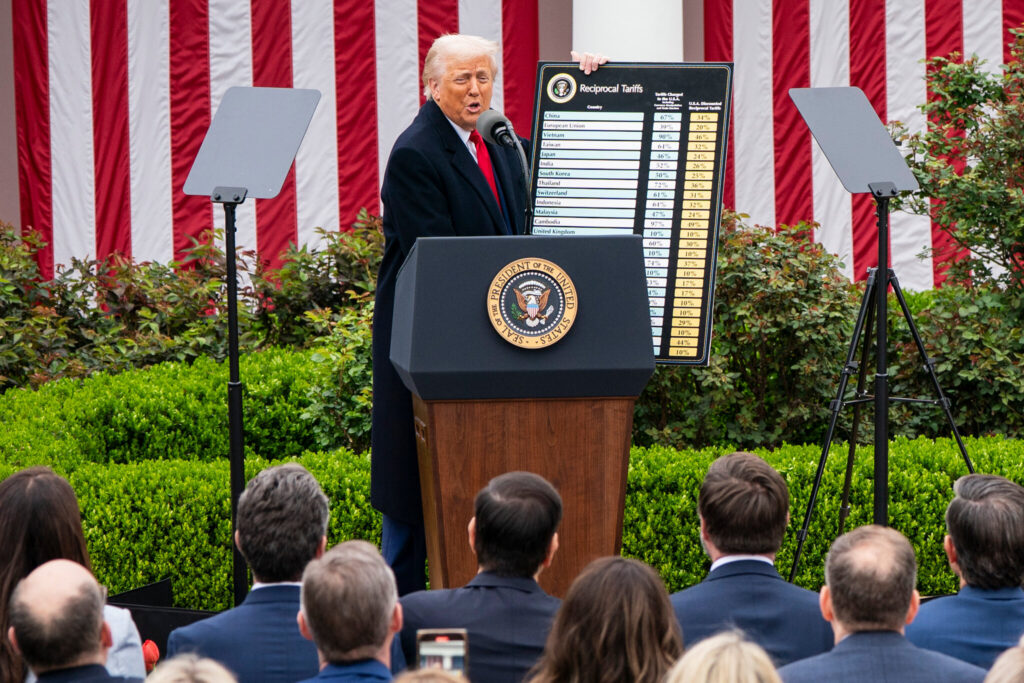
President Trump unveiled a new round of reciprocal tariffs ranging between 10% and 50% on various countries, reaffirming earlier plans for global tariffs on automobiles and auto parts. As a result, the average effective tariff in the U.S. may climb to around 25%. In emerging markets, the harshest tariffs were imposed on imports from Asia—especially China and Vietnam—while those from Latin America were treated more leniently. Concerns over slower growth caused a sell-off in U.S. stocks, weakening the dollar. Meanwhile, European stocks and the euro strengthened, despite the EU facing a 20% tariff, which helped cushion emerging market currencies. By week’s end, China responded with a proportional 34% tariff on U.S. imports and introduced additional measures such as export controls, anti-dumping investigations, and import bans on U.S. poultry. China also labeled U.S. defense firms as “unreliable entities.” This major pivot toward protectionism by the U.S. undermines globalization and raises the risk of a recession. The effects—both direct and indirect—are complex and unpredictable, as many variables are at play. Whether the dollar continues to weaken depends on how severe and prolonged U.S. economic weakness becomes, and whether other regions can compensate for the slowdown. Smaller open economies with limited policy flexibility are among the most at risk. In China, policymakers are expected to step in with more support to maintain the roughly 5% growth goal, though they face long-term structural challenges. While Mexico has not been hit with new reciprocal tariffs, its deep economic ties to the U.S. and earlier tariff measures continue to weigh on its growth outlook. For now, Mexico’s central bank still has room to cut rates, thanks to high real interest rates and a weak dollar. Markets will be watching closely for new tariffs on specific sectors following ongoing investigations and retaliatory moves. Attention will also shift to any negotiation paths that might reduce tariffs, although mutual distrust between the U.S. and its trading partners remains high. China’s latest countermeasures mark a more aggressive stance compared to its earlier, more measured response. The risks of further escalation remain high. Among affected nations, Mexico is still seen as best positioned for a negotiated resolution, given its USMCA protections and the upcoming agreement review. However, the road ahead is expected to remain bumpy and uncertain.
Markets in Meltdown: Asia Plunges as Tariff Shock Sparks Global Panic
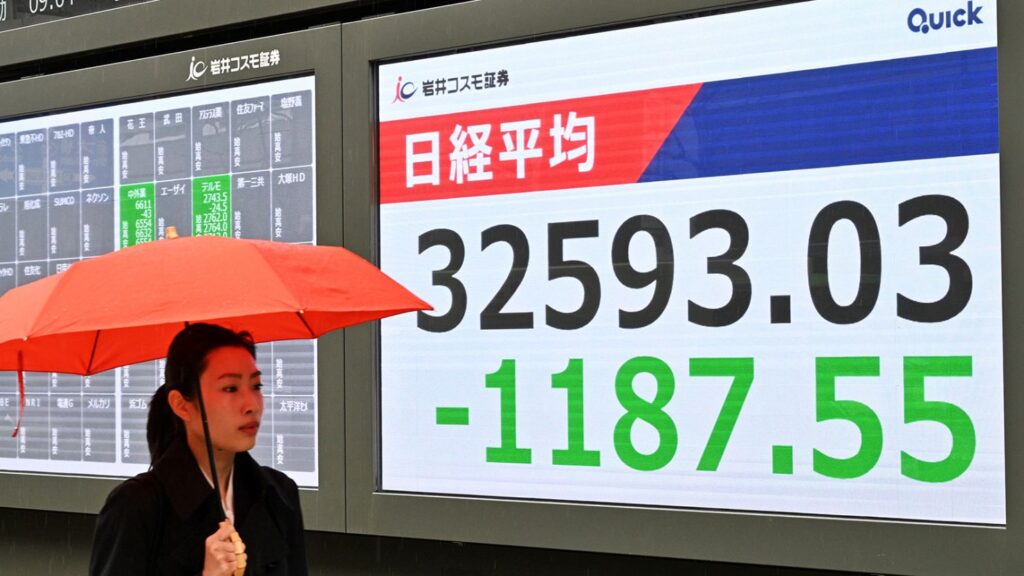
Asian markets nosedived on Monday after top U.S. officials strongly defended the Trump administration’s sweeping tariffs. China’s CSI 300 index dropped by 5.8% early in the day, while Japan’s Nikkei 225 plunged by 6.3%. Major Chinese tech firms weren’t spared—Alibaba and Tencent both lost over 11%. In Taiwan, trading in TSMC and Foxconn was suspended due to a dramatic sell-off. Meanwhile, Treasury Secretary Scott Bessent tried to calm nerves, calling last week’s plunge in American equities a “short-term” reaction. Global markets have been rocked by one of the fastest sell-offs in history, triggered by President Trump’s shock tariff announcement on Wednesday. The S&P 500 fell by more than 10% in just two days—its sharpest drop since the market chaos of March 2020, during the early days of the COVID-19 pandemic. Economists at JPMorgan Chase are now forecasting a U.S. recession this year. Unless there’s relief before the next wave of tariffs hits on April 9th, more volatility is expected. The Federal Reserve now finds itself in a tough spot: balancing a slowdown in growth with rising import prices. The dual mandate—to curb inflation and keep unemployment low—is becoming harder to achieve. Investors hoping for a quick rate cut from the Fed may end up disappointed.
Five Fed Cuts? Markets Say It’s Coming
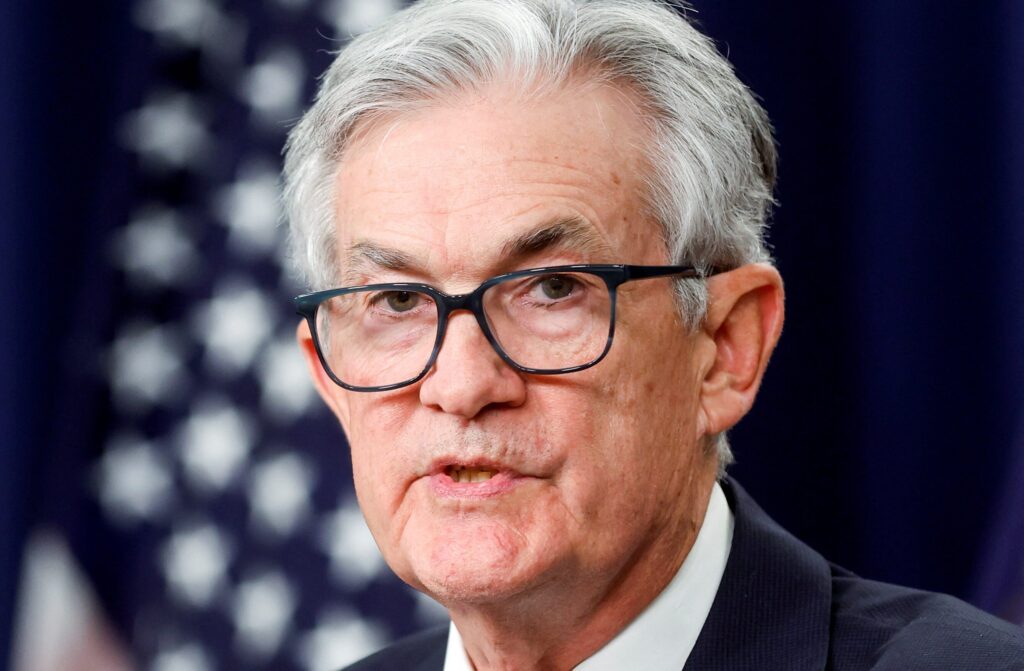
Traders are increasingly convinced that the Federal Reserve will have to slash interest rates five more times this year, as recession fears mount following the U.S. administration’s aggressive tariff campaign. Markets are now pricing in 125 basis points of easing—equivalent to five quarter-point rate cuts—compared to just three cuts anticipated last week. This sudden shift reflects rising global anxiety, with President Trump showing no signs of softening his stance on trade. On Sunday, he doubled down, urging reporters to “forget markets for a second.” Investors are rushing out of risk assets and piling into bonds, pushing yields down sharply. The yield on the U.S. two-year bond—a key barometer for rate expectations—plunged 22 basis points on Monday alone, to 3.43%, and is now down 50 basis points since Trump’s tariff shock last Wednesday. There’s no good news. Markets are getting ugly. It is worthy to mention that without a major shift in policy—either from the White House or the Fed—more economic and financial pain is on the horizon.
Gulf IPO Stars Face Reality Check as Earnings Misses Shake Investor Confidence
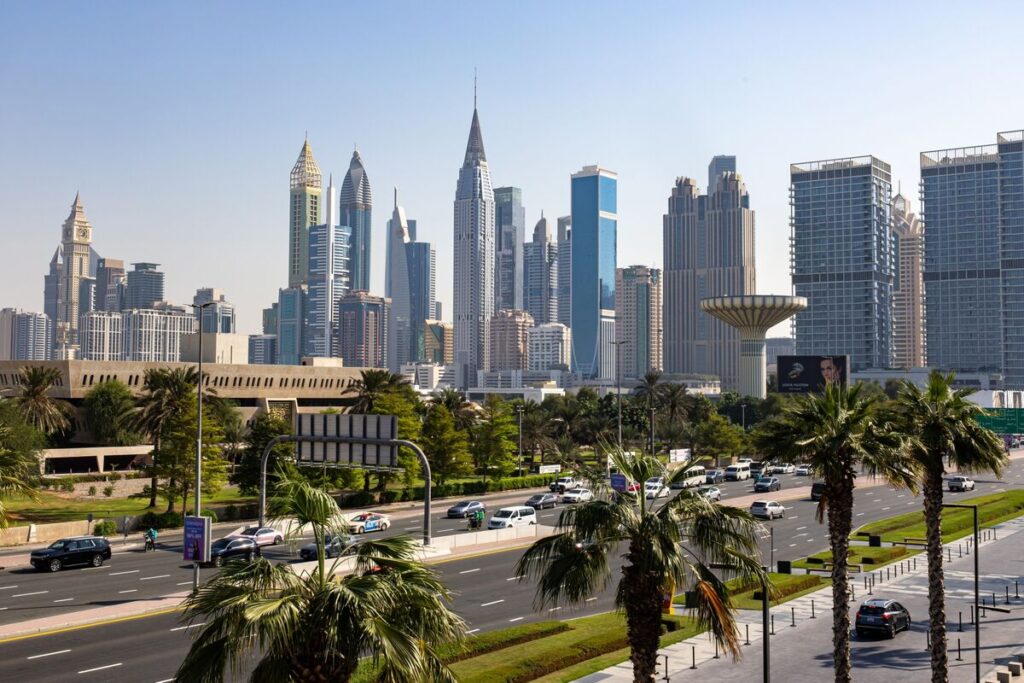
Middle Eastern companies that surged during the region’s IPO boom are now under pressure after failing to meet earnings expectations. Once celebrated market debuts are beginning to unravel as investors grow wary of inflated valuations. The Gulf, a hotspot for IPOs in recent years, is witnessing a trend of high-profile listings struggling in early trading. Investor pushback is growing, driven by dissatisfaction with companies that fail to meet ambitious revenue and profit targets. This frustration is now translating into sell-offs, increasing market volatility. A clear example is Lulu Retail Holdings, the UAE-based hypermarket chain backed by major sovereign funds like Singapore’s GIC. Despite pulling off the UAE’s second-largest IPO of 2024, Lulu’s shares have tumbled over 30% below their IPO price after disappointing results in its first earnings report as a listed company. Similarly, Saudi online retailer Nice One Beauty saw its stock give up much of its 30% first-day gain after missing financial targets, highlighting the consequences of overpromising and underdelivering. Despite some progress, many newly listed Gulf firms still fall short in investor relations. Some companies even avoid investor calls to escape tough questions, which limits transparency and deters institutional investors. A lack of early preparation in investor engagement—often beginning only months before listing—leaves companies ill-equipped to manage public scrutiny. This leads to an investor base dominated by retail participants with short-term focus, rather than long-term institutional investors who could support the company’s growth journey.
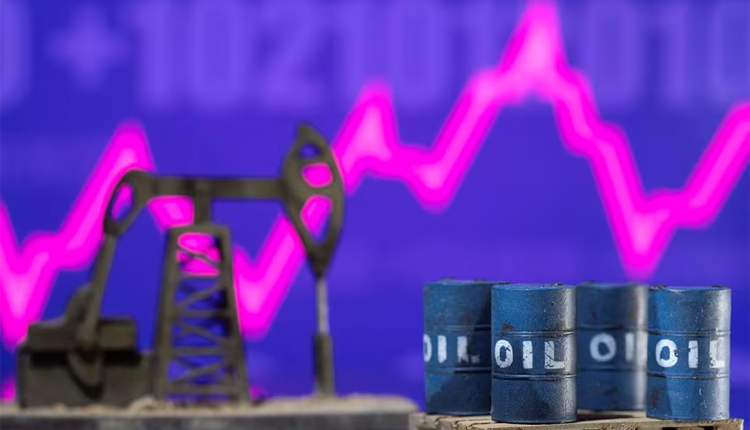
Oil Prices Crash Below USD 60 Amid Saudi Price Cuts and Global Market Turmoil
Oil prices have plunged sharply, with the U.S. benchmark dipping below USD 60 a barrel — the third major drop in a short span. The decline was fueled by Saudi Arabia’s aggressive price cuts for its flagship Arab Light crude to Asia, marking the largest reduction since 2022, just days after OPEC+ unexpectedly hiked output. This dramatic move by Riyadh has amplified fears of oversupply at a time when global demand is weakening due to recession worries, trade tensions, and tighter financial conditions. Analysts say the combination of weaker demand and stronger supply is unsettling investors. The price crash is already hitting producers hard. BP shares have fallen up to 20% in just three sessions, and shale oil companies in the U.S. have been battered. Saudi Arabia, which needs oil at USD 90 to balance its budget, could face significant fiscal pressure if prices remain low. Beyond immediate prices, WTI contracts for next year are trading near USD 58, while Brent futures dropped below USD 63, losing over 10% last week. Some traders are betting on further declines, with bearish options on Brent futures hitting record highs. Financial markets are also rattled. President Trump’s trade policies have triggered fears of slower global growth, weighing on equities and energy demand alike. Investment banks such as Goldman Sachs and Morgan Stanley have downgraded their oil outlooks — for the second time in a week. Despite the price slump, some sectors like transport and airlines may benefit from cheaper fuel. But overall, the sudden drop in oil reflects growing unease over a potential global downturn and uncertainty in energy markets.

أمريكا بتقلب موازين التجارة… وتقلبات السوق وعدم اليقين بيرتفعوا
الرئيس ترامب أعلن عن تطبيق جمارك تبادلية جديدة بتتراوح بين 10% و50% على دول كتير، وأكد كمان على الرسوم الجمركية العامة اللي كان أعلن عنها قبل كده على العربيات وقطع الغيار. ده ممكن يرفع متوسط التعريفة الجمركية الفعلية في الاقتصاد الأمريكي لحوالي 25%. في الأسواق الناشئة، الرسوم كانت الأشد على الواردات من آسيا، خصوصًا الصين وفيتنام، وكانت أقل شدة على واردات أمريكا اللاتينية. المخاوف من تباطؤ النمو خلت البورصة الأمريكية تتراجع والدولار يضعف. في المقابل، الأسهم الأوروبية واليورو ارتفعوا، حتى رغم فرض رسوم 20% على الاتحاد الأوروبي، وده ساعد شوية في تخفيف الضغط على عملات الأسواق الناشئة. في نهاية الأسبوع، الصين ردت بفرض رسوم 34% على واردات من أمريكا، وكمان خدت خطوات تانية زي فرض قيود على التصدير، وفتح تحقيقات ضد الإغراق، وحظر استيراد الدواجن الأمريكية. وأضافت شركات الدفاع الأمريكية لقائمة “الكيانات غير الموثوقة”. التحوّل الكبير ده في السياسة التجارية الأمريكية تجاه الحماية التجارية بيعتبر ضربة للعولمة، وبيزود احتمالات دخول الاقتصاد الأمريكي في ركود. حالة عدم اليقين كبيرة، والتأثيرات مش دايمًا واضحة أو مباشرة، عشان في عوامل كتير بتتحرك في نفس الوقت. استمرار ضعف الدولار هيتحدد على حسب مدى ضعف الاقتصاد الأمريكي ومدته، وهل باقي العالم يقدر يعوض تأثير التباطؤ ده ولا لأ. الدول الصغيرة واللي عندها مساحة محدودة للسياسات الاقتصادية هي الأكثر تأثرًا. أما في الصين، فمتوقع إن الحكومة تزود الدعم للحفاظ على هدف النمو القريب من 5%، رغم التحديات الهيكلية اللي لسه مستمرة. أما المكسيك، ورغم إنها مش ضمن الدول اللي اتفرض عليها رسوم جديدة، إلا إن ارتباطها القوي بالاقتصاد الأمريكي – اللي شكله هيتباطأ – بجانب الرسوم السابقة، بيضغط على توقعات النمو عندهم. ولسه البنك المركزي هناك عنده مساحة يخفض الفائدة بسبب ارتفاع الفائدة الحقيقية وضعف الدولار. الأسواق هتتابع أي جمارك جديدة على قطاعات معينة بعد انتهاء التحقيقات، وكمان أي خطوات انتقامية من الدول التانية. في تركيز كمان على احتمالات وجود مفاوضات تقلل الجمارك، بس مستوى الثقة بين أمريكا والدول المتأثرة مش عالي. رد الصين الأخير يعتبر تصعيد مقارنة بردها المحدود الأول، وده بيزود احتمالات التصعيد أكتر. وبالرغم من كده، لسه المكسيك تعتبر في أفضل وضع ممكن تلاقي فيه مخرج تفاوضي، بفضل استثنائها في اتفاقية USMCA والتجديد المرتقب ليها. بس الطريق لسه مش واضح ومليان ضبابية معدلات الفائدة دون تغيير. يترقب المستثمرون الآن تحركات البنوك المركزية والتطورات السياسية التي قد تؤثر على الأسواق في الفترة المقبلة.
أسواق آسيا تنهار… وصدمات الرسوم الأمريكية تشعل الفوضى العالمية
الأسواق الآسيوية شهدت تراجع حاد يوم الاثنين، بعد ما كبار المسؤولين في إدارة ترامب دافعوا بشدة عن فرض رسوم جمركية ضخمة. مؤشر CSI 300 الصيني هبط 5.8% في بداية الجلسة، ومؤشر نيكاي 225 الياباني فقد 6.3%. سهمي “علي بابا” و”تينسنت”، وهما من أكبر شركات التكنولوجيا في الصين، خسروا أكتر من 11%. وفي تايوان، تم تعليق التداول على سهمي “تي إس إم سي” و”فوكسكون” بعد موجة بيع عنيفة. في محاولة لطمأنة الأسواق، قال وزير الخزانة الأمريكي سكوت بيسينت إن الانخفاضات الحادة في وول ستريت الأسبوع اللي فات كانت “رد فعل قصير المدى”. الأسواق العالمية دخلت في واحدة من أسرع موجات البيع في التاريخ، بعد إعلان ترامب الصادم عن الرسوم الجمركية يوم الأربعاء. مؤشر S&P 500 انخفض بأكثر من 10% خلال يومين، وده أكبر هبوط من مارس 2020 وقت أزمة كورونا. دلوقتي، خبراء الاقتصاد في جي بي مورغان بيتوقعوا دخول الاقتصاد الأمريكي في ركود خلال السنة دي. ولو ما حصلش أي انفراجة قبل يوم 9 أبريل، وقت ما هتترفع الرسوم لأعلى مستوياتها، فالتقلبات ممكن تزيد أكتر. البنك الفيدرالي الأمريكي دلوقتي في موقف لا يُحسد عليه، بين تباطؤ النمو من ناحية، وارتفاع أسعار الواردات من ناحية تانية. مهمته المزدوجة—تقليل البطالة والحفاظ على التضخم قرب 2%—بقت أصعب من أي وقت. والمستثمرين اللي كانوا متأملين في خفض سريع للفائدة ممكن يتفاجئوا بعدم حدوثه.
خمسة تخفيضات في أسعار الفائدة من الاحتياطي الفيدرالي؟ الأسواق تتوقع ذلك
المستثمرين بقوا مقتنعين إن الفيدرالي الأمريكي هيضطر يخفض الفايدة 5 مرات كمان السنة دي، بعد تصاعد مخاوف الركود بسبب الرسوم الجمركية العنيفة اللي أعلنتها إدارة ترامب. الأسواق بتسعر دلوقتي خفض بواقع 125 نقطة أساس – يعني 5 مرات خفض بربع نقطة – بعد ما كانوا متوقعين 3 مرات بس الأسبوع اللي فات. التحول السريع ده بيعكس حالة الذعر اللي بتجتاح الأسواق العالمية، خصوصًا إن الرئيس ترامب مصر يكمل في نهج التصعيد التجاري، وقالها صريحة للصحفيين: “انسوا الأسواق شوية”. المستثمرين بيهربوا من الأصول الخطرة وبيشتروا السندات، وده ضغط عوائد السندات بقوة. العائد على سندات أمريكا لأجل سنتين – واللي حساس جدًا لتغيرات السياسة النقدية – نزل 22 نقطة أساس يوم الاثنين لوحده، ووصل لـ3.43%، وبقى نازل حوالي 50 نقطة من لحظة إعلان الرسوم يوم الأربعاء اللي فات. لا يوجد بوادر لأخبار مطمئنة، فالأسواق بتزداد سوءًا. وجدير بالذكر، إن السوق ينتظر تحول كبير في السياسات، سواء من البيت الأبيض أو من الفيدرالي، لكن حتي هذه اللحظة لا يوجد أي إشارات او علامات للتغيير في السياسات، وهذا يعني إن الألم الاقتصادي والمالي من المرجح أن يستمر.
أسهم الاكتتابات الخليجية تواجه اختبار الواقع بعد نتائج مالية مخيبة
الشركات في الشرق الأوسط التي استفادت من موجة الاكتتابات العامة بالمنطقة بدأت الآن تدفع ثمن الفشل في تحقيق التوقعات المالية، مع تزايد الضغط من المستثمرين بسبب التقييمات المرتفعة وعدم تحقيق الأرباح المرجوة. رغم أن المنطقة كانت مركزاً نشطاً للاكتتابات في السنوات الأخيرة، فإن العديد من الشركات البارزة بدأت تتعثر في التداول المبكر، مع زيادة شكوك المستثمرين حيال قدرتها على الوفاء بتوقعات الإيرادات والأرباح. من بين أبرز الأمثلة شركة لولو هايبرماركت، التي جذبت اهتمام صناديق سيادية كبرى مثل GIC السنغافوري، وطرحت ثاني أكبر اكتتاب عام في الإمارات عام 2024. لكن سهم الشركة انخفض بأكثر من 30% عن سعر الطرح بعد إعلان نتائج ضعيفة في أول تقرير مالي لها بعد الإدراج. شركة Nice One Beauty السعودية عانت أيضاً من تراجع حاد، حيث خسرت معظم مكاسبها في أول يوم تداول بعد فشلها في تحقيق أهداف الإيرادات والأرباح. ويرى الخبراء أن ضعف التواصل مع المستثمرين يزيد من الضغط، إذ لا تزال علاقات المستثمرين بحاجة إلى تطوير رغم التحسن النسبي في السنوات الأخيرة. بعض الشركات تتجنب حتى عقد مكالمات مع المستثمرين خشية الأسئلة الصعبة، مما يحدّ من الشفافية ويضعف جذب المستثمرين المؤسسيين. وغالبًا ما تبدأ الشركات في الإعداد لعلاقات المستثمرين قبل الطرح بوقت قصير جداً، ما يتركها غير مستعدة للتعامل مع الأسواق. ويؤدي هذا إلى قاعدة مستثمرين تهيمن عليها الأفراد، الذين يميلون إلى التركيز على المدى القصير، بدلاً من المستثمرين المؤسسيين الداعمين على المدى البعيد.
انهيار أسعار النفط دون 60 دولاراً بعد خفض سعودي كبير وسط اضطرابات السوق
شهدت أسعار النفط هبوطاً حاداً، حيث انخفض خام غرب تكساس دون مستوى 60 دولاراً للبرميل، في ثالث تراجع كبير خلال فترة قصيرة. ويُعزى هذا الانخفاض إلى قرار السعودية خفض أسعار خامها الرئيسي “العربي الخفيف” إلى آسيا بأكبر وتيرة منذ عام 2022، وذلك بعد أيام فقط من رفع مفاجئ للإنتاج من قبل تحالف أوبك+. وقد أثار هذا التحرك السعودي مخاوف من تخمة في المعروض في وقت يتراجع فيه الطلب العالمي بسبب مخاوف الركود، وتصاعد التوترات التجارية، وتشديد الأوضاع المالية. ويرى المحللون أن مزيج انخفاض الطلب وزيادة العرض يُقلق المستثمرين بشكل كبير. وتتجلى تداعيات الهبوط في خسائر الشركات الكبرى، حيث تراجعت أسهم شركة “بي بي” بنسبة تصل إلى 20% خلال ثلاث جلسات فقط، كما تعرضت شركات النفط الصخري في الولايات المتحدة لضغوط كبيرة. وتواجه السعودية، التي تحتاج إلى سعر 90 دولاراً للبرميل لتحقيق التوازن في ميزانيتها، تحديات مالية كبيرة في حال استمرار الأسعار المنخفضة. أما على مستوى العقود الآجلة، فتتداول عقود خام غرب تكساس للعام المقبل قرب 58 دولاراً، فيما انخفض خام برنت دون 63 دولاراً، بخسائر تجاوزت 10% الأسبوع الماضي. كما يسجل التداول على خيارات البيع الهابطة أرقاماً قياسية، مما يعكس رهان المستثمرين على مزيد من التراجع. وتأثرت الأسواق المالية أيضاً، حيث زادت سياسات الرسوم الجمركية التي ينتهجها الرئيس الأميركي السابق دونالد ترامب من المخاوف بشأن تباطؤ النمو العالمي، مما أثر سلباً على الأسهم والطلب على الطاقة. وخفضت بنوك استثمارية مثل “غولدمان ساكس” و”مورغان ستانلي” توقعاتها لأسعار النفط للمرة الثانية خلال أسبوع. ورغم الخسائر، قد تستفيد بعض القطاعات مثل النقل والطيران من انخفاض تكلفة الوقود. لكن في المجمل، يعكس هبوط أسعار النفط تزايد القلق من ركود اقتصادي عالمي وعدم يقين في أسواق الطاقة.
Stay up to date
More Newsletter to Check


SUBSCRIBE TO NEWSLETTER
Subscribe to download our daily economics and business roundup


×
![]()