
Russia’s attempt to sanction-proof its economy has been in vain

Russia’s attempt to sanction-proof its economy has been in vain
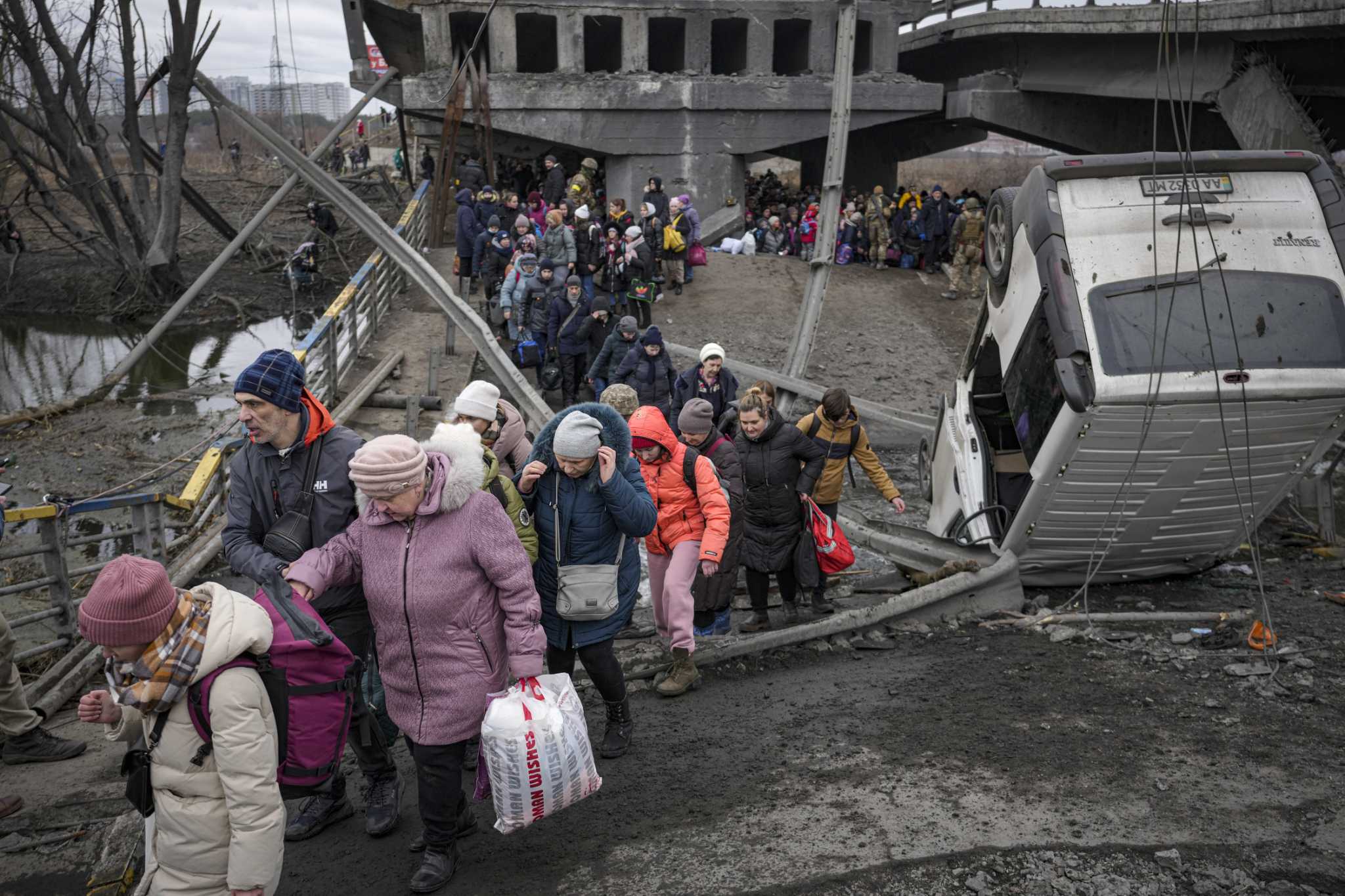
More than a week into Russia’s invasion of Ukraine, Kyiv and other main population centers remain under Ukrainian control as Russian ground forces make slow progress against Ukraine’s fierce and proficient defense. Russia’s aggression appears to have unified the West, as evidenced by strong coordinated sanctions, including freezing a substantial portion of Russia’s foreign exchange reserves by G-7 jurisdictions. Increasing bombing of Ukrainian cities and civilian infrastructure by Putin’s forces is likely to drive a deepening humanitarian crisis as well as further economic and political isolation for Russia.
Ukraine’s defiance in the face of Russia’s military onslaught has unleashed a flood of global political, financial, and military support. In line with our expectations, Russia appears to be paying a high price for Putin’s decision to attack Ukraine. Heavy Russian losses in terms of lives and equipment are being reported by Western and Ukrainian sources amid a series of logistical challenges and severe resistance by Ukraine’s highly motivated and well-armed defenders. The Russian military has shifted its tactics to heavier air and artillery bombardments, causing increased civilian casualties and large-scale infrastructure damage.
As Ukraine seems well positioned to retain control of Kyiv and other major population centers, fighting appears likely to intensify in coming days, potentially triggering an increasingly difficult humanitarian situation on the ground and deepening the global economic and political isolation of Russia. Two rounds of exploratory talks between the two sides have failed to produce any breakthroughs amid continuing Russian offensives and the Kremlin’s maximalist demands which remain unacceptable to Ukraine unless forced by a decisive military defeat.
The situation in Ukraine continues to be highly fluid and unpredictable, but we believe a scenario in which Russia is successful in taking control over the entire country is increasingly unlikely. Once the acute phase of the conflict is over, Ukraine’s economic recovery will hinge on the extent of infrastructure damage sustained and maintaining control over key productive assets, including access to the Black Sea coast where we expect the brunt of Russia’s offensive to focus on next.
In any scenario, we expect massive international financial support for Ukraine to materialize during the conflict and in its aftermath. As for Russia, the likelihood that the country is going to become a global “pariah” increases for as long as Russian forces occupy internationally recognized Ukrainian territories, even when active hostilities end. However, some newly imposed sanctions could start to be rolled back in exchange of Russian concessions in future peace negotiations.
A new age of economic conflict
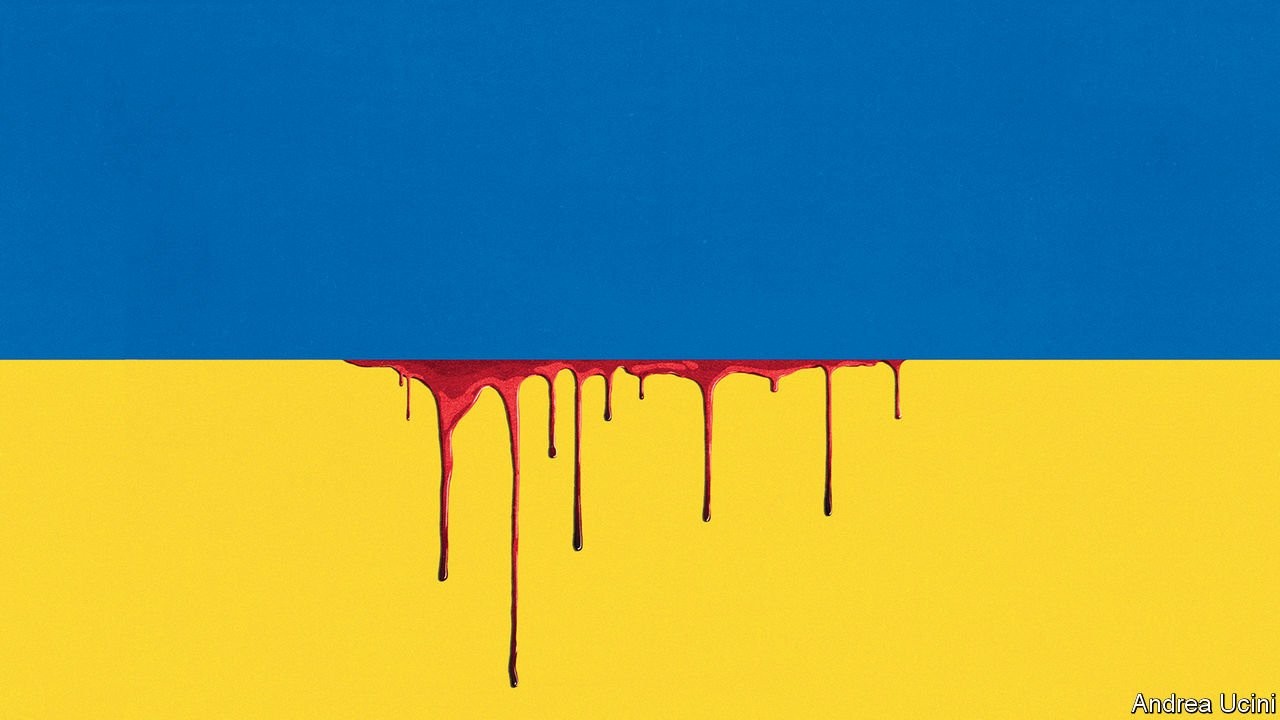
The West has used crushing sanctions on Russia. The implications are huge. Russia’s invasion of Ukraine could yet become the biggest military action in Europe since 1945. It also marks a new era of high-risk economic warfare that could further splinter the world economy. An energy-and-commodity price shock is now ripping through the world economy as supplies from Russia are disrupted. Europe is assessing how to lower its dependence on Russian energy.
Meanwhile the measures the West has imposed on Russia are so potent that they have triggered chaos in its 1.6 trillion USD economy and prompted the president, Vladimir Putin, to issue nuclear threats. The instant immiseration of a big economy is unprecedented and will cause alarm around the world, not least in China, which will recalculate the costs of a war over Taiwan. The West’s priority must be to win the economic confrontation with Russia. Then it must create a doctrine to govern these weapons in order to prevent a broader shift towards autarky.
The fact that Russia did not take the threat of sanctions seriously at first is no surprise. For years they have been plentiful but ineffective. Reluctant to use hard power, America and Europe have reached for economic penalties instead. Some 10,000 people or firms are subject to American sanctions, affecting over 50 countries making up 27% of world GDP, and covering everything from torture to cryptocurrencies. Often, they make little difference. Autocrats can evade targeted measures. Full embargoes on Iran and Venezuela have been crippling but not toppled regimes. The deterrent effect has been weak, as malefactors have assumed that America would never apply “maximum pressure” on a big economy. But that Rubicon has now been crossed.
Most painfully, they are cutting off the central bank’s access to that 600 billion USD reserves. That will make it harder for the central bank to support the rouble, to offer foreign-currency liquidity to Russian banks under sanctions themselves and to make or receive foreign-currency payments for Russian companies.
Over the past five years Mr Putin had moved to insulate the Russian economy against sanctions. As well as building up reserves, he had partly “de-dollarised” them (see chart) by increasing holdings of other currencies. Dollars were sold in favour of the yuan and euro. Moving assets from the sanction-happy America to China, its ally, and to Europe, which depended on it for energy, was one of the main building blocks of Mr Putin’s “fortress economy”. But as well as America, Britain, Canada, the EU, Japan and Switzerland have also agreed to squeeze Russia’s access to its reserves. In June 2021 around 7% of Russia’s foreign currency was stored in America, 12% in France, 10% in Germany and 10% in Japan. Assuming the same proportions now, around $400bn of Mr Putin’s war chest could be subject to sanctions.
Fed’s urgency for steep rate hikes lessens after wage gains cool
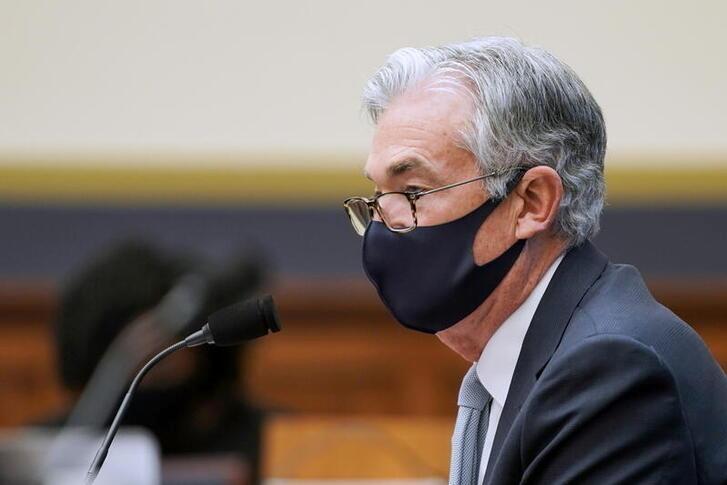
Labor force participation is rising and pay growth has slowed. Strong hiring gives Powell room to take a more steady approach. Jerome Powell’s push to limit the Federal Reserve’s interest-rate liftoff this month to a quarter percentage point was bolstered by unexpectedly stagnant wages amid strong hiring seen in February’s jobs report.
While employers added 678,000 to payrolls and unemployment fell to 3.8%, average hourly earnings were little changed from January. That’s a setback for workers, but it suggests U.S. central bankers aren’t facing an immediate wage-price spiral similar to the 1970s, which reduces the urgency to take bolder steps toward curbing hot inflation.
The Fed chair told lawmakers this week that he backs a quarter-point rate hike at the Fed’s March 15-16 meeting, less than the half-point move some Fed officials have suggested. He also stressed policy makers will move carefully due to uncertainty created by the Russian invasion of Ukraine, as they commence a series of rate hikes to confront the hottest inflation in 40 years. The yield on two-year U.S. Treasuries, which are closely tied to expectations for Fed rates, fell to 1.46% following release of the employment report and stood at 1.47% at 1:57 p.m. in New York last Saturday.
There are now some 600,000 fewer workers in the labor force than before the pandemic. In other words, some 7.6 million Americans have returned to the workforce since April 2020. Increasing the supply of workers will likely help ease wage pressures to some extent, but American demand has also increased. Total inflation-adjusted consumer spending is well above pre-pandemic levels. Powell, in his congressional testimony, emphasized uncertainty about the outlook for the economy and inflation, citing the Russian invasion as one significant risk. Higher interest rates and less fiscal stimulus are likely to contribute to a cooling off of the economy and reduction of inflationary pressures as supply disruptions ease, he said.
U.S. to begin review of tariffs on 300 Billion USD of China imports
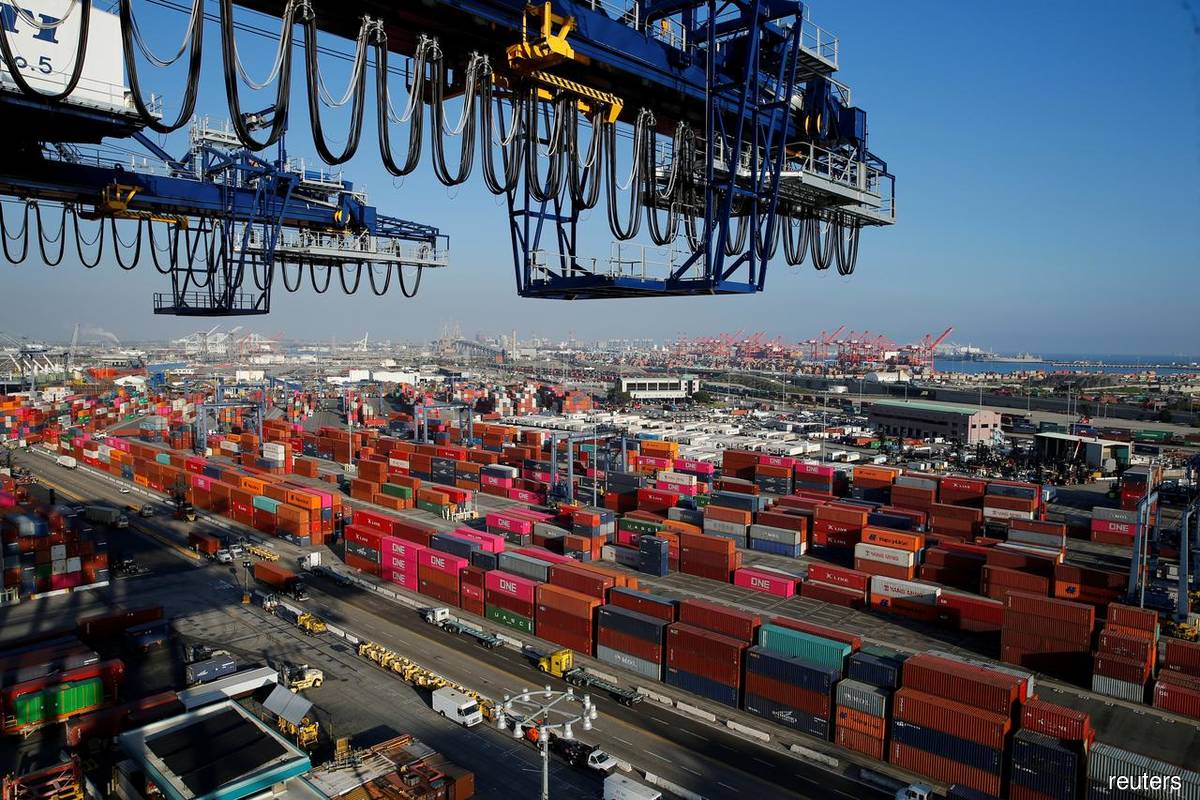
President Joe Biden’s administration will soon start a review of the first group of tariffs on more than 300 billion USD in Chinese imports needed to prevent their expiration, a process likely to bring new scrutiny of their effectiveness as inflation runs at a four-decade high.
The evaluation, officially known as a “review of necessity,” so far has attracted little attention. It relates to Section 301 of the Trade Act of 1974, the law that President Donald Trump used to hit China with the tariffs starting in July 2018. The law states that the tariffs expire four years after they were imposed, unless the U.S. Trade Representative’s office analyzes their effectiveness and consequences. The review needs to happen within 60 days of their potential end, which is July 6 for the first group of 34 billion USD in Chinese goods, with the majority set to expire in the following months.
Trump slapped the tariffs on China as part of a trade war that saw duties imposed on almost 500 billion USD in products shipped between the two nations. In early 2020, they agreed to the so-called phase one deal, with the U.S. reducing some tariffs in exchange for Beijing pledging to address intellectual property theft and buy 200 billion SD in energy, farm and manufacturing goods along with services through last December. Biden has kept the tariffs in place one year into his presidency as data continually showed China falling far short of U.S. purchase commitments. That has increased the chances that the levies will become a more permanent part of the trade landscape.
We believe that without a strong justification for easing the tariffs as U.S.-China tensions simmer, the Biden team has little political room to make such a move even as it hunts for ways to cool inflation ahead of midterm elections in November. It’s always harder to unwind trade protection than to put it in place. The Biden administration likely will seek to keep them in place because removing them would leave it open to Republican attacks.
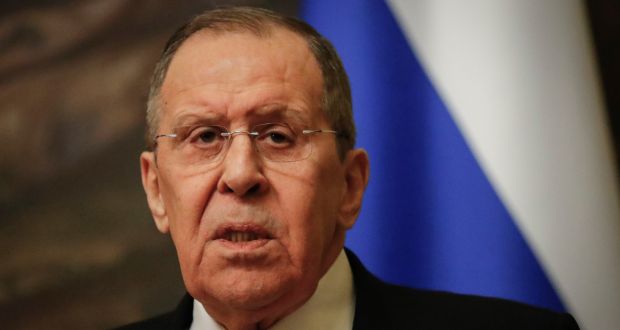
Russia demands US guarantees over revival of Iran nuclear accord
Moscow seeks to ensure that sanctions imposed over Ukraine invasion do not impede its trade with Tehran. Russia is seeking written guarantees from Washington that US sanctions imposed on the country do not impede its ability to trade with Iran, a move that risks complicating efforts to revive the 2015 nuclear accord.
Moscow made the demand as western officials said they are close to a deal with Iran that would bring the US back into the agreement that Tehran signed with world powers. This would mean the Islamic republic limiting its nuclear activity in return for sanctions relief. Russia, a signatory to the accord along with the UK, France, Germany and China, has been involved in the negotiations in Vienna aimed at saving the deal.
Sergei Lavrov, Russian foreign minister, told reporters on Saturday that Moscow wanted the US guarantees to ensure sanctions on Russia did not damage “our right to free and full trade, economic and investment co-operation and military-technical co-operation with the Islamic republic”. The US, EU and UK have imposed sweeping sanctions on Russia since its invasion of Ukraine, including those aimed at freezing the assets of President Vladimir Putin and Lavrov.
Iran transferred enriched uranium and heavy water to Russia after the 2015 nuclear accord was signed, and it would have to reduce its stockpiles again if a new deal was sealed. Iran has ramped up its nuclear activity since then US president Donald Trump’s decision in 2018 to unilaterally abandon the accord and impose crippling sanctions on the Islamic republic. President Joe Biden’s administration has pledged to rejoin the deal and lift many sanctions if Tehran falls back into compliance with the original accord. It has been holding indirect talks with Iranian negotiators, mediated by the EU, in Vienna. Western officials said this week they were close to securing a deal, but cautioned there were still outstanding issues that needed to be resolved.
Stay up to date
More Newsletter to Check



SUBSCRIBE TO NEWSLETTER
Subscribe to download our daily economics and business roundup


×
![]()