
Markets on Edge: Trade War Sparks Global Shockwaves

Markets on Edge: Trade War Sparks Global Shockwaves
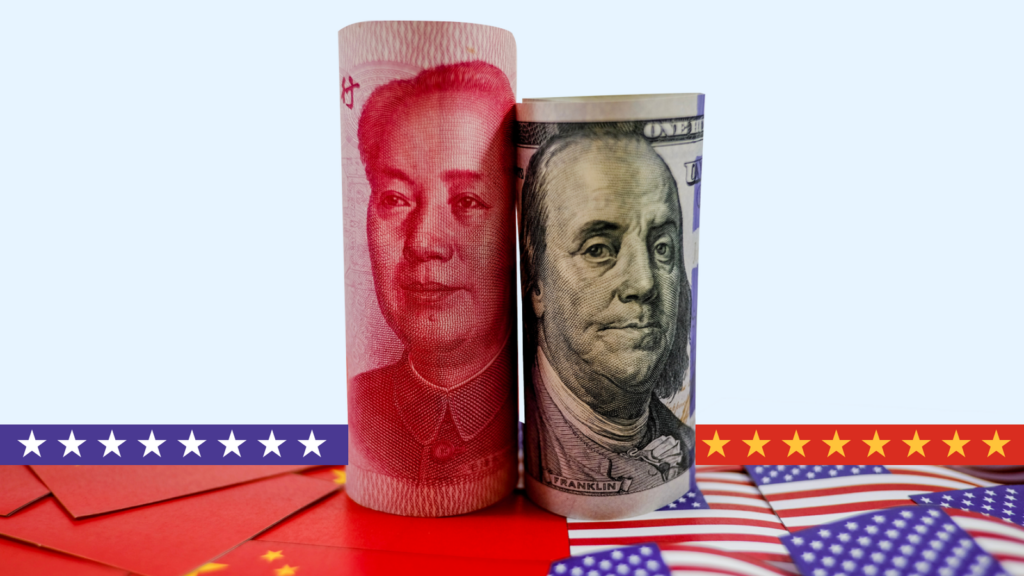
Global markets took a hit this week as trade tensions escalated, fueling fears of a U.S. recession. President Trump’s 25% tariff on steel and aluminum imports triggered swift retaliation from major trade partners, raising concerns about rising prices and slowing growth. Goldman Sachs slashed its 2025 U.S. GDP forecast from 2.4% to 1.7%, while the S&P 500 entered correction territory, dropping over 10% from February highs.
Despite a slight rebound on Friday, sentiment remained weak as consumer confidence hit a two-year low, and long-term inflation expectations surged. Meanwhile, gold smashed past $3,000, oil edged higher, and the DXY stabilized just under 104 after January’s sharp drop.
Europe saw a surprise boost in Germany’s industrial production, while the UK reported a slight GDP contraction. In China, markets soared as policymakers hinted at new stimulus measures. The Bank of Canada cut rates, citing trade concerns, while Brazil’s inflation ticked up amid slowing growth. On the geopolitical front, Ukraine peace talks stalled, with Russia rejecting a proposed 30-day ceasefire in Saudi Arabia, keeping tensions high.
Now, all eyes are on the Fed’s rate decision on Wednesday, along with key U.S. economic indicators like retail sales, housing data, and jobless claims. Meanwhile, China’s February data is expected to show stronger retail sales and steady investment, alongside the Bank of China’s rate decision.
Globally, central banks in Brazil, Indonesia, Japan, UK, and Switzerland will announce policy updates, with markets anticipating a rate hike in Brazil (+100bps to 14.25%), a cut in Switzerland (-25bps to 0.25%), and unchanged rates elsewhere.
China’s Deflation Dilemma: A Growing Economic Challenge
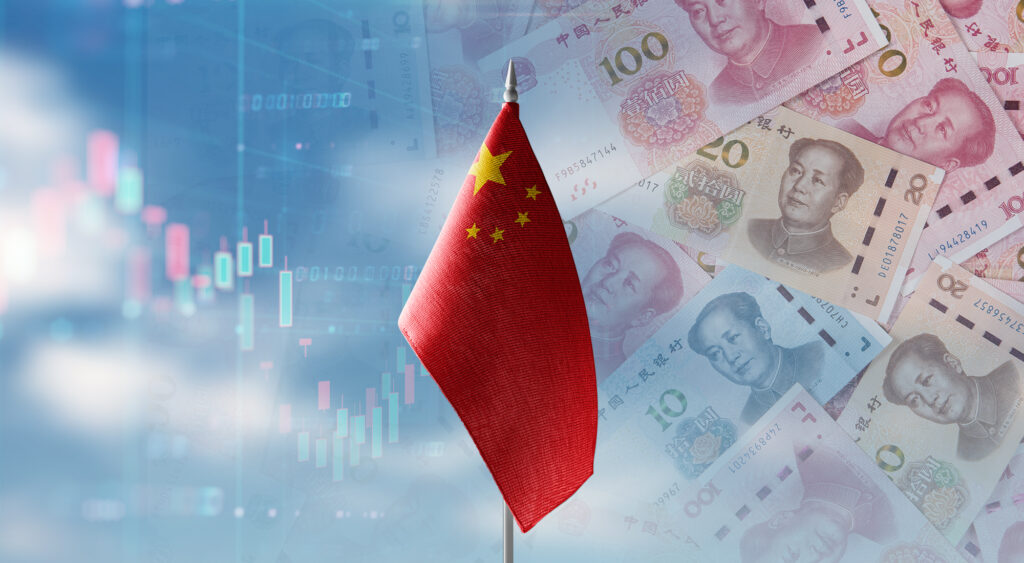
China is experiencing its longest deflationary streak in decades, raising alarm bells over weakening demand and the overall health of the world’s second-largest economy. In February, consumer prices dropped by 0.7% year-over-year, marking the sharpest decline since 2009. Producer prices also fell for the 17th consecutive month, decreasing by 2.2%, reflecting ongoing struggles in manufacturing and broader industrial activity.
At the core of this deflationary spiral is a mix of slowing consumer spending, industrial overcapacity, and a troubled real estate sector. Consumers are hesitant to spend due to economic uncertainty, while businesses are forced to cut prices to attract demand. Meanwhile, China’s once-booming property market remains under pressure, with weak sales and high debt levels among developers exacerbating economic woes.
The risk of prolonged deflation is significant—it can lead to falling corporate profits, increased debt burdens, and slower economic growth. If prices continue to decline, businesses may reduce investments, wages could stagnate, and consumer confidence could erode further, trapping the economy in a cycle of weak demand and sluggish expansion.
In response, Chinese policymakers are exploring various measures to reignite growth. The government is increasing investment in infrastructure projects, supporting the struggling housing market, and encouraging domestic consumption. However, analysts warn that without deeper structural reforms, China may struggle to escape the deflationary trap, potentially leading to a prolonged period of weak growth.
Russia Sets Tough Conditions for Ukraine Ceasefire, Talks Continue
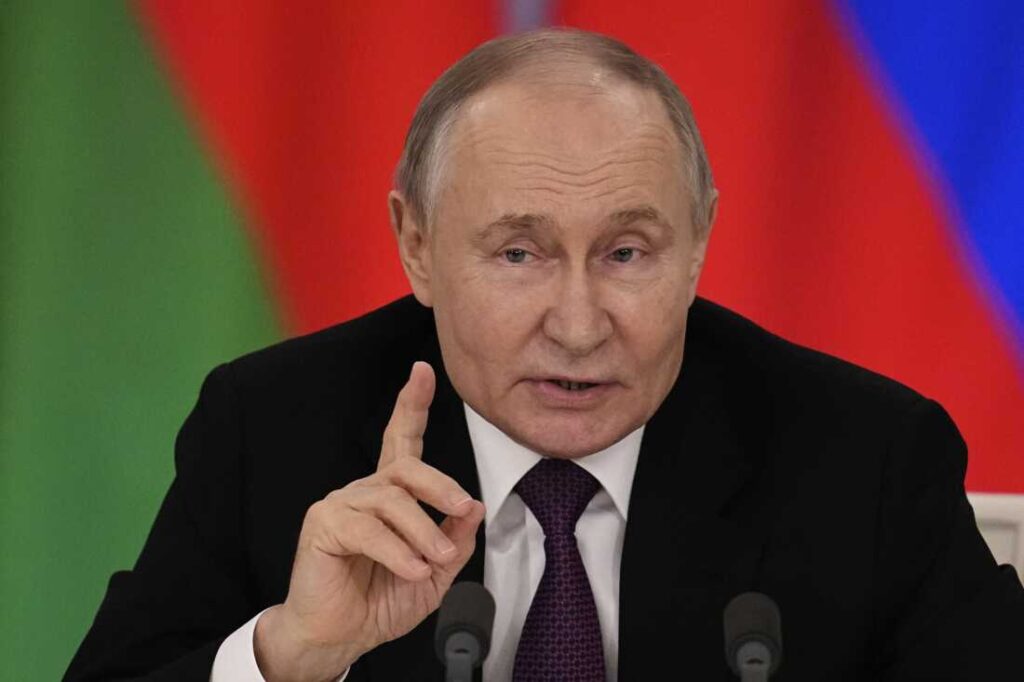
U.S. and Ukrainian delegations met in Jeddah, Saudi Arabia this week and agreed to propose “an immediate, interim 30-day ceasefire, which can be extended by mutual agreement of the parties, and which is subject to acceptance and concurrent implementation by the Russian Federation”. Russian President Vladimir Putin responded with a hard line against concessions, although he said he welcomed the talks. The Trump Administration was represented by Secretary of State Marco Rubio and National Security Advisor Michael Waltz, who signaled that “Russian reciprocity is the key to achieving peace”. Concurrently, the U.S. lifted the pause on intelligence sharing and security assistance to Ukraine.
The outcome was constructive from Ukraine’s perspective, given the resumption of U.S. security assistance and of critically important intelligence sharing. Moscow rejected an immediate cease-fire, and the Kremlin remained focused on the notion of “lasting peace” that “takes into account Russia’s interests and concerns”.
In other words, it is expected that President Putin to fully embrace the idea of ending the conflict, but only on terms heavily favorable to Russia. Accepting an arrangement catering to Russia’s “maximum objectives” remains enormously problematic for President Volodymyr Zelenskiy and his European allies. Ukrainian public opinion is heavily in favor (~75% according to recent polls) of continued fighting even if the U.S. withdraws all support.
The issue of U.S. support will be a crucial factor in the upcoming, multi-layered negotiations as both Moscow and Kyiv will try to charm the White House and point the finger to the other side for not negotiating in good faith and being “the impediment to peace”.
A Slowdown in Saudi Arabia Is Roiling the Consulting Market
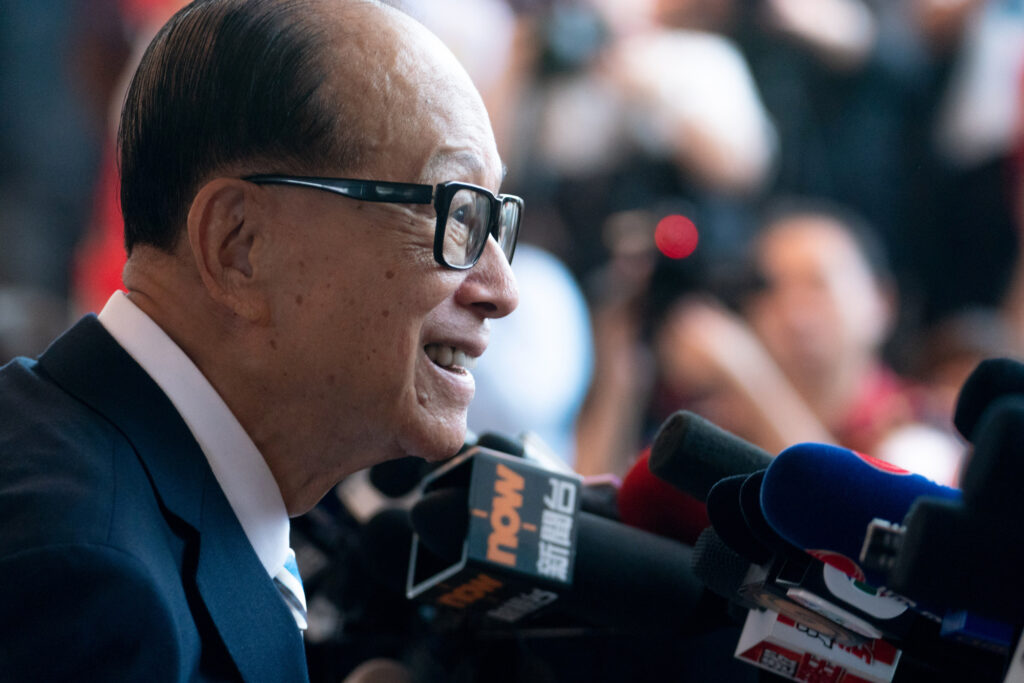
For years, Saudi Arabia has leaned on advisory firms to drive an expensive overhaul of its economy. But the kingdom’s once insatiable appetite for foreign consultants is dimming, adding pressure on an industry already buffeted by pressures worldwide. While the country remains one of the biggest markets for consultants in the world, the pace of contract awards has started to slow. It’s also led to some firms moving staffers to other locations, including Doha, one of the people said, declining to be identified as the information is private.
The effects are rippling across the sector — including at Boston Consulting Group Inc., which has over a thousand employees in the region after hiring aggressively in recent years. Dozens of BCG consultants in Saudi Arabia and other Gulf countries are on the beach, the people familiar with the matter said, using industry parlance for advisers not staffed on a project.
The pullback has already led to job cuts at firms like PwC’s Strategy& unit and Roland Berger over the past year.
PwC, which pulled in USD 2.5 bn in annual revenue from the Middle East last year, was dealt a further blow weeks ago after the Public Investment Fund banned it from consulting contracts for a year. The firm hasn’t commented publicly on the reasons behind the ban, but blamed a “client-handling situation,” in a memo sent to staffers. People familiar with the matter have said its competitors are still winning business from the PIF.
Any significant changes to Saudi Arabia’s traditional reliance on consultants — well-paid advisers have often staffed entire government departments in Riyadh and helped shape national policies — will come as a significant blow. Contracts from the PIF and its portfolio companies alone likely generate hundreds of millions of dollars in fees for the consulting industry.
To be sure, even if Saudi Arabia trims spending on some large projects, the kingdom’s ramping up work elsewhere and its expenditures will continue to be vast. For some firms, the temporary ban on PwC could also come as an opportunity to make deeper inroads.

الأسواق تحت الضغط.. الحرب التجارية تهدد استقرار الاقتصاد العالمي
الأسواق العالمية اتعرضت لهزة قوية الأسبوع ده بعد تصاعد التوترات التجارية وخوف المستثمرين من ركود اقتصادي في أمريكا! الرئيس ترامب فرض تعريفة 25% على واردات الصلب والألومنيوم، وردت الدول التجارية بسرعة، مما زوّد المخاوف من ارتفاع الأسعار وتباطؤ النمو. ونتيجة لذلك، خفض جولدمان ساكس توقعاته لنمو الاقتصاد الأمريكي في 2025 من 2.4% لـ 1.7%، بينما دخل مؤشر S&P 500 في منطقة التصحيح بعد ما فقد أكتر من 10% من أعلى مستوى ليه في فبراير.
رغم تعافي الأسواق جزئيًا الجمعة، ثقة المستهلك الأمريكي سجلت أدنى مستوى في سنتين، والتضخم طويل الأجل ارتفع بشكل مقلق. على الجانب الآخر، الذهب كسر حاجز 3,000 دولار لأول مرة، والـ DXY استقر تحت 104 بعد انهياره من أعلى مستوياته في يناير.
في أوروبا، ألمانيا حققت ارتفاعًا مفاجئًا في الإنتاج الصناعي، لكن اقتصاد بريطانيا سجل انكماشًا طفيفًا. أما الصين، فأسواقها انتعشت بقوة مع توقعات بتحفيز اقتصادي جديد. كندا خفضت أسعار الفائدة بسبب المخاوف التجارية، بينما التضخم ارتفع في البرازيل رغم تباطؤ النمو. سياسيًا، محادثات السلام حول أوكرانيا وصلت لطريق مسدود، بعد ما رفضت روسيا اقتراح هدنة 30 يومًا في السعودية، مما زاد التوترات الجيوسياسية.
الآن، تتركز الأنظار على قرار الفيدرالي الأمريكي بشأن أسعار الفائدة يوم الأربعاء، إلى جانب مؤشرات اقتصادية رئيسية في الولايات المتحدة مثل مبيعات التجزئة، بيانات الإسكان، وإعانات البطالة. في الوقت نفسه، من المتوقع أن تكشف بيانات الصين لشهر فبراير عن انتعاش في مبيعات التجزئة واستقرار في الاستثمار، إلى جانب قرار بنك الصين بشأن الفائدة. عالميًا، تستعد البنوك المركزية في البرازيل، إندونيسيا، اليابان، المملكة المتحدة، وسويسرا لإعلان تحديثات سياساتها النقدية، وسط توقعات السوق بزيادة الفائدة في البرازيل (+100 نقطة أساس إلى 14.25%)، وخفضها في سويسرا (-25 نقطة أساس إلى 0.25%)، مع استقرارها في باقي الدول.
مأزق الانكماش في الصين: أزمة اقتصادية تتفاقم
تواجه الصين أطول موجة انكماش اقتصادي منذ عقود، مما يثير القلق بشأن ضعف الطلب وتأثيره على ثاني أكبر اقتصاد في العالم. في فبراير، انخفضت أسعار المستهلكين بنسبة 0.7٪ على أساس سنوي، وهو أكبر تراجع منذ عام 2009، بينما استمرت أسعار المنتجين في الانخفاض للشهر الـ17 على التوالي، مسجلة تراجعًا بنسبة 2.2٪، مما يعكس استمرار التحديات في قطاعي التصنيع والصناعة بشكل عام.
يكمن السبب وراء هذا الانكماش في عدة عوامل، أبرزها تراجع إنفاق المستهلكين، الفائض في الإنتاج الصناعي، والأزمة المستمرة في قطاع العقارات. يعزف المستهلكون عن الإنفاق بسبب حالة عدم اليقين الاقتصادي، مما يدفع الشركات إلى خفض الأسعار لتحفيز الطلب. في الوقت نفسه، لا يزال سوق العقارات الصيني يعاني من ضعف المبيعات وارتفاع الديون بين المطورين، مما يفاقم الضغوط الاقتصادية.
يمثل استمرار الانكماش خطرًا كبيرًا، حيث يمكن أن يؤدي إلى انخفاض أرباح الشركات، وزيادة أعباء الديون، وإبطاء النمو الاقتصادي. وإذا استمر تراجع الأسعار، قد تقلل الشركات من استثماراتها، وتتجمد الأجور، وينخفض مستوى ثقة المستهلكين، مما قد يدفع الاقتصاد إلى دوامة من الركود وضعف النشاط الاقتصادي.
في مواجهة هذه الأزمة، تبحث الحكومة الصينية عن حلول لإعادة تحفيز النمو، عبر زيادة الاستثمارات في مشاريع البنية التحتية، ودعم قطاع العقارات المتعثر، وتشجيع الاستهلاك المحلي. لكن المحللين يحذرون من أن هذه التدابير وحدها قد لا تكون كافية، وأن الصين بحاجة إلى إصلاحات هيكلية أعمق لتجنب الوقوع في فخ انكماش طويل الأمد قد يعرقل تعافيها الاقتصادي.
روسيا تضع شروطًا صعبة لوقف إطلاق النار في أوكرانيا، والمحادثات مستمرة
اجتمع وفدان أمريكي وأوكراني في جدة، المملكة العربية السعودية، الأسبوع السابق، واتفقا على اقتراح "وقف إطلاق نار فوري ومؤقت لمدة 30 يومًا، قابل للتمديد بموافقة الطرفين، ويخضع لموافقة روسيا الاتحادية وتنفيذها المتزامن". ردّ الرئيس الروسي فلاديمير بوتين بموقف متشدد ضد أي تنازلات، مع ترحيبه بالمحادثات. مثّل إدارة ترامب وزير الخارجية ماركو روبيو ومستشار الأمن القومي مايكل والتز، اللذين أشارا إلى أن "المعاملة بالمثل من جانب روسيا هي مفتاح تحقيق السلام". في الوقت نفسه، رفعت الولايات المتحدة تعليق تبادل المعلومات الاستخباراتية والمساعدة الأمنية لأوكرانيا.
كانت النتيجة بناءة من وجهة نظر أوكرانيا، بالنظر إلى استئناف المساعدة الأمنية الأمريكية وتبادل المعلومات الاستخباراتية بالغ الأهمية. رفضت موسكو وقف إطلاق النار الفوري، وظل الكرملين مُركّزًا على فكرة "السلام الدائم" الذي "يأخذ في الاعتبار مصالح روسيا ومخاوفها".
بمعنى آخر، من المتوقع أن يتبنى الرئيس بوتين فكرة إنهاء الصراع تمامًا، ولكن بشروط مواتية لروسيا بشدة. ويظل قبول ترتيب يُلبي "الأهداف القصوى" لروسيا إشكاليًا للغاية بالنسبة للرئيس فولوديمير زيلينسكي وحلفائه الأوروبيين. فالرأي العام الأوكراني يؤيد بشدة (حوالي 75% وفقًا لاستطلاعات الرأي الأخيرة) استمرار القتال حتى لو سحبت الولايات المتحدة كل دعمها.
ستكون مسألة الدعم الأمريكي عاملًا حاسمًا في المفاوضات المقبلة متعددة الجوانب، حيث ستحاول كل من موسكو وكييف استمالة البيت الأبيض واتهام الطرف الآخر بعدم التفاوض بحسن نية وكونه "عائقًا أمام السلام".
تباطؤ اقتصادي في السعودية يُعكّر صفو سوق الاستشارات
لسنوات، اعتمدت المملكة العربية السعودية على شركات الاستشارات لدفع عجلة إصلاح اقتصادي شامل ومكلف. لكن شهية المملكة التي كانت لا تشبع في السابق للمستشارين الأجانب تتضاءل، مما يزيد الضغط على قطاع يعاني أصلاً من ضغوط عالمية. وبينما لا تزال المملكة واحدة من أكبر أسواق الاستشارات في العالم، إلا أن وتيرة منح العقود بدأت تتباطأ. كما دفع ذلك بعض الشركات إلى نقل موظفيها إلى مواقع أخرى، بما في ذلك الدوحة، وفقاً لأحد المصادر، الذي رفض الكشف عن هويته لأن المعلومات سرية.
تمتد التأثيرات إلى جميع أنحاء القطاع، بما في ذلك مجموعة بوسطن الاستشارية، التي تضم أكثر من ألف موظف في المنطقة بعد توظيف مكثف في السنوات الأخيرة. وقال أشخاص مطلعون على الأمر إن العشرات من مستشاري مجموعة بوسطن الاستشارية في المملكة العربية السعودية ودول الخليج الأخرى قد غادروا البلاد، مستخدمين مصطلحات القطاع للإشارة إلى المستشارين غير العاملين في المشاريع. أدى هذا التراجع بالفعل إلى تسريحات وظيفية في شركات مثل وحدة Strategy& التابعة لشركة PwC وشركة Roland Berger خلال العام الماضي.
وتلقت شركة PwC، التي حققت إيرادات سنوية بلغت 2.5 مليار دولار أمريكي من الشرق الأوسط العام الماضي، ضربة موجعة أخرى قبل أسابيع بعد أن منعها صندوق الاستثمارات العامة من عقود الاستشارات لمدة عام. ولم تُعلّق الشركة علنًا على أسباب الحظر، لكنها ألقت باللوم في مذكرة أُرسلت إلى موظفيها على "مشكلة في التعامل مع العملاء". وأفادت مصادر مطلعة على الأمر أن منافسيها لا يزالون يحظون بفرص عمل من صندوق الاستثمارات العامة.
وأي تغييرات جوهرية في اعتماد المملكة العربية السعودية التقليدي على الاستشاريين - فغالبًا ما كان المستشارون ذوو الأجور الجيدة يشغلون مناصب في إدارات حكومية كاملة في الرياض ويساهمون في صياغة السياسات الوطنية - ستكون بمثابة ضربة موجعة. ومن المرجح أن تُدرّ عقود صندوق الاستثمارات العامة وشركاته التابعة وحدها مئات الملايين من الدولارات كرسوم على قطاع الاستشارات.
ومن المؤكد أنه حتى لو قلّصت المملكة العربية السعودية إنفاقها على بعض المشاريع الكبيرة، فإن تكثيف المملكة لأعمالها في أماكن أخرى ونفقاتها سيظل هائلًا. وبالنسبة لبعض الشركات، فإن الحظر المؤقت على شركة PwC قد يشكل فرصة لتحقيق تقدم أعمق.
Stay up to date
More Newsletter to Check


SUBSCRIBE TO NEWSLETTER
Subscribe to download our daily economics and business roundup


×
![]()