
Markets Cheer Softer Tone from Trump Team and Strong Tech Earnings

Markets Cheer Softer Tone from Trump Team and Strong Tech Earnings
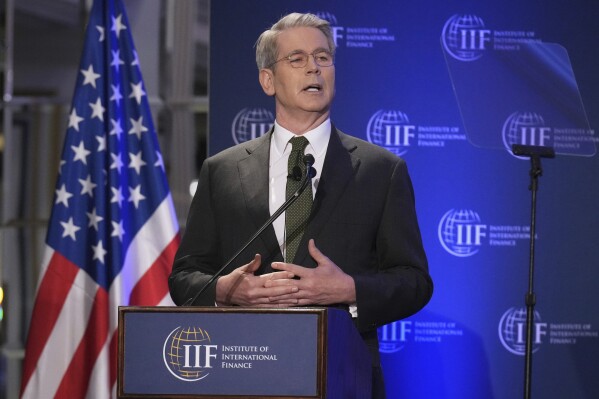
Markets rallied this week as investors welcomed a shift toward a more moderate tone from within the Trump administration. The clearest signal came from Treasury Secretary Scott Bessent during the IMF Spring Meetings, where he hinted at a more diplomatic trade approach—especially toward China—compared to the more aggressive policies unveiled earlier in April. Adding to the positive momentum, strong earnings from tech giants like Microsoft and Meta lifted U.S. stock indices, which have now erased their April losses. In fact, Wall Street just posted nine consecutive days of gains—its longest winning streak in over two decades. A report that the U.S. may ease export restrictions on Nvidia products to the UAE also boosted chip stocks. However, not all corporate results were upbeat. General Motors lowered its annual profit forecast due to auto tariffs, and McDonald’s missed Q1 sales expectations. Meanwhile, Apple and Amazon warned of higher costs and weaker profits ahead, largely due to tariff-related disruptions and global economic uncertainty.
Mixed Signals from U.S. Data and Global Indicators Keep Uncertainty High
Economic data in the U.S. sent mixed signals this week. While job creation beat expectations in April with 177,000 new jobs, consumer confidence continued to fall for the fifth straight month, reaching its lowest level since the pandemic. The U.S. economy also shrank slightly in Q1, contracting by 0.3%, largely due to companies rushing imports before expected tariff hikes. Inflation data showed some easing. The Fed’s preferred inflation gauge—the core PCE—was flat in March, below forecasts. Despite resilient spending, signs of slowdown are becoming more visible, including weaker manufacturing numbers and a slight uptick in jobless claims. Globally, China’s factory data surprised to the upside, while the eurozone saw stronger-than-expected GDP growth. Preliminary inflation data from Europe came in higher than expected, but the European Central Bank is still likely to cut interest rates in June. However, the outlook for ECB policy in the second half of 2025 remains uncertain due to inflation risks.
Oil Dips, Yen Slides, and Gold Pauses as Markets React to Global Cues
Commodity and currency markets saw mixed moves this week. Oil prices slipped again, with Brent crude nearing USD 60 a barrel as worries about global growth and weaker demand weighed on sentiment. U.S. Treasury yields remained steady, with the 10-year hovering near 4.30%. The U.S. dollar regained some ground but remains under pressure. The euro pulled back slightly to around 1.13, while the Japanese yen weakened to nearly 145 per dollar after the Bank of Japan struck a more cautious tone and delayed its inflation goal timeline. Meanwhile, gold—after a strong rally earlier this year—edged lower as investors shifted away from safe-haven assets amid improving risk appetite.
Saudi Arabia Pressures OPEC+ Over Quota Cheating With Supply Threat
Saudi Arabia is turning up the heat on OPEC+ members who are breaking production quotas. In a bold move, Riyadh led the group to approve a surprise output boost of 411,000 barrels per day for June—marking the second consecutive month of increases aimed at punishing overproducers like Iraq and Kazakhstan. According to insiders, the kingdom may continue restoring the rest of the previously halted 2.2 million barrels in similar fast-paced increments unless all members comply. This signals a sharp departure from OPEC+’s years-long policy of protecting oil prices through restraint. The aggressive stance is already weighing on markets. Oil prices have tumbled to a four-year low near USD 60 per barrel in London, especially as these supply increases align with growing global trade tensions under President Trump’s administration. OPEC+ had initially planned a slow recovery of supply through 2026, but nearly half of the halted output is now back online—and more could be coming soon.

India-Pakistan Tensions Rise After Kashmir Attack, But Water Threat Still Remote
Tensions flared between India and Pakistan following a deadly terrorist attack in Kashmir that killed several Indian nationals. In response, India issued a warning that it may cut water flows to Pakistan—a threat that stirred memories of the fragile Indus Water Treaty. Pakistan vowed to respond to any military action, raising the risk of a tit-for-tat escalation. The U.S. State Department has urged both sides to de-escalate and exercise restraint. Despite the heated rhetoric, an actual stoppage of water flows remains unlikely in the near term due to limited infrastructure and ongoing flooding in India. However, the situation marks the most serious strain in bilateral relations since the 2021 renewal of the 2003 ceasefire agreement.

لهجة ترامب الأكثر اعتدالًا وأرباح التكنولوجيا تُنعشان الأسواق
رتفعت الأسواق هذا الأسبوع مع ترحيب المستثمرين بتحول نحو لهجة أكثر اعتدالًا داخل إدارة ترامب. وبرز هذا التغير بوضوح من خلال تصريحات وزير الخزانة سكوت بيسنت خلال اجتماعات الربيع لصندوق النقد الدولي، حيث أشار إلى مقاربة دبلوماسية أكثر في السياسات التجارية، خصوصًا تجاه الصين، مقارنة بالنهج التصعيدي الذي أُعلن عنه في أوائل أبريل. وزاد الزخم الإيجابي مع صدور نتائج قوية من عمالقة التكنولوجيا مثل مايكروسوفت وميتا، مما دفع مؤشرات الأسهم الأميركية إلى محو خسائر أبريل بالكامل. وسجلت وول ستريت تسعة أيام متتالية من المكاسب، وهي أطول سلسلة ارتفاع منذ أكثر من 20 عامًا. كما ساهم تقرير يفيد بأن واشنطن قد تخفف القيود على صادرات نفيديا إلى الإمارات في رفع أسهم شركات الرقائق الإلكترونية. ومع ذلك، لم تكن نتائج جميع الشركات مشرقة؛ فقد خفّضت جنرال موتورز توقعاتها للأرباح السنوية بسبب الرسوم الجمركية على السيارات، بينما خيبت مبيعات ماكدونالدز للربع الأول التوقعات. كما حذرت آبل وأمازون من ارتفاع التكاليف وضعف الأرباح في الفترة المقبلة نتيجة للرسوم وتراجع الطلب العالمي.
بيانات اقتصادية متباينة في أمريكا والعالم تبقي الغموض قائمً
دّمت البيانات الاقتصادية في الولايات المتحدة إشارات متباينة هذا الأسبوع. فعلى الرغم من تجاوز أرقام التوظيف التوقعات في أبريل بإضافة 177 ألف وظيفة، استمر تراجع ثقة المستهلك للشهر الخامس على التوالي لتصل إلى أدنى مستوياتها منذ جائحة كورونا. كما انكمش الاقتصاد الأميركي في الربع الأول بنسبة 0.3%، ويُعزى ذلك إلى زيادة الواردات قبيل تطبيق الرسوم الجمركية المتوقعة. وأظهرت بيانات التضخم بعض التراجع، إذ استقر مؤشر التضخم الأساسي المفضل لدى الاحتياطي الفيدرالي (Core PCE) في مارس، مخالفًا التوقعات. وعلى الرغم من قوة الإنفاق الاستهلاكي، بدأت تظهر علامات تباطؤ، بما في ذلك تراجع النشاط الصناعي وارتفاع طفيف في طلبات إعانة البطالة. عالميًا، جاءت بيانات التصنيع في الصين أفضل من المتوقع، بينما سجّل اقتصاد منطقة اليورو نموًا أقوى من التقديرات. ورغم ارتفاع التضخم الأولي في أوروبا عن التوقعات، إلا أن البنك المركزي الأوروبي لا يزال مرجحًا لخفض أسعار الفائدة في يونيو. مع ذلك، تبقى التوقعات بشأن سياسة البنك في النصف الثاني من عام 2025 غامضة وسط استمرار مخاطر التضخم.
هبوط النفط وتراجع الذهب والين في ظل تغير نبرة البنوك المركزية
شهدت أسواق السلع والعملات تحركات متباينة هذا الأسبوع. حيث تراجعت أسعار النفط مجددًا، واقترب خام برنت من مستوى 60 دولارًا للبرميل وسط مخاوف مستمرة بشأن تباطؤ النمو العالمي وضعف الطلب. في المقابل، ظلت عوائد السندات الأميركية مستقرة، واستقر العائد على سندات العشر سنوات قرب مستوى 4.30%. وارتفع الدولار الأميركي بشكل طفيف لكنه لا يزال تحت الضغط، بينما تراجع اليورو قليلًا إلى نحو 1.13، وظل قويًا نسبيًا مقارنة بتاريخه. أما الين الياباني، فقد انخفض إلى قرابة 145 ينًا مقابل الدولار، بعد أن تبنى بنك اليابان لهجة أكثر حذرًا وأرجأ تحقيق مستهدفه للتضخم. أما الذهب، وبعد أداء قوي منذ بداية العام، فقد تراجع بشكل طفيف وسط تحوّل المستثمرين بعيدًا عن الأصول الآمنة في ظل تحسّن شهية المخاطرة.
السعودية تُلوّح بزيادة الإنتاج للضغط على مخالفي حصص أوبك+
تصعّد السعودية من ضغوطها على الدول الأعضاء في تحالف أوبك+ التي تخالف حصص الإنتاج المتفق عليها. ففي خطوة مفاجئة، قادت الرياض التحالف للموافقة على زيادة إنتاج قدرها 411 ألف برميل يوميًا في يونيو—وهي الزيادة الثانية على التوالي التي تستهدف معاقبة الدول المتجاوزة مثل العراق وكازاخستان. ووفقًا لمصادر مطلعة على المفاوضات، فإن المملكة تدرس إعادة بقية الكمية الموقوفة سابقًا والبالغة 2.2 مليون برميل يوميًا بنفس الوتيرة السريعة إذا لم يلتزم الجميع. وهذا يمثل تحوّلًا حادًا عن سياسة أوبك+ التقليدية التي كانت تركز على دعم الأسعار عبر ضبط المعروض. هذا التوجه الهجومي بدأ يؤثر بشدة على الأسواق، حيث هبطت أسعار النفط إلى أدنى مستوى لها منذ أربع سنوات، قرب 60 دولارًا للبرميل في لندن، خاصة مع تصاعد التوترات التجارية العالمية في ظل إدارة الرئيس الأميركي دونالد ترامب. وكان من المقرر سابقًا إعادة تلك الكمية الموقوفة تدريجيًا حتى أواخر عام 2026، لكن نحو نصفها عاد للسوق في أشهر قليلة، مع احتمال عودة المزيد قريبًا.
تصاعد التوتر بين الهند وباكستان بعد هجوم كشمير... والتهديد بقطع المياه لا يزال محدودًا
شهدت العلاقات بين الهند وباكستان تصعيدًا ملحوظًا بعد هجوم إرهابي في كشمير أودى بحياة عدد من الهنود. وردّت الهند بتهديدات بقطع تدفق المياه إلى باكستان، ما أعاد إلى الأذهان التوترات القديمة حول معاهدة نهر السند. في المقابل، تعهدت باكستان بالرد على أي تحرك عسكري، بينما دعت وزارة الخارجية الأميركية الجانبين إلى التهدئة وضبط النفس. ورغم التهديدات، يُستبعد حدوث قطع فعلي لتدفق المياه في المدى القريب بسبب ضعف البنية التحتية والسيول المستمرة في الهند. ومع ذلك، يمثل هذا التصعيد التوتر الأكبر منذ تجديد اتفاق وقف إطلاق النار بين البلدين عام 2021.
Stay up to date
More Newsletter to Check



SUBSCRIBE TO NEWSLETTER
Subscribe to download our daily economics and business roundup


×
![]()