

TOP TALKS
- Unemployment rate among Saudis drops to 7.2% in 4Q 2025. (Local)
- Saudi FDI net inflows surge 90% to SAR48.4 bn in Q4 2025. (Local)
- Saudi’s Al Ramz, Oud Capital to launch USD173mn fund. (Local)
- Benefit Street Partners pushes ahead with Gulf expansion despite Iran war. (Local)
- Petrolube gets regulatory green light for IPO. (Local)
- Mideast conflict adds to low-income countries' pressures: IMF. (Local)
- Saudi Arabia caught in the crossfire it spent years trying to avoid. (Global)
- Saudi oil exports fell by 50% in March on Iran’s Hormuz shutdown. (Global)
LOCAL NEWS
- Unemployment rate among Saudis drops to 7.2% in 4Q 2025.
The unemployment rate among Saudi males and females dropped to 7.2 % during the fourth quarter of 2025 from 7.5 % in the third quarter of the year, according to the Labor Market Statistics Bulletin released by the General Authority for Statistics (GASTAT).The bulletin for the fourth quarter of 2025 showed that the unemployment rate for the total working-age population above 15 years, reached 3.5 % during the same period. The labor force participation rate for the total population rose to 67.4 %, up 0.5 %age points from the previous quarter and 1.0 %age points from the previous year.(Zawya)
- Saudi FDI net inflows surge 90% to SAR48.4 bn in Q4 2025.
Saudi Arabia’s foreign direct investment (FDI) net inflows surged 90% year-on-year in the fourth quarter of 2025, reaching SAR48.4 billion, according to data from the General Authority for Statsitics (GASTAT).The sharp increase was reflected on a quarterly basis, with net inflows rising 82% compared to the previous quarter, indicating strong investment momentum toward the end of the year.(Zawya)
- Saudi’s Al Ramz, Oud Capital to launch USD173mn fund.
Saudi Arabia’s Al Ramz Real Estate and Oud Capital are set to launch a new fund to raise SAR 650 mn ( USD173.3 mn) to finance a residential development in the Kingdom.The proceeds of the Shariah-compliant real estate investment fund will go to the construction of Al Ramz Front, an integrated residential community in the Al Firdous district of Jeddah, Al Ramz confirmed on Tuesday.The fund will be managed by Oud Capital. The real estate firm will participate in the fund as the landowner, with an investment of approximately SAR 81.6 mn.Al Ramz will also act as the developer and exclusive marketer of the project.The project includes the construction of 900 homes spread across 47,794 square metres.(Zawya)
- Saudi MSGA Investment gets nod for Nomu IPO.
Saudi Arabia’s MSGA Investment Co. has received approval from the Capital Market Authority (CMA) to sell 11.11 mn shares in an IPO and list them on the Nomu – Parallel Market.The shares to be offered represent 10% of the company’s total share capital.The offering will be limited to qualified investors.The approval will remain valid for six months from the date of the board’s decision.Nomu is Riyadh's alternative market, offering lower listing barriers than the Main Market (TASI) and has more than 125 companies listed.(Zawya)
- Benefit Street Partners pushes ahead with Gulf expansion despite Iran war.
Franklin Templeton's USD92 billion credit-focused subsidiary Benefit Street Partners is pressing ahead with its Gulf expansion, with CEO David Manlowe confirming the firm is actively exploring partnerships and joint ventures with local banks and funds — both alongside Franklin Templeton and independently. The move signals sustained institutional appetite for Gulf private credit markets despite the ongoing regional conflict.(Enterprise)
- Petrolube gets regulatory green light for IPO.
Petrolube Oil, the manufacturing arm of Saudi industrial oils giant Petromin, has received Capital Market Authority approval to proceed with its IPO. The offering will place a 30% stake — representing 9 mn shares — on the market. Further details are expected upon release of the company's prospectus.(Enterprise)
- Mideast conflict adds to low-income countries' pressures: IMF.
Low-income Countries (LICs) are navigating a fluid global environment marked by high uncertainty and shifting policies in major economies spanning trade, migration, digital finance, and spending priorities, including national security and foreign aid, says an International Monetary Fund (IMF) staff paper.The spillovers of the ongoing conflict in the Middle East adds to the pressures, although the actual impact will depend on the duration of the conflict and breadth of disruptions, the paper on Macroeconomic Developments and Prospects in Low-income Countries (LICs) says. The paper defines LICs as the 70 countries eligible for the Poverty Reduction and Growth Trust facilities.(Zawya)
- SK Gas, Saudi Arabia's Advanced Petrochemical agree on share swap.
Saudi Arabia’s Advanced Petrochemical Co. said its wholly owned affiliate, Advanced Global Investment Company (AGIC), has entered into definitive agreements with SK Gas Petrochemical Pte. Ltd., an indirect unit of South Korea’s SK Gas Co. Ltd., to execute a strategic share swap.Under the transaction, SK Gas Petrochemical will acquire AGIC’s 30% stake in SK Advanced Co. Ltd. in South Korea, while AGIC will acquire SK Gas Petrochemical’s 15% stake in Saudi‑based Advanced Polyolefins Industry Company. The deal also includes a net cash payment of USD129.3 mn, payable by AGIC to SK Gas Petrochemical reflecting the fair value of the assets exchanged. Advanced Petrochemical said the cash component will be financed entirely through its own financial resources. The transaction is subject to regulatory approvals in the relevant jurisdictions. The transaction, which will have an impact on the financial results of Q1 2026, is aimed at increasing focus on core assets within the kingdom, Advanced Petrochemical said. (Saudi Gazette)
ON THE GLOBAL FRONT
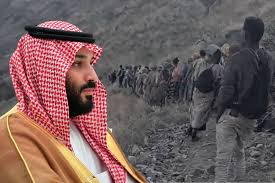
Saudi Arabia caught in the crossfire it spent years trying to avoid.
Despite pre-war assurances to Tehran that Saudi territory and airspace would not be used for attacks against Iran — commitments made at the highest level by Crown Prince Mohammed bin Salman — the kingdom has found itself a target nonetheless. Since hostilities began, Saudi Arabia and its Gulf neighbours have absorbed over 5,000 Iranian drones and missiles, with strikes hitting Eastern Province oil fields and refineries, the Diplomatic Quarter in Riyadh, and the US Prince Sultan Airbase. The Strait of Hormuz disruption has compounded the economic damage. For Riyadh, the war represents the nightmare scenario it long feared: being dragged into a direct confrontation between Iran and the US despite its efforts to stay out of it.
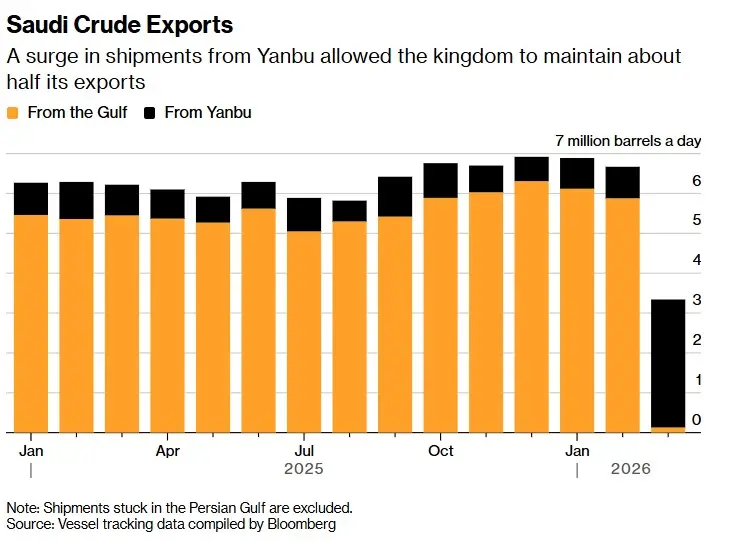
Saudi oil exports fell by 50% in March on Iran’s Hormuz shutdown.
Saudi Arabia’s crude oil exports fell by half in March after Iran effectively prevented tankers from leaving the Persian Gulf, forcing the kingdom to reroute flows to its west coast.Shipments averaged 3.33 mn barrels a day during the month, tanker tracking data show. The drop would have been much bigger if Saudi Arabia hadn’t been able to divert crude to export terminals on the Red Sea.The country is a vital source of oil supply for the world, providing about one in every six barrels of crude hauled by tankers. Markets have been watching its ability to keep flows moving after Iran effectively closed access to the open seas for Mideast exporters.Average crude shipments were 6.66 mn barrels a day in February, tracking data show. Figures for both months exclude cargoes that were loaded onto vessels but remain stranded in the Persian Gulf. Following the start of the war, Riyadh quickly diverted crude from Gulf export terminals into its East-West pipeline, which can carry about 7 mn barrels a day from oil fields in the east of the country to refineries and ports on the Red Sea, a distance of almost 750 miles.
أهم الأحداث
- انخفض معدل البطالة بين السعوديين إلى 7.2% في الربع الأخير من عام 2025. (محلية)
- قفز صافي تدفقات الاستثمار الأجنبي المباشر السعودي بنسبة 90% ليصل إلى 48.4 مليار ريال سعودي في الربع الرابع من عام 2025. (محلية)
- تعتزم شركتا الرمز وعود كابيتال السعوديتان إطلاق صندوق بقيمة 173 مليون دولار. (محلية)
- شركة Benefit Street Partners تمضي قدماً في توسعها في الخليج رغم الحرب الإيرانية. (محلية)
- بترولوب تحصل على موافقة الجهات التنظيمية للاكتتاب العام. (محلية)
- الصراع في الشرق الأوسط يزيد من الضغوط على الدول منخفضة الدخل: صندوق النقد الدولي. (محلية)
- السعودية عالقة في مرمى النيران التي سعت لسنوات لتجنبها. (عالمية)
- انخفضت صادرات النفط السعودية بنسبة 50% في مارس بسبب إغلاق إيران لمضيق هرمز. (عالمية)
أخبار محلية
- انخفض معدل البطالة بين السعوديين إلى 7.2% في الربع الأخير من عام 2025.
فقد انخفض معدل البطالة بين الذكور والإناث السعوديين إلى 7.2% خلال الربع الأخير من عام 2025، مقارنةً بـ 7.5% في الربع الثالث من العام نفسه، وذلك وفقًا لنشرة إحصاءات سوق العمل الصادرة عن الهيئة العامة للإحصاء. وأظهرت النشرة الخاصة بالربع الأخير من عام 2025 أن معدل البطالة بين جميع السكان في سن العمل ممن تزيد أعمارهم عن 15 عامًا بلغ 3.5% خلال الفترة نفسها. ارتفع معدل مشاركة القوى العاملة لإجمالي السكان إلى 67.4%، بزيادة قدرها 0.5 نقطة مئوية عن الربع السابق و1.0 نقطة مئوية عن العام الماضي. (زاوية)
- قفز صافي تدفقات الاستثمار الأجنبي المباشر السعودي بنسبة 90% ليصل إلى 48.4 مليار ريال سعودي في الربع الرابع من عام 2025.
قفز صافي تدفقات الاستثمار الأجنبي المباشر السعودي بنسبة 90% على أساس سنوي في الربع الرابع من عام 2025، ليصل إلى 48.4 مليار ريال سعودي، وفقًا لبيانات الهيئة العامة للإحصاء (GASTAT). وانعكست هذه الزيادة الحادة على أساس ربع سنوي، حيث ارتفع صافي التدفقات بنسبة 82% مقارنة بالربع السابق، مما يشير إلى زخم استثماري قوي مع اقتراب نهاية العام. (زاوية)
- تعتزم شركتا الرمز وعود كابيتال السعوديتان إطلاق صندوق بقيمة 173 مليون دولار.
تستعد شركة الرمز العقارية وشركة عود كابيتال السعوديتان لإطلاق صندوق استثماري جديد لجمع 650 مليون ريال سعودي (173.3 مليون دولار أمريكي) لتمويل مشروع سكني في المملكة. وأكدت شركة الرمز، يوم الثلاثاء، أن عائدات هذا الصندوق، المتوافق مع الشريعة الإسلامية، ستُخصص لبناء "واجهة الرمز"، وهو مجمع سكني متكامل في حي الفردوس بجدة. وستتولى شركة عود كابيتال إدارة الصندوق، حيث ستشارك فيه بصفتها مالكة الأرض باستثمار يبلغ حوالي 81.6 مليون ريال سعودي. كما ستتولى شركة الرمز دور المطور والمسوق الحصري للمشروع. ويتضمن المشروع بناء 900 وحدة سكنية موزعة على مساحة 47,794 مترًا مربعًا. (زاوية)
- شركة الاستثمار السعودية MSGA تحصل على الموافقة لطرح أسهم شركة نومو للاكتتاب العام.
حصلت شركة MSGA للاستثمار السعودية على موافقة هيئة السوق المالية لطرح 11.11 مليون سهم في اكتتاب عام أولي وإدراجها في سوق نومو الموازية. تمثل الأسهم المطروحة 10% من إجمالي رأس مال الشركة. سيقتصر الطرح على المستثمرين المؤهلين. وتسري الموافقة لمدة ستة أشهر من تاريخ قرار مجلس الإدارة. نومو هي السوق البديلة في الرياض، وتتميز بشروط إدراج أقل صرامة من السوق الرئيسية (تاسي)، وتضم أكثر من 125 شركة مدرجة. (زاوية)
- شركة Benefit Street Partners تمضي قدماً في توسعها في الخليج رغم الحرب الإيرانية.
تواصل شركة Benefit Street Partners، التابعة لشركة Franklin Templeton والمتخصصة في الائتمان والتي تبلغ قيمتها 92 مليار دولار، توسعها في الخليج، حيث أكد الرئيس التنفيذي ديفيد مانلو أن الشركة تبحث بنشاط عن شراكات ومشاريع مشتركة مع البنوك والصناديق المحلية، سواء بالتعاون مع Franklin Templeton أو بشكل مستقل. تشير هذه الخطوة إلى استمرار رغبة المؤسسات في أسواق الائتمان الخاصة في الخليج رغم استمرار الصراع الإقليمي. (إنتربرايز)
- بترولوب تحصل على موافقة الجهات التنظيمية للاكتتاب العام.
حصلت شركة بترولوب أويل، الذراع التصنيعية لشركة بترومين السعودية العملاقة للزيوت الصناعية، على موافقة هيئة السوق المالية للمضي قدمًا في طرحها للاكتتاب العام. سيطرح الطرح حصة 30% - أي ما يعادل 9 ملايين سهم - في السوق. ومن المتوقع صدور المزيد من التفاصيل عند نشر نشرة الاكتتاب الخاصة بالشركة. (إنتربرايز)
- الصراع في الشرق الأوسط يزيد من الضغوط على الدول منخفضة الدخل: صندوق النقد الدولي.
تواجه الدول منخفضة الدخل بيئة عالمية متغيرة تتسم بدرجة عالية من عدم اليقين وتغير السياسات في الاقتصادات الكبرى، بما في ذلك التجارة والهجرة والتمويل الرقمي وأولويات الإنفاق، كالأمن القومي والمساعدات الخارجية، وفقًا لورقة بحثية صادرة عن صندوق النقد الدولي. وتضيف الورقة، التي تحمل عنوان "التطورات والآفاق الاقتصادية الكلية في الدول منخفضة الدخل"، أن تداعيات الصراع الدائر في الشرق الأوسط تزيد من هذه الضغوط، على الرغم من أن التأثير الفعلي سيعتمد على مدة الصراع ونطاق الاضطرابات. وتُعرّف الورقة الدول منخفضة الدخل بأنها الدول السبعون المؤهلة للاستفادة من تسهيلات صندوق الحد من الفقر والنمو. (زاوية)
- شركة إس كي غاز وشركة البتروكيماويات المتقدمة السعودية تتفقان على تبادل أسهم.
أعلنت شركة البتروكيماويات المتقدمة السعودية أن شركتها التابعة المملوكة لها بالكامل، شركة الاستثمار العالمية المتقدمة (AGIC)، قد أبرمت اتفاقيات نهائية مع شركة إس كي غاز للبتروكيماويات المحدودة، وهي وحدة غير مباشرة تابعة لشركة إس كي غاز الكورية الجنوبية، لتنفيذ عملية تبادل أسهم استراتيجية. وبموجب هذه الصفقة، ستستحوذ إس كي غاز للبتروكيماويات على حصة AGIC البالغة ٣٠٪ في شركة إس كي المتقدمة في كوريا الجنوبية، بينما ستستحوذ AGIC على حصة إس كي غاز للبتروكيماويات البالغة ١٥٪ في شركة صناعة البولي أوليفينات المتقدمة السعودية. كما تتضمن الصفقة دفعة نقدية صافية قدرها ١٢٩.٣ مليون دولار أمريكي، تدفعها AGIC إلى إس كي غاز للبتروكيماويات، تعكس القيمة العادلة للأصول المتبادلة. وأكدت شركة البتروكيماويات المتقدمة أن الجزء النقدي سيتم تمويله بالكامل من مواردها المالية الخاصة. وتخضع الصفقة للموافقات التنظيمية في المناطق ذات الصلة. أعلنت شركة البتروكيماويات المتقدمة أن الصفقة، التي ستؤثر على النتائج المالية للربع الأول من عام 2026، تهدف إلى زيادة التركيز على الأصول الأساسية داخل المملكة. (صحيفة سعودي جازيت)
علي الصعيد العالمي
السعودية عالقة في مرمى النيران التي سعت لسنوات لتجنبها.
على الرغم من التطمينات التي قُطعت لطهران قبل الحرب بأن الأراضي والمجال الجوي السعودي لن يُستخدما في هجمات ضد إيران - وهي التزامات قطعها ولي العهد الأمير محمد بن سلمان على أعلى المستويات - إلا أن المملكة وجدت نفسها هدفًا. فمنذ بدء الأعمال العدائية، امتصت السعودية وجيرانها في الخليج أكثر من 5000 طائرة مسيرة وصاروخ إيراني، حيث استهدفت الضربات حقول النفط ومصافي التكرير في المنطقة الشرقية، والحي الدبلوماسي في الرياض، وقاعدة الأمير سلطان الجوية الأمريكية. وقد فاقم انقطاع مضيق هرمز من الأضرار الاقتصادية. بالنسبة للرياض، تمثل الحرب السيناريو الكابوسي الذي طالما خشيته: الانجرار إلى مواجهة مباشرة بين إيران والولايات المتحدة رغم جهودها للبقاء على الحياد.
انخفضت صادرات النفط السعودية بنسبة 50% في مارس بسبب إغلاق إيران لمضيق هرمز.
انخفضت صادرات النفط الخام السعودية إلى النصف في مارس بعد أن منعت إيران فعلياً ناقلات النفط من مغادرة الخليج العربي، مما أجبر المملكة على تحويل مسار الشحنات إلى ساحلها الغربي. وتشير بيانات تتبع الناقلات إلى أن متوسط الشحنات بلغ 3.33 مليون برميل يومياً خلال الشهر. وكان الانخفاض سيكون أكبر بكثير لولا تمكن السعودية من تحويل النفط الخام إلى محطات التصدير على البحر الأحمر. وتُعد السعودية مصدراً حيوياً لإمدادات النفط العالمية، إذ تُساهم بنحو سدس براميل النفط الخام التي تنقلها الناقلات. وتراقب الأسواق عن كثب قدرة السعودية على ضمان استمرار تدفق النفط بعد أن أغلقت إيران فعلياً الوصول إلى البحار المفتوحة أمام مُصدّري الشرق الأوسط. وبلغ متوسط شحنات النفط الخام 6.66 مليون برميل يومياً في فبراير/شباط، وفقاً لبيانات التتبع. ولا تشمل أرقام الشهرين الشحنات التي تم تحميلها على السفن ولكنها لا تزال عالقة في الخليج العربي. بعد بدء الحرب، قامت الرياض بسرعة بتحويل النفط الخام من محطات التصدير الخليجية إلى خط أنابيبها الشرقي الغربي، والذي يمكنه نقل حوالي 7 ملايين برميل يومياً من حقول النفط في شرق البلاد إلى المصافي والموانئ على البحر الأحمر، لمسافة تقارب 750 ميلاً.
Stay up to date
More Newsletter to Check



SUBSCRIBE TO NEWSLETTER
Subscribe to download our daily economics and business roundup


×
![]()