
Key Economic Developments Amid Uncertainty

Key Economic Developments Amid Uncertainty
This week brought some clarity to ongoing economic uncertainties and geopolitical challenges, particularly regarding market risks, U.S. policies, and the Middle East situation.
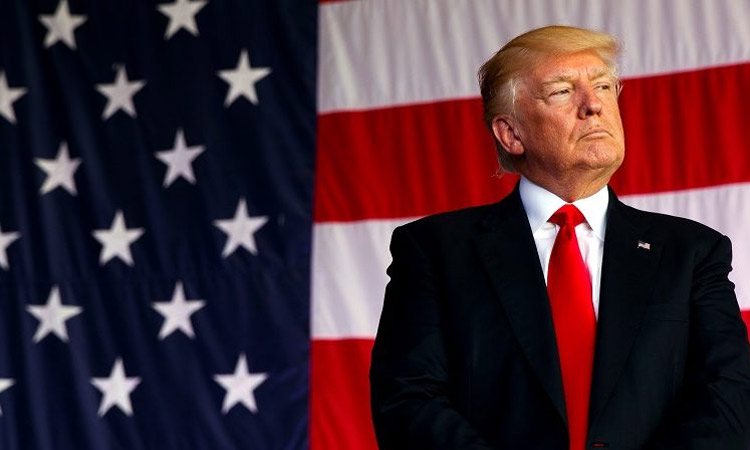
The incoming Trump Administration signaled a gradual approach to implementing U.S. tariffs on imports, which may help alleviate inflation risks and reduce retaliation from trading partners. Concurrently, U.S. CPI inflation data came in slightly lower than expected, along with disappointing December CPI figures from the UK. The week also saw a significant ceasefire between Israel and Hamas, alongside better-than-expected GDP growth from China in Q4.
The most closely watched data was the U.S. CPI, revealing core inflation slowed to 0.23% month-over-month in December, breaking a streak of 0.3% increases, primarily due to weaker core goods prices. Following this, dovish comments from Governor Waller suggested a possible rate cut in March, leading to a 17-basis-point drop in the 10-year U.S. Treasury yield by week's end, despite solid retail sales data for December.
As we look ahead, investors will remain focused on U.S. inflation and labor market data, with inflation still above the Federal Reserve's 2% target. Markets currently anticipate around 40 basis points in cuts from the Fed, 100 basis points from the ECB, and 65 basis points from the BoE. Emerging market central banks hope for more Fed rate cuts into 2025. While Poland, Romania, and Korea maintained their rates, Indonesia surprised the market with a rate cut to support local growth.
Additionally, new U.S. sanctions targeting Russia's energy sector led to a brief rally in oil prices (WTI climbed 4.5% to USD 80), but these gains were partially reversed as discussions emerged around policies to lower consumer prices.
IMF Completes Review of Argentina’s 2022 Extended Funded Facility
Last week, the IMF published its Ex-Post Evaluation of Exceptional Access under the 2022 Extend Funded Facility (EFF). The review emphasized the significant improvement in 2024 program performance, given current authorities’ strong commitment to fiscal adjustment and the positive impact on inflation. This contrasts with the country’s underperformance in 2022-2023, due to lagging reform implementation and large adverse shocks. Further reflection is needed on the Fund’s approach to countries with extensive balance of payment problems, which cannot be resolved with a singular program.
Additional areas of reflection included shortcomings with the technical assistance provided ahead of the 2020 restructuring outside of a formal program, repeated review approvals despite ‘temporary’ FX controls, possible contingency measures when program risks are high, and how the Fund and its shareholders deal with political pressure.
The findings of the Ex-Post review were not surprising, and its completion is a positive step in the process to reach an eventual new deal with the Fund. We would expect a new program to entail more sustainable fiscal adjustment, a path to unwind FX controls, and evolution of monetary policy towards positive real rates. The Central Bank’s reduction in the crawl from 2% to 1%, combined with the authorities’ input to the Ex-Post review, indicates that the government sees the current FX regime as a component of the better inflation path.
While we do not expect this to change materially ahead of the mid-terms in August, we think authorities would have a willingness to evolve their stance in a stronger economic and political context.
Bank of Japan Is Set to Raise Interest Rates, Trump Permitting
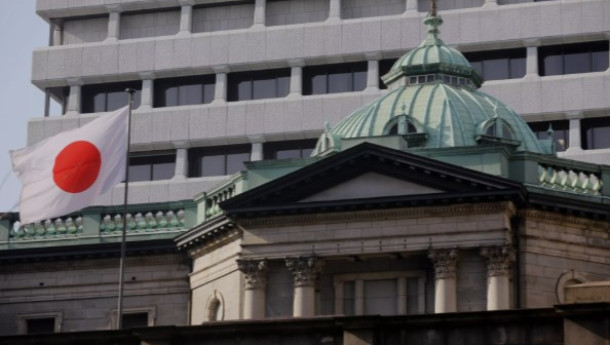
Bank of Japan Governor Kazuo Ueda will evaluate the need to raise interest rates this Friday amid rising expectations for a hike, unless market disruptions arise from Donald Trump’s early presidency. Unlike central banks worldwide focused on rate cuts, the BOJ aims to move towards more conventional monetary policy.
Japan is nearing stable inflation, supported by strong wage growth, which could allow the BOJ to raise borrowing costs above the current 0.25%. Approximately 90% of economists surveyed by Bloomberg believe economic conditions justify a rate increase, with many expecting action this week. Overnight swaps indicate traders have nearly fully priced in a January hike.
BOJ officials see a favorable chance for a rate increase, contingent on avoiding significant negative surprises from Trump. Factors like potential upward revisions of price forecasts and robust wage growth support this move. The yen's performance, currently around the 160 level against the dollar, is also a consideration, as a rate hike would help narrow the interest rate gap between the U.S. and Japan.
Additionally, Trump’s inauguration is expected to influence financial markets, overshadowing events like the World Economic Forum in Davos, where he is set to speak. Overall, the BOJ's potential rate hike reflects a shift toward addressing Japan's economic stability and inflation, while external political factors introduce uncertainty.
Turkey Central Bank Sending Mixed Signals on Easing Path
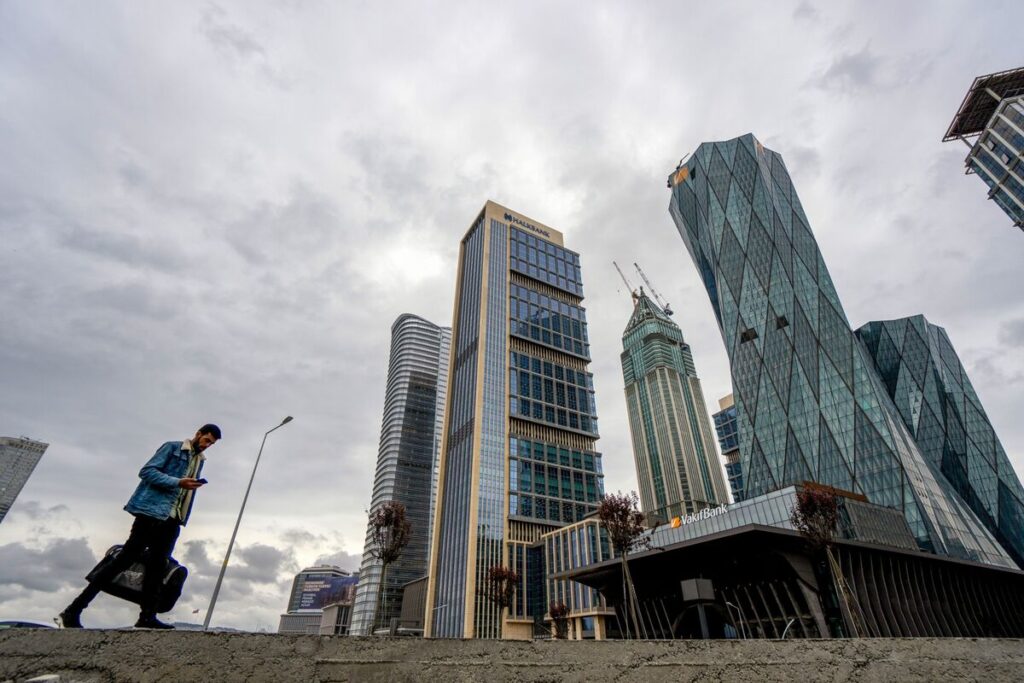
Investors say they are receiving mixed signals from Turkish central bank officials on the pace of interest-rate cuts after the first reduction in almost two years last month. The Governor Fatih Karahan appeared comfortable with expectations for regular cuts at a pace similar to the 250 basis-point lowering enacted in December, with no pauses in the near term. Still, he stressed this would be reviewed on a meeting-by-meeting basis, the people said, requesting anonymity as the talks were private.
That’s different from the tone adopted by Deputy Governor Cevdet Akcay on at least two occasions this month and in December. Bloomberg News has reported him saying the downward path doesn’t necessarily have to be uninterrupted amid anticipation of consecutive sizeable cuts by analysts, and would be dependent on inflation.
Turkey’s central bank is faced with a delicate task in 2025 — to reduce interest rates by enough to help grow an economy that entered a technical recession in the third quarter while keeping up the fight against stubbornly high inflation.
Annual price growth slowed to 44.4% last month from 47% in November, still nearly nine times the official target, highlighting the scale of the challenge ahead. The central bank is aiming for the figure to drop to 21% by the end of the year. December’s interest-rate cut was larger than what markets were expecting. Six analysts surveyed by Bloomberg now expect another 250 basis point cut on Thursday, which would bring the rate to 45%.
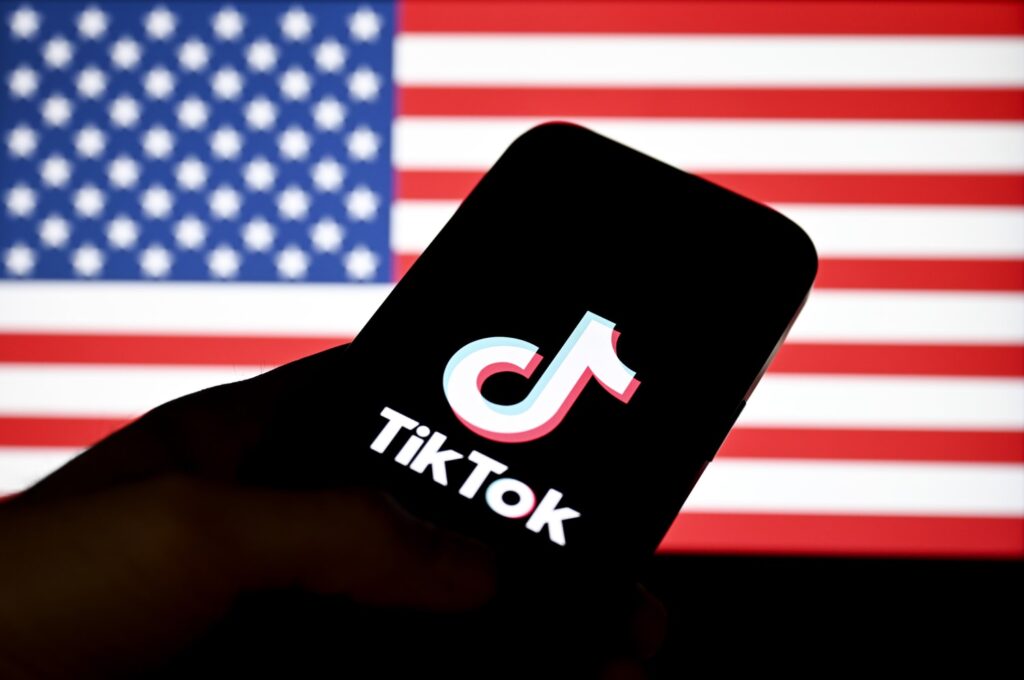
TikTok’s time is up. Can Donald Trump save it?
TikTok suspended its services for US-based users while Apple Inc. and Google removed the platform from their mobile app stores to avoid penalties under a new law, as the social media company awaits a possible reprieve from President-elect Donald Trump to continue operations.
Apple and Google removed TikTok from their mobile app stores in the US as required by a law that took effect Sunday. TikTok’s legal challenges failed to head off the measure, which was passed last year to address national security concerns. Trump said Saturday he would “most likely” give TikTok a 90-day reprieve from the law, providing Chinese-owned parent company ByteDance Ltd. more time to find a buyer.
It was TikTok’s choice to suspend availability late Saturday. The controversial law requires tech companies that host or distribute TikTok in the US – such as Apple, Google and Oracle Corp. – to stop doing so on Jan. 19. Companies found in violation could face enormous penalties determined by “multiplying 5,000 USD by the number of users,” according to the law. In a country where roughly half the population is on TikTok — the app claims 170 million monthly US users — those fines could add up quickly.
Removing the app from the app stores would not have shut off the service immediately; TikTokers who’d already downloaded it would have been able to continue using it, but would not have been able to install software updates. The app would have deteriorated over time until becoming unusable. By preemptively taking the platform offline all at once, and earlier than anticipated, TikTok has a chance of mobilizing its enormous user base into protest. It’s possible users will demand action from political leaders like Trump to reverse the ban.

التطورات الاقتصادية الرئيسية وسط عدم اليقين
جلب هذا الأسبوع بعض الوضوح بشأن عدم اليقين الاقتصادي المستمر والتحديات الجيوسياسية، خاصة فيما يتعلق بمخاطر السوق والسياسات الأمريكية والوضع في الشرق الأوسط.
أشارت إدارة ترامب القادمة إلى نهج تدريجي في تطبيق الرسوم الجمركية على الواردات، مما قد يساعد في تخفيف مخاطر التضخم وتقليل ردود الفعل من الشركاء التجاريين. في الوقت نفسه، جاءت بيانات التضخم في الولايات المتحدة أقل بقليل من المتوقع، إلى جانب أرقام CPI غير المشجعة في المملكة المتحدة لشهر ديسمبر. شهد الأسبوع أيضًا وقف إطلاق نار كبير بين إسرائيل وحماس، إلى جانب نمو الناتج المحلي الإجمالي في الصين في الربع الرابع الذي جاء أفضل من المتوقع.
كانت بيانات CPI في الولايات المتحدة هي الأكثر متابعة، حيث أظهرت أن التضخم الأساسي تباطأ إلى 0.23% شهريًا في ديسمبر، مما كسر سلسلة الزيادات التي بلغت 0.3%، ويرجع ذلك بشكل أساسي إلى تراجع أسعار السلع الأساسية. بعد ذلك، أدت تعليقات محافظ الاحتياطي الفيدرالي وولر الداعمة إلى إمكانية خفض أسعار الفائدة في مارس، مما أدى إلى انخفاض بنسبة 17 نقطة أساس في عائدات سندات الخزانة الأمريكية لأجل 10 سنوات بنهاية الأسبوع، على الرغم من بيانات مبيعات التجزئة القوية لشهر ديسمبر.
مع النظر إلى المستقبل، سيظل المستثمرون يركزون على بيانات التضخم وسوق العمل الأمريكية، مع بقاء التضخم أعلى من هدف الاحتياطي الفيدرالي البالغ 2%. حاليًا، تتوقع الأسواق حوالي 40 نقطة أساس من التخفيضات من الاحتياطي الفيدرالي، و100 نقطة أساس من البنك المركزي الأوروبي، و65 نقطة أساس من بنك إنجلترا. تأمل البنوك المركزية في الأسواق الناشئة في مزيد من تخفيضات أسعار الفائدة الأمريكية حتى عام 2025. بينما حافظت بولندا ورومانيا وكوريا على أسعار الفائدة، فاجأت إندونيسيا السوق بخفض أسعار الفائدة لدعم النمو المحلي.
علاوة على ذلك، أدت العقوبات الأمريكية الجديدة التي تستهدف قطاع الطاقة الروسي إلى ارتفاع مؤقت في أسعار النفط (ارتفعت أسعار WTI بنسبة 4.5% لتصل إلى 80 دولارًا)، لكن تم تقليص هذه المكاسب جزئيًا مع ظهور مناقشات حول السياسات اللازمة لخفض أسعار المستهلك.
صندوق النقد الدولي يكمل مراجعة تسهيل التمويل الممتد للأرجنتين لعام 2022
نشر صندوق النقد الدولي الأسبوع الماضي تقييمه اللاحق للوصول الاستثنائي بموجب تسهيل التمويل الممتد لعام 2022. وأكدت المراجعة على التحسن الكبير في أداء البرنامج لعام 2024، نظرًا للالتزام القوي للسلطات الحالية بتعديل السياسات المالية والأثر الإيجابي على التضخم. وهذا يتناقض مع الأداء الضعيف للبلاد في 2022-2023، بسبب تأخر تنفيذ الإصلاحات والصدمات السلبية الكبيرة. هناك حاجة إلى مزيد من التفكير في نهج الصندوق تجاه البلدان التي تعاني من مشاكل واسعة في ميزان المدفوعات، والتي لا يمكن حلها من خلال برنامج واحد فقط.
تضمنت مجالات التفكير الإضافية القصور في المساعدة الفنية المقدمة قبل إعادة الهيكلة في 2020 خارج إطار برنامج رسمي، والموافقات المتكررة على المراجعات رغم وجود ضوابط مؤقتة على أسعار الصرف، والتدابير الاحتياطية المحتملة عندما تكون مخاطر البرنامج مرتفعة، وكيفية تعامل الصندوق ومساهميه مع الضغوط السياسية.
لم تكن نتائج المراجعة اللاحقة مفاجئة، وإكمالها يعد خطوة إيجابية نحو الوصول إلى اتفاق جديد مع الصندوق في النهاية. نتوقع أن يتضمن البرنامج الجديد تعديلات مالية أكثر استدامة، وطريقة للتخلص من ضوابط أسعار الصرف، وتطور السياسة النقدية نحو معدلات حقيقية إيجابية. يشير تخفيض البنك المركزي لفترة التعديل من 2% إلى 1%، جنبًا إلى جنب مع مدخلات السلطات في المراجعة اللاحقة، إلى أن الحكومة ترى النظام الحالي لأسعار الصرف كعنصر من عناصر المسار الأفضل تجاه التضخم.
بينما لا نتوقع أن يتغير هذا بشكل جوهري قبل الانتخابات النصفية في أغسطس، نعتقد أن السلطات ستكون لديها رغبة في تطوير موقفها في سياق اقتصادي وسياسي أقوى.
من المتوقع أن يرفع بنك اليابان أسعار الفائدة، مع الأخذ في الاعتبار ترامب
سيقوم محافظ بنك اليابان، كازو أويEDA، بتقييم الحاجة إلى رفع أسعار الفائدة يوم الجمعة المقبل، وسط توقعات متزايدة بحدوث زيادة، ما لم تحدث اضطرابات في السوق بسبب الأيام الأولى من رئاسة دونالد ترامب. على عكس البنوك المركزية في جميع أنحاء العالم التي تركز على خفض الأسعار، يسعى بنك اليابان إلى التحول نحو سياسة نقدية أكثر تقليدية.
تقترب اليابان من تحقيق استقرار التضخم، مدعومة بنمو قوي في الأجور، مما قد يسمح لبنك اليابان برفع تكلفة الاقتراض فوق المستوى الحالي البالغ 0.25%. يعتقد حوالي 90% من الاقتصاديين الذين شملهم استطلاع بلومبرغ أن الظروف الاقتصادية تبرر زيادة الأسعار، مع توقع العديد منهم اتخاذ إجراء هذا الأسبوع. تشير عقود التبادل الليلية إلى أن المتداولين قد سعّروا تقريبًا زيادة في يناير.
يرى مسؤولو بنك اليابان فرصة مواتية لزيادة الأسعار، شريطة تجنب المفاجآت السلبية الكبيرة من ترامب. تدعم عوامل مثل التعديلات المحتملة التصاعدية لتوقعات الأسعار ونمو الأجور القوي هذه الخطوة. أداء الين، الذي يتداول حاليًا حول مستوى 160 مقابل الدولار، هو أيضًا اعت Consideration، حيث ستساعد زيادة الأسعار في تضييق الفجوة بين أسعار الفائدة في الولايات المتحدة واليابان.
بالإضافة إلى ذلك، من المتوقع أن تؤثر تنصيب ترامب على الأسواق المالية، متجاوزة الأحداث مثل المنتدى الاقتصادي العالمي في دافوس، حيث من المقرر أن يتحدث. بشكل عام، تعكس الزيادة المحتملة في أسعار الفائدة من قبل بنك اليابان تحولًا نحو معالجة استقرار الاقتصاد الياباني والتضخم، بينما تضيف العوامل السياسية الخارجية عنصر عدم اليقين.
إشارات متضاربة من البنك المركزي التركي بشأن مسار تخفيض الفائدة
يقول المستثمرون إنهم يتلقون إشارات متضاربة من مسؤولي البنك المركزي التركي حول وتيرة تخفيض أسعار الفائدة بعد أول تخفيض في ما يقرب من عامين الشهر الماضي. بدا المحافظ فاتيح كارهان مرتاحًا لتوقعات التخفيضات المنتظمة بمعدل مشابه للتخفيض البالغ 250 نقطة أساس الذي تم تنفيذه في ديسمبر، دون توقف في المدى القريب. ومع ذلك، أكد أن هذا سيتم مراجعته في كل اجتماع على حدة، وفقًا لما ذكره الأشخاص الذين طلبوا عدم الكشف عن هويتهم لأن المحادثات كانت خاصة.
هذا يتعارض مع النبرة التي اعتمدها نائب المحافظ جودت أكجا في مناسبتين على الأقل هذا الشهر وفي ديسمبر. وقد أفادت تقارير بلومبرغ بأنه قال إن المسار التنازلي لا يجب بالضرورة أن يكون غير متقطع وسط توقعات المحللين بتخفيضات كبيرة متتالية، وأنه سيكون معتمدًا على التضخم.
يواجه البنك المركزي التركي مهمة حساسة في عام 2025 - وهي تخفيض أسعار الفائدة بما يكفي لمساعدة الاقتصاد الذي دخل في ركود تقني في الربع الثالث، مع الاستمرار في مكافحة التضخم المرتفع بشكل عنيد.
تباطأ نمو الأسعار السنوي إلى 44.4% الشهر الماضي من 47% في نوفمبر، ولا يزال قريبًا من تسع مرات من الهدف الرسمي، مما يبرز حجم التحدي المقبل. يهدف البنك المركزي إلى خفض هذا الرقم إلى 21% بحلول نهاية العام. كان تخفيض سعر الفائدة في ديسمبر أكبر مما كانت الأسواق تتوقع. يتوقع ستة محللين شملهم استطلاع بلومبرغ الآن تخفيضًا آخر بمقدار 250 نقطة أساس يوم الخميس، مما سيخفض السعر إلى 45%.
نتهى وقت تيك توك. هل يمكن لدونالد ترامب إنقاذه؟
أوقف تيك توك خدماته للمستخدمين في الولايات المتحدة بينما قامت شركتا آبل وجوجل بإزالة المنصة من متاجر تطبيقاتهما المحمولة لتجنب العقوبات بموجب قانون جديد، حيث تنتظر الشركة الاجتماعية احتمالية الحصول على عفو من الرئيس المنتخب دونالد ترامب لمواصلة العمليات.
قامت آبل وجوجل بإزالة تيك توك من متاجر تطبيقاتها في الولايات المتحدة كما هو مطلوب بموجب قانون دخل حيز التنفيذ يوم الأحد. لم تتمكن التحديات القانونية لتيك توك من منع هذا الإجراء، الذي تم تمريره العام الماضي لمعالجة مخاوف الأمن القومي. قال ترامب يوم السبت إنه "من المحتمل جدًا" أن يمنح تيك توك فترة 90 يومًا من القانون، مما يوفر للشركة الأم الصينية بايت دانس مزيدًا من الوقت للعثور على مشترٍ.
كانت خيار تيك توك هو تعليق التوافر مساء السبت. يتطلب القانون المثير للجدل من شركات التكنولوجيا التي تستضيف أو توزع تيك توك في الولايات المتحدة - مثل آبل، جوجل، وأوراكل - التوقف عن القيام بذلك في 19 يناير. الشركات التي تثبت انتهاكها قد تواجه عقوبات ضخمة تحدد بـ "ضرب 5,000 دولار بعدد المستخدمين"، وفقًا للقانون. في بلد حيث تقارب نصف السكان يستخدمون تيك توك - حيث يدعي التطبيق وجود 170 مليون مستخدم شهري في الولايات المتحدة - يمكن أن تتراكم تلك الغرامات بسرعة.
إزالة التطبيق من متاجر التطبيقات لم تكن ستغلق الخدمة على الفور؛ فالمستخدمون الذين قاموا بتحميله بالفعل كانوا سيتمكنون من الاستمرار في استخدامه، لكنهم لن يكونوا قادرين على تثبيت التحديثات البرمجية. كان التطبيق سيتدهور بمرور الوقت حتى يصبح غير قابل للاستخدام. من خلال اتخاذ قرار مسبق بإغلاق المنصة دفعة واحدة، وفي وقت أبكر مما هو متوقع، لدى تيك توك فرصة لتحفيز قاعدته الضخمة من المستخدمين للاحتجاج. من الممكن أن يطالب المستخدمون باتخاذ إجراءات من القادة السياسيين مثل ترامب لعكس الحظر.
Stay up to date
More Newsletter to Check


SUBSCRIBE TO NEWSLETTER
Subscribe to download our daily economics and business roundup


×
![]()