Oil holds above USD 100 as Saudi Arabia's escape route stays shut.
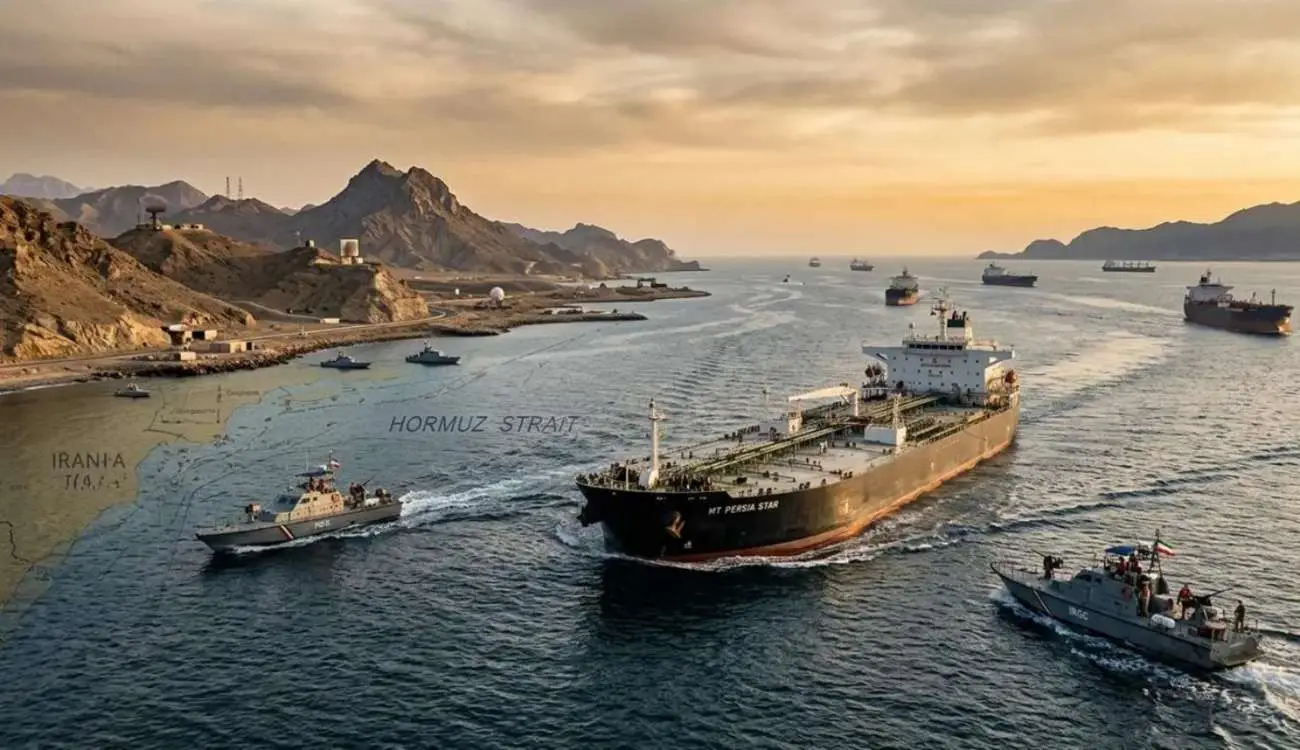
Brent ended the week at USD 104 a barrel, its floor now set by a single piece of damaged infrastructure. Saudi Arabia's East-West pipeline, which carries crude across the kingdom to the Red Sea and is the most important way around the Strait of Hormuz, has been shut since drones struck it on September 10th. The Houthis, meanwhile, are hitting Saudi territory almost daily, with strikes reaching Riyadh itself. Aramco has kept barrels moving by loading them in the Gulf and transferring them ship-to-ship off Oman, but that sends them straight back towards the chokepoint the pipeline was built to avoid. A market that expected a glut this year is instead paying for fragility.
Nobody agrees on when the pipeline comes back.
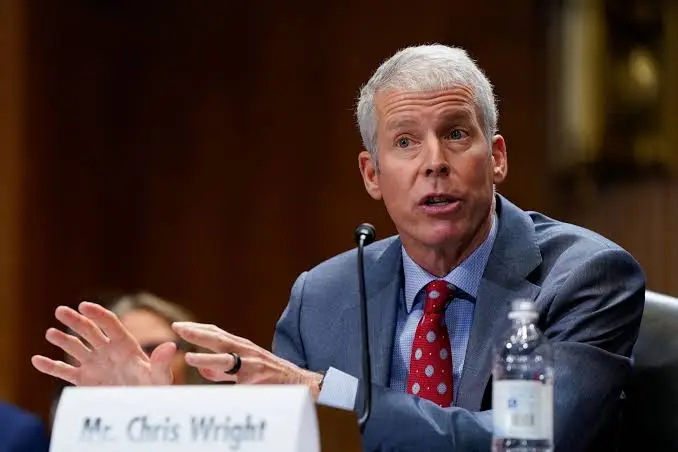
America's energy secretary, Chris Wright, says crude will flow again within days. Saudi officials are more cautious: they aim to restore about half the line's capacity in days by bypassing the damaged section, with full capacity in around six weeks. The gap matters. Every week of lost exports costs the Saudi government an estimated USD4bn, roughly 0.3% of GDP, and storage at Yanbu offers only a few days' cover. Markets will watch the Saudi timetable more closely than the American one.
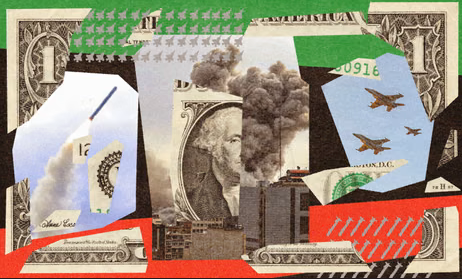
The Iran war has cost America USD 38 bn so far.
That is the direct bill over five months, according to a congressional study, and each additional month adds at least USD 2 bn- USD 3 bn. The estimate leaves out the costs households feel most. American diesel prices keep setting records, pushing up the cost of moving freight and, with a lag, the price of almost everything on the shelves. Those are the costs voters will notice first.
The war is also lifting borrowing costs.
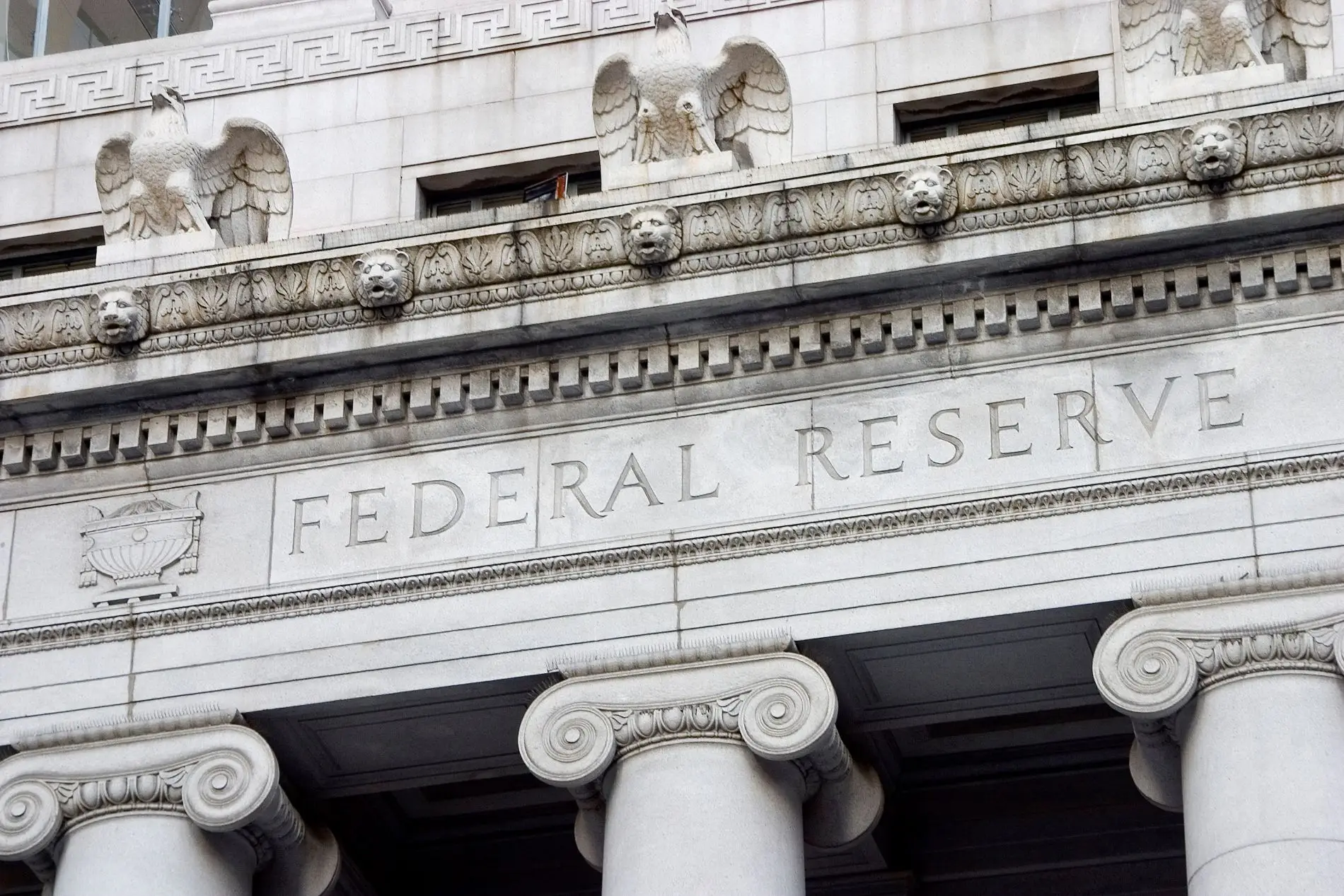
The Federal Reserve raised its benchmark rate by a quarter-point, to 3.75-4.00%, its first increase under Kevin Warsh, and 16 of its 18 policymakers expect at least one more this year. Ten-year Treasury yields have climbed to their highest since 2007. Before the war began, markets had expected rates to fall in 2026. Energy prices changed that, pushing inflation back up just as the labour market reaccelerated and leaving the Fed little room to wait. Officials now do not expect inflation to return to 2% until 2029.
The Gulf imports America's tighter money.
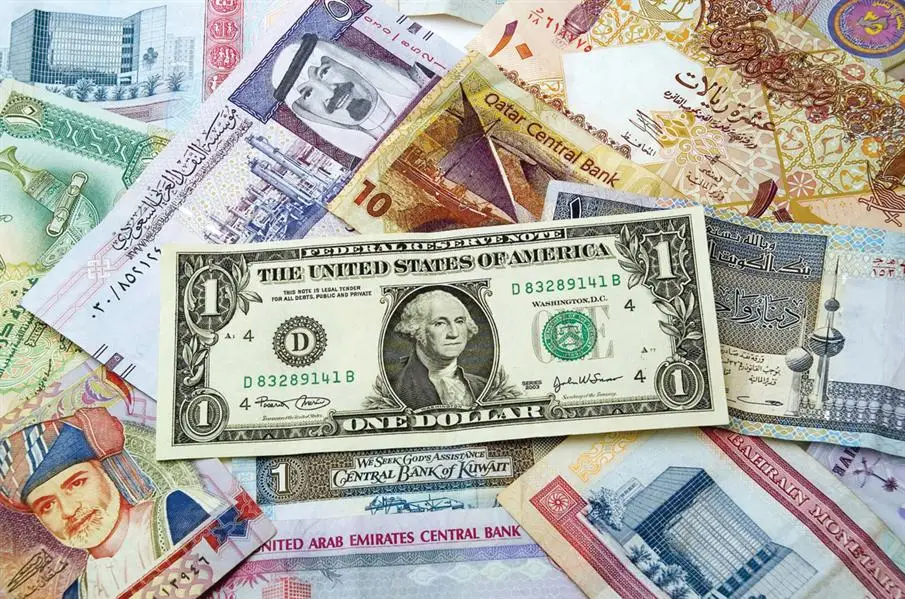
Within hours of the Fed's decision, Saudi Arabia, the UAE, Qatar, Oman and Bahrain all raised their own rates by a quarter-point; Saudi Arabia's repo rate now stands at 4.5%. Most Gulf states peg their currencies to the dollar, so they must shadow American monetary policy whatever their local conditions. Only Kuwait, whose dinar is pegged to a basket of currencies, held steady. The timing is awkward: credit tightens just as governments facing lower export volumes might have preferred to ease. Fiscal policy will have to do the supporting.
النفط يبقى فوق 100 دولار مع استمرار إغلاق منفذ السعودية الرئيسي.
أنهى خام برنت الأسبوع عند 104 دولارات للبرميل، وبات حدّه الأدنى مرهوناً بمنشأة واحدة متضررة. فخط أنابيب "الشرق-الغرب" السعودي، الذي ينقل الخام عبر المملكة إلى البحر الأحمر ويُعد أهم طريق لتجاوز مضيق هرمز، متوقف منذ استهدافه بطائرات مسيّرة في 10 سبتمبر. في الأثناء، يضرب الحوثيون الأراضي السعودية بشكل شبه يومي، ووصلت ضرباتهم إلى الرياض نفسها. وقد أبقت "أرامكو" البراميل في حركة عبر تحميلها في الخليج ونقلها من سفينة إلى أخرى قبالة عُمان، لكن ذلك يعيدها مباشرة نحو المضيق الذي بُني الخط لتفاديه. سوقٌ كانت تتوقع تخمة هذا العام باتت تدفع ثمن الهشاشة.
لا اتفاق على موعد عودة خط الأنابيب.
يقول وزير الطاقة الأمريكي كريس رايت إن الخام سيعود للتدفق خلال أيام. أما المسؤولون السعوديون فأكثر حذراً، إذ يستهدفون استعادة نحو نصف طاقة الخط خلال أيام عبر تجاوز الجزء المتضرر، والطاقة الكاملة خلال نحو ستة أسابيع. والفارق مهم؛ فكل أسبوع من الصادرات المفقودة يكلّف الحكومة السعودية نحو 4 مليارات دولار، أي قرابة 0.3% من الناتج المحلي، فيما لا توفر مخزونات ينبع سوى غطاء لأيام قليلة. وستراقب الأسواق الجدول الزمني السعودي عن كثب أكثر من الأمريكي.
حرب إيران كلّفت أمريكا 38 مليار دولار حتى الآن.
هذه هي الفاتورة المباشرة على مدى خمسة أشهر وفق دراسة للكونغرس، ويضيف كل شهر إضافي ما لا يقل عن 2 إلى 3 مليارات دولار. ولا يشمل التقدير التكاليف التي تشعر بها الأسر أكثر من غيرها؛ إذ تواصل أسعار الديزل الأمريكية تسجيل مستويات قياسية، ما يرفع كلفة نقل البضائع، ومع الوقت أسعار كل ما على الرفوف تقريباً. وهذه هي التكاليف التي سيلاحظها الناخبون أولاً.
الحرب ترفع كلفة الاقتراض أيضاً.
رفع الاحتياطي الفيدرالي سعر الفائدة الرئيسي ربع نقطة إلى 3.75-4.00%، في أول زيادة في عهد كيفن وورش، ويتوقع 16 من أصل 18 من صانعي السياسة رفعاً إضافياً واحداً على الأقل هذا العام. وصعدت عوائد سندات الخزانة لأجل عشر سنوات إلى أعلى مستوى منذ 2007. وقبل اندلاع الحرب، كانت الأسواق تتوقع خفض الفائدة في 2026. لكن أسعار الطاقة غيّرت ذلك، إذ أعادت دفع التضخم للارتفاع في وقت عاود فيه سوق العمل التسارع، ما ترك للفيدرالي مساحة ضئيلة للانتظار. ولا يتوقع المسؤولون الآن عودة التضخم إلى 2% قبل 2029.
الخليج يستورد السياسة النقدية الأمريكية المشددة.
خلال ساعات من قرار الفيدرالي، رفعت السعودية والإمارات وقطر وعُمان والبحرين أسعار الفائدة لديها ربع نقطة، ليبلغ سعر إعادة الشراء السعودي 4.5%. وتربط معظم دول الخليج عملاتها بالدولار، ما يلزمها بمجاراة السياسة النقدية الأمريكية بصرف النظر عن ظروفها المحلية. وحدها الكويت، التي يرتبط دينارها بسلة عملات، أبقت الفائدة دون تغيير. والتوقيت غير مريح؛ فالائتمان يزداد تشدداً في وقت ربما فضّلت فيه حكومات تواجه تراجعاً في أحجام الصادرات التيسير. وسيتعين على السياسة المالية أن تتولى مهمة الدعم. «كل حرب ترسل فاتورتين: واحدة إلى الخزانة، وأخرى إلى محطة الوقود.»
Stay up to date
More Newsletter to Check
MMT: Dubai inflation rose to 5.5% in August, prompting Emirates NBD to nearly double its year-end forecast.
Read MoreKP: Monsha’at and STC Bank lined up SAR 5 bn in shariah-compliant SME financing.
Read More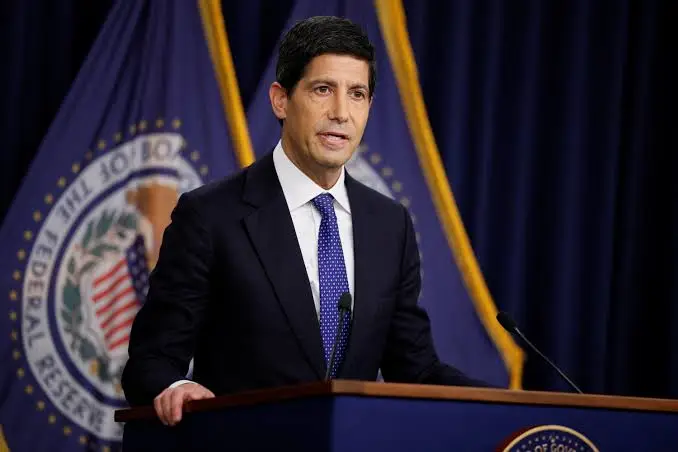
MMT: The Fed raised rates a quarter point to 3.75-4.00% and signalled more tightening ahead
Read MoreSUBSCRIBE TO NEWSLETTER
Subscribe to download our daily economics and business roundup


×
![]()