
GE: Oil Hits $110 and Diesel Tops $200 as Trump Threatens Escalation

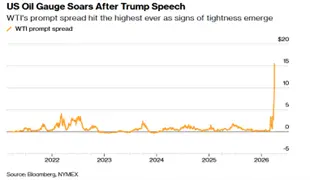
Oil Hits $110 and Diesel Tops $200 as Trump Threatens Escalation.
Trump's speech wrong-footed markets that had priced in ceasefire talk, instead delivering an escalation pledge with direct threats against Iranian oil facilities and power plants — sending WTI prompt spreads to all-time highs. Refined fuel markets are flashing the louder warning: European diesel surged as buyers scrambled globally for available cargoes, a leading indicator of the inflationary hit yet to fully land. With the strait closed for over a month and inventories eroding, analysts warn physical tightness will cascade from Asia to global markets until prices force demand destruction. The sole relief signal: Iran is reportedly drafting a monitoring protocol with Oman, and three tankers broadcasting Omani ownership were tracked hugging the coastline into the strait.
US Stock Futures Gain on Report of Ceasefire Push.
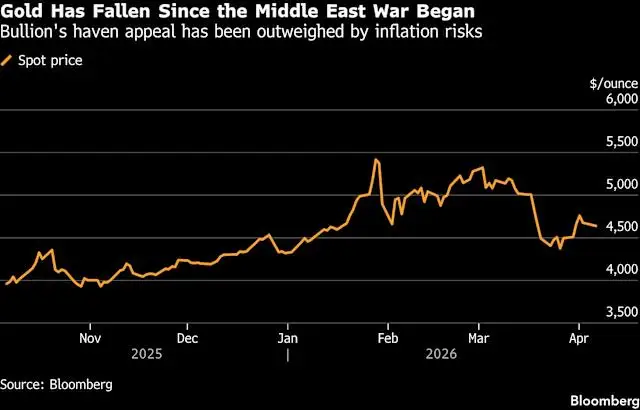
Markets opened Monday with cautious optimism, with S&P 500 futures up 0.3% and Brent easing to around $108/bbl, as reports emerged of US allies pushing for a 45-day ceasefire deal with Iran. The prospect of de-escalation drove sentiment in thin post-Easter trading, with the dollar weakening and 10-year Treasury yields holding near 4.34%. Adding to the tentative relief, a French container ship and a Japanese-owned tanker completed Hormuz transits last week, while two Qatari LNG tankers are attempting to exit the Gulf a move being closely watched as it would mark the first LNG exports outside the region since the war began. However, the optimism remains fragile: Iran's Foreign Ministry dismissed the ceasefire proposal, chances of a deal within 48 hours were described as low, and Trump simultaneously threatened to blow up Iranian civilian infrastructure if no deal is reached, with a Tuesday 8pm deadline posted without elaboration. As one analyst put it, the mix of coercion and negotiation leaves markets without a stable reference point — the rebound is tactical, not a signal of genuine macro improvement.
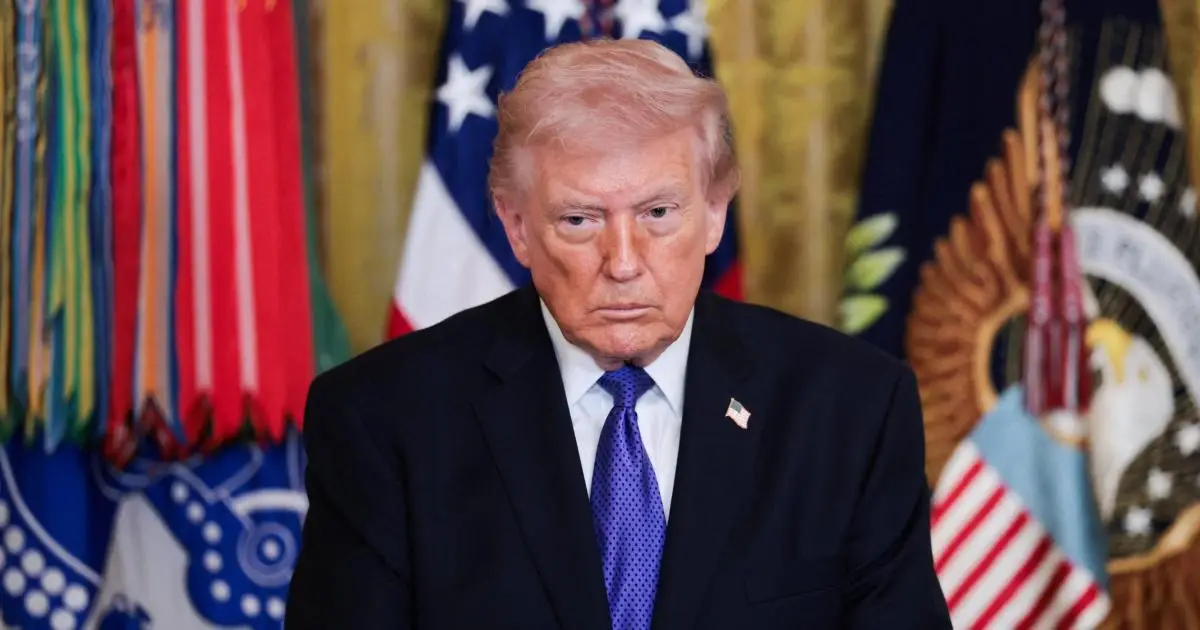
The War's Economic Damage Deepens.
Hopes for de-escalation gave way to further escalation last week, with all three warring parties the US, Iran, and Israel believing they are winning and a profound lack of trust blocking negotiation. Trump's address confirmed the intent to end the war within two weeks but offered no clarity on how. The economic damage is broadening. Parts of Asia and Africa are entering Phase Three where the concern shifts from high energy prices to physical supply availability — while Europe lags a few weeks behind and the US remains largely contained within Phases One and Two. The IMF sharpened its warning, noting that all roads from the conflict lead to "higher prices and lower growth," ahead of its Spring Meetings outlook update. Hard data is catching up: Eurozone CPI rose to 2.5% and US ISM Prices Paid jumped to 78.3, a three-year high. Geopolitically, France joined Canada in calling for a "middle powers bloc" within the G7 — a more significant challenge to US economic leadership than any previous BRICS-led effort.
First Western ships cross Hormuz as Qatari LNG tankers attempt breakthrough transit.
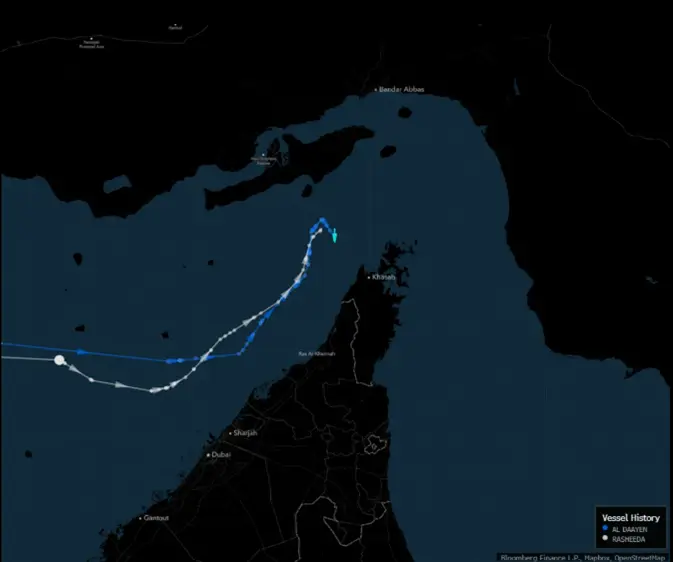
A French container ship and a Japanese-owned LNG tanker have become the first Western-linked vessels to cross the Strait of Hormuz since the war began, marking a potential shift in Iran's selective transit policy. The CMA CGM Kribi exited the strait on Friday by hugging the Iranian coast, while Mitsui OSK's Sohar LNG tanker took the emerging Omani coastline route — both transits appearing to reflect either diplomatic progress or company-level negotiations with Tehran, as France and Japan had both called for a ceasefire earlier in the week. Iran has been operating an informal approval system, with some vessels reportedly paying transit fees, while cementing longer-term toll infrastructure for the waterway. Against this backdrop, two Qatari LNG tankers the Al Daayen and Rasheeda, loaded at Ras Laffan in late February — are now attempting their own Hormuz crossing, a move being watched as the first potential LNG export to buyers outside the region since the conflict began. The Al Daayen is signalling China as its destination. Both vessels slowed and pulled back slightly before the strait's opening, leaving the outcome uncertain. A successful Qatari transit would be the most significant signal yet that energy flows through Hormuz may be cautiously resuming.

النفط يصل إلى 110 دولارات والديزل يتجاوز 200 دولار مع تهديدات ترامب بالتصعيد
أربك خطاب ترامب الأسواق التي كانت تتوقع محادثات وقف إطلاق النار، إذ تعهد بدلاً من ذلك بالتصعيد مع تهديدات مباشرة ضد منشآت النفط ومحطات توليد الطاقة الإيرانية، مما أدى إلى ارتفاع هوامش الربح الفورية لخام غرب تكساس الوسيط إلى مستويات قياسية. وتُطلق أسواق الوقود المكرر تحذيراً أقوى: فقد ارتفع سعر الديزل الأوروبي مع تهافت المشترين عالمياً على الشحنات المتاحة، وهو مؤشر رئيسي على التأثير التضخمي الذي لم يظهر بعد بشكل كامل. ومع إغلاق المضيق لأكثر من شهر وتآكل المخزونات، يحذر المحللون من أن النقص في المعروض سينتقل من آسيا إلى الأسواق العالمية حتى تؤدي الأسعار إلى انهيار الطلب. والإشارة الوحيدة المطمئنة هي أن إيران تُعدّ بروتوكول مراقبة مع عُمان، وتم رصد ثلاث ناقلات نفط عُمانية وهي تقترب من الساحل باتجاه المضيق.
ارتفاع العقود الآجلة للأسهم الأمريكية بعد أنباء عن مساعي لوقف إطلاق النار.
افتتحت الأسواق يوم الاثنين بتفاؤل حذر، حيث ارتفعت العقود الآجلة لمؤشر ستاندرد آند بورز 500 بنسبة 0.3%، وانخفض سعر خام برنت إلى حوالي 108 دولارات للبرميل، مع ورود تقارير تفيد بأن حلفاء الولايات المتحدة يضغطون من أجل التوصل إلى اتفاق لوقف إطلاق النار مع إيران لمدة 45 يومًا. وقد عززت احتمالية خفض التصعيد المعنويات في تداولات ما بعد عيد الفصح، حيث انخفض الدولار واستقرت عوائد سندات الخزانة الأمريكية لأجل 10 سنوات قرب 4.34%. ومما زاد من الارتياح المبدئي، إتمام سفينة حاويات فرنسية وناقلة نفط يابانية عبور مضيق هرمز الأسبوع الماضي، بينما تحاول ناقلتان قطريتان للغاز الطبيعي المسال مغادرة الخليج، وهي خطوة تحظى بمتابعة دقيقة لأنها ستمثل أول صادرات للغاز الطبيعي المسال خارج المنطقة منذ بدء الحرب. ومع ذلك، لا يزال التفاؤل هشًا: فقد رفضت وزارة الخارجية الإيرانية مقترح وقف إطلاق النار، ووُصفت فرص التوصل إلى اتفاق في غضون 48 ساعة بأنها ضئيلة، وفي الوقت نفسه هدد ترامب بتفجير البنية التحتية المدنية الإيرانية إذا لم يتم التوصل إلى اتفاق، وحدد مهلة نهائية يوم الثلاثاء الساعة 8 مساءً دون توضيح. كما قال أحد المحللين، فإن مزيج الإكراه والتفاوض يترك الأسواق بلا مرجعية ثابتة، فالانتعاش تكتيكي وليس مؤشراً على تحسن حقيقي في الاقتصاد الكلي.
تتفاقم الأضرار الاقتصادية للحرب.
تلاشت آمال خفض التصعيد لصالح تصعيد إضافي الأسبوع الماضي، حيث يعتقد كل من الأطراف المتحاربة الثلاثة - الولايات المتحدة وإيران وإسرائيل - أنه يحقق النصر، بينما يعيق انعدام الثقة العميق المفاوضات. أكد خطاب ترامب نيته إنهاء الحرب في غضون أسبوعين، لكنه لم يوضح كيفية تحقيق ذلك. تتسع رقعة الأضرار الاقتصادية. تدخل أجزاء من آسيا وأفريقيا المرحلة الثالثة، حيث يتحول القلق من ارتفاع أسعار الطاقة إلى توافر الإمدادات المادية، بينما تتأخر أوروبا بضعة أسابيع، وتبقى الولايات المتحدة محصورة إلى حد كبير في المرحلتين الأولى والثانية. شدد صندوق النقد الدولي تحذيره، مشيراً إلى أن جميع الطرق المؤدية إلى الصراع تؤدي إلى "ارتفاع الأسعار وانخفاض النمو"، وذلك قبل تحديث توقعاته لاجتماعات الربيع. بدأت البيانات الاقتصادية الفعلية في اللحاق بالركب: فقد ارتفع مؤشر أسعار المستهلكين في منطقة اليورو إلى 2.5%، وقفز مؤشر أسعار مديري المشتريات الأمريكي إلى 78.3، وهو أعلى مستوى له في ثلاث سنوات. جيوسياسياً، انضمت فرنسا إلى كندا في الدعوة إلى تشكيل "تكتل القوى المتوسطة" ضمن مجموعة السبع، وهو ما يمثل تحدياً أكبر للقيادة الاقتصادية الأمريكية من أي جهد سابق قادته مجموعة البريكس.
عبور أولى السفن الغربية لمضيق هرمز مع محاولة ناقلات الغاز الطبيعي المسال القطرية اختراق هذا المسار. أصبحت سفينة حاويات فرنسية وناقلة غاز طبيعي مسال يابانية أول سفينتين مرتبطتين بالغرب تعبران مضيق هرمز منذ بدء الحرب، مما يشير إلى تحول محتمل في سياسة العبور الانتقائي الإيرانية. غادرت سفينة "سي إم إيه سي جي إم كريبي" المضيق يوم الجمعة بمحاذاة الساحل الإيراني، بينما سلكت ناقلة الغاز الطبيعي المسال "صحار" التابعة لشركة ميتسوي أو إس كيه طريق الساحل العماني الناشئ، ويبدو أن كلا العبورين يعكسان إما تقدماً دبلوماسياً أو مفاوضات على مستوى الشركات مع طهران، حيث دعت كل من فرنسا واليابان إلى وقف إطلاق النار في وقت سابق من الأسبوع. وتدير إيران نظام موافقة غير رسمي، حيث أفادت بعض التقارير أن بعض السفن تدفع رسوم عبور، بينما تعمل على ترسيخ بنية تحتية طويلة الأجل لرسوم العبور في الممر المائي. في هذا السياق، تحاول ناقلتا الغاز الطبيعي المسال القطريتان، الضعاين ورشيدة، اللتان تم تحميلهما في رأس لفان أواخر فبراير، عبور مضيق هرمز، في خطوة تُراقب باعتبارها أول تصدير محتمل للغاز الطبيعي المسال إلى مشترين خارج المنطقة منذ بدء النزاع. وتشير الضعاين إلى أن وجهتها هي الصين. وقد خففت السفينتان سرعتهما وتراجعتا قليلاً قبل فتح المضيق، مما يجعل النتيجة غير مؤكدة. وسيكون عبور قطري ناجح أهم مؤشر حتى الآن على إمكانية استئناف تدفقات الطاقة عبر مضيق هرمز بحذر.
Stay up to date
More Newsletter to Check



SUBSCRIBE TO NEWSLETTER
Subscribe to download our daily economics and business roundup


×
![]()