
GE: OPEC+ Balances Oil Risks From Surplus to Sanctions

OPEC+ Balances Oil Risks From Surplus to Sanctions
When OPEC+ meets this weekend, it will address several developments affecting the oil market. One issue is the emergence of a potential supply surplus, attributed to the group’s production increases earlier this year. With lower demand from China, some forecasts anticipate a significant excess in 2026. Additionally, new US sanctions may impact exports from Russia, a key OPEC+ member. These measures could lead to shifts within the alliance, as some members may seek to increase their own output, while Russia might oppose collective decisions to raise production. A one-year trade agreement between the United States and China has eased certain concerns regarding oil demand and supported Brent crude futures near $65 per barrel. In recent months, Saudi Arabia has supported higher output among OPEC+ members to regain global market share. In contrast, countries like Russia have preferred a more gradual approach.
Gold Steady Around $4,000 After China Ends Some Tax Incentives.
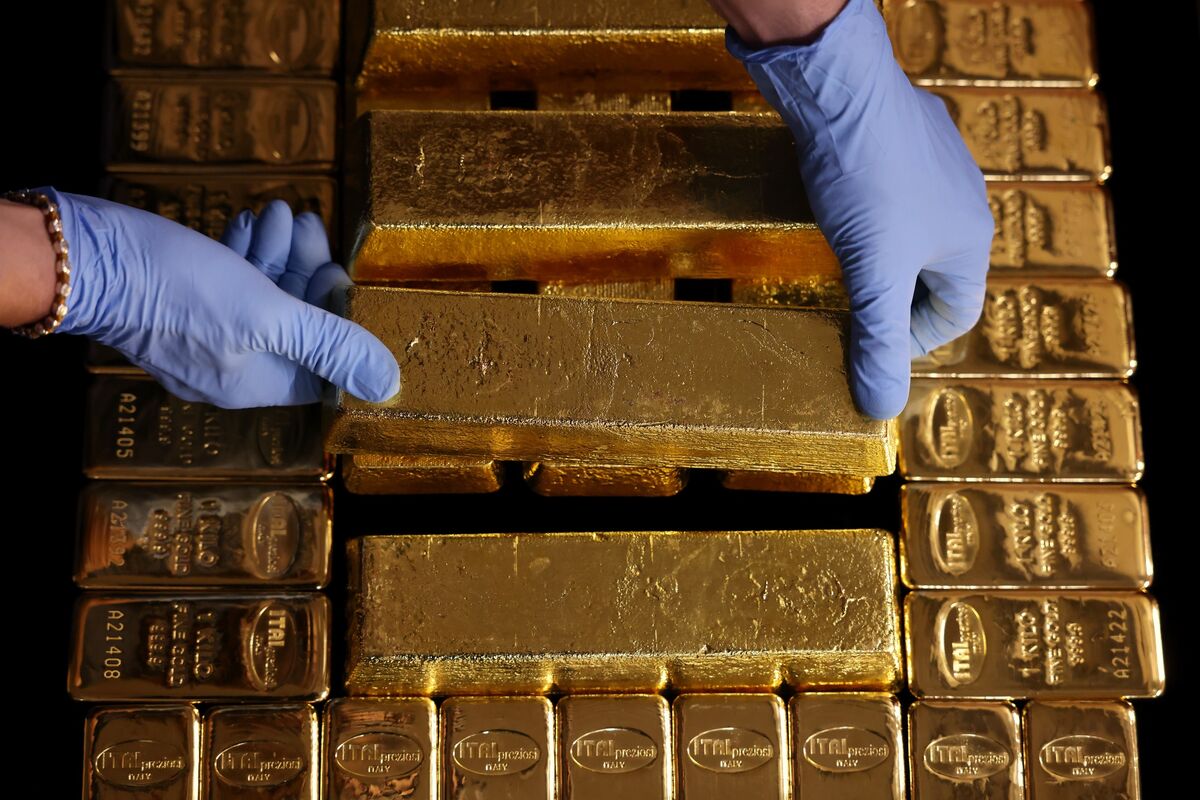
Gold prices remained near $4,000 per ounce after a slow start on Monday, following China's decision to discontinue a long-standing tax rebate for certain retailers. This change could affect demand within one of the largest precious metal markets globally. Spot gold increased 0.2%, recovering from an earlier decline of up to 1%. On Saturday, Beijing announced that some retailers would no longer be able to fully offset the value-added tax when selling gold purchased from the Shanghai Gold Exchange or Shanghai Futures Exchange, which impacted Chinese gold jewelry stocks. According to the new policy, companies producing non-investment gold—such as jewelry or industrial applications like electronics—can now offset only 6% of the VAT, reduced from the previous rate of 13%. Firms that are not members of SGE or SHFE will also be affected by this change when selling investment products like gold bars. Gold reached an all-time high in October due to increased retail buying, but has since declined significantly. Nevertheless, prices remain more than 50% higher year-to-date, even with the recent decrease. Factors such as central bank activity and safe-haven demand are expected to continue supporting the market.
Turkish Prices Ease More Than Expected in Boost to Central Bank.
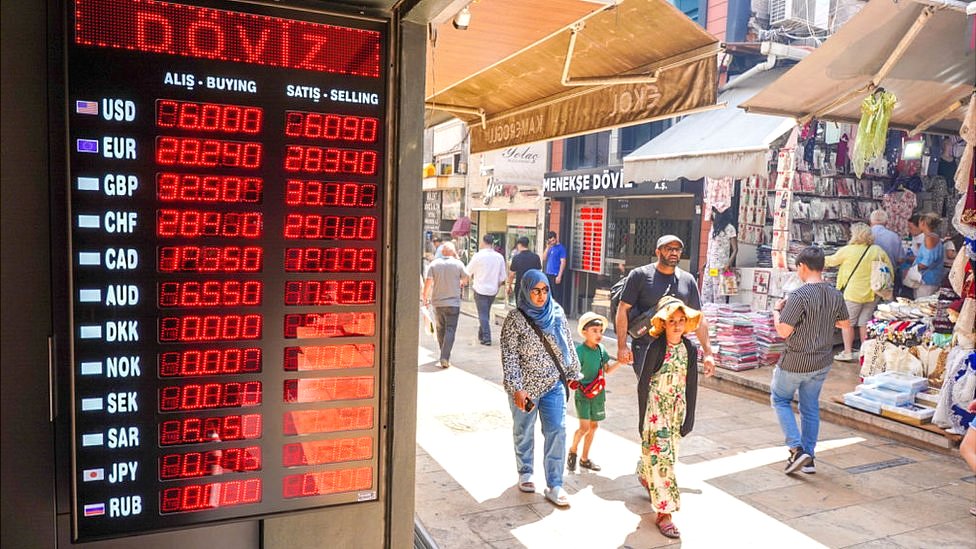
Turkish inflation decelerated more than expected in October, reinforcing the central bank’s resolve to maintain its cycle of interest rate reductions. Consumer prices increased by 32.9% year-on-year in October, down from 33.3% in the previous month. The median forecast from an 18-analyst Bloomberg survey had projected inflation would remain steady at 33.2%. The Turkish lira briefly reached a record low prior to the data release but subsequently recovered, trading flat at 42.05 to the dollar. Meanwhile, the Borsa Istanbul 100 Index advanced as much as 1.5%, primarily driven by gains in banking stocks amid expectations of further monetary easing by the central bank. On a monthly basis, upward price pressures were predominantly observed in clothing, followed by food and non-alcoholic beverages, according to official figures. The central bank had previously highlighted potential risks related to food inflation in the context of ongoing disinflation efforts during its last policy meeting.
Saudi Third-Quarter Fiscal Gap Widens on Oil Revenue Drop.
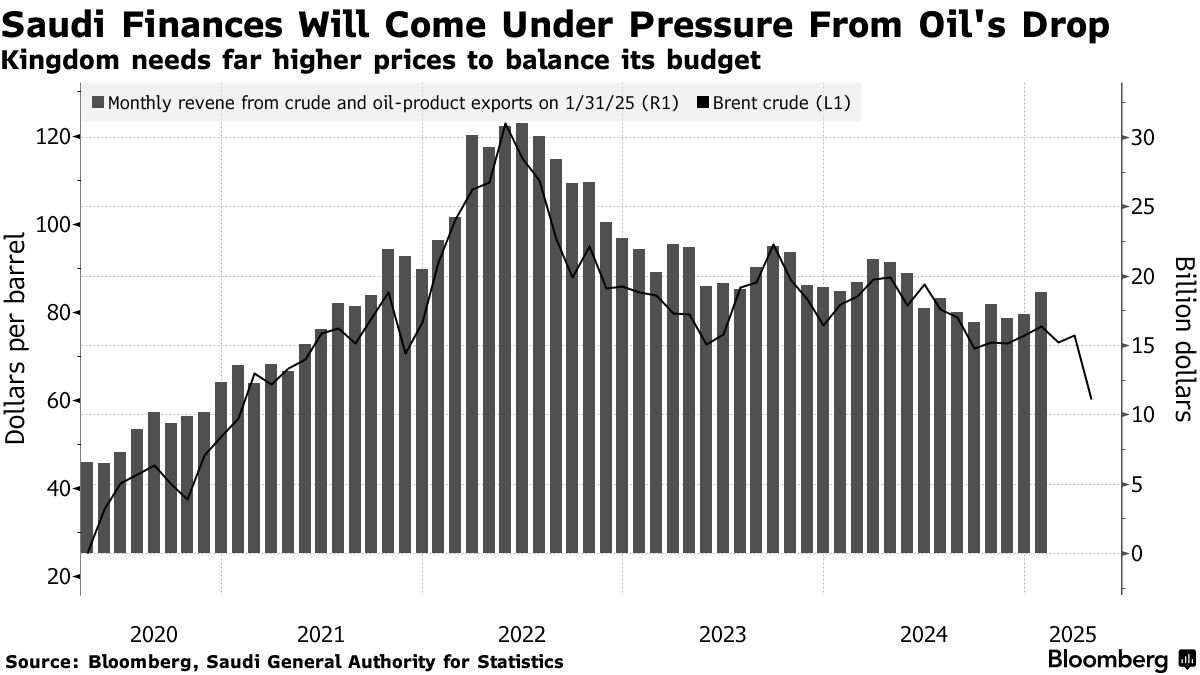
Saudi Arabia reported a higher budget deficit in the third quarter, attributed to lower Brent crude prices and reduced revenues. According to estimates from the Ministry of Finance, the budget shortfall for the three months ending September was 88.5 billion riyals ($23.6 billion), bringing the cumulative deficit since the beginning of the year to nearly $50 billion. Non-oil revenue for the third quarter was approximately $31.7 billion, about the same as the previous year, while oil revenue declined to around $40 billion from just under $51 billion. Earlier this month, the government projected a larger annual deficit than previously anticipated, citing increased spending and decreased revenue. The 2025 deficit is now estimated at 5.3% of gross domestic product, compared to an earlier estimate of 2.3%. The Saudi government continues to address fiscal challenges in its $1.2 trillion economy while managing substantial expenditures related to Crown Prince Mohammed Bin Salman's economic diversification initiatives. These efforts coincide with lower oil prices impacting export earnings. Oil prices have fallen about 10% this year to under $70 a barrel, while Bloomberg Economics sets the breakeven rate for Saudi Arabia at $94—or $111 with sovereign wealth fund spending. Despite financial pressures from lower prices, increased oil production drove Saudi GDP up 5% year-on-year in Q3, according to preliminary official data.

أوبك+ توازن مخاطر النفط بين الفائض والعقوبات
عندما تجتمع أوبك+ نهاية هذا الأسبوع، ستتناول عدة تطورات تؤثر على سوق النفط. من بين هذه التطورات ظهور فائض محتمل في المعروض، يُعزى إلى زيادات إنتاج المجموعة في وقت سابق من هذا العام. مع انخفاض الطلب من الصين، تشير بعض التوقعات إلى فائض كبير في عام ٢٠٢٦. بالإضافة إلى ذلك، قد تؤثر العقوبات الأمريكية الجديدة على صادرات روسيا، العضو الرئيسي في أوبك+. قد تؤدي هذه الإجراءات إلى تحولات داخل التحالف، حيث قد يسعى بعض الأعضاء إلى زيادة إنتاجهم، بينما قد تعارض روسيا القرارات الجماعية بزيادة الإنتاج. وقد خففت اتفاقية تجارية مدتها عام واحد بين الولايات المتحدة والصين بعض المخاوف بشأن الطلب على النفط، ودعمت أسعار العقود الآجلة لخام برنت لتقترب من ٦٥ دولارًا للبرميل. في الأشهر الأخيرة، دعمت المملكة العربية السعودية زيادة إنتاج أعضاء أوبك+ لاستعادة حصتهم في السوق العالمية. في المقابل، فضلت دول مثل روسيا نهجًا أكثر تدرجًا.
استقرار الذهب حول ٤٠٠٠ دولار بعد أن أنهت الصين بعض الحوافز الضريبية.
ظلت أسعار الذهب قريبة من 4000 دولار للأونصة بعد بداية بطيئة يوم الاثنين، عقب قرار الصين بوقف التخفيض الضريبي طويل الأمد لبعض تجار التجزئة. قد يؤثر هذا التغيير على الطلب في أحد أكبر أسواق المعادن النفيسة عالميًا. ارتفع سعر الذهب الفوري بنسبة 0.2%، متعافيًا من انخفاض سابق وصل إلى 1%. أعلنت بكين يوم السبت أن بعض تجار التجزئة لن يتمكنوا بعد الآن من تعويض ضريبة القيمة المضافة بالكامل عند بيع الذهب المشترى من بورصة شنغهاي للذهب أو بورصة شنغهاي للعقود الآجلة، مما أثر على أسهم المجوهرات الذهبية الصينية. وفقًا للسياسة الجديدة، يمكن الآن للشركات التي تنتج الذهب غير الاستثماري - مثل المجوهرات أو التطبيقات الصناعية مثل الإلكترونيات - تعويض 6% فقط من ضريبة القيمة المضافة، بعد أن كانت النسبة السابقة 13%. ستتأثر الشركات غير الأعضاء في بورصتي شنغهاي للذهب والعقود الآجلة أيضًا بهذا التغيير عند بيع منتجات استثمارية مثل سبائك الذهب. بلغ الذهب أعلى مستوى له على الإطلاق في أكتوبر بسبب زيادة مشتريات التجزئة، لكنه انخفض بشكل كبير منذ ذلك الحين. مع ذلك، لا تزال الأسعار أعلى بنسبة تزيد عن 50% منذ بداية العام، حتى مع الانخفاض الأخير. ومن المتوقع أن تستمر عوامل مثل نشاط البنك المركزي والطلب على الملاذ الآمن في دعم السوق.
انخفاض الأسعار في تركيا أكثر من المتوقع بدعم من البنك المركزي.
تباطأ التضخم في تركيا أكثر من المتوقع في أكتوبر، مما عزز عزم البنك المركزي على الحفاظ على دورة تخفيضات أسعار الفائدة. ارتفعت أسعار المستهلك بنسبة 32.9% على أساس سنوي في أكتوبر، بانخفاض عن 33.3% في الشهر السابق. وكان متوسط التوقعات في استطلاع أجرته بلومبرج، وشمل 18 محللًا، قد توقع بقاء التضخم ثابتًا عند 33.2%. وصلت الليرة التركية لفترة وجيزة إلى أدنى مستوى لها على الإطلاق قبل نشر البيانات، لكنها تعافت لاحقًا، حيث استقرت عند 42.05 ليرة للدولار. في غضون ذلك، ارتفع مؤشر بورصة إسطنبول 100 بنسبة تصل إلى 1.5%، مدفوعًا بشكل رئيسي بمكاسب أسهم البنوك وسط توقعات بمزيد من التيسير النقدي من جانب البنك المركزي. وعلى أساس شهري، لوحظت ضغوط ارتفاع الأسعار بشكل رئيسي في الملابس، تليها الأغذية والمشروبات غير الكحولية، وفقًا للأرقام الرسمية. وكان البنك المركزي قد سلط الضوء سابقًا على المخاطر المحتملة المتعلقة بتضخم أسعار الغذاء في سياق جهود خفض التضخم الجارية خلال اجتماعه الأخير للسياسة النقدية.
اتساع عجز الموازنة السعودية في الربع الثالث نتيجة انخفاض عائدات النفط.
أعلنت المملكة العربية السعودية عن ارتفاع عجز الموازنة في الربع الثالث، ويعزى ذلك إلى انخفاض أسعار خام برنت وانخفاض الإيرادات. ووفقًا لتقديرات وزارة المالية، بلغ عجز الموازنة للأشهر الثلاثة المنتهية في سبتمبر 88.5 مليار ريال (23.6 مليار دولار)، ليصل العجز التراكمي منذ بداية العام إلى ما يقرب من 50 مليار دولار. بلغت الإيرادات غير النفطية في الربع الثالث حوالي 31.7 مليار دولار، وهو نفس مستوى العام السابق تقريبًا، بينما انخفضت عائدات النفط إلى حوالي 40 مليار دولار من أقل بقليل من 51 مليار دولار. وفي وقت سابق من هذا الشهر، توقعت الحكومة عجزًا سنويًا أكبر مما كان متوقعًا سابقًا، مشيرةً إلى زيادة الإنفاق وانخفاض الإيرادات. يُقدَّر عجز الموازنة لعام 2025 بنسبة 5.3% من الناتج المحلي الإجمالي، مقارنةً بتقدير سابق بلغ 2.3%. تواصل الحكومة السعودية مواجهة التحديات المالية في اقتصادها البالغ 1.2 تريليون دولار، مع إدارة نفقات ضخمة مرتبطة بمبادرات ولي العهد الأمير محمد بن سلمان للتنويع الاقتصادي. تتزامن هذه الجهود مع انخفاض أسعار النفط الذي أثر على عائدات التصدير. انخفضت أسعار النفط بنحو 10% هذا العام إلى أقل من 70 دولارًا للبرميل، بينما حددت بلومبرج إيكونوميكس سعر التعادل للمملكة العربية السعودية عند 94 دولارًا - أو 111 دولارًا مع إنفاق صناديق الثروة السيادية. على الرغم من الضغوط المالية الناجمة عن انخفاض الأسعار، فقد أدى ارتفاع إنتاج النفط إلى ارتفاع الناتج المحلي الإجمالي السعودي بنسبة 5% على أساس سنوي في الربع الثالث، وفقًا للبيانات الرسمية الأولية. "أفضل طريقة للتنبؤ بالمستقبل هي صنعه." — بيتر دراكر
Stay up to date
More Newsletter to Check


SUBSCRIBE TO NEWSLETTER
Subscribe to download our daily economics and business roundup


×
![]()