
GE: Markets on Hold: Waiting Out Washington’s Shutdown Drama


Markets on Hold: Waiting Out Washington’s Shutdown Drama
Financial markets spent the week under the cloud of a U.S. government shutdown, adding another layer of uncertainty to an already fragile economic picture. The longer the standoff lasts, the greater its potential drag on growth—and the more it could shape the Fed’s next move. With investors staying cautious, markets were mixed and mostly in “wait-and-see” mode. U.S. Treasury yields slipped slightly, with the 10-year and 30-year falling about 5 basis points to 4.1% and 4.7%. The dollar weakened through much of the week before clawing back losses to end near 98 on the DXY. Oil prices extended their decline—Brent to USD 65 and WTI to USD 60—as traders bet on new OPEC+ supply and faster production growth next year. Gold shone brightest, briefly touching a record USD 3,900 per ounce as investors sought safety, though it ended just below that peak. The shutdown also froze key U.S. data releases, including the crucial September jobs report, leaving investors to rely on private-sector figures that painted a softer economic picture. Job openings rose more than expected in August, but confidence in finding new or better-paid work fell. Manufacturing stayed weak, consumer confidence slipped to 94.2, and private employers cut 32,000 jobs—missing expectations and hinting at cooling momentum in the labor market.
Rising Prices, Rising Voices: A Turbulent Week for Emerging Markets
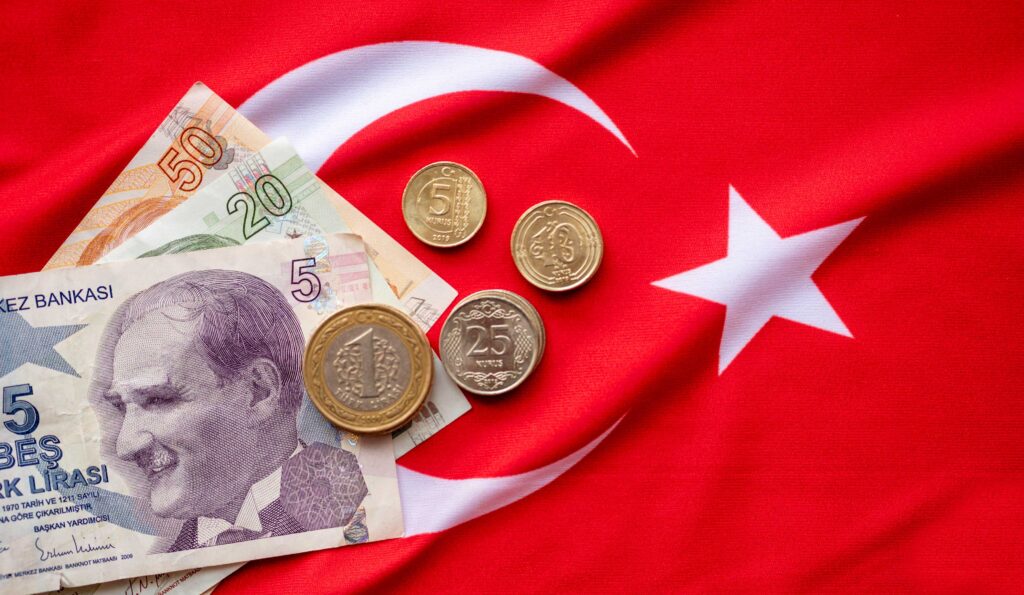
Turkey’s inflation picked up in September for the first time this year, catching markets off guard and likely forcing the central bank to rethink plans for rate cuts later in 2025. Meanwhile, central banks in India and Colombia kept interest rates unchanged—at 5.50% and 9.25%, respectively—citing persistent inflation and global uncertainty, though both hinted that easing could be on the horizon. On the geopolitical front, EU leaders discussed building a “drone wall” to counter rising Russian incursions into European airspace. Across Africa, tensions were high: in Morocco, anti-government protests turned deadly as crowds demanded better public services and greater accountability from the monarchy, while in Madagascar, the president dissolved his government following days of youth-led demonstrations over power outages and water shortages.
OPEC+ Strikes a Fragile Balance with Modest November Output Boost
OPEC+ agreed to a modest oil production increase for November, signaling a cautious approach as Saudi Arabia and Russia found common ground after differing on how aggressively to raise supply. The group will add 137,000 barrels per day next month, OPEC confirmed, following discussions that reflected the alliance’s ongoing balancing act between defending prices and protecting market share. The next meeting is set for November 2. Russia, which had favored a smaller adjustment to support prices, eventually aligned with Saudi Arabia’s preference for a slightly larger output hike aimed at maintaining market influence. The decision comes as oil prices hover near four-month lows, underscoring OPEC+’s delicate task of restoring production without deepening a market oversupply. While prices have remained relatively resilient so far, early signs of weakening are emerging. Unsold Middle Eastern cargoes are building up, and the futures curve now points to short-term softness. The International Energy Agency (IEA) expects inventories to rise sharply this quarter and projects a potential record surplus by 2026, as global demand eases and production across the Americas accelerates. The measured hike also highlights the group’s limited spare capacity. The eight core OPEC+ producers have restored only about 60% of the 2.2 million barrels per day they pledged to bring back between May and September — a signal that some members may already be operating close to their production limits. The timing of Sunday’s decision is notable, coming just weeks before Saudi Crown Prince Mohammed bin Salman visits Washington to meet President Donald Trump, who has repeatedly pressed for lower oil prices.
How Long Can Gold’s Rally Last?
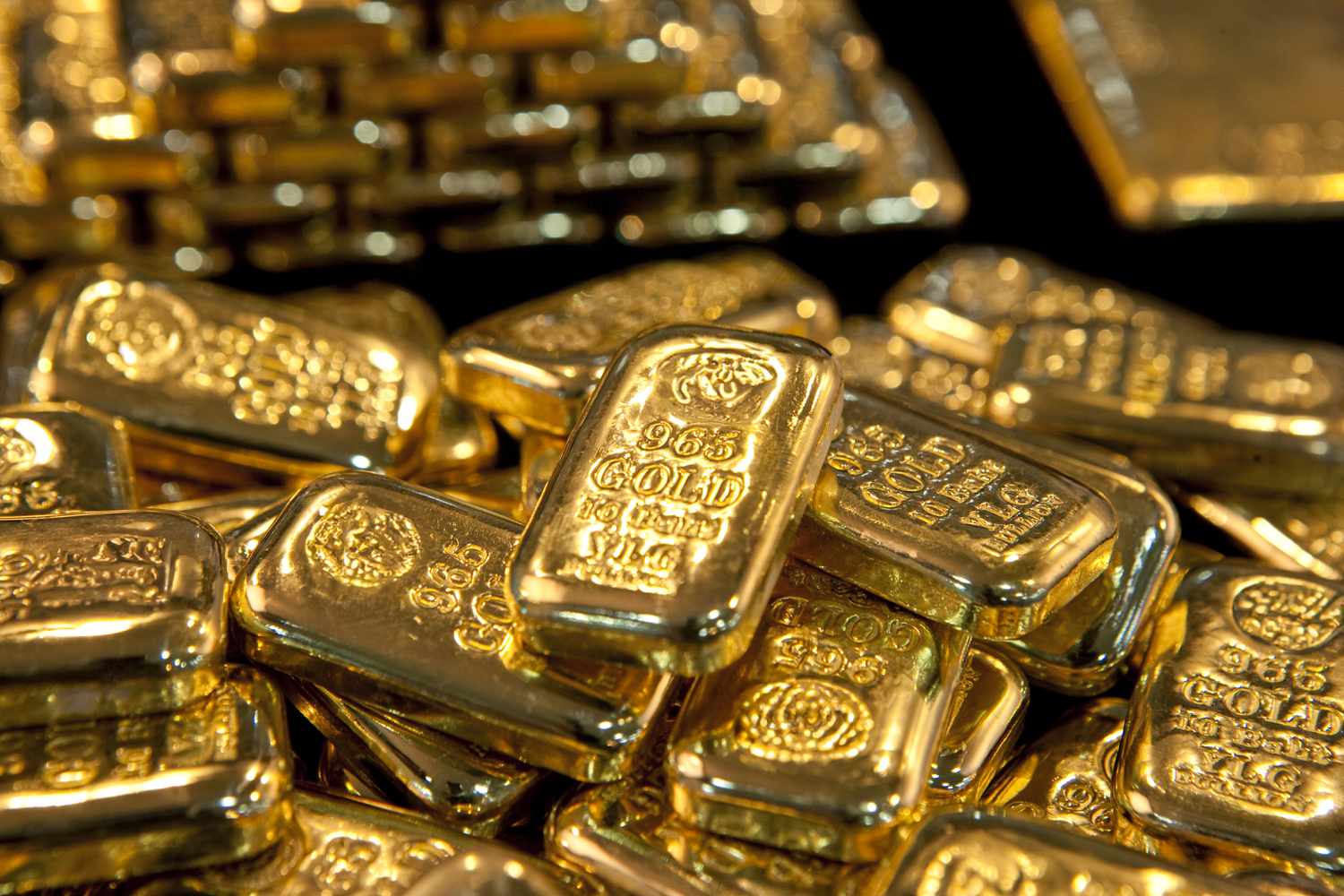
Gold was on a tear even before Donald Trump came to power. Now a government shutdown in the US could push the metal past USD 4,000 an ounce — a doubling in less than two years. The haven asset has plenty of reasons to be trading at these lofty levels. Gold benefits from lower interest rates that reduce the opportunity cost of holding it, and from higher inflation, which reinforces its role as a store of value. It also rises when the dollar falls, both because it’s priced in dollars and because it competes with cash. Right now, all three factors are working in gold’s favor. There’s upheaval in Washington and trust in the dollar is shaken. A cycle of interest rate cuts that kicked off last month — and the US administration’s attacks on the Federal Reserve — have piled pressure on the greenback. Inflation is still above the Fed’s target. A 1970s combination of high inflation and loose monetary policy looks like a real possibility. But this rally has one additional factor — private investors. Exchange-traded fund enthusiasts, a driver of gold’s meteoric rise in the past two decades, have added more than 100 tons in September, the most in more than three years according to a Bloomberg tally. Can they keep going? Total gold ETF holdings are still some way from their peak in 2020. From that perspective, private investors are still under-invested. Goldman Sachs Inc. has predicted the metal will soar to nearly $5,000 an ounce if just 1% of privately-held US Treasury holdings go into gold. More investment into ETFs could push that even further. Just as important, gold’s support base also keeps expanding. First up are central banks, which have been shifting reserves into bullion in the wake of Russia’s invasion of Ukraine. Trump’s mercurial, norm-defying rule has also chipped away at trust in US policy-making and institutions — including the Federal Reserve — and boosted bullion.

الأسواق في وضع انتظار: ترقب لحسم أزمة الإغلاق الحكومي الأمريكي
تحركت الأسواق هذا الأسبوع في ظل أجواء من القلق بسبب الإغلاق الجزئي للحكومة الأمريكية، ما زاد من حالة عدم اليقين الاقتصادي. فكلما طال أمد الأزمة، زاد تأثيرها المحتمل على النمو، وربما على قرارات الفيدرالي المقبلة. اتسمت الأسواق بالحذر وسادها طابع الترقب. تراجعت عوائد السندات الأمريكية بشكل طفيف، حيث انخفض العائد على سندات العشر سنوات إلى نحو 4.1%، وعلى الثلاثين سنة إلى 4.7%. وتعرض الدولار لضغوط معظم الأسبوع قبل أن يستعيد بعض خسائره لينهي التداول مستقراً قرب مستوى 98 على مؤشر DXY. في المقابل، واصلت أسعار النفط تراجعها — إذ هبط خام برنت إلى 65 دولاراً وWTI إلى 60 دولاراً — وسط توقعات بزيادة إنتاج «أوبك+» وتسارع وتيرة الإمدادات في 2026. أما الذهب فلامس مستوى قياسياً جديداً عند 3,900 دولار للأونصة، قبل أن يغلق دون هذا المستوى بقليل مع استمرار الإقبال عليه كملاذ آمن. توقف صدور البيانات الاقتصادية الأمريكية الرسمية هذا الأسبوع بسبب الإغلاق، بما في ذلك تقرير الوظائف المنتظر لشهر سبتمبر، ما دفع المستثمرين للاعتماد على بيانات القطاع الخاص التي أظهرت تباطؤاً عاماً في النشاط. ورغم ارتفاع عدد الوظائف الشاغرة بأكثر من المتوقع، فإن ثقة العمال في فرص الحصول على وظائف جديدة أو رواتب أعلى تراجعت. كما ظل مؤشر التصنيع الأمريكي دون مستوى الـ50 للشهر السابع على التوالي، ما يعكس ضعف الطلب المحلي والخارجي، وانخفض مؤشر ثقة المستهلك إلى 94.2 في سبتمبر، فيما سجل القطاع الخاص فقدان 32 ألف وظيفة، في إشارة إضافية إلى تباطؤ سوق العمل.
الأسعار ترتفع... والأصوات تعلو: أسبوع مضطرب في الأسواق الناشئة
شهدت تركيا ارتفاعاً مفاجئاً في معدلات التضخم خلال سبتمبر، في أول تسارع هذا العام، ما قد يدفع البنك المركزي إلى التراجع عن خططه لتخفيف السياسة النقدية قبل نهاية 2025. وفي الوقت نفسه، أبقى البنكان المركزيان في الهند وكولومبيا أسعار الفائدة دون تغيير عند 5.50% و9.25% على التوالي، مشيرين إلى استمرار الضغوط التضخمية وحالة عدم اليقين العالمية، مع تلميحات بإمكانية خفض الفائدة في الفترة المقبلة. وعلى الصعيد الجيوسياسي، ناقش قادة الاتحاد الأوروبي خطة لإقامة «جدار من الطائرات المسيّرة» لمواجهة التوغلات الروسية المتكررة في أجواء أوروبا. وفي أفريقيا، تصاعدت الاضطرابات؛ إذ تحولت الاحتجاجات المناهضة للحكومة في المغرب إلى أعمال عنف امتدت إلى عدة مدن كبرى، وسط مطالب بتحسين التعليم والرعاية الصحية ومحاسبة النظام الحاكم، بينما أعلن رئيس مدغشقر حلّ حكومته بعد أيام من احتجاجات شبابية بسبب انقطاع الكهرباء وأزمات المياه.
أوبك+ توازن بين الحذر والطموح بزيادة إنتاج متواضعة
اتفقت مجموعة أوبك+ على زيادة محدودة في إنتاج النفط لشهر نوفمبر، في خطوة تعكس حرصها على الموازنة بين دعم الأسعار والحفاظ على الحصة السوقية، بعد أن توصلت السعودية وروسيا إلى تسوية لخلافهما حول حجم الزيادة. وذكرت المنظمة على موقعها أن الإنتاج سيرتفع بمقدار 137 ألف برميل يومياً الشهر المقبل، على أن يُعقد الاجتماع القادم في 2 نوفمبر. كانت روسيا تميل إلى زيادة محدودة لحماية الأسعار، بينما فضّلت السعودية رفعاً أكبر نسبياً لتعزيز موقعها في السوق. ويأتي القرار في وقت تتداول فيه أسعار النفط قرب أدنى مستوياتها في أربعة أشهر، وسط تخمة في المعروض العالمي. ورغم تماسك الأسعار حتى الآن، بدأت تظهر مؤشرات على ضعف الطلب، مع تزايد كميات النفط غير المباعة من الشرق الأوسط وظهور علامات تراجع على منحنى العقود الآجلة. وتتوقع وكالة الطاقة الدولية ارتفاع المخزونات بسرعة هذا الربع، مع احتمال تسجيل فائض قياسي بحلول 2026 نتيجة تباطؤ الطلب العالمي وتسارع الإنتاج في الأميركيتين. كما تكشف الزيادة الأخيرة عن محدودية الطاقة الإنتاجية الفائضة داخل التحالف، إذ أعادت الدول الثماني الرئيسية في أوبك+ نحو 60% فقط من الإمدادات البالغة 2.2 مليون برميل يومياً التي كانت مخططاً إعادتها بين مايو وسبتمبر، ما يشير إلى أن بعض الأعضاء يقتربون من الحد الأقصى لقدرتهم الإنتاجية.
إلى أي مدى يمكن أن يستمر صعود الذهب؟
كان الذهب يشهد موجة ارتفاع قوية حتى قبل وصول دونالد ترامب إلى الحكم. أما الآن، فقد يدفع الإغلاق الحكومي في الولايات المتحدة المعدن النفيس لتجاوز مستوى 4,000 دولار للأونصة — أي تضاعف سعره خلال أقل من عامين. هناك العديد من العوامل التي تبرر تداول الذهب عند هذه المستويات المرتفعة. فهو يستفيد من انخفاض أسعار الفائدة التي تقلل من تكلفة الاحتفاظ به، ومن ارتفاع معدلات التضخم التي تعزز دوره كـ«مخزن للقيمة». كما أن تراجع الدولار يدعمه أيضاً، كونه مقوّماً بالدولار ويُعد منافساً مباشراً للنقد. حالياً، تعمل جميع هذه العوامل الثلاثة في صالح الذهب. فهناك اضطراب سياسي في واشنطن وتراجع في الثقة بالدولار، بينما بدأت دورة خفض أسعار الفائدة الشهر الماضي، إلى جانب هجمات الإدارة الأمريكية على الاحتياطي الفيدرالي، ما زاد من الضغوط على العملة الأمريكية. وفي الوقت نفسه، ما يزال التضخم أعلى من مستهدف الفيدرالي، مما يجعل تكرار سيناريو السبعينيات — حين اجتمع التضخم المرتفع مع السياسات النقدية الميسّرة — احتمالاً واقعياً. لكن ما يميز هذه الموجة الصاعدة هو دور المستثمرين الأفراد. فصناديق المؤشرات المتداولة (ETFs)، التي كانت محركاً رئيسياً لصعود الذهب خلال العقدين الماضيين، أضافت أكثر من 100 طن في سبتمبر — وهو أكبر تدفق شهري منذ أكثر من ثلاث سنوات، وفقاً لبيانات «بلومبرغ». فهل يمكنهم الاستمرار؟ رغم هذه الزيادة، فإن إجمالي حيازات الذهب في صناديق المؤشرات لا يزال دون ذروته المسجلة في عام 2020. ومن هذا المنظور، لا يزال المستثمرون الأفراد أقل استثماراً في الذهب مما كانوا عليه سابقاً. وتتوقع «غولدمان ساكس» أن يقفز سعر المعدن إلى ما يقارب 5,000 دولار للأونصة إذا ما تم تحويل 1% فقط من حيازات السندات الأمريكية الخاصة إلى الذهب، فيما يمكن لتدفقات إضافية إلى صناديق المؤشرات أن تدفع الأسعار لأعلى من ذلك. ولا يقل أهمية عن ذلك أن الطلب الرسمي على الذهب يتسع أيضاً. فقد واصلت البنوك المركزية حول العالم تحويل جزء من احتياطاتها إلى المعدن الأصفر منذ غزو روسيا لأوكرانيا، فيما أدى النهج غير التقليدي لترامب وتحدّيه للمؤسسات الأمريكية — بما في ذلك الاحتياطي الفيدرالي — إلى تآكل الثقة في السياسة الأمريكية، وهو ما عزز بدوره الإقبال على الذهب. " لكي نصنع مستقبلاً أفضل، لا بد أن نهزّ ركود الحاضر. — كاثرين بوث
Stay up to date
More Newsletter to Check



SUBSCRIBE TO NEWSLETTER
Subscribe to download our daily economics and business roundup


×
![]()