
Trump’s War Gamble: Will Iran Fold or Fight Back?

Trump’s War Gamble: Will Iran Fold or Fight Back?
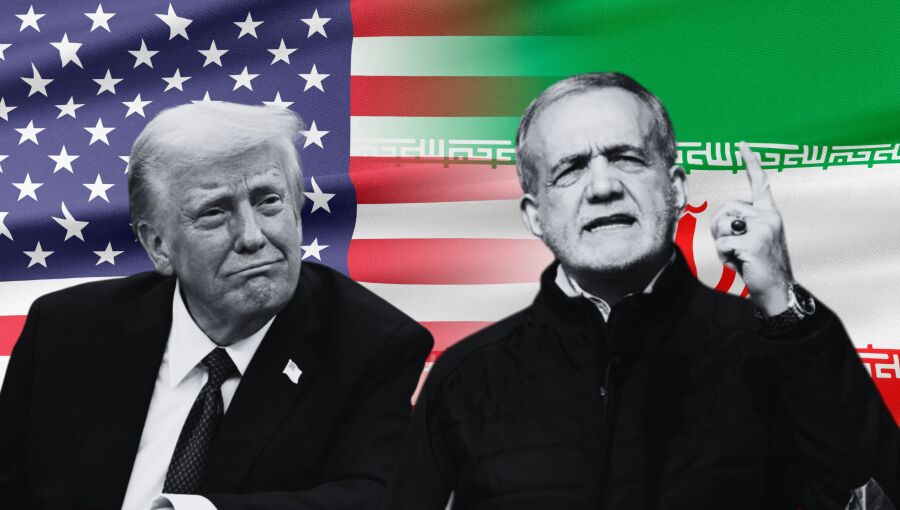
Donald Trump just made the boldest move of his presidency—striking Iran and aligning the US directly with Israel in its conflict against Tehran. It’s a high-stakes bet that Iran, weakened by years of pressure and conflict, won’t retaliate but will instead seek a quick settlement. Trump is framing this as a limited, successful intervention that could finally eliminate the long-standing Iranian nuclear threat—something multiple administrations have failed to do. If he’s right, he secures a historic foreign policy win at a relatively low cost. But the risks are real and enormous. Trump’s decision could drag the US into a wider regional war, destabilize the Middle East even further, and contradict the very promise he ran on—keeping America out of endless foreign entanglements. Many in Washington, including Democrats and even some Republicans, are slamming the move for lacking congressional approval and public transparency. Critics see echoes of Iraq, warning this could backfire politically and militarily if things spiral. Iran still has a powerful network of regional proxies and the capacity to retaliate in ways that could trigger a global crisis, especially if oil prices spike or American lives are lost. Supporters, however, see it differently. They argue this is Trump delivering on an “America First” agenda—showing strength against a regime that has long threatened US interests. With domestic approval ratings hanging in the balance and elections looming, Trump may view this as a defining moment of leadership. Whether this bold move secures peace or sparks chaos remains to be seen—but one thing is certain: Trump has placed his presidency on the line.
Strait of Hormuz on the Edge: Oil Tankers Flee as U.S. Strikes Escalate Conflict.
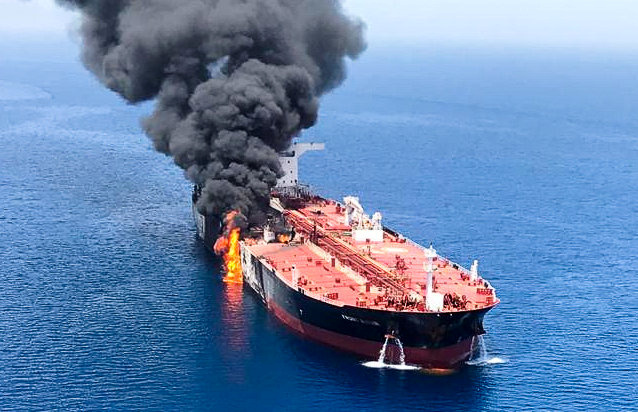
The Strait of Hormuz, the world’s most critical oil chokepoint, is on high alert. Nearly 50 large oil tankers are reportedly scrambling to exit the area, reflecting deep concern within the energy and shipping industries that a blockade may be imminent. This dramatic shift in traffic follows a series of U.S. airstrikes on Iran’s nuclear facilities, marking a dangerous escalation in the region’s unfolding conflict. According to shipping data and satellite tracking, commercial vessel traffic — especially oil tankers — is showing clear signs of strategic repositioning. The sudden mass exodus, as shown in recent maritime maps, indicates that operators are preparing for a possible closure or disruption of the Strait. With one-third of global seaborne oil trade flowing through this narrow passage, any disruption could trigger a surge in oil prices and send shockwaves through global markets. The context is alarming: The U.S. recently confirmed targeted airstrikes on Fordow, Natanz, and Isfahan — Iran’s most critical nuclear facilities. President Trump declared that these sites were “obliterated” and warned that if Iran doesn’t back down, future strikes will be “greater and a lot easier.” These attacks have moved the confrontation from proxy conflict to direct state-to-state warfare, fundamentally shifting the rules of engagement. While Iran has often threatened to shut down the Strait during moments of heightened tension, this time it’s different. Tehran now faces immense pressure — militarily, diplomatically, and economically. But closing the Strait would hurt Iran too, given that it relies heavily on this passage for its own oil exports and hard currency. Still, the calculus could change quickly if the U.S. deepens its military involvement or if Iranian retaliation materializes. Markets, meanwhile, are watching every ship, every missile, and every word. And while oil prices remain somewhat stable for now, the real-time positioning of tankers may be the best barometer of what traders expect: not headlines — but escalation.
Global Central Banks Pause as Inflation Persists, Growth Slows.
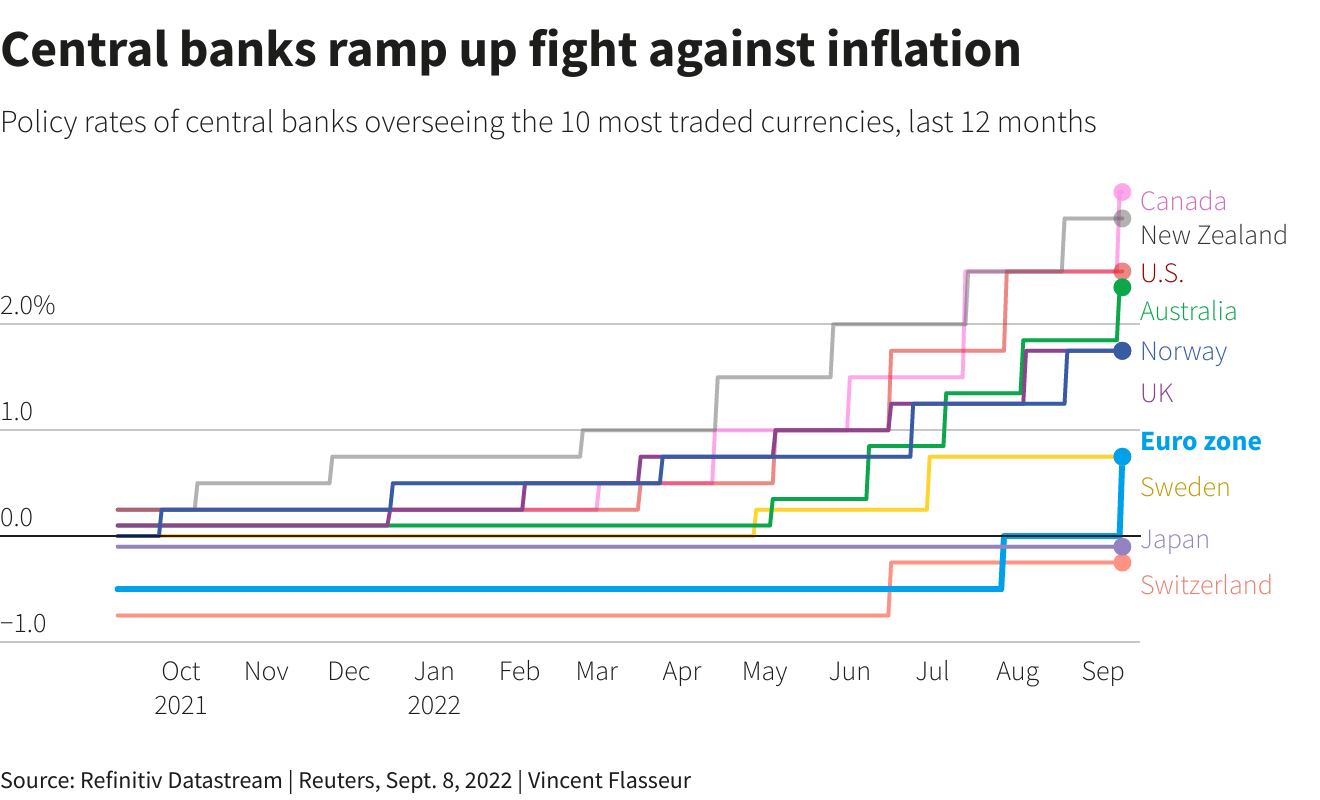
As widely expected, amid “unusually elevated uncertainty” as emphasized by Federal Reserve Chair Jerome Powell, the FOMC left the fed-funds target range unchanged at 4.5% (upper bound) and kept its median projections of two rate cuts this year. The Fed revised its median inflation projection at year-end 2025 higher to 3.0% from 2.7%, while marking economic growth down to 1.4% from 1.7%, suggesting expectations of stagflation. The Bank of England (BoE) held rates unchanged at 4.25% as expected, against the backdrop of a sharp increase in UK unemployment claims and weakening, but still relatively elevated, wage growth. Meanwhile, inflation came in at 3.4% year-over-year in May, down from 3.5% in April, but slightly above market expectations (3.3%) and remains well above BoE’s 2% target. May retail sales were significantly below expectations (-2.7% month-over-month vs. -0.5%) and decelerated sharply from a revised +1.3% in April. The Bank of Japan (BoJ) kept its main policy rate at 0.5%, as widely expected. It appeared to lower the bar for a potential rate hike if the global trade war shock turns out to have less of an impact on Japan’s economy than feared and amid headline CPI remaining at 3.5% year-on-year in May.
ECB Should Do More to Support Eurozone Economy.
European Central Bank Governing Council member Mario Centeno has called for additional monetary stimulus, arguing that the eurozone economy is still too weak to generate stable inflation on its own. In an interview with Italy’s La Stampa, Centeno stressed that current interest rates must align with the real state of the economy. “We’re not yet seeing an economy capable of sustaining 2% inflation without further support,” he said. “Demand and supply remain too fragile.” Centeno pointed out that eurozone GDP remains below potential, indicating an imbalance. “If the neutral rate is 2% and we have a negative output gap, then interest rates should be set below that neutral level to help the economy recover.” Although the ECB has already implemented eight rate cuts, policymakers are expected to pause at their upcoming meeting on July 24. Some officials have even hinted the easing cycle might be ending. Notably, Centeno — known for his dovish stance — may not be part of that decision, as his term ends earlier in July and his reappointment remains uncertain.
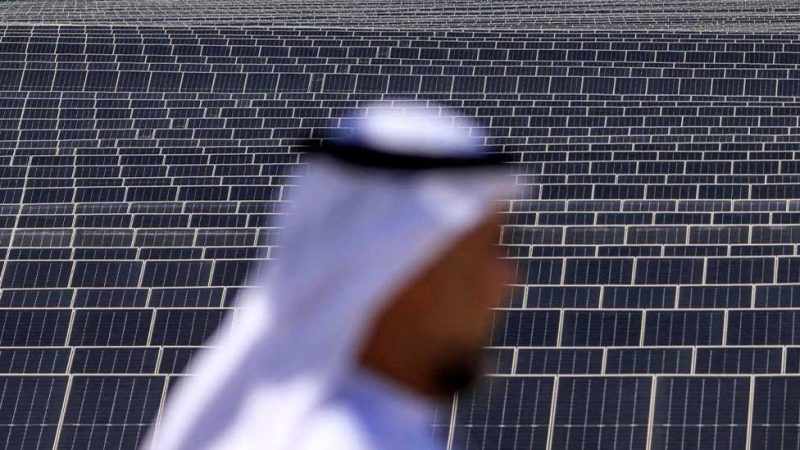
Gulf Powers Up: Cheap Chinese Batteries Supercharge Saudi and UAE Green Ambitions
Gulf countries, particularly Saudi Arabia and the UAE, are seizing the moment as battery prices plunge, capitalizing on Chinese-made energy storage systems to accelerate their renewable energy goals. Batteries are critical to making solar and wind energy viable, storing surplus electricity for use during low-generation periods. While the Gulf region has historically lagged in clean energy adoption, Saudi and the UAE are now ramping up solar investments — aiming to cut reliance on fossil fuels and imported gas. Saudi Arabia is targeting 50% renewable energy by 2030, while the UAE aims for 44% by 2050. Both countries are turning to Chinese battery technology, which has advanced rapidly and become more adaptable to the region’s harsh climate. Thanks to low labor costs and Chinese suppliers like BYD, Saudi battery installation costs are now cheaper than in the US or Europe — under $200/kWh. Massive projects are underway: Saudi Arabia’s Bisha project (2.6 GWh) is already online, and a 12.5 GWh deal with the Saudi Electricity Company is in motion. In the UAE, a “gigascale” 24-hour solar-battery plant in Abu Dhabi will feature 19 GWh of storage in partnership with Masdar and Emirates Water and Electricity Company. Chinese giant CATL will provide the technology. This strategic shift positions the Gulf not just as energy exporters — but as leaders in battery-backed, renewable infrastructure.

ترامب يغامر بالحرب: هل ستخضع إيران أم تشعل المواجهة؟
اتخذ دونالد ترامب أكثر قراراته جرأة منذ توليه الرئاسة، حين أمر بضربة عسكرية على إيران واصطف بشكل مباشر مع إسرائيل في صراعها ضد طهران. إنها مقامرة عالية المخاطر، يراهن فيها على أن إيران، التي أُنهكت بفعل سنوات من الضغوط والصراعات، لن ترد عسكريًا، بل ستسعى إلى تسوية سريعة. ويقدّم ترامب هذا التحرك على أنه تدخل محدود وناجح يمكن أن يُنهي أخيرًا التهديد النووي الإيراني المستمر منذ عقود – وهو هدف فشلت فيه إدارات أمريكية سابقة. وإن صدق حدسه، فسيسجل نصرًا كبيرًا في سجل السياسة الخارجية الأمريكية بتكلفة محدودة نسبيًا. لكن المخاطر تبقى كبيرة وحقيقية. فقد يُقحم هذا القرار الولايات المتحدة في حرب إقليمية أوسع، ويزيد من زعزعة استقرار الشرق الأوسط، ويخالف الوعود التي أطلقها ترامب سابقًا بإبقاء أمريكا خارج الحروب التي لا تنتهي. في واشنطن، هاجم العديد من المسؤولين – من الديمقراطيين وحتى بعض الجمهوريين – هذا التحرك لافتقاده موافقة الكونغرس ولغياب الشفافية. ويرى المنتقدون فيه تكرارًا لأخطاء حرب العراق، ويحذرون من أن العواقب قد تكون سياسية وعسكرية وخيمة إذا خرجت الأمور عن السيطرة. فإيران لا تزال تملك شبكة قوية من الوكلاء الإقليميين وقدرات رد فعل قادرة على إشعال أزمة عالمية، خاصة إذا ارتفعت أسعار النفط أو سقط قتلى أمريكيون. أما المؤيدون، فلهم رأي مختلف. يرون أن ما قام به ترامب هو تنفيذ حقيقي لسياسة "أمريكا أولاً" بإظهار الحزم في وجه نظام طالما هدد مصالح واشنطن. ومع اقتراب الانتخابات وتراجع شعبيته داخليًا، قد يعتبر ترامب هذا التحرك لحظة حاسمة في مسيرته القيادية. ما إذا كانت هذه الخطوة الجريئة ستحقق السلام أو تشعل الفوضى… لا يزال غير واضح، لكن المؤكد هو أن ترامب وضع رئاسته بالكامل على المحك.
ارتفاع التوتر في مضيق هرمز... لكن ناقلات النفط تواصل العبور
يشهد مضيق هرمز — أهم ممر بحري لتجارة النفط العالمية — حالة من التأهب القصوى. فوفقًا لبيانات ملاحية وصور عبر الأقمار الصناعية، تسابق نحو 50 ناقلة نفط ضخمة للخروج من المنطقة، وسط توقعات متزايدة بأن إغلاقًا وشيكًا للمضيق قد يحدث في أي لحظة. هذه التحركات جاءت بعد سلسلة من الضربات الجوية الأمريكية التي استهدفت ثلاث منشآت نووية حساسة في إيران: فوردو، نطنز، وأصفهان. تشير خريطة الحركة الملاحية إلى إعادة تمركز واضحة للسفن التجارية، خاصة ناقلات النفط، ما يدل على أن الشركات المالكة تتعامل مع الوضع على أنه تهديد مباشر للتجارة البحرية. يُذكر أن أكثر من ثلث تجارة النفط المنقولة بحرًا عالميًا يمر عبر هذا الممر الضيق، وأي اضطراب فيه قد يتسبب في ارتفاع حاد بأسعار النفط وزعزعة استقرار الأسواق العالمية. وفي تطور خطير، أعلن الرئيس الأمريكي دونالد ترامب أن بلاده "دمرت" المواقع النووية الإيرانية الثلاثة، مؤكدًا أن "فوردو اختفت"، ومتوعدًا بضربات أعنف إذا لم تستجب إيران سريعًا لدعوات التهدئة. هذا التصعيد يرفع الصراع من مستوى حرب بالوكالة إلى صدام مباشر بين دولتين، ما ينذر بتغير قواعد اللعبة في الشرق الأوسط. ورغم تهديدات إيران السابقة بإغلاق مضيق هرمز خلال فترات التوتر، إلا أن الوضع هذه المرة مختلف. طهران الآن واقعة تحت ضغوط شديدة — عسكريًا وسياسيًا واقتصاديًا. لكن إغلاق المضيق سيضرها أيضًا، إذ تعتمد بشكل كبير على الممر لتصدير نفطها وتأمين إيراداتها من العملة الصعبة. ومع ذلك، فإن أي تصعيد أمريكي جديد أو رد إيراني مباشر قد يقلب موازين الحسابات. في هذا المشهد المتوتر، تترقب الأسواق كل خطوة وكل صاروخ. وبينما تظل أسعار النفط مستقرة نسبيًا في الوقت الراهن، قد تكون تحركات الناقلات في المضيق هي المؤشر الحقيقي لما يتوقعه العالم: ليس التهدئة... بل التصعيد.
البنوك المركزية العالمية تتريث وسط استمرار التضخم وتباطؤ النمو
كما كان متوقعًا على نطاق واسع، وفي ظل ما وصفه رئيس مجلس الاحتياطي الفيدرالي جيروم باول بـ"مستوى غير معتاد من الضبابية"، أبقى لجنة السوق المفتوحة الفيدرالية (FOMC) على نطاق سعر الفائدة المستهدف دون تغيير عند 4.50% (الحد الأعلى)، كما حافظت على توقعاتها المتوسطة بتنفيذ تخفيضين في أسعار الفائدة خلال هذا العام. ورفع الاحتياطي الفيدرالي توقعاته لمعدل التضخم بنهاية عام 2025 إلى 3.0% بدلًا من 2.7%، في حين خفّض تقديراته للنمو الاقتصادي إلى 1.4% بدلًا من 1.7%، ما يعكس تزايد التوقعات بحدوث ركود تضخمي. أما بنك إنجلترا، فقد أبقى أيضًا على أسعار الفائدة دون تغيير عند 4.25%، وذلك في ظل ارتفاع حاد في طلبات إعانات البطالة بالمملكة المتحدة، وتباطؤ ملحوظ – رغم بقائه عند مستويات مرتفعة نسبيًا – في نمو الأجور. وسجل معدل التضخم السنوي في مايو 3.4%، مقارنة بـ3.5% في أبريل، لكنه جاء أعلى قليلًا من توقعات السوق (3.3%)، وما زال بعيدًا عن هدف البنك البالغ 2%. وفي الوقت نفسه، سجلت مبيعات التجزئة لشهر مايو تراجعًا حادًا بنسبة -2.7% على أساس شهري، مقارنة بتوقعات بانخفاض -0.5% فقط، وذلك بعد ارتفاع معدل في أبريل بنسبة +1.3% (تم تعديله). في اليابان، أبقى بنك اليابان (BoJ) على سعر الفائدة الرئيسي عند 0.50% كما كان متوقعًا. وبدت نبرة البنك أكثر انفتاحًا على رفع محتمل في المستقبل، في حال لم يكن لتداعيات الحرب التجارية العالمية التأثير السلبي المتوقع على الاقتصاد الياباني، خصوصًا في ظل استمرار معدل التضخم الرئيسي عند 3.5% على أساس سنوي في مايو.
البنك المركزي الأوروبي عليه تقديم مزيد من الدعم لاقتصاد منطقة اليورو
دعا عضو مجلس محافظي البنك المركزي الأوروبي، ماريو سينتينو، إلى مزيد من التحفيز النقدي، مؤكدًا أن اقتصاد منطقة اليورو لا يزال غير قادر على توليد تضخم مستقر بنسبة 2% من دون دعم إضافي. وفي مقابلة مع صحيفة لا ستامبا الإيطالية، شدد سينتينو على أن مستويات الفائدة يجب أن تتماشى مع الواقع الاقتصادي. وقال: "في رأيي، اقتصاد منطقة اليورو لم يصل بعد إلى المستوى الذي يسمح بتحقيق هدف التضخم دون تحفيز إضافي. ظروف العرض والطلب لا تزال ضعيفة للغاية". وأشار سينتينو إلى أن الناتج المحلي الإجمالي في منطقة اليورو لا يزال دون مستواه المحتمل، ما يعني أن الاقتصاد يعاني من اختلال. وأضاف: "إذا كان معدل الفائدة المحايد عند 2%، والفجوة الإنتاجية سالبة، فعندها يجب أن تكون أسعار الفائدة دون المستوى المحايد لمساعدة الاقتصاد على استعادة التوازن". ورغم أن البنك المركزي الأوروبي قد خفّض أسعار الفائدة ثماني مرات، فإن التوقعات تشير إلى أن الاجتماع المقبل في 24 يوليو سيشهد تثبيت الفائدة. كما ألمح بعض المسؤولين إلى أن دورة التيسير النقدي قد تكون وصلت إلى نهايتها. الجدير بالذكر أن سينتينو، المعروف بموقفه الداعم للتيسير، قد لا يكون ضمن المشاركين في ذلك الاجتماع، إذ تنتهي ولايته في وقت مبكر من يوليو ولم تُحسم بعد مسألة إعادة تعيينه.
البطاريات الصينية تدفع السعودية والإمارات لتسريع التحوّل نحو الطاقة المتجددة
تستغل دول الخليج، وعلى رأسها السعودية والإمارات، الانخفاض الكبير في أسعار البطاريات لتسريع خططها في التحول نحو الطاقة المتجددة، من خلال الاعتماد على أنظمة تخزين الطاقة المصنعة في الصين. تُعد البطاريات عنصرًا أساسيًا في دمج الطاقة الشمسية وطاقة الرياح في الشبكات الكهربائية، إذ تتيح تخزين الكهرباء الفائضة لاستخدامها لاحقًا عند انخفاض الإنتاج. ورغم تأخر دول الخليج في تبني مصادر الطاقة النظيفة مقارنة بدول أخرى، فإن السعودية والإمارات بدأتا في تنفيذ مشاريع ضخمة للطاقة الشمسية لتقليل الاعتماد على النفط والغاز المستورد. وضعت السعودية هدفًا طموحًا بأن تشكّل الطاقة المتجددة 50% من استهلاكها بحلول 2030، بينما تسعى الإمارات لتحقيق 44% من الطاقة النظيفة بحلول 2050. ويعتمد البلدان على التكنولوجيا الصينية في أنظمة البطاريات، التي تطورت بشكل ملحوظ وأصبحت أكثر قدرة على التكيف مع الظروف المناخية القاسية في الخليج. وبفضل انخفاض تكلفة العمالة وأسعار الموردين الصينيين، أصبحت تكلفة تركيب أنظمة التخزين في السعودية أقل من أوروبا وأمريكا — أقل من 200 دولار لكل كيلوواط/ساعة. وتشهد المنطقة مشاريع كبرى: مشروع بيشة في السعودية (بسعة 2.6 جيجاواط/ساعة) تم ربطه بالشبكة، بينما تم توقيع عقد مع الشركة السعودية للكهرباء لمشروع آخر بسعة 12.5 جيجاواط/ساعة. وفي الإمارات، يتم إنشاء مشروع ضخم يجمع بين الطاقة الشمسية والتخزين المستمر في أبوظبي بسعة 19 جيجاواط/ساعة، بالشراكة مع "مصدر" وشركة مياه وكهرباء الإمارات. وستوفر شركة CATL الصينية التكنولوجيا المستخدمة. بهذا التحوّل، لا تكتفي دول الخليج بدور المصدّر للطاقة، بل تتقدم أيضًا نحو الريادة في البنية التحتية للطاقة المتجددة المدعومة بالبطاريات. "الحياة تبدأ حين نتجاوز اليأس. — جان بول سارتر
Stay up to date
More Newsletter to Check



SUBSCRIBE TO NEWSLETTER
Subscribe to download our daily economics and business roundup


×
![]()