
GE: American borrowing costs reach levels last seen in 2007


American borrowing costs reach levels last seen in 2007.
The 10-year Treasury yield climbed to 5.23% on Friday, its highest since June 2007, while the 30-year reached levels unseen since 2004. That benchmark sets the cost of mortgages, credit cards, car loans and corporate funding, and mortgage rates have now passed 7%. The move follows the Federal Reserve’s first rate rise since 2023, sticky inflation, and heavy issuance from both the government and AI-related corporate borrowers. A weak five-year note auction mid-week caught trading desks off guard. Markets put the odds of another increase in October at around 70%.
Oil holds above $100 and American diesel sets a record.
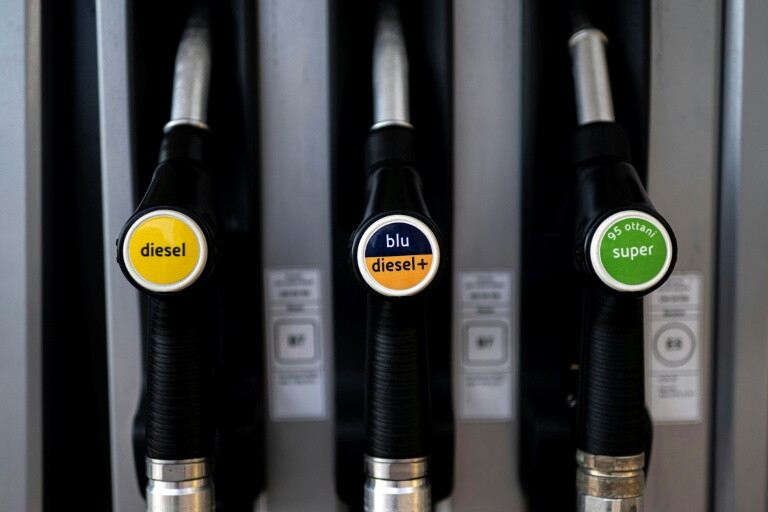
Retail diesel reached $6.53 a gallon, an all-time high, with Brent still near $100. The White House has assured Senator Ted Cruz that it will not ban diesel exports, days after Trump said he had asked staff to examine one and reports emerged of a possible 90-day restriction. The energy secretary has argued that a blanket ban would do more harm than good. One option still under discussion is widening the on-road use of dyed red diesel, which is exempt from federal fuel tax.
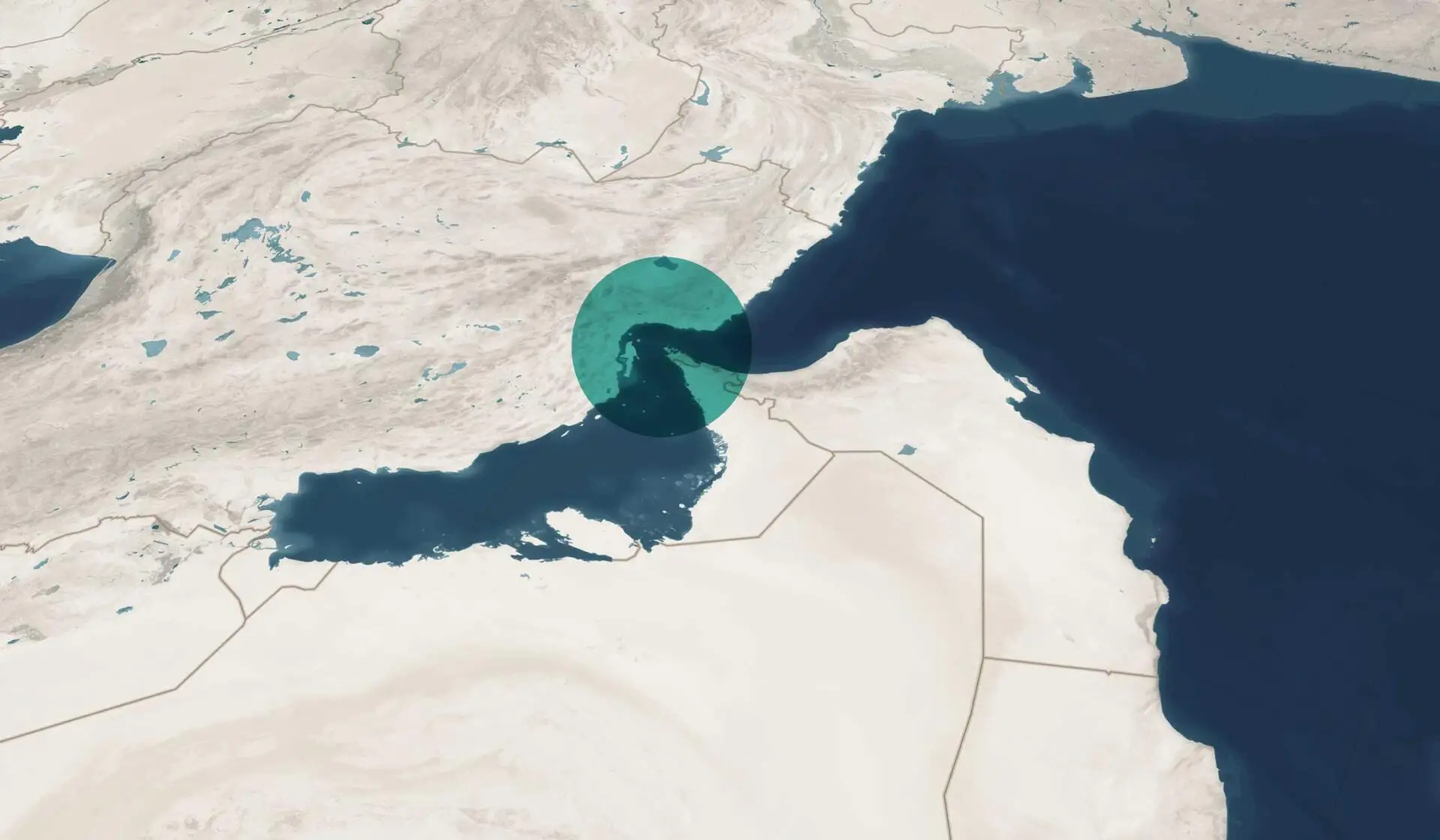
Energy is moving through Hormuz again.
Crude exports from the main Middle East producers rebounded to 12.8m barrels a day in September, the highest since the war began in February, with flows through the strait itself on track for about 7.4m. Saudi shipments jumped to roughly 5.4m barrels a day, from 2.446m in August, after damage to the East-West pipeline pushed cargoes back through the waterway. Nineteen very large crude carriers left the strait last week. Regional exports remain around 6m barrels a day below February’s level.
Peace is still some way off.

Trump rejected Iran’s offer of a seven-day timetable to reopen the strait, passed through Qatari mediators, which had asked for the naval blockade to be lifted, oil sanctions waived and a ceasefire extending to Lebanon. He has told aides he expects to resume bombing after November’s midterm elections. The Houthis are striking Saudi Arabia almost daily; coalition forces intercepted two drones aimed at Riyadh and ballistic missiles towards Khamis Mushait over the weekend. Turkey, Pakistan and several European states have offered Riyadh support.
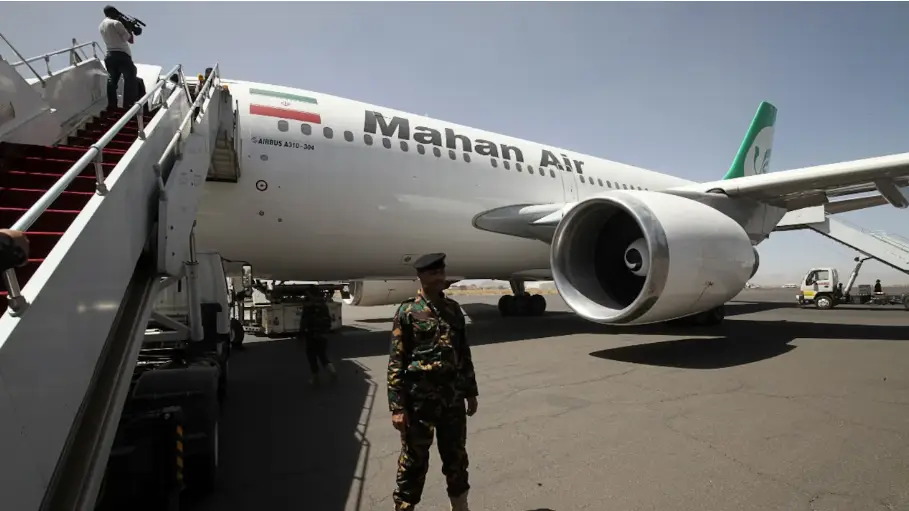
The squeeze on Iran tightens again this week.
American sanctions on 27 airlines and the firms that service them took effect on 23 September, and by the deadline the Treasury estimated that 80% to 90% of Iran’s international flights had stopped. The UAE suspended all Iranian carriers and barred Bank Melli’s local branches from transacting with Iran, while Iraq, Oman, Azerbaijan and Georgia restricted access of their own. Britain’s expanded Iran regime, covering banking relationships, insurance, sovereign debt, oil and petrochemicals, comes into force on 29 September. A presumption of denial now applies to licence applications from five designated Iranian banks.

تكلفة الاقتراض الأمريكية تبلغ مستويات لم تُشهد منذ 2007.
ارتفع عائد سندات الخزانة لأجل عشر سنوات إلى 5.23% يوم الجمعة، وهو أعلى مستوى منذ يونيو 2007، فيما بلغ عائد الثلاثين عامًا مستويات لم تُسجل منذ 2004. وهذا المؤشر هو مرجع تكلفة الرهن العقاري وبطاقات الائتمان وقروض السيارات وتمويل الشركات، وتجاوزت فائدة الرهن العقاري 7%. ويأتي ذلك بعد أول رفع للفائدة من الاحتياطي الفيدرالي منذ 2023، وتضخم عنيد، وإصدارات كثيفة من الحكومة ومن شركات تقترض لتمويل الذكاء الاصطناعي. وفاجأ طرح ضعيف لسندات خمس سنوات منتصف الأسبوع مكاتب التداول. وتسعّر الأسواق احتمال رفع جديد في أكتوبر بنحو 70%.
النفط يثبت فوق 100 دولار والديزل الأمريكي يسجل رقمًا قياسيًا.
بلغ سعر الديزل للمستهلك 6.53 دولارات للغالون، وهو أعلى مستوى على الإطلاق، مع بقاء خام برنت قرب 100 دولار. وأكد البيت الأبيض للسيناتور تيد كروز أنه لن يحظر صادرات الديزل، بعد أيام من قول ترامب إنه طلب من مساعديه دراسة الخيار وورود أنباء عن قيد محتمل لمدة 90 يومًا. ويرى وزير الطاقة أن حظرًا شاملاً سيضر أكثر مما ينفع. ومن الخيارات التي لا تزال مطروحة توسيع استخدام الديزل الأحمر الملوّن على الطرق، وهو معفى من ضريبة الوقود الفيدرالية.
الطاقة تتحرك عبر هرمز مجددًا.
ارتدت صادرات الخام من كبار منتجي الشرق الأوسط إلى 12.8 مليون برميل يوميًا في سبتمبر، وهو أعلى مستوى منذ بدء الحرب في فبراير، مع تدفقات عبر المضيق نفسه في طريقها إلى نحو 7.4 ملايين. وقفزت الشحنات السعودية إلى نحو 5.4 ملايين برميل يوميًا من 2.446 مليون في أغسطس، بعد أن دفعت الأضرار التي لحقت بالخط الشرقي-الغربي الشحنات إلى الممر المائي مجددًا. وغادرت تسع عشرة ناقلة خام عملاقة المضيق الأسبوع الماضي. وما زالت صادرات المنطقة أدنى بنحو 6 ملايين برميل يوميًا من مستوى فبراير.
السلام لا يزال بعيدًا.
رفض ترامب عرضًا إيرانيًا بجدول زمني مدته سبعة أيام لإعادة فتح المضيق، نُقل عبر وسطاء قطريين، وكان يطلب رفع الحصار البحري وإعفاء صادرات النفط من العقوبات ووقف إطلاق نار يمتد إلى لبنان. وأبلغ مساعديه أنه يتوقع استئناف القصف بعد انتخابات التجديد النصفي في نوفمبر. ويستهدف الحوثيون السعودية شبه يوميًا؛ واعترضت قوات التحالف مسيّرتين متجهتين إلى الرياض وصواريخ باليستية نحو خميس مشيط خلال عطلة نهاية الأسبوع. وعرضت تركيا وباكستان وعدة دول أوروبية دعمها على الرياض.
الخناق على إيران يشتد مجددًا هذا الأسبوع.
دخلت العقوبات الأمريكية على 27 شركة طيران والشركات التي تخدمها حيز التنفيذ في 23 سبتمبر، وقدّرت الخزانة الأمريكية توقف ما بين 80% و 90% من رحلات إيران الدولية بحلول الموعد النهائي. وعلّقت الإمارات جميع رحلات الناقلات الإيرانية ومنعت فروع بنك ملي المحلية من التعامل مع إيران، فيما فرضت العراق وعُمان وأذربيجان وجورجيا قيودًا خاصة بها. ويدخل نظام العقوبات البريطاني الموسع حيز التنفيذ في 29 سبتمبر، ويشمل العلاقات المصرفية والتأمين والدين السيادي والنفط والبتروكيماويات. وباتت طلبات الترخيص المقدمة من خمسة بنوك إيرانية مدرجة تخضع لقرينة الرفض. «قد تعود الإمدادات أسرع من الثقة.»
Stay up to date
More Newsletter to Check


SUBSCRIBE TO NEWSLETTER
Subscribe to download our daily economics and business roundup


×
![]()