
TOP TALKS
- BinDawood plans SAR 1.5 bn in new investments. (Local)
- PIF begins taking ownership of 25% stakes in 4 major Saudi clubs. (Local)
- Saudi operating revenues rise 6.1% as building permits surge 20.3% in June. (Local)
- The crown prince is in Paris to boost Saudi-French ties. (Local)
- Saudi Arabia and Lebanon have resumed Lebanese exports to the Kingdom through the Al Masnaa border crossing. (Local)
- Six of the seven Saudi companies that went public in 2025 ended their first year below their offer price. (Local)
- The Saudi Power Procurement Company has signed four storage service agreements for battery energy storage system projects. (Local)
- Saudi Arabia sets 90-day limit for GCC-registered vehicles, fines up to SAR 2,000. (Local)
- Saudis shuttle oil north on Sinokor tankers to evade Houthis. (Global)
- Houthis escalate campaign against Saudi Arabia. (Global)
LOCAL NEWS
“Good morning, people of Saudi Arabia! Welcome to Zilla Capital’s Kingdom Pulse.
- BinDawood plans SAR 1.5 bn in new investments.
BinDawood Holding plans to invest up to SAR 1.5 bn in additional capital over the next two to three years, with the bulk earmarked for Saudi Arabia, after investing around SAR 1.8 bn in acquisitions since 2022. The group currently operates three factories in Jeddah focused on meat, cheese, and fresh food, alongside its previous acquisition of UAE-based Wonder Bakery. Meanwhile, it recently agreed to acquire the assets of a dairy products plant in Estonia for around EUR 135.25 mn as a part of the group’s expansion into food manufacturing. (Al Arabiya Business)
- PIF begins taking ownership of 25% stakes in 4 major Saudi clubs.
The Ministry of Sports announced on Wednesday the commencement of the transfer of shares held by non-profit organizations, representing 25 percent of the shares in the four clubs—Al-Ittihad, Al-Ahli, Al-Hilal, and Al-Nassr—to the Public Investment Fund (PIF). This marks the second phase of the transfer of ownership of the four clubs and forms part of the efforts to complete their transition to an ownership model that enhances their investment appeal, strengthens corporate governance, and supports their long-term sustainability and growth. (Saudi Gazette)
- Saudi operating revenues rise 6.1% as building permits surge 20.3% in June.
Saudi Arabia’s Operating Revenues Index increased 6.1% year-on-year in June 2026, while the number of issued building permits jumped 20.3%, according to preliminary results from the General Authority for Statistics (GASTAT). The annual increase in operating revenues was supported by growth of 16.9% in manufacturing activities as well as in financial and insurance activities. Transportation and storage activities recorded an 18.4% annual increase, while real estate activities rose 15% and electricity, gas, steam and air conditioning supply increased 14.9%. (Zawya)
- The crown prince is in Paris to boost Saudi-French ties.
Saudi Arabia and France are expected to ink several bilateral agreements this week as part of Crown Prince Mohammed bin Salman’s meeting with French President Emmanuel Macron. The two parties will sign agreements involving technology, transport, energy, and health at the Franco-Saudi Strategic Partnership Council. The leaders will also discuss diversifying maritime transport routes, alternative logistics routes around Hormuz, and regional rail projects, as well as conflicts involving Israel, the Palestinians, Lebanon, and Syria. (Bloomberg)
- Saudi Arabia and Lebanon have resumed Lebanese exports to the Kingdom through the Al Masnaa border crossing.
A new border-crossing center is also in the works. The Kingdom lifted a ban on Lebanese imports in June, which was first imposed in 2021 over the smuggling of illicit substances among legitimate cargo. The decision to resume trade came in response to requests from Lebanese President Joseph Aoun and Prime Minister Nawaf Salam and is expected to help revive the Lebanese economy. (Al Arabiya)
- Six of the seven Saudi companies that went public in 2025 ended their first year below their offer price.
Arab Agricultural and Industrial Investment Co. (Entaj) and United Carton Industries recorded the steepest falls at around 51% and 50%, respectively, while Umm Al Qura for Development & Construction (Masa) was the only stock to trade above its IPO price, gaining 8%. The review of IPO pricing mechanisms comes as Mazen Al Sudairi takes over as chairman of the CMA’s board, amid indications that the stock market could raise its foreign ownership limit. A Morgan Stanley report expects the foreign ownership cap will be raised to 75%, a move that could attract around USD 4.3 bn in additional inflows, which could rise to USD 7.4 bn if restrictions are fully removed. (Bloomberg Asharq)
- The Saudi Power Procurement Company has signed four storage service agreements for battery energy storage system projects.
The Saudi Power Procurement Company (Principal Buyer) has signed four storage service agreements for battery energy storage system projects with a combined capacity of 2 GW over four hours, involving investments of more than SAR 4.35 bn. These projects are part of the first group of BESS projects under the build-own-operate model. The Kingdom aims to generate 50% of electricity from renewable sources by 2030. It has also set a goal of reaching 130 GW of renewable energy capacity by the end of the decade. (Enterprise)
- Saudi Arabia sets 90-day limit for GCC-registered vehicles, fines up to SAR 2,000.
Saudi Arabia has approved executive procedures regulating how long privately owned vehicles registered in other Gulf Cooperation Council (GCC) countries may remain in the Kingdom, setting a standard limit of 90 days within a 365-day period. Zakat, Tax and Customs Authority (ZATCA) Governor Suhail Abanmi approved the procedures in coordination with the Ministry of Interior. The new rules will take effect on Aug. 26, 2026. Vehicles already inside Saudi Arabia before the regulations take effect will be granted a 90-day grace period to regularize their status. ZATCA and the General Directorate of Traffic said the grace period will run from Aug. 26 through Nov. 23, 2026. (Saudi Gazette)
ON THE GLOBAL FRONT
Saudis shuttle oil north on Sinokor tankers to evade Houthis.
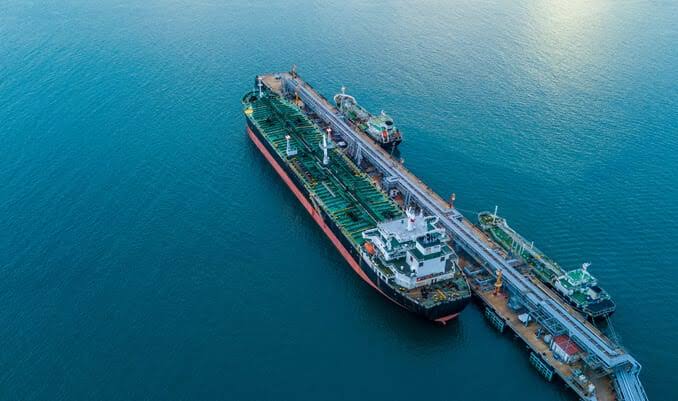
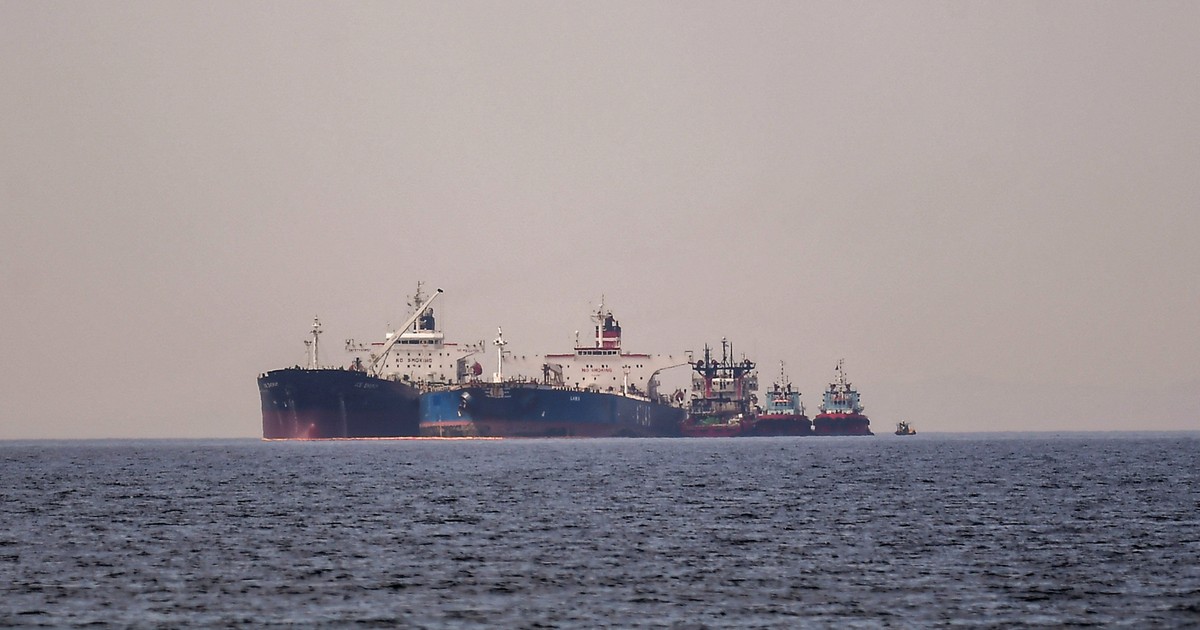
Shipowners including Sinokor Group are helping Saudi Arabian crude exit the Red Sea via the safer northern route, as Iran-backed militants target the kingdom’s exports via the Bab el Mandeb chokepoint in the south. State-owned Saudi Aramco has been exporting more oil from ports such as Sidi Kerir in the Mediterranean Sea after Yemen-based Houthis started targeting ships that had loaded at the Red Sea export terminal at Yanbu. Over the past month, vessels controlled by South Korea’s Sinokor, Greece’s Dynacom and Norway’s DHT Management AS have been seen shuttling cargoes from Yanbu to Ain Sukhna, where oil is discharged and piped north. Saudi crude exports via the northern Red Sea have increased by about a third since the Houthis announced their blockade on July 20, to about 1.1 million barrels a day, according to data from Kpler. At least four tankers have completed the journey from Yanbu to Ain Sukhna twice or more with cargo, transferring about 16.3 million barrels. Saudi crude shipments via the Mediterranean mean tankers have to sail around southern Africa to reach the kingdom’s main customers in Asia. That adds weeks to the journey. Yanbu has been central to Saudi Arabia’s efforts at bypassing the Strait of Hormuz, with the kingdom quickly rerouting Persian Gulf barrels via the East-West pipeline to keep oil flowing early in the war. Some shipowners and charterers are still risking the journey through the Bab el Mandeb Strait near Yemen. (Bloomberg)
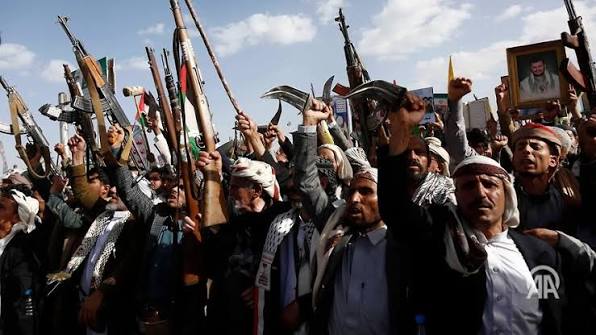
Houthis escalate campaign against Saudi Arabia.
Sunken cargo ships lie partially submerged in the ancient Yemeni port of Mocha. Closer to the shore, smoke rises from the charred remains of fishing boats, flames flickering amid the wreckage. Several centuries ago Mocha was one of the most famed trading ports on the Red Sea, a vital hub for European and Middle Eastern coffee traders seeking prized Arabica beans grown in Yemen’s highlands. But now, it has become a front line in the Houthi rebels’ escalating conflict with Saudi Arabia and the widening war in the Middle East. The Iranian-backed group has over the past two weeks launched almost daily missile and drone attacks on Mocha — which is controlled by a faction affiliated to Yemen’s Saudi-backed government — as the rebels seek to advance south along the Red Sea coast and push towards the strategic Bab el-Mandeb Strait. More than a dozen people have been killed, port operations paralysed, fishermen grounded and public spaces in the small city shut down. Mocha has become one of the most active theatres in a new Houthi offensive against Yemen’s government and its Saudi patrons, threatening to reignite a civil war stagnant since a 2022 ceasefire and to further disrupt global energy supplies. (Financial Times)
أهم الأحداث
- بن داود تخطط لاستثمارات جديدة بقيمة 1.5 مليار ريال سعودي. (محلية)
- صندوق الاستثمارات العامة يبدأ تملّك حصص 25% في أربعة أندية سعودية كبرى. (محلية)
- ارتفاع الإيرادات التشغيلية في السعودية 6.1% وقفزة 20.3% في تراخيص البناء خلال يونيو. (محلية)
- ولي العهد السعودي في باريس لتعزيز العلاقات السعودية الفرنسية. (محلية)
- السعودية ولبنان تستأنفان حركة الصادرات اللبنانية إلى المملكة عبر معبر المصنع. (محلية)
- ست من أصل سبع شركات سعودية طُرحت في البورصة خلال 2025 أنهت عامها الأول دون سعر الطرح. (محلية)
- الشركة السعودية لشراء الطاقة توقع أربع اتفاقيات لتخزين الطاقة باستثمارات تتجاوز 4.35 مليار ريال. (محلية)
- السعودية تحدد 90 يومًا كحد أقصى لبقاء المركبات المسجلة في دول الخليج وغرامات تصل إلى 2,000 ريال. (محلية)
- السعودية تعيد توجيه صادرات النفط شمالًا لتجنب مخاطر هجمات الحوثيين. (عالمية)
- الحوثيون يصعّدون حملتهم ضد السعودية. (عالمية)
أخبار محلية
- بن داود تخطط لاستثمارات جديدة بقيمة 1.5 مليار ريال سعودي.
تعتزم شركة بن داود القابضة ضخ استثمارات رأسمالية إضافية تصل إلى 1.5 مليار ريال خلال العامين إلى الثلاثة أعوام المقبلة، مع توجيه الجزء الأكبر منها إلى السوق السعودية، وذلك بعد استثمارات بنحو 1.8 مليار ريال في عمليات استحواذ منذ عام 2022. وتدير المجموعة حاليًا ثلاثة مصانع في جدة متخصصة في اللحوم والأجبان والأغذية الطازجة، إلى جانب استحواذها السابق على شركة Wonder Bakery الإماراتية. كما وافقت مؤخرًا على الاستحواذ على أصول مصنع لمنتجات الألبان في إستونيا مقابل نحو 135.25 مليون يورو، ضمن خطتها للتوسع في قطاع الصناعات الغذائية. (العربية بيزنس)
- صندوق الاستثمارات العامة يبدأ تملّك حصص 25% في أربعة أندية سعودية كبرى.
أعلنت وزارة الرياضة بدء نقل حصص المؤسسات غير الربحية، والبالغة 25% في أندية الاتحاد والأهلي والهلال والنصر، إلى صندوق الاستثمارات العامة (PIF). وتأتي الخطوة ضمن المرحلة الثانية من نقل ملكية الأندية الأربعة، بهدف استكمال تحولها إلى نموذج ملكية يعزز جاذبيتها الاستثمارية، ويرفع كفاءة الحوكمة، ويدعم استدامتها ونموها على المدى الطويل. (صحيفة سعودي جازيت)
- ارتفاع الإيرادات التشغيلية في السعودية 6.1% وقفزة 20.3% في تراخيص البناء خلال يونيو.
ارتفع مؤشر الإيرادات التشغيلية في السعودية بنسبة 6.1% على أساس سنوي خلال يونيو 2026، فيما قفز عدد تراخيص البناء الصادرة بنسبة 20.3%، وفقًا للنتائج الأولية للهيئة العامة للإحصاء. وجاء نمو الإيرادات مدفوعًا بارتفاع أنشطة التصنيع والأنشطة المالية والتأمينية بنسبة 16.9%، إلى جانب نمو النقل والتخزين بنسبة 18.4%، والأنشطة العقارية بنسبة 15%، وإمدادات الكهرباء والغاز والبخار وتكييف الهواء بنسبة 14.9%. (زاوية)
- ولي العهد السعودي في باريس لتعزيز العلاقات السعودية الفرنسية.
من المتوقع أن توقع السعودية وفرنسا عدة اتفاقيات ثنائية خلال الأسبوع الجاري، بالتزامن مع لقاء ولي العهد الأمير محمد بن سلمان بالرئيس الفرنسي إيمانويل ماكرون. ومن المقرر أن يوقع الجانبان اتفاقيات في مجالات التكنولوجيا والنقل والطاقة والصحة، ضمن أعمال مجلس الشراكة الاستراتيجية السعودي الفرنسي. كما سيناقش الجانبان تنويع مسارات النقل البحري، والطرق اللوجستية البديلة بعيدًا عن مضيق هرمز، إلى جانب مشروعات السكك الحديدية الإقليمية، فضلًا عن تطورات الأوضاع في إسرائيل والأراضي الفلسطينية ولبنان وسوريا. (بلومبرغ)
- السعودية ولبنان تستأنفان حركة الصادرات اللبنانية إلى المملكة عبر معبر المصنع.
استأنفت السعودية استقبال الصادرات اللبنانية عبر معبر المصنع الحدودي، بالتزامن مع العمل على إنشاء مركز حدودي جديد. وكانت المملكة قد رفعت في يونيو الحظر المفروض على الواردات اللبنانية منذ عام 2021، والذي جاء على خلفية تهريب مواد غير مشروعة ضمن الشحنات التجارية. وجاء استئناف التجارة استجابة لطلبات الرئيس اللبناني جوزيف عون ورئيس الوزراء نواف سلام، في خطوة من المتوقع أن تدعم تعافي الاقتصاد اللبناني. (العربية)
- ست من أصل سبع شركات سعودية طُرحت في البورصة خلال 2025 أنهت عامها الأول دون سعر الطرح.
سجلت شركتا إنتاج والمتحدة لصناعات الكرتون أكبر التراجعات بنحو 51% و50% على التوالي، بينما كانت أم القرى للتنمية والإعمار (مسار) الوحيدة التي تداول سهمها أعلى من سعر الطرح، بمكاسب بلغت 8%. ويأتي ذلك بالتزامن مع مراجعة آليات تسعير الطروحات وتولي مازن السديري رئاسة مجلس هيئة السوق المالية، وسط توقعات برفع سقف الملكية الأجنبية إلى 75%. وبحسب مورغان ستانلي، قد تجذب هذه الخطوة تدفقات إضافية بنحو 4.3 مليار دولار، ترتفع إلى 7.4 مليار دولار في حال إلغاء القيود بالكامل. (الشرق بلومبرغ(
- الشركة السعودية لشراء الطاقة توقع أربع اتفاقيات لتخزين الطاقة باستثمارات تتجاوز 4.35 مليار ريال.
وقعت الشركة السعودية لشراء الطاقة أربع اتفاقيات لخدمات تخزين الطاقة بالبطاريات، بإجمالي قدرة تبلغ 2 جيجاواط لمدة أربع ساعات، ضمن المرحلة الأولى من مشروعات تخزين الطاقة بنظام البناء والتملك والتشغيل. وتأتي المشروعات ضمن خطط المملكة للتحول نحو الطاقة النظيفة، حيث تستهدف توليد 50% من الكهرباء من مصادر متجددة بحلول 2030، والوصول إلى قدرة إنتاجية من الطاقة المتجددة تبلغ 130 جيجاواط بنهاية العقد. (إنتربرايز)
- السعودية تحدد 90 يومًا كحد أقصى لبقاء المركبات المسجلة في دول الخليج وغرامات تصل إلى 2,000 ريال.
أقرت السعودية إجراءات جديدة تنظم مدة بقاء المركبات الخاصة المسجلة في دول مجلس التعاون الخليجي داخل المملكة، بحد أقصى 90 يومًا خلال فترة 365 يومًا. وتدخل القواعد الجديدة حيز التنفيذ في 26 أغسطس 2026، مع منح المركبات الموجودة بالفعل داخل المملكة مهلة 90 يومًا لتوفيق أوضاعها، تمتد حتى 23 نوفمبر 2026. وقد تصل غرامات المخالفة إلى 2,000 ريال سعودي. (صحيفة سعودي جازيت)
علي الصعيد العالمي
السعودية تعيد توجيه صادرات النفط شمالًا لتجنب مخاطر هجمات الحوثيين.
يساعد مالكو السفن، ومن بينهم مجموعة سينوكور (Sinokor Group)، في نقل الخام السعودي خارج البحر الأحمر عبر المسار الشمالي الأكثر أمانًا، في الوقت الذي يستهدف فيه مسلحون مدعومون من إيران صادرات المملكة عبر مضيق باب المندب، الذي يمثل نقطة اختناق استراتيجية في جنوب البحر الأحمر. وزادت شركة أرامكو السعودية المملوكة للدولة صادراتها النفطية من موانئ مثل سيدي كرير على البحر المتوسط، بعدما بدأ الحوثيون المتمركزون في اليمن استهداف السفن التي قامت بتحميل شحناتها من محطة تصدير النفط في ينبع على البحر الأحمر. وخلال الشهر الماضي، شوهدت سفن تديرها شركة سينوكور الكورية الجنوبية، وديناكوم اليونانية (Dynacom)، وDHT Management AS النرويجية وهي تنقل الشحنات بين ينبع والعين السخنة، حيث يتم تفريغ النفط وضخه عبر خطوط الأنابيب باتجاه الشمال. وارتفعت صادرات الخام السعودي عبر شمال البحر الأحمر بنحو الثلث منذ إعلان الحوثيين حصارهم في 20 يوليو، لتصل إلى نحو 1.1 مليون برميل يوميًا، وفقًا لبيانات شركة Kpler. وأكملت أربع ناقلات على الأقل الرحلة من ينبع إلى العين السخنة مرتين أو أكثر وهي محملة بالنفط، ناقلةً نحو 16.3 مليون برميل. ويعني تصدير الخام السعودي عبر البحر المتوسط أن الناقلات المتجهة إلى العملاء الرئيسيين للمملكة في آسيا تضطر إلى الإبحار حول جنوب أفريقيا، وهو ما يضيف عدة أسابيع إلى مدة الرحلة. وكان ميناء ينبع محورًا رئيسيًا في جهود السعودية لتجاوز مضيق هرمز، حيث سارعت المملكة في بداية الحرب إلى إعادة توجيه براميل النفط القادمة من الخليج عبر خط أنابيب شرق-غرب للحفاظ على استمرار تدفقات النفط. ومع ذلك، لا يزال بعض مالكي السفن ومستأجريها يخاطرون بالمرور عبر مضيق باب المندب بالقرب من اليمن. (بلومبرغ)
الحوثيون يصعّدون حملتهم ضد السعودية.
ترقد سفن شحن غارقة، وقد غمرتها المياه جزئيًا، في ميناء المخا اليمني العريق. وبالقرب من الشاطئ، يتصاعد الدخان من بقايا قوارب صيد متفحمة، بينما لا تزال ألسنة اللهب تتراقص وسط الحطام. قبل عدة قرون، كان المخا أحد أشهر الموانئ التجارية على البحر الأحمر، ومركزًا حيويًا لتجار القهوة الأوروبيين والشرق أوسطيين الذين كانوا يبحثون عن حبوب الأرابيكا الثمينة المزروعة في مرتفعات اليمن. لكن الميناء أصبح اليوم جبهة مواجهة في الصراع المتصاعد بين المتمردين الحوثيين والسعودية، وفي ظل اتساع نطاق الحرب في الشرق الأوسط. وخلال الأسبوعين الماضيين، شنت الجماعة المدعومة من إيران هجمات شبه يومية بالصواريخ والطائرات المسيّرة على المخا، التي تسيطر عليها فصائل تابعة للحكومة اليمنية المدعومة من السعودية، في الوقت الذي يسعى فيه الحوثيون إلى التقدم جنوبًا على طول ساحل البحر الأحمر والاقتراب من مضيق باب المندب الاستراتيجي. وأسفرت الهجمات عن مقتل أكثر من 12 شخصًا، وشل حركة الميناء، ومنع الصيادين من الإبحار، وإغلاق الأماكن العامة في المدينة الصغيرة. وأصبحت المخا واحدة من أكثر ساحات المواجهة نشاطًا في الهجوم الحوثي الجديد ضد الحكومة اليمنية وداعميها السعوديين، ما يهدد بإعادة إشعال الحرب الأهلية التي تشهد حالة من الجمود منذ وقف إطلاق النار في عام 2022، فضلًا عن زيادة الاضطرابات التي تواجه إمدادات الطاقة العالمية. (فاينانشال تايمز)
Stay up to date
More Newsletter to Check
SUBSCRIBE TO NEWSLETTER
Subscribe to download our daily economics and business roundup


×
![]()