
GE: Bitcoin Slides Below $80,000 as Investors Reassess Risk

Bitcoin Slides Below $80,000 as Investors Reassess Risk
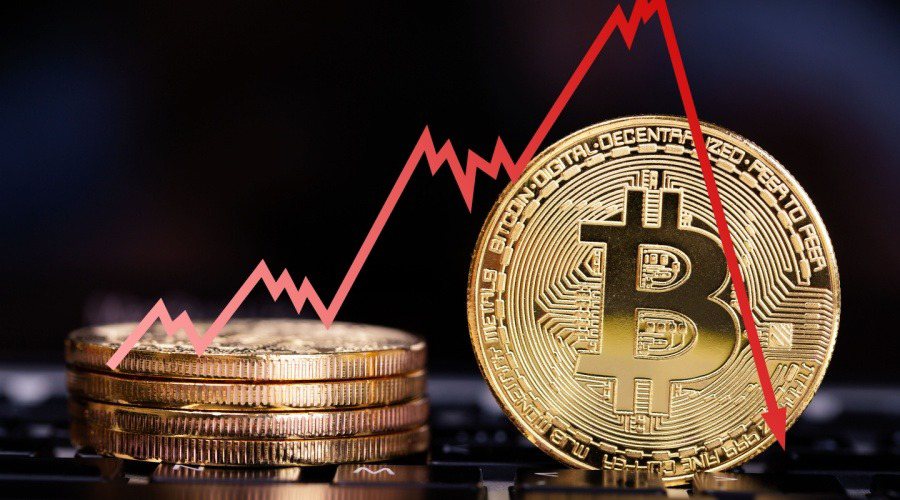
Bitcoin has fallen below $80,000 for the first time since April 2025, marking a sharp downturn in the cryptocurrency market. Other digital assets have also come under pressure, with Bitcoin now down nearly 13% since the beginning of the year. Despite being promoted as a safe-haven asset, investors are increasingly viewing it as a high-risk investment amid escalating geopolitical tensions.
Rising Tensions as Iran and the US Trade Warnings

Iran’s president, Masoud Pezeshkian, accused the United States, Israel, and Europe of taking advantage of his country’s economic difficulties to fuel internal unrest. Meanwhile, Donald Trump said that Iran prefers to reach an agreement rather than face a potential American military strike. He also announced the deployment of a naval armada to the Middle East and warned that force could be used if Iran refuses to abandon its nuclear programme.
India’s Budget Signals Stability, but Investment Challenges Remain
India’s finance minister, Nirmala Sitharaman, presented the latest budget to parliament without major changes for income taxpayers, instead focusing on higher spending for manufacturing and infrastructure. This comes after India finalised its largest-ever trade deal with the European Union and announced plans to simplify its customs system. While the government says it has reduced the fiscal deficit, it now faces the challenge of reviving investment, which has remained weak for years. Foreign investors have pulled back, Indian stocks remain expensive, and the lack of major AI companies continues to limit capital inflows.
Japan’s Weak Yen Raises Fears of a Slow-Burning Fiscal Crisis

Despite rising inflation and interest-rate hikes by the Bank of Japan, alongside rate cuts by the Federal Reserve, the yen remains weak, raising concerns about possible government intervention and Japan’s growing debt risks. While inflation has recently supported public finances by boosting revenues and lowering real interest rates, any slowdown could reverse this trend. At the same time, Prime Minister Sanae Takaichi is campaigning on higher spending and tax cuts, which may widen the deficit and add pressure on debt and inflation, making fiscal easing increasingly risky.
China’s Uneven Consumption Map
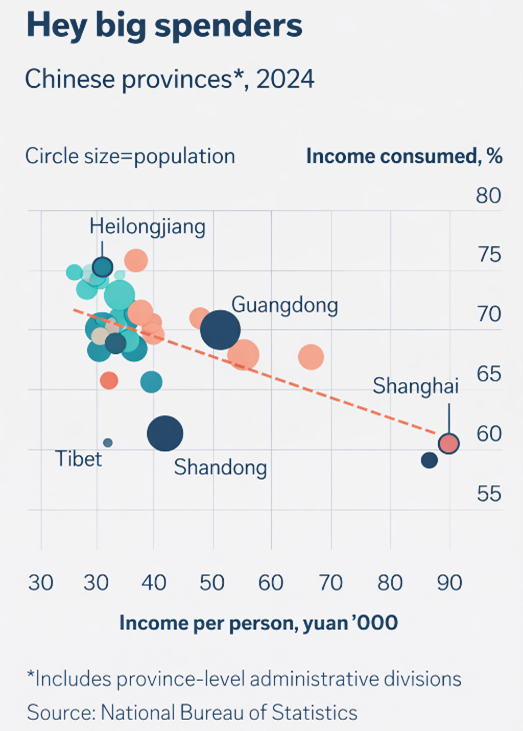
China’s government aims to boost domestic consumption, but spending patterns differ widely across regions. In provinces like Heilongjiang, most disposable income is spent, while in Tibet, households save more despite similar income levels. Overall, richer provinces tend to spend a smaller share of their income. Policymakers may achieve better results by focusing on regions that spend unusually much or little relative to their wealth, where targeted measures could be most effective.

بيتكوين تهبط دون 80 ألف دولار وسط تزايد مخاوف المستثمرين
تراجع سعر عملة بيتكوين إلى ما دون مستوى 80 ألف دولار للمرة الأولى منذ أبريل 2025، في إشارة إلى موجة هبوط واضحة في سوق العملات الرقمية. كما تعرضت باقي العملات المشفرة لضغوط مماثلة، ليصل إجمالي خسائر بيتكوين منذ بداية العام إلى نحو 13%. ورغم الترويج لها كملاذ آمن، يبدو أن المستثمرين باتوا يتعاملون مع بيتكوين كأصل عالي المخاطر، في ظل تصاعد التوترات الجيوسياسية عالميًا.
تصاعد التوتر بين إيران وأمريكا وسط تبادل التهديدات
اتهم الرئيس الإيراني، مسعود بزشكيان، الولايات المتحدة وإسرائيل وأوروبا باستغلال الأوضاع الاقتصادية الصعبة في بلاده لإشعال حالة من الاضطراب الداخلي. وفي المقابل، قال الرئيس الأمريكي دونالد ترامب إن إيران تفضل التوصل إلى اتفاق بدلًا من مواجهة هجوم عسكري أمريكي محتمل. كما أعلن إرسال أسطول بحري إلى الشرق الأوسط، محذرًا من اللجوء إلى القوة إذا لم تتخلَّ إيران عن برنامجها النووي.
موازنة الهند تؤكد الاستقرار… لكن تحديات الاستثمار مستمرة
قدّمت وزيرة المالية الهندية، نيرمالا سيتارامان، الموازنة الجديدة دون تغييرات كبيرة لدافعي الضرائب، مع التركيز على زيادة الإنفاق على التصنيع والبنية التحتية، وذلك بعد إتمام أكبر اتفاق تجاري مع الاتحاد الأوروبي والإعلان عن خطط لتبسيط نظام الجمارك. ورغم نجاح الحكومة في خفض العجز المالي، لا تزال تواجه تحديًا في تنشيط الاستثمار، الذي ظل ضعيفًا لسنوات، في ظل تراجع استثمارات الأجانب، وارتفاع تقييمات الأسهم، وغياب شركات ذكاء اصطناعي كبرى قادرة على جذب تدفقات رأسمالية قوية.
الين الضعيف يثير مخاوف أزمة مالية تدريجية في اليابان
رغم ارتفاع التضخم وقيام بنك اليابان برفع الفائدة، بالتوازي مع خفض الفيدرالي الأمريكي لها، لا يزال الين ضعيفًا، ما يثير مخاوف من تدخل حكومي ومخاطر مرتبطة بالدين العام. ورغم أن التضخم دعم المالية العامة مؤخرًا، فإن تراجعه قد يعكس هذا الاتجاه. وفي الوقت نفسه، تتعهد رئيسة الوزراء ساناي تاكايتشي بزيادة الإنفاق وخفض الضرائب، وهو ما قد يوسّع العجز ويرفع الضغوط على الدين والتضخم، ليجعل التوسع المالي أكثر خطورة.
الفجوة الإقليمية في إنفاق الأسر الصينية
تسعى الحكومة الصينية إلى تعزيز الاستهلاك المحلي، لكن أنماط الإنفاق تختلف بشكل كبير بين المناطق. ففي مقاطعات مثل هيلونغجيانغ، يُنفق السكان معظم دخولهم، بينما في التبت يميلون إلى الادخار رغم تقارب مستويات الدخل. وبشكل عام، تميل المناطق الأكثر ثراءً إلى إنفاق نسبة أقل من دخلها. وقد يكون من الأجدى أن تركز السياسات على المناطق التي تنفق بشكل غير معتاد مقارنة بمستواها المعيشي، حيث يمكن أن تكون التدخلات أكثر فاعلية.
Stay up to date
More Newsletter to Check



SUBSCRIBE TO NEWSLETTER
Subscribe to download our daily economics and business roundup


×
![]()