
GE: How Exports Are Buying China Time on Its Property Crisis

How Exports Are Buying China Time on Its Property Crisis
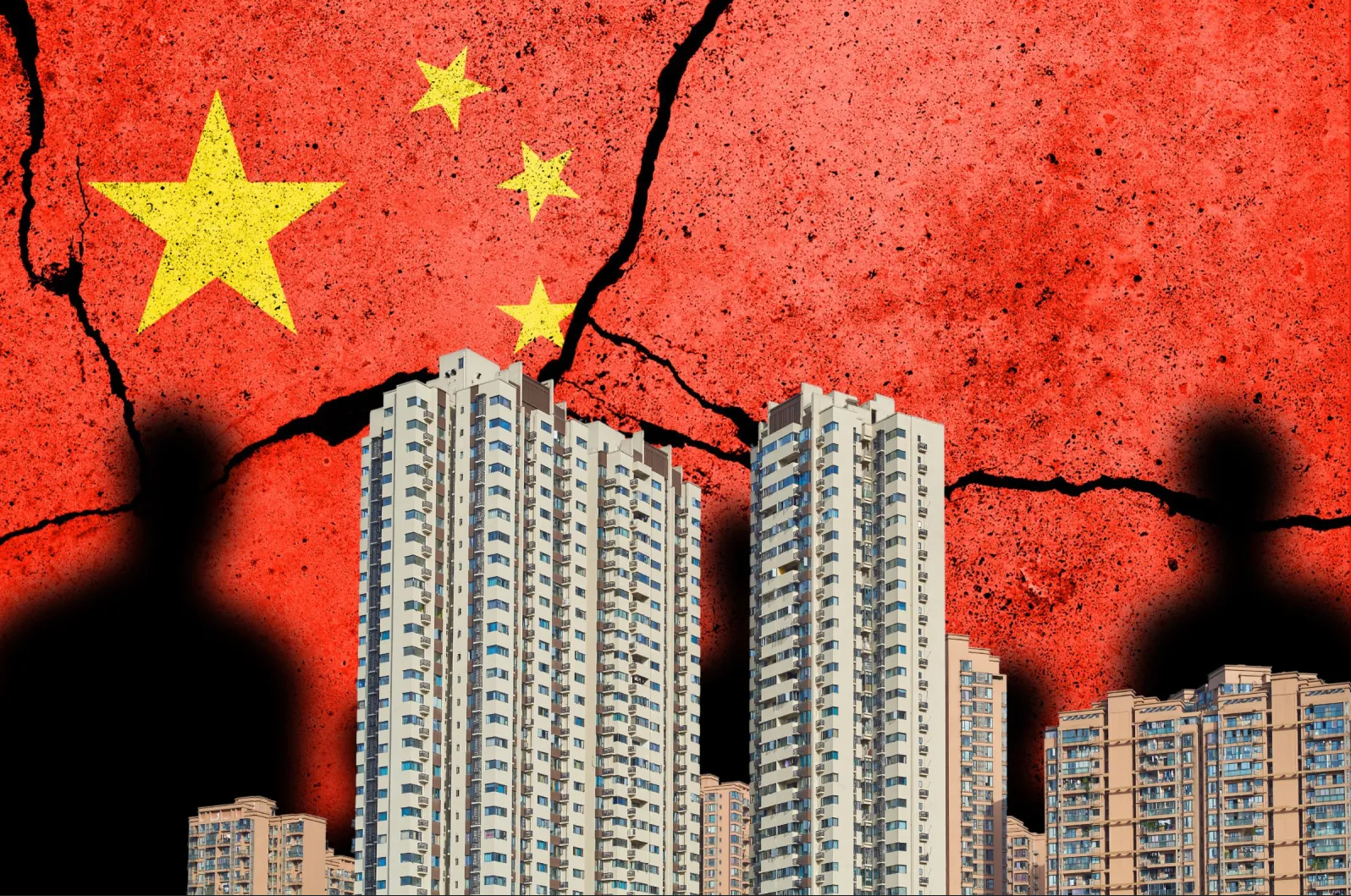
One of the biggest questions of 2025 is why Beijing has not moved more aggressively to rescue its struggling property market, now in its fifth year of downturn. According to Larry Hu of Macquarie, the government has deliberately held back — simply because it can. Despite a sharp collapse in new housing investment, China is still on track to hit its official growth target of around 5% this year. A major reason is the unexpectedly strong global demand for Chinese exports. Data released on Monday showed that exports surged by 5.9% in November compared to last year. Officials are now betting this momentum will carry into 2026. However, Hu warns that a potential technology downturn in the U.S. could derail global growth. If that happens, China would have little choice but to stimulate domestic demand — including taking bold action to revive the property sector. In that sense, China’s housing future may ultimately be shaped by events in America.
Central Banks Take Center Stage: Markets Brace for a Global Policy Shake-Up
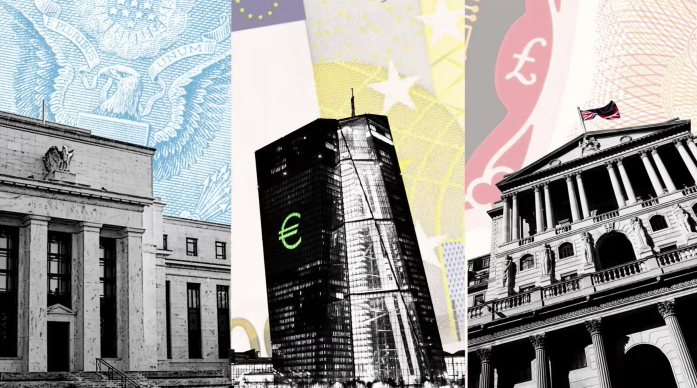
The main event takes place on Wednesday with the Federal Reserve’s policy decision, leading a packed calendar of global monetary announcements. Markets are almost fully priced for a 25-basis-point rate cut. With the “what” largely settled, attention now turns to the “how”: Will the decision be unanimous? And will Chair Powell attempt to deliver a so-called “hawkish cut”? Investors remain cautious about the path ahead. The probability of another cut as soon as January is currently priced at only around 30%, reflecting growing uncertainty about how fast easing will continue. Balance-sheet guidance will also be under close scrutiny, as markets look for any signal on the pace of liquidity withdrawal. At the same time, a new global theme is taking shape: monetary policy dispersion. As central banks drift away from synchronized action, outcomes are expected to vary widely across meetings in Australia, Brazil, Canada, Switzerland, Türkiye, and beyond. Switzerland, in particular, is under the spotlight. With rates already near the floor, speculation is rising over a possible return to negative interest rates. In the Eurozone, attention will focus on President Lagarde’s comments, delivered just before the European Central Bank enters its formal blackout period.
Stocks Rise, Bonds Warn: The Global Markets at a Turning Point
Global stocks opened the week on a cautious upswing as investors look past the Federal Reserve’s almost-certain final rate cut of 2025 and focus instead on the interest-rate outlook for 2026. S&P 500 futures edged up 0.1% with the index hovering near record highs, while Netflix briefly jumped in premarket trading before trimming gains after President Trump flagged possible antitrust concerns over the planned Warner Bros. Discovery deal. U.S. equities have rebounded in recent weeks on expectations of a third straight Fed rate cut this week, but the rally remains fragile amid lingering inflation worries, uncertainty over how fast easing will continue next year, and questions over the durability of the AI-driven boom. Bond markets, however, are flashing caution. Global bonds fell as ECB official Isabel Schnabel suggested European rates may have already hit their floor, while U.S. Treasury yields climbed to 4.15% after their worst week in eight months. With the Fed deeply divided over inflation risks and the lack of fresh data during the shutdown, markets now price in just two additional cuts by end-2026, down from three a week ago. While many global investors remain positioned for a “risk-on” 2026 on bets of resilient growth and AI-led productivity gains, others are staying patient into year-end, wary that liquidity will fade and that the Fed may prove less dovish than markets currently expect.
China’s EV Titans Enter a New Battle for 2026

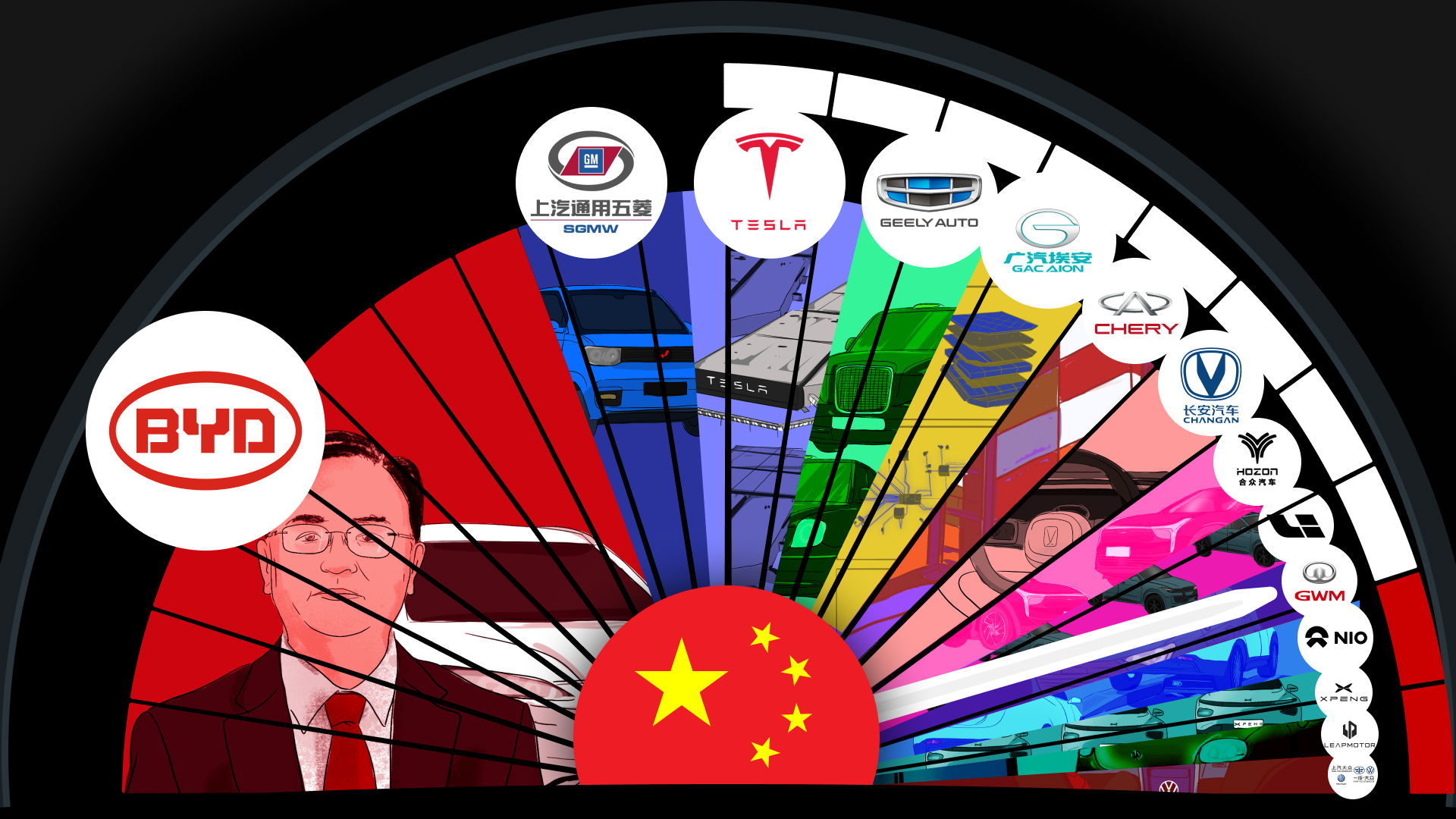
China’s electric vehicle market is heading into 2026 after a year of dizzying momentum, fierce competition, and tightening regulation. Xiaomi stunned the industry with a rapid rise from smartphone giant to profitable EV player, while BYD — long the undisputed leader — saw its explosive growth cool after price cuts triggered regulatory backlash and squeezed margins. At the same time, technology races accelerated, with ultra-fast charging batteries, smarter driver-assist systems, and intense innovation shaping the battlefield. Now, with subsidies fading and Beijing cracking down on price wars and excess capacity, the rules of the game are changing fast. The year ahead will test who can truly dominate. BYD is betting on next-generation batteries, new models, and advanced driver-assist features to reignite sales, while Xiaomi prepares its next act with a larger premium SUV to expand beyond its limited lineup and production capacity. With domestic competition brutal, Chinese automakers are also aggressively expanding overseas — from Europe and Southeast Asia to South America and the Middle East. Even as tariffs shut the door on North America, global markets are quickly becoming the new arena where China’s EV giants aim to secure their next phase of dominance.

كيف تشتري الصادرات الوقت للصين في أزمة العقارات
قأحد أكثر ألغاز عام 2025 هو سبب عدم تحرّك الحكومة الصينية بقوة لإنقاذ سوق العقارات، رغم دخوله عامه الخامس من التراجع. وبحسب لاري هو من بنك ماكواري، فإن بكين لم تتدخل حتى الآن لأنها ببساطة ليست مضطرة لذلك. فعلى الرغم من الانهيار الحاد في الاستثمارات الجديدة بقطاع الإسكان، لا يزال الاقتصاد الصيني في طريقه لتحقيق مستهدف النمو الرسمي قرب 5% هذا العام، مدعومًا بطلب خارجي فاق التوقعات على الصادرات الصينية. وأظهرت بيانات صدرت يوم الاثنين أن الصادرات ارتفعت بنسبة 5.9% في نوفمبر على أساس سنوي. وتأمل السلطات أن يستمر هذا الزخم خلال عام 2026. إلا أن هو يحذّر من أن أي تباطؤ حاد في قطاع التكنولوجيا الأمريكي قد يدفع الاقتصاد العالمي إلى التعثر. وحينها، لن يكون أمام الصين خيار سوى تحفيز الطلب المحلي، بما في ذلك التدخل الحاسم لإنعاش سوق العقارات. وبهذا المعنى، قد تكون سياسات الإسكان في الصين مرهونة بما يحدث في الولايات المتحدة.
أسبوع البنوك المركزية: قرارات قد تعيد رسم خريطة الأسواق عالميًا
الحدث الأبرز يأتي يوم الأربعاء مع إعلان مجلس الاحتياطي الفيدرالي قراره بشأن أسعار الفائدة، ضمن أسبوع مزدحم بقرارات بنوك مركزية حول العالم. الأسواق تكاد تُجمع على خفض بنحو 25 نقطة أساس. وبما أن “ماذا سيحدث” أصبح محسومًا إلى حد كبير، يتحول التركيز الآن إلى “كيف سيحدث”: هل سنشهد انقسامًا واضحًا في التصويت؟ وهل سيميل رئيس الفيدرالي جيروم باول إلى ما يُعرف بـ«خفض متشدد»؟ المستثمرون لا يزالون حذرين بشأن المسار المستقبلي للتيسير النقدي، حيث تُسعّر الأسواق احتمال خفض جديد في يناير بنسبة لا تتجاوز 30% فقط، ما يعكس حالة عدم اليقين حول سرعة وتيرة التيسير. وفي الوقت نفسه، ستكون إشارات الميزانية العمومية تحت المجهر، بحثًا عن أي دلائل تتعلق بوتيرة سحب السيولة من الأسواق. بالتوازي، تتشكل ظاهرة عالمية جديدة تُعرف بـتباين السياسات النقدية، حيث تبدأ البنوك المركزية في الابتعاد عن النهج المتزامن، ما يفتح الباب أمام نتائج متباينة لاجتماعات مرتقبة في أستراليا، البرازيل، كندا، سويسرا، تركيا، وغيرها. وتتجه الأنظار تحديدًا إلى سويسرا، حيث تُثار أحاديث متزايدة حول احتمال العودة إلى أسعار الفائدة السالبة، بعد وصول المعدلات إلى مستوياتها الدنيا بالفعل. أما في منطقة اليورو، فستكون تصريحات رئيسة البنك المركزي الأوروبي كريستين لاجارد تحت المتابعة، قبيل دخول البنك فترة الصمت الإعلامي.
ارتفاع الأسهم وتحذير السندات: لحظة فاصلة في مسار الأسواق العالمية
بدأت الأسهم العالمية الأسبوع على ارتفاع حذر، في وقت يتجاوز فيه المستثمرون خفض الفائدة شبه المؤكد من جانب الاحتياطي الفيدرالي في اجتماعه الأخير لعام 2025، ويركزون أنظارهم على مسار أسعار الفائدة في 2026. وارتفعت العقود الآجلة لمؤشر S&P 500 بنسبة 0.1% مع بقاء المؤشر بالقرب من أعلى مستوياته التاريخية، بينما صعد سهم نتفليكس مؤقتًا قبل أن يقلص مكاسبه بعد أن أثار الرئيس الأمريكي دونالد ترامب مخاوف تتعلق بمكافحة الاحتكار بشأن صفقة الاستحواذ على وورنر براذرز ديسكفري. ورغم تعافي الأسهم الأمريكية في الأسابيع الأخيرة على خلفية توقعات بخفض ثالث للفائدة هذا الأسبوع، لا يزال الصعود هشًا في ظل ضبابية مسار التيسير النقدي في 2026، ومخاوف التضخم، وتساؤلات حول استدامة موجة الذكاء الاصطناعي. في المقابل، ترسل أسواق السندات إشارات تحذير واضحة، بعدما قادت أوروبا موجة هبوط في السندات عقب تصريحات لمسؤولة بالبنك المركزي الأوروبي تشير إلى أن الفائدة ربما بلغت قاعها. كما صعدت عوائد السندات الأمريكية لأجل 10 سنوات إلى 4.15% بعد أسوأ أسبوع لها في ثمانية أشهر. ومع استمرار الانقسام داخل الفيدرالي حول التضخم وغياب البيانات الحديثة، باتت الأسواق تسعّر خفضين إضافيين فقط حتى نهاية 2026. ورغم أن كثيرًا من المستثمرين لا يزالون يراهنون على أجواء “الإقبال على المخاطر” العام المقبل بدعم من النمو والذكاء الاصطناعي، يفضل آخرون التريث حتى نهاية العام وسط توقعات بتراجع السيولة واحتمال أن يكون الفيدرالي أقل ميلًا للتيسير مما تفترضه الأسواق.
عمالقة السيارات الكهربائية في الصين يدخلون معركة جديدة في 2026
يدخل سوق السيارات الكهربائية في الصين عام 2026 بعد عام صاخب اتسم بالزخم السريع والمنافسة الشرسة والتشدد التنظيمي. شركة شاومي فاجأت الأسواق بصعودها المذهل من عالم الهواتف الذكية إلى لاعب مربح في قطاع السيارات الكهربائية، في حين شهدت BYD، الرائدة بلا منازع، تباطؤًا في نموها بعد أن دفعت التخفيضات السعرية الجهات التنظيمية للتدخل وضغطت على الأرباح. وفي الوقت نفسه، تسارعت وتيرة التطور التكنولوجي مع سباق البطاريات فائقة الشحن وانتشار أنظمة القيادة الذكية، في ظل تحولات واضحة في قواعد اللعبة مع تراجع الدعم الحكومي وتشديد الرقابة على حروب الأسعار والطاقة الإنتاجية الزائدة. العام المقبل سيكون اختبارًا حقيقيًا لمن سيواصل السيطرة. تراهن BYD على بطاريات الجيل الجديد، والطرازات الحديثة، وأنظمة المساعدة الذكية لاستعادة زخم المبيعات، بينما تستعد شاومي لخطوتها التالية عبر تطوير سيارة رياضية متعددة الاستخدامات فاخرة لتوسيع وجودها المحدود حاليًا. ومع اشتداد المنافسة داخليًا، تتجه الشركات الصينية بقوة إلى التوسع العالمي من أوروبا وجنوب شرق آسيا إلى أمريكا اللاتينية والشرق الأوسط. ورغم أن الرسوم الجمركية تغلق فعليًا باب السوق الأمريكية، فإن بقية الأسواق العالمية تتحول بسرعة إلى الساحة الجديدة التي ستُحسم فيها الجولة القادمة من الهيمنة الصينية. الغاية العظمى من التعليم ليست المعرفة، بل العمل. — هربرت سبنسر
Stay up to date
More Newsletter to Check


SUBSCRIBE TO NEWSLETTER
Subscribe to download our daily economics and business roundup


×
![]()