
GE: Market Volatility Deepens as Valuation Concerns Hit Risk Assets

Market Volatility Deepens as Valuation Concerns Hit Risk Assets
U.S. equity markets ended the week lower despite a series of solid corporate earnings results and supportive economic data. The downturn was largely driven by renewed concerns over stretched equity valuations and skepticism about whether artificial intelligence can deliver profits commensurate with the significant capital investment flowing into the sector. The Nasdaq Composite recorded the steepest declines, while the Russell 2000 proved relatively more resilient but still finished in negative territory. The S&P 500 closed roughly 4.4% below its late-October record high. A partial recovery on Friday helped mitigate some of the week’s earlier losses. NVIDIA’s earnings report on Wednesday offered a momentary boost after the company posted record revenue that beat analyst expectations, supported by strong demand for AI chips. Its Q4 outlook also exceeded consensus forecasts. Markets initially reacted positively when trading opened Thursday, but sentiment quickly reversed, sending NVIDIA down 3% by the close and dragging major indices with it. U.S. Treasury yields drifted lower throughout the week. In Europe, the STOXX Europe 600 Index fell 2.21% amid renewed anxiety over inflated AI-related valuations. Japan’s Nikkei 225 Index dropped 3.48%. Crude oil slipped to a one-month low. However, the sharpest losses were concentrated in digital assets, with Bitcoin briefly testing levels near $80,000 during intraday trading on Friday.
The Rational Bubble: Why the AI Boom Might Be the Most Productive Mania in History
It’s reasonable to worry that the very high valuations of AI companies might be a bubble that could burst and harm investors. And yes, if it bursts, the short-term impact could be painful. But what if this bubble is different? What if it’s a “rational bubble” — a period of heavy investment that could actually push the economy toward a stronger and more productive future? The idea comes from Nobel Prize–winning economist Michael Spence. Normally, bubbles are irrational. Prices rise because investors follow each other, not because of real economic value. But with AI, the situation might not be pure hype. NVIDIA’s strong earnings this week show how real the transformation could be. AI has the potential to change almost every part of the economy — much like electricity or the internet did. It can improve how we work, speed up innovation, and open new doors in areas like healthcare and education. If even a few AI breakthroughs deliver huge returns, the massive investments we see today may be justified. In other words, taking risks now could be economically sensible if the potential rewards are large enough. This wave of progress could help the economy grow faster without causing high inflation. It could also give future generations better tools to deal with major challenges — such as climate change, inequality, and rising debt. Seen this way, the AI boom may not be like the tulip bubble of the 1600s. Instead, it might be the beginning of a major technological shift that benefits economies, societies, and investors.
Oil Markets on Edge: Will OPEC+ Hold the Line or Cut Production in 2026?
Oil prices are under pressure as traders consider the possibility of a Ukraine-Russia peace deal, while the outlook for OPEC+ production cuts in 2026 remains uncertain. Despite forecasts of a potential global supply surplus, most analysts believe OPEC+ will likely maintain current output levels, marking the first time in over two years that a cut is not anticipated. Saudi Arabia and its allies surprised markets by rapidly restoring halted production earlier this year to reclaim market share, even as the International Energy Agency (IEA) predicts a record surplus by 2026. Oil futures are down 14% this year to around $64 a barrel, adding strain to OPEC+ members’ budgets, though some analysts see a chance of cuts if prices fall sharply. Political and strategic factors also influence OPEC+ decisions, including Saudi Arabia’s security negotiations with the U.S. and the pause in further production increases, which could signal potential future cuts. Global demand growth remains modest, while strong production continues in the U.S., Brazil, and Guyana. Analysts warn that OPEC+ curbs may be necessary to prevent a massive surplus, though China could absorb part of the excess. Overall, OPEC+ appears determined to stick to its strategy of prioritizing market share over immediate price support, potentially strengthening its position by late 2026.
South Africa’s Trump-less G20
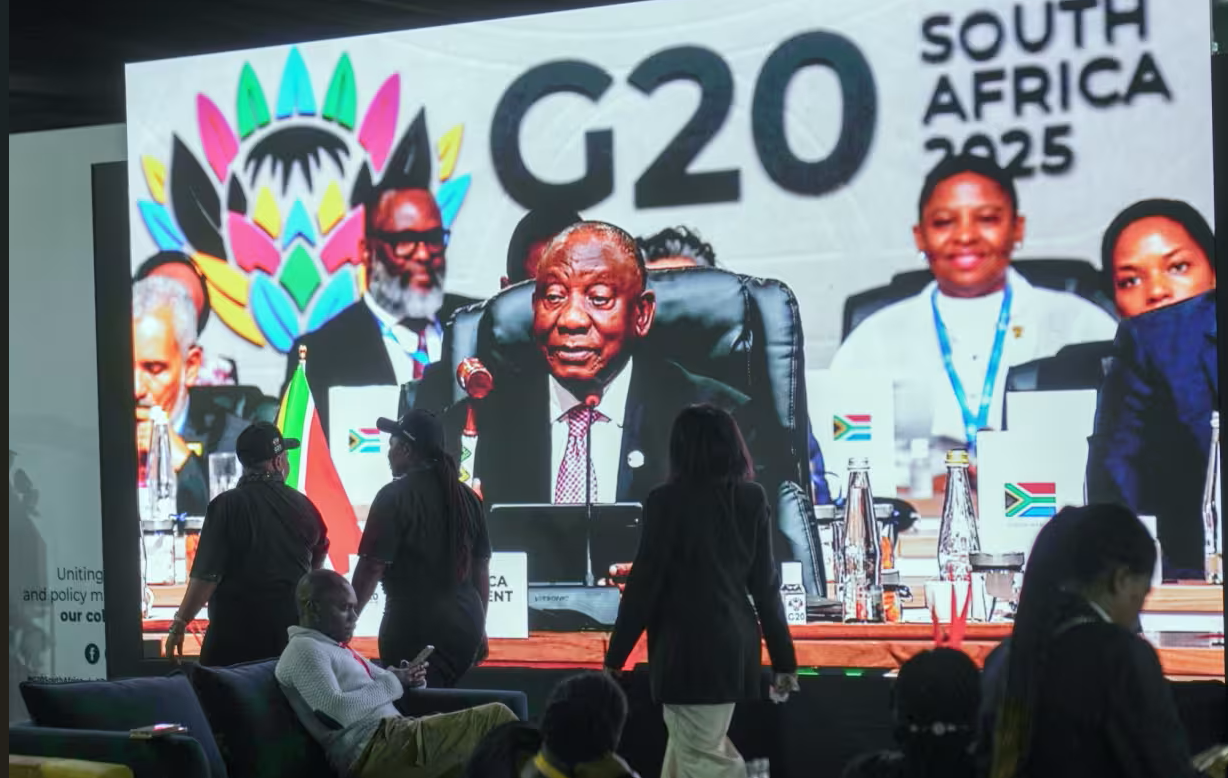
At the G20 leaders’ meeting this weekend in Johannesburg, South Africa’s commercial capital, there are some notable absences. China’s leader, Xi Jinping, and Russia’s president, Vladimir Putin, have given it a miss. Donald Trump, who baselessly claims that white people are being “slaughtered” in South Africa, has also snubbed the event. On Thursday Cyril Ramaphosa, South Africa’s president, suggested that Mr Trump might change his mind. The White House called the claim “fake news”. It is tempting to believe that America’s refusal to participate will weaken the international co-operation that the group hopes to promote. South Africa thinks otherwise. Mr Ramaphosa insists that his country “will not be bullied”. He expects delegates to find enough common ground on subjects like African debt, climate finance and the reform of international financial institutions to agree on a joint declaration. Mr Trump wanted to undermine the hosts. They may still pull off a diplomatic coup.

تفاقم تقلبات الأسواق وسط مخاوف من تضخم التقييمات وضغوط على الأصول عالية المخاطر
أنهت الأسهم الأمريكية تداولات الأسبوع على تراجع، رغم صدور نتائج أرباح قوية من عدد من الشركات وبيانات اقتصادية إيجابية. وجاءت الضغوط البيعية مدفوعة بتجدد المخاوف من ارتفاع تقييمات الأسهم، إلى جانب شكوك متزايدة حول قدرة قطاع الذكاء الاصطناعي على تحقيق أرباح تبرر التدفقات الاستثمارية الضخمة الموجهة له. وسجل مؤشر ناسداك أكبر الخسائر، بينما أظهر مؤشر راسل 2000 قدرًا من الصمود النسبي لكنه أنهى الأسبوع في المنطقة السلبية. أما مؤشر S&P 500 فأغلق منخفضًا بنحو 4.4% عن المستوى القياسي الذي سجله أواخر أكتوبر، قبل أن يحدّ انتعاشٌ نسبي يوم الجمعة من خسائر الأيام السابقة. وقدمت شركة NVIDIA دفعة مؤقتة للسوق بعد إعلانها تحقيق إيرادات قياسية فاقت توقعات المحللين بفضل الطلب القوي على رقائق الذكاء الاصطناعي، كما تجاوزت إرشاداتها للربع الرابع تقديرات السوق. ورغم الافتتاح الإيجابي لتداولات الخميس، سرعان ما تدهورت المعنويات، لتنهي NVIDIA الجلسة متراجعة بنحو 3%، مما ضغط على المؤشرات الرئيسية. وفي سوق السندات، تراجعت عوائد الخزانة الأمريكية خلال الأسبوع. وفي أوروبا، هبط مؤشر STOXX Europe 600 بنسبة 2.21% وسط مخاوف من تضخم تقييمات أسهم الذكاء الاصطناعي. كما انخفض مؤشر نيكاي 225 الياباني بنسبة 3.48%. وتراجع النفط إلى أدنى مستوى في شهر. إلا أن أشد الخسائر كانت في سوق العملات الرقمية، حيث لامس البيتكوين مستويات قريبة من 80 ألف دولار خلال تداولات الجمعة.
الفقاعة العقلانية: لماذا قد يكون ازدهار الذكاء الاصطناعي أكثر انتاجية في التاريخ
من الطبيعي القلق من ارتفاع تقييمات شركات الذكاء الاصطناعي، والتساؤل عمّا إذا كانت مجرد فقاعة قد تنفجر وتؤثر سلبًا على المستثمرين. وبالفعل، إذا حدث ذلك، فقد تكون النتائج مؤلمة على المدى القصير. لكن ماذا لو كانت هذه الفقاعة مختلفة؟ ماذا لو كانت “فقاعة عقلانية” — فترة استثمار ضخم يمكن أن تدفع الاقتصاد نحو مستقبل أقوى وأكثر إنتاجية؟ هذا المفهوم مستوحى من الاقتصادي الحائز على نوبل مايكل سبنس. فمعظم الفقاعات عادةً غير عقلانية، حيث ترتفع الأسعار بسبب سلوك القطيع وليس بسبب قيمة اقتصادية حقيقية. لكن حالة الذكاء الاصطناعي قد لا تكون مجرد مبالغة. نتائج NVIDIA القوية هذا الأسبوع تظهر أن التحول الذي يقوده الذكاء الاصطناعي حقيقي بالفعل. فالذكاء الاصطناعي يمتلك القدرة على تغيير معظم الأنشطة الاقتصادية، تمامًا كما فعلت الكهرباء أو الإنترنت. ويمكنه تحسين طريقة عملنا، وتسريع الابتكار، وفتح مجالات جديدة في الصحة والتعليم. وإذا نجحت بعض تقنيات الذكاء الاصطناعي في تحقيق عوائد كبيرة، فقد تصبح الاستثمارات الضخمة الحالية مبررة. بمعنى آخر، قد يكون من المنطقي اقتصاديًا المخاطرة اليوم إذا كانت المكاسب المحتملة كبيرة بما يكفي. هذا التقدم قد يساعد الاقتصاد على النمو بشكل أسرع من دون رفع التضخم، وقد يمنح الأجيال القادمة أدوات أفضل للتعامل مع تحديات كبيرة مثل تغير المناخ، وعدم المساواة، وارتفاع الديون. وبهذه النظرة، قد لا تكون طفرة الذكاء الاصطناعي مشابهة لفقاعة التوليب في القرن السابع عشر، بل ربما تكون بداية تحول تكنولوجي كبير يفيد الاقتصاد والمجتمع… والمستثمرين أيضًا.
أسواق النفط على الحافة: هل ستحافظ أوبك+ على الإنتاج أم ستخفضه في 2026؟
تتعرض أسعار النفط لضغوط مع أخذ المتداولين في الاعتبار احتمال التوصل إلى اتفاق سلام بين أوكرانيا وروسيا، بينما يظل موقف أوبك+ بشأن خفض الإنتاج في 2026 غير مؤكد. وعلى الرغم من توقعات بفائض عالمي محتمل، يعتقد معظم المحللين أن أوبك+ ستحافظ على مستويات الإنتاج الحالية، وهي المرة الأولى منذ أكثر من عامين التي لا يُتوقع فيها أي خفض. فاجأت السعودية وحلفاؤها الأسواق بإعادة الإنتاج المتوقف بسرعة هذا العام لاستعادة حصتهم في السوق، رغم توقع وكالة الطاقة الدولية فائضًا قياسيًا بحلول 2026. وانخفضت عقود النفط الآجلة بنسبة 14٪ هذا العام لتصل إلى حوالي 64 دولارًا للبرميل، مما زاد الضغوط على ميزانيات أعضاء أوبك+، مع أن بعض المحللين يرون احتمالًا لخفض الإنتاج إذا هبطت الأسعار بشكل حاد. تلعب العوامل السياسية والاستراتيجية دورًا أيضًا في قرارات أوبك+، بما في ذلك المفاوضات الأمنية للسعودية مع الولايات المتحدة، والتوقف الأخير عن زيادات الإنتاج، والذي قد يشير إلى خفضات محتملة مستقبلًا. يظل نمو الطلب العالمي محدودًا، بينما يستمر الإنتاج القوي في الولايات المتحدة والبرازيل وجويانا. ويشير المحللون إلى أن خفض إنتاج أوبك+ قد يكون ضروريًا لمنع تراكم فائض ضخم، رغم أن الصين قد تمتص جزءًا منه. وبشكل عام، يبدو أن أوبك+ مصممة على الالتزام باستراتيجيتها التي تركز على استعادة الحصة السوقية بدلاً من دعم الأسعار الفوري، مما قد يعزز موقفها بحلول أواخر 2026.
جنوب أفريقيا تستضيف قمة العشرين بلا ترامب
في اجتماع قادة مجموعة العشرين هذا الأسبوع في جوهانسبرغ، العاصمة التجارية لجنوب أفريقيا، هناك بعض الغيابات الملحوظة. فقد تخلف عن الحضور زعيم الصين شي جين بينغ، ورئيس روسيا فلاديمير بوتين. كما تغيب دونالد ترامب، الذي يزعم دون أي أساس أن البيض يتعرضون لـ"المذابح" في جنوب أفريقيا، عن الحدث أيضًا. يوم الخميس، ألمح سيريل رامافوزا، رئيس جنوب أفريقيا، إلى أن ترامب قد يغير رأيه، فيما وصفت البيت الأبيض هذا الادعاء بـ"الأخبار الكاذبة". قد يكون من المغري الاعتقاد بأن رفض الولايات المتحدة المشاركة سيضعف التعاون الدولي الذي تأمل المجموعة في تعزيزه، لكن جنوب أفريقيا ترى الأمر بشكل مختلف. يؤكد رامافوزا أن بلاده "لن تُرغم على الاستسلام". ويأمل أن يجد الوفود أرضية مشتركة كافية حول مواضيع مثل ديون أفريقيا، وتمويل المناخ، وإصلاح المؤسسات المالية الدولية للتوصل إلى إعلان مشترك. أراد ترامب تقويض المضيفين، لكن قد يتمكنون من تحقيق إنجاز دبلوماسي كبير. "العقل الضيق هو الذي لا يستطيع النظر إلى الموضوع من وجهات نظر مختلفة." — جورج اليوت
Stay up to date
More Newsletter to Check


SUBSCRIBE TO NEWSLETTER
Subscribe to download our daily economics and business roundup


×
![]()