
Big Takeaways from Jackson Hole

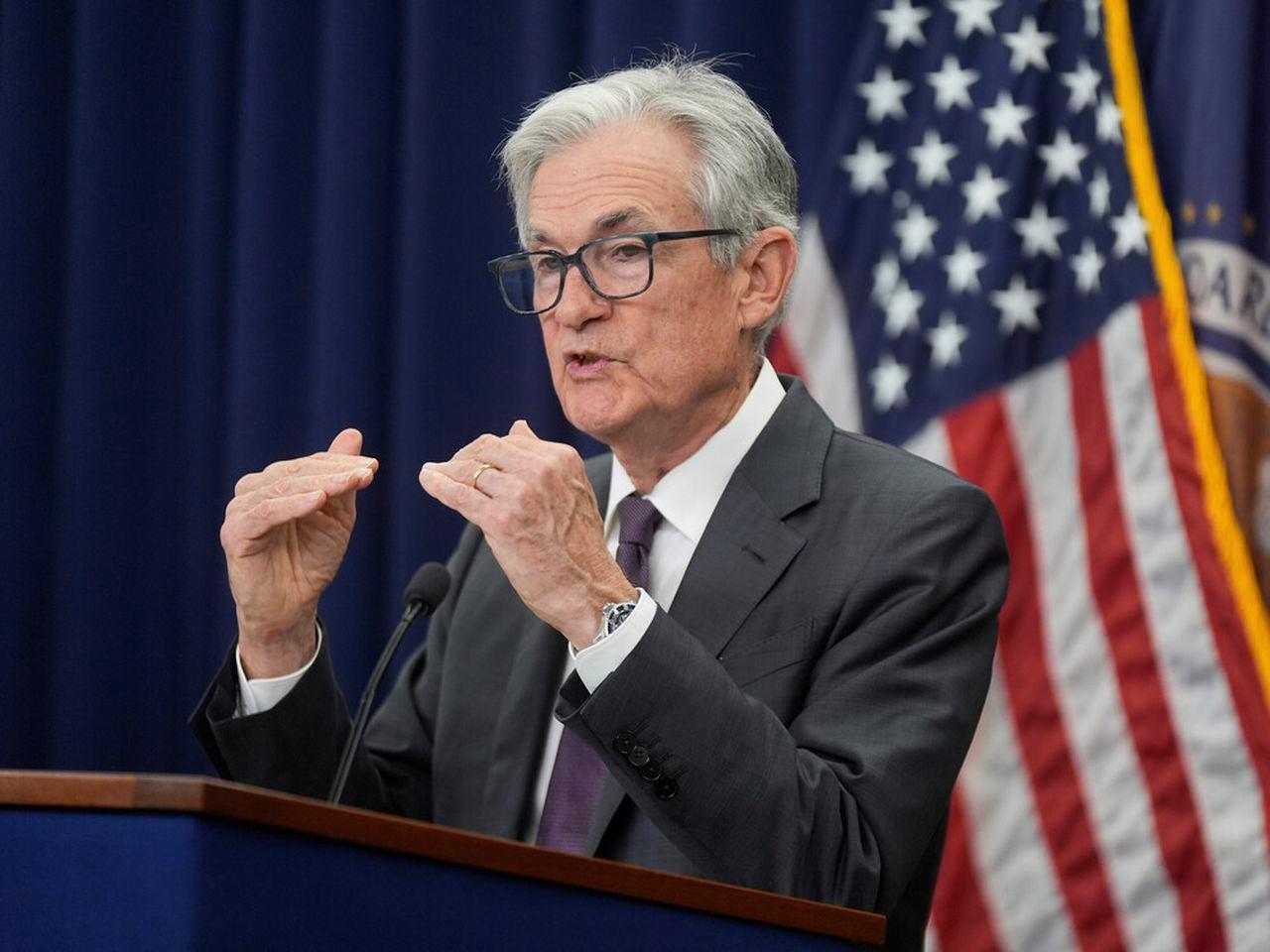
Big Takeaways from Jackson Hole.
Following Jerome Powell’s surprisingly dovish speech at Jackson Hole, markets have quickly shifted back into a "frenzy" of expectations for rate cuts, with swaps markets now pricing in two full cuts by year's end. This change in sentiment was unexpected, especially since the speech occurred before key data points like CPI and payrolls were released. Powell's comments also seemed out of step with some of his colleagues, including a Chicago Fed official's concerns about services inflation and a Cleveland Fed President who saw no need for a cut in September. Despite these dissenting voices, it is likely that Powell would not have opened the door to a September cut without a high degree of confidence in the committee's support. The dovish tone has reignited the debate about a potential "policy error," as some economists argue that the Fed risks cutting rates too soon. This concern is fueled by signs of economic reacceleration, including strong retail spending and improvements in various regional surveys. The speech also revisited the complex issue of services inflation, drawing parallels to the Fed's 2021 assessment, which proved to be incorrect. A key question now is whether the inflationary effects of recent tariffs will behave like a one-off event or signal a more persistent trend of deglobalization that could have lasting inflationary consequences. Finally, Powell's speech also marked the quiet conclusion of the Fed's five-year policy framework review, which received little public attention. The review resulted in the Fed abandoning its Flexible Average Inflation Targeting (FAIT) framework in favor of a focus on achieving the maximum amount of employment without sacrificing price stability. This comes at a time when markets appear to be in a strong position, with stocks near record highs and credit spreads at 30-year lows. Despite this, Powell confirmed his belief that rates remain restrictive, albeit modestly so, a perspective that continues to fuel the debate over the timing and necessity of any future rate cuts.
Mixed Economic Signals Keep Central Banks on Edge
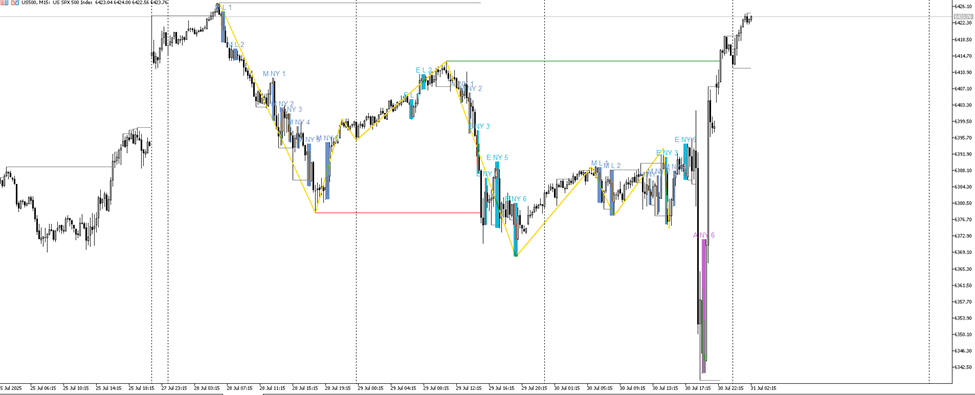
Recent economic data has painted a complex picture across major economies, presenting both optimistic surprises and cautionary flags. In the United States, while a slight rise in jobless claims pointed to a cooling labor market, preliminary August PMIs unexpectedly showed broad-based strength, particularly in manufacturing. Corporate reports were similarly mixed: Walmart's sales grew as consumers sought value, but Home Depot's warning of price increases due to trade tariffs highlighted persistent economic uncertainty. Across the Atlantic, the UK's inflation rate for July exceeded expectations at 3.8%, largely driven by higher transport and services costs. This has dampened hopes for an imminent rate cut from the Bank of England. In Europe, preliminary PMIs also surprised on the upside, suggesting economic resilience, yet a drop in consumer confidence to its lowest level since April could raise concerns for the European Central Bank ahead of its September meeting. In essence, global markets are navigating a landscape of conflicting indicators. While some data points to underlying economic strength and recovery, persistent inflationary pressures and declining consumer sentiment in key regions are creating a delicate balance for central banks as they weigh future monetary policy decisions.
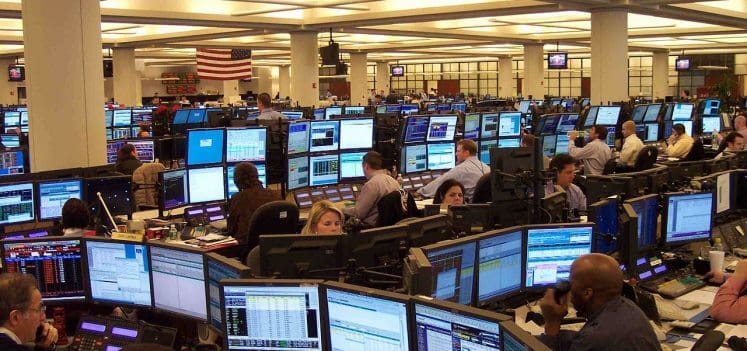
A USD 17 Bn Options Trader Is Coming to Take on NYC Flash Boys
From a prime office space in New York, one of the most successful algorithmic trading firms in the world is preparing for a fight with some of the biggest names on Wall Street. Optiver, the Amsterdam-based firm that’s a loose Dutch portmanteau of “options trader,” is ready to take on Citadel Securities, Jane Street and Susquehanna on their home turf. Its plans, which include bolstering US staff to more than 600 from 530 by year-end, are an attempt to catch up after being overtaken by American rivals since starting out in 1986 with a sole trader on the floor of Amsterdam’s European Options Exchange. In addition to its home base, it poured resources early into high-speed trading in Asia. But as electronic market-making has boomed into a USD260 bn industry and one of Wall Street’s strongest money machines, Optiver’s relatively small US footprint has been a drag. Its approximately USD4 bn of net trading income last year trailed the USD9.7 bn and USD20.5 bn hauls of Citadel Securities and Jane Street, respectively.
Norway’s USD 2 Tn Fund to Sell Off More Israeli Companies.

Norway’s USD 2 tn sovereign wealth fund announced it is selling more Israeli companies in its latest move to address the public uproar over its investments linked to the war in Gaza. The fund’s board decided on Aug. 8 to divest six companies on recommendations from its external ethics council at the end of June and the beginning of July, the Norges Bank Investment Management said in a letter to the Finance Ministry on Monday. Another six “smaller” companies have been sold since Aug. 11, it said, without naming any of the firms. “In addition, Norges Bank has sent information about other companies to the ethics council, so there might be more exclusions to come,” Finance Minister Jens Stoltenberg told reporters in Oslo. Pressure on the fund, the world’s largest, has grown in recent months, reflecting domestic concern over the suffering in the Palestinian enclave. As part of measures sought by Finance Minister Jens Stoltenberg who oversees the fund, the investor said last week it has divested from 11 Israeli companies and is terminating all contracts with external managers in Israel.

Saudi Arabia, Olympic Council Weigh Moving Asian Winter Games
Saudi Arabia and the Olympic Council of Asia have begun approaching other countries to potentially take over the 2029 Asian Winter Games as the ski resort designated to host the tournament in the Middle Eastern nation grapples with construction challenges. Representatives from Riyadh have held informal discussions with those in China on the subject, Meanwhile, the Korean Sport & Olympic Committee has been contacted by the OCA about possibly hosting the tournament The event is seen as a key marker for Saudi Arabia’s global ambitions and the kingdom could eventually simply choose to scale back plans for the planned ski resort — called Trojena — in order to meet deadlines, people familiar with the matter said. So far, the kingdom has publicly said that construction within Trojena is continuing according to a phased plan. Still, concerns over missed deadlines on some aspects of the ski resort prompted early-stage discussions in Riyadh over an alternate venue earlier this year, some of the people said. Trojena is part of the planned Saudi mega city of Neom, which has faced a string of challenges in recent years.

أهم الدروس المستفادة من جاكسون هول.
بعد خطاب جيروم باول الحمائمي المفاجئ في جاكسون هول، عادت الأسواق سريعًا إلى حالة من "الجنون" من توقعات خفض أسعار الفائدة، حيث تُقدّر أسواق المبادلات الآن احتمالية خفضين كاملين بحلول نهاية العام. كان هذا التغيير في المعنويات غير متوقع، لا سيما وأن الخطاب جاء قبل صدور بيانات رئيسية مثل مؤشر أسعار المستهلك والوظائف. كما بدت تعليقات باول متناقضة مع آراء بعض زملائه، بما في ذلك مخاوف مسؤول في بنك الاحتياطي الفيدرالي في شيكاغو بشأن تضخم الخدمات، ورئيس بنك الاحتياطي الفيدرالي في كليفلاند الذي لم ير حاجة لخفض أسعار الفائدة في سبتمبر. على الرغم من هذه الأصوات المعارضة، من المرجح أن باول ما كان ليفتح الباب أمام خفض أسعار الفائدة في سبتمبر لولا ثقة عالية في دعم اللجنة. أعادت هذه النبرة الحمائمية إشعال الجدل حول "خطأ سياسي" محتمل، حيث يجادل بعض الاقتصاديين بأن بنك الاحتياطي الفيدرالي يُخاطر بخفض أسعار الفائدة مبكرًا جدًا. ويؤجج هذا القلق مؤشرات على تسارع النمو الاقتصادي، بما في ذلك الإنفاق القوي على قطاع التجزئة والتحسن في مختلف المسوحات الإقليمية. كما أعاد الخطاب النظر في قضية تضخم الخدمات المعقدة، مقارنًا بتقييم الاحتياطي الفيدرالي لعام 2021، الذي ثبت عدم صحته. ويتمثل السؤال الرئيسي الآن في ما إذا كانت الآثار التضخمية للرسوم الجمركية الأخيرة ستبدو كحدثٍ عابر، أم أنها تُشير إلى اتجاهٍ أكثر استمرارًا نحو تراجع العولمة، قد يُسفر عن عواقب تضخمية دائمة. وأخيرًا، مثّل خطاب باول أيضًا ختامًا هادئًا لمراجعة إطار عمل الاحتياطي الفيدرالي للسياسات الاقتصادية التي استمرت خمس سنوات، والتي لم تحظَ باهتمامٍ شعبي يُذكر. وقد أسفرت المراجعة عن تخلي الاحتياطي الفيدرالي عن إطار استهداف متوسط التضخم المرن (FAIT) والتركيز على تحقيق أقصى قدرٍ من التوظيف دون المساس باستقرار الأسعار. ويأتي هذا في وقتٍ تبدو فيه الأسواق في وضعٍ قوي، حيث تقترب الأسهم من مستوياتٍ قياسية، بينما تصل فروق أسعار الفائدة إلى أدنى مستوياتها في 30 عامًا. وعلى الرغم من ذلك، أكد باول اعتقاده بأن أسعار الفائدة لا تزال مُقيّدة، وإن كان ذلك بشكلٍ طفيف، وهو منظورٌ لا يزال يُؤجج الجدل حول توقيت وضرورة أي تخفيضاتٍ مستقبلية في أسعار الفائدة.
٢. تباين الإشارات الاقتصادية يُبقي البنوك المركزية في حالة ترقب
رسمت البيانات الاقتصادية الأخيرة صورةً مُعقدةً للاقتصادات الرئيسية، مُقدمةً مفاجآتٍ مُتفائلة ومؤشراتٍ تحذيرية. في الولايات المتحدة، بينما أشار ارتفاع طفيف في طلبات إعانة البطالة إلى تباطؤ سوق العمل، أظهرت مؤشرات مديري المشتريات الأولية لشهر أغسطس قوةً واسعة النطاق، لا سيما في قطاع التصنيع، على نحوٍ غير متوقع. وشهدت تقارير الشركات تباينًا مماثلًا: فقد نمت مبيعات وول مارت مع سعي المستهلكين وراء القيمة، لكن تحذير هوم ديبوت من ارتفاع الأسعار بسبب الرسوم الجمركية سلّط الضوء على استمرار حالة عدم اليقين الاقتصادي. وعلى الجانب الآخر من المحيط الأطلسي، تجاوز معدل التضخم في المملكة المتحدة لشهر يوليو التوقعات عند 3.8%، مدفوعًا إلى حد كبير بارتفاع تكاليف النقل والخدمات. وقد أدى ذلك إلى تثبيط الآمال في خفض وشيك لأسعار الفائدة من قِبَل بنك إنجلترا. وفي أوروبا، فاجأت مؤشرات مديري المشتريات الأولية الأسواقَ أيضًا، مما يُشير إلى مرونة الاقتصاد، إلا أن انخفاض ثقة المستهلك إلى أدنى مستوى لها منذ أبريل قد يُثير مخاوف البنك المركزي الأوروبي قبل اجتماعه في سبتمبر. باختصار، تُواجه الأسواق العالمية مشهدًا من المؤشرات المتضاربة. في حين تشير بعض البيانات إلى قوة اقتصادية أساسية وانتعاش، فإن الضغوط التضخمية المستمرة وتراجع ثقة المستهلكين في المناطق الرئيسية تخلق توازناً دقيقاً للبنوك المركزية في تقييم قرارات السياسة النقدية المستقبلية.
شركة تداول خيارات برأس مال ١٧ مليار دولار أمريكي تتجه لمنافسة "فلاش بويز" في نيويورك
من مكتبها الرئيسي في نيويورك، تستعد واحدة من أنجح شركات التداول الخوارزمي في العالم لمنافسة بعضٍ من أكبر الأسماء في وول ستريت أوبتيفر، الشركة الهولندية التي تتخذ من أمستردام مقراً لها، وهي مزيجٌ من كلمتين هولنديتين لـ "متداول خيارات"، مستعدة لمنافسة شركات سيتادل سيكيوريتيز وجين ستريت وسوسكويهانا في سوقها المحلي. وتُمثل خططها، التي تشمل تعزيز فريق عملها في الولايات المتحدة من ٥٣٠ إلى أكثر من ٦٠٠ موظف بحلول نهاية العام، محاولةً لمواكبة منافسيها الأمريكيين بعد أن تجاوزتها منذ انطلاقها عام ١٩٨٦ بشركة تداول فردية في بورصة الخيارات الأوروبية بأمستردام. بالإضافة إلى مقرها الرئيسي، ضخّت الشركة مواردها مبكراً في التداول عالي السرعة في آسيا. مع ازدهار صناعة السوق الإلكترونية لتصبح صناعةً بقيمة 260 مليار دولار أمريكي، وإحدى أقوى أدوات الربح في وول ستريت، شكّل صغر حجم شركة أوبتيفر نسبيًا في الولايات المتحدة عائقًا. وبلغ صافي دخلها من التداول حوالي 4 مليارات دولار أمريكي العام الماضي، وهو أقل من صافي دخل شركتي سيتادل سيكيوريتيز وجين ستريت، واللتين بلغتا 9.7 مليار دولار أمريكي و20.5 مليار دولار أمريكي على التوالي.
٤. صندوق الثروة السيادية النرويجي، الذي تبلغ قيمته تريليوني دولار أمريكي، يعتزم بيع المزيد من الشركات الإسرائيلية.
أعلن صندوق الثروة السيادية النرويجي، الذي تبلغ قيمته تريليوني دولار أمريكي، أنه بصدد بيع المزيد من الشركات الإسرائيلية في أحدث خطوة له لمعالجة الضجة العامة بشأن استثماراته المرتبطة بالحرب في غزة. وقال صندوق إدارة الاستثمار النرويجي في رسالة إلى وزارة المالية يوم الاثنين إن مجلس إدارته قرر في الثامن من أغسطس التخلص من ست شركات بناء على توصيات من مجلس الأخلاقيات الخارجي في نهاية يونيو وبداية يوليو. وأضافت أنه تم بيع ست شركات "أصغر" أخرى منذ 11 أغسطس، دون تسمية أي من الشركات. وصرح وزير المالية ينس ستولتنبرغ للصحفيين في أوسلو: "بالإضافة إلى ذلك، أرسل بنك النرويج معلومات عن شركات أخرى إلى مجلس الأخلاقيات، لذا قد تكون هناك المزيد من الاستبعادات". وتزايد الضغط على الصندوق، وهو الأكبر في العالم، في الأشهر الأخيرة، مما يعكس القلق المحلي إزاء المعاناة في القطاع الفلسطيني. وكجزء من الإجراءات التي سعى إليها وزير المالية ينس ستولتنبرج الذي يشرف على الصندوق، قال المستثمر الأسبوع الماضي إنه سحب استثماراته من 11 شركة إسرائيلية وأنهى جميع العقود مع المديرين الخارجيين في إسرائيل.
السعودية والمجلس الأولمبي الآسيوي يدرسان نقل دورة الألعاب الآسيوية الشتوية
بدأت المملكة العربية السعودية والمجلس الأولمبي الآسيوي بالتواصل مع دول أخرى لاستضافة دورة الألعاب الآسيوية الشتوية لعام ٢٠٢٩، في ظلّ مواجهة منتجع التزلج المُخصّص لاستضافة البطولة في الدولة الشرق أوسطية تحديات إنشائية. أجرى ممثلون من الرياض مناقشات غير رسمية مع نظرائهم في الصين حول هذا الموضوع، وفقًا لأشخاص مطلعين على الأمر، في غضون ذلك، تواصل المجلس الأولمبي الآسيوي مع اللجنة الرياضية والأولمبية الكورية الجنوبية بشأن إمكانية استضافة الدورة. أفادت مصادر مطلعة أن هذا الحدث يُعدّ علامة فارقة في طموحات المملكة العربية السعودية العالمية، وقد تختار المملكة في نهاية المطاف تقليص خطط منتجع التزلج المُخطط له - والمُسمّى تروجينا - للوفاء بالمواعيد النهائية. حتى الآن، صرّحت المملكة علنًا بأن أعمال البناء في تروجينا مستمرة وفقًا لخطة مُتدرجة. مع ذلك، قال بعض الأشخاص إن المخاوف بشأن عدم الالتزام بالمواعيد النهائية في بعض جوانب منتجع التزلج دفعت إلى إجراء مناقشات مبكرة في الرياض حول مكان بديل في وقت سابق من هذا العام. وتعد تروجينا جزءًا من مدينة نيوم السعودية العملاقة المخطط لها، والتي واجهت سلسلة من التحديات في السنوات الأخيرة. "كيف ستكون الحياة لو لم نمتلك الشجاعة لنحاول أي شيء؟" — فنسنت فان غوخ
Stay up to date
More Newsletter to Check



SUBSCRIBE TO NEWSLETTER
Subscribe to download our daily economics and business roundup


×
![]()