
OPEC+ Ramps Up Oil Production, Led by Saudi Arabia’s Market Grab

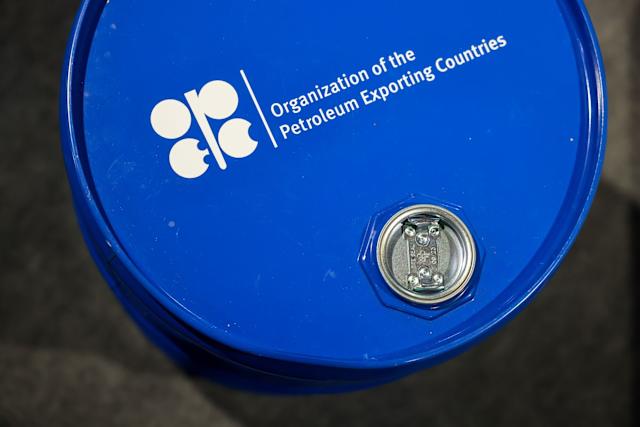
OPEC+ Ramps Up Oil Production, Led by Saudi Arabia’s Market Grab.
OPEC and its allies, popularly known as OPEC+, boosted oil production in June, with output rising by 360,000 barrels per day—its largest monthly increase in four months. Saudi Arabia was the key driver behind this jump, aiming to reclaim market share by exporting more crude. This output surge is part of a broader strategy. After maintaining deep cuts since 2022 to support prices, OPEC+ is now reversing those cuts more aggressively than expected. In August, the group plans to increase production by an additional 548,000 barrels per day—exceeding the forecasted 411,000 bpd—signaling a clear move to prioritize volume and market presence over prices. The decision reflects several interlinked motivations. One is competitive positioning: Saudi Arabia is stepping up as other OPEC members, like Iraq and Kazakhstan, have been exceeding their quotas, diluting the impact of the group’s cuts. Another factor is global inventory dynamics. Persistently low stockpiles worldwide suggest the market can absorb more supply. Finally, geopolitical pressure plays a role. The move coincides with external expectations—especially from the U.S.—for lower oil prices, which also puts strain on higher-cost producers like U.S. shale. While this strategy may help reclaim market share, it risks tipping the supply–demand balance, potentially pushing oil prices lower if demand doesn’t catch up. Investors and analysts will be closely watching next month’s data and OPEC+’s August decision to see how far this supply push will go.
BRICS in the Hot Seat: Brazil Hosts a Tense Summit Amid Global Divisions.
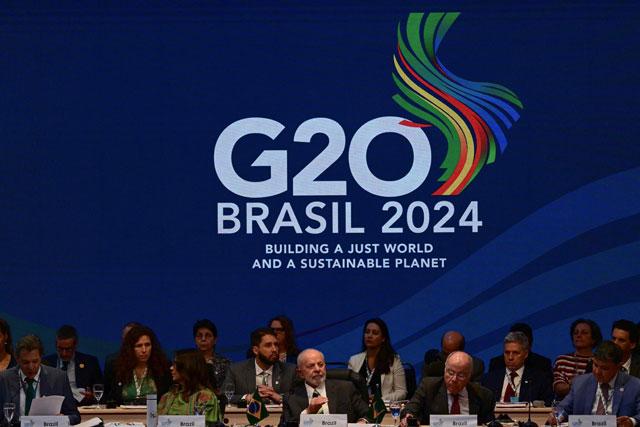
This year’s BRICS summit in Brazil comes at a sensitive time. What started in 2009 as a bloc to boost emerging economies’ global voice now includes 11 countries, with Iran being the latest to join. But as global tensions rise, especially after the recent US-Israel strike on Iran, the group’s identity is shifting—looking increasingly anti-Western. Brazil, the host, tried to steer the conversation toward neutral ground like vaccines and green energy. However, deeper tensions are hard to ignore. Russia and China might use the stage to challenge the dominance of the US dollar, while Iran could seize the moment to criticize Washington. So far, Brazil has avoided political friction with the US. But this summit might just change that.
China’s Mining Spree: A Strategic Race for Global Resource Power
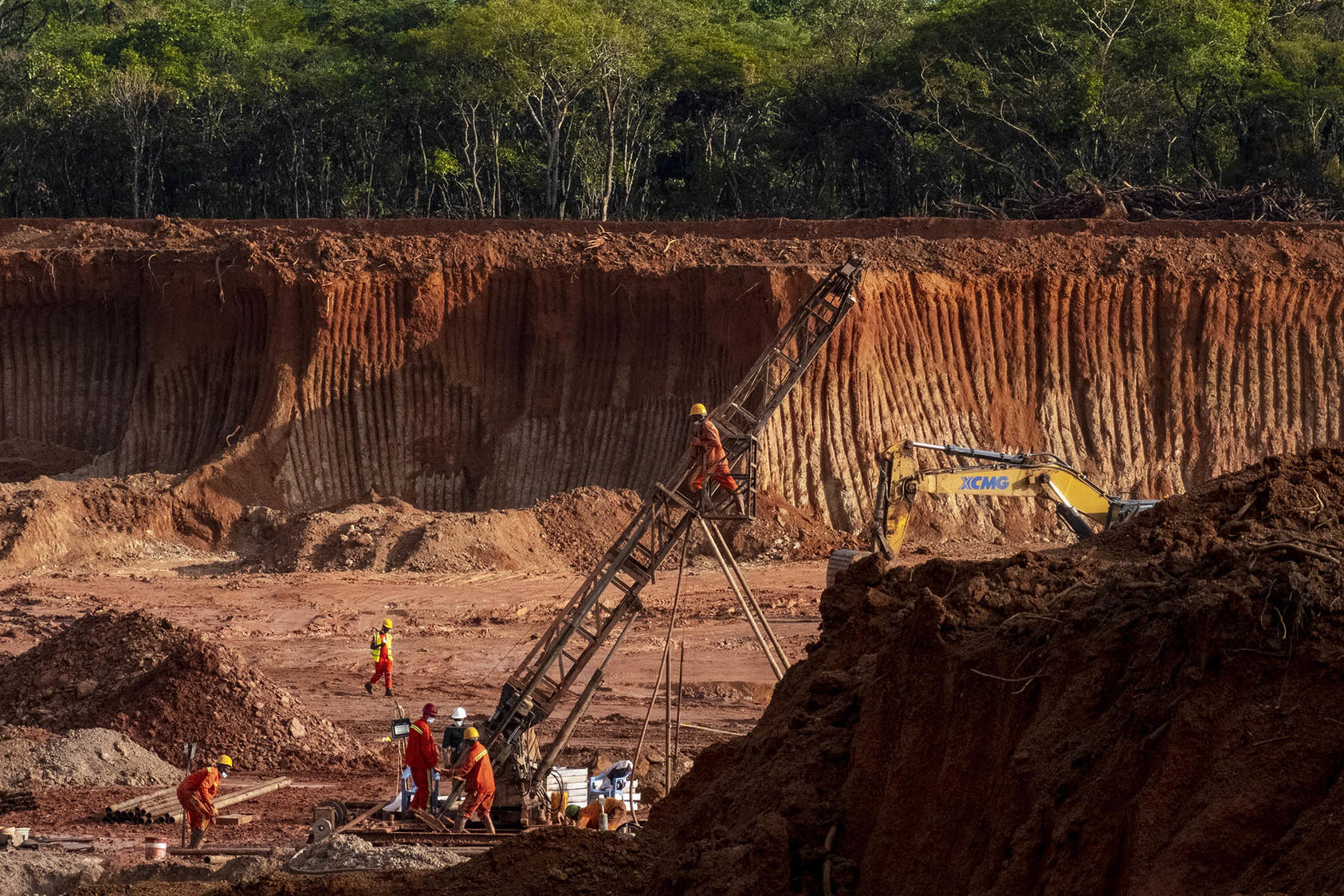
China is accelerating its global mining acquisitions at a pace not seen since 2013, driven by a strategic need to secure the raw materials essential to the modern global economy. With over 10 large-scale deals exceeding USD 100 mn each in the past year, Chinese companies are increasingly dominating overseas mining investment. This rush isn’t random. It reflects three key dynamics. First, rising geopolitical risks: as tensions escalate with the West, Beijing is racing to lock in long-term access to critical minerals like lithium, cobalt, and rare earths. Second, the drive to secure future supply chains: these materials are essential to electric vehicles, batteries, semiconductors, and clean energy technologies—sectors at the heart of China’s industrial strategy. And third, a response to Western decoupling efforts: the US and European countries are actively seeking to reduce their reliance on Chinese processing capacity, prompting China to double down on resource control at the source. China’s Belt and Road Initiative has helped facilitate this global expansion, though recent trends show a shift toward more focused, smaller-scale deals rather than grand infrastructure projects. Meanwhile, countries like Canada, Australia, and the US are becoming increasingly cautious about Chinese ownership of local mining assets, given the strategic importance of these minerals. Analysts warn that China’s dominance in mining could give it significant leverage in future supply chain disruptions. What’s also notable is the growing sophistication of Chinese deal-making: companies are more willing to invest in risky regions, take longer-term views, and compete with one another—showing Beijing’s growing confidence in challenging Western players.
PwC Eyes Leadership Shake-Up in Middle East After Saudi Clash.
PwC is preparing for a major leadership change in its Middle East operations. Laura Hinton, currently a UK managing partner, is being considered to succeed Hani Ashkar, who will step down next summer after more than a decade in the role. Ashkar, known for building strong ties with top clients and governments in the region, will move into a global role within the firm. The leadership transition comes after a fallout with Saudi Arabia’s Public Investment Fund (PIF), which suspended new advisory work with PwC following the firm's attempt to recruit a top executive from the Neom project. This friction came despite PwC’s strong regional growth — Middle East revenues surged 26% last year, accounting for nearly a third of its UK-ME income. If appointed, Hinton would become the first female head of a Big Four firm in the Middle East — a significant move in a region where relationships and local understanding are crucial. The consulting boom in Saudi Arabia, however, is cooling as the kingdom reassesses its dependency on Western advisors.
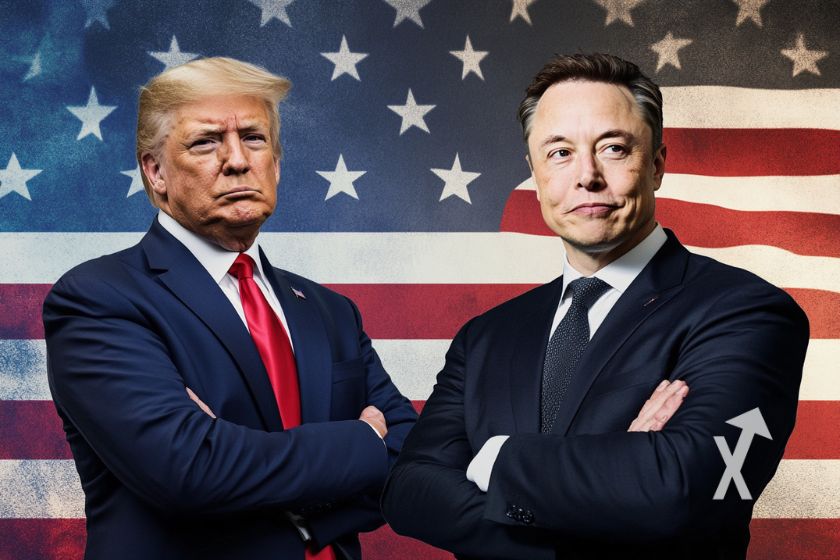
Musk Shakes Up U.S. Politics with New ‘America Party’ to Challenge System.
Elon Musk has launched a new political party in the U.S., called the "America Party," aiming to challenge what he describes as a broken “one-party system.” The announcement came on his platform X, shortly after criticizing Donald Trump’s new domestic policy bill, which Musk argues worsens the national debt. Though Musk provided few details, he hinted that the party will focus on influencing a handful of key Senate and House races — enough to sway tight votes in Congress. He emphasized that the goal is to hold lawmakers accountable and restore real representation for the people. The move marks a dramatic shift in Musk’s political stance. Once a key Trump ally and advisor — even serving in the Trump administration — Musk turned against him over what he calls reckless fiscal policies, accusing lawmakers of betraying promises to cut spending. His criticism was bold and personal, warning incumbents of primary challenges with a blunt “Liar” poster campaign.

.أوبك+ ترفع إنتاجها بقيادة السعودية: عودة سباق الحصص السوقية
ارتفع إنتاج تحالف أوبك+ في يونيو بأكبر وتيرة له منذ 4 أشهر، بزيادة بلغت نحو 360 ألف برميل يوميًا، وجاءت السعودية في مقدمة الدول التي قادت هذا الارتفاع، ضمن تحرك واضح لاستعادة جزء من الحصة السوقية العالمية. هذا التحول يُعد بداية مرحلة جديدة بعد أكثر من عامين من التخفيضات الطوعية التي هدفت إلى دعم الأسعار. لكن ابتداءً من أغسطس، تخطط المجموعة لزيادة الإنتاج بوتيرة أسرع من المتوقع—بواقع 548 ألف برميل يوميًا، مقارنة بالتوقعات السابقة البالغة 411 ألفًا فقط. فما الأسباب وراء هذا التحوّل؟ تتحرك السعودية بسرعة أكبر لتعويض تأثير تجاوز بعض الدول، مثل العراق وكازاخستان، لحصصها الإنتاجية في الأشهر الأخيرة. في الوقت نفسه، تُظهر المستويات المنخفضة للمخزونات العالمية أن السوق بات أكثر قدرة على استيعاب زيادة المعروض دون أن يؤدي ذلك إلى انهيار في الأسعار. كما تلعب الضغوط الدولية دورًا مهمًا، خاصة من الولايات المتحدة، التي تسعى إلى دفع أسعار النفط نحو مستويات أدنى، ما يضع تحديات إضافية أمام المنتجين ذوي التكاليف المرتفعة، مثل منتجي النفط الصخري في أمريكا لكن هذا السباق نحو استعادة الحصة السوقية لا يخلو من المخاطر: فإذا لم يقابَل المعروض المتزايد بانتعاش مماثل في الطلب، قد نجد الأسعار تتعرض لضغوط هبوطية في الأشهر المقبلة. وبالتالي، سيكون أداء السوق في يوليو وقرار أوبك+ المقبل في أغسطس محوريين لفهم ما إذا كانت هذه الاستراتيجية ستستمر أم ستُعاد مراجعتها.
.قمة “بريكس” في البرازيل: تحالف ناشئ على مفترق طرق
تعقد قمة بريكس لهذا العام في البرازيل وسط أجواء سياسية مشحونة. فالتكتل، الذي بدأ عام 2009 كمنصة لدعم الاقتصادات الناشئة، أصبح يضم 11 دولة بعد انضمام إيران العام الماضي. لكن مع تصاعد التوترات الجيوسياسية—خاصة بعد قصف إيران من قِبل أمريكا وإسرائيل—بدأت ملامح التحالف تتجه نحو موقف أكثر انتقادًا للغرب. البرازيل، الدولة المستضيفة، تحاول التركيز على قضايا أقل حساسية مثل التعاون في اللقاحات والطاقة الخضراء، لكن من غير المؤكد أن تنجح في تجنّب التصعيد. روسيا والصين قد تدفعان لمناقشة تقليص هيمنة الدولار في التجارة العالمية، وهي فكرة تثير غضب ترامب. أما إيران، فقد تستغل القمة لتوجيه انتقادات حادة لواشنطن. حتى الآن، حافظت البرازيل على مسافة آمنة من التوتر مع أمريكا، لكن هذه القمة قد تغيّر قواعد اللعبة.
.الصين تسابق الزمن للسيطرة على الموارد: معركة المعادن النادرة بدأت
تسجل الصين أعلى مستوياتها في الاستحواذ على مناجم خارج حدودها منذ عام 2013، في محاولة استراتيجية لتأمين المواد الخام الحيوية التي يعتمد عليها الاقتصاد العالمي، خاصة مع تصاعد التوترات الجيوسياسية. وفقًا للبيانات، تم تنفيذ أكثر من 10 صفقات ضخمة تجاوزت قيمة الواحدة منها 100 مليون دولار، مما يجعل الصين أكثر الدول نشاطًا في الاستثمارات التعدينية الخارجية. هذه الموجة من التوسع تنبع من ثلاثة دوافع رئيسية. أولًا، تصاعد المخاطر السياسية عالميًا، فمع اشتداد التوتر بين الصين والغرب، تسعى بكين لتأمين مصادر طويلة الأجل للمعادن الأساسية مثل الليثيوم والكوبالت والمعادن النادرة. ثانيًا، التحكم في سلاسل التوريد المستقبلية، إذ تُعد تلك المواد حجر الأساس في الصناعات المستقبلية مثل السيارات الكهربائية، والبطاريات، وأشباه الموصلات، والطاقة المتجددة. وأخيرًا، مواجهة جهود فك الارتباط الغربي، حيث تحاول الولايات المتحدة وأوروبا تقليل اعتمادهما على الصين، ما دفع بكين لتوسيع سيطرتها على الموارد من المنبع نفسه. رغم أن مبادرة الحزام والطريق لعبت دورًا في توسيع نفوذ الصين، إلا أن الاتجاه الجديد يميل إلى صفقات أكثر تركيزًا وأقل حجمًا، لكنها أكثر استراتيجية من حيث نوع المواد والموقع الجغرافي. في المقابل، بدأت دول مثل كندا وأستراليا والولايات المتحدة تتعامل بحذر أكبر تجاه الاستثمارات الصينية في قطاع التعدين، بالنظر إلى الطبيعة الاستراتيجية لتلك الموارد. اللافت أيضًا هو تطور أدوات التفاوض الصينية؛ فالشركات الصينية أصبحت أكثر استعدادًا للاستثمار في مناطق غير مستقرة، وأكثر مرونة في تقييم المخاطر، حتى لو تطلب الأمر التنافس فيما بينها للحصول على الأصول.
تغييرات مرتقبة في قيادة PwC. بالشرق الأوسط بعد خلاف مع صندوق الاستثمارات السعودي
تستعد شركة PwC لإجراء تغييرات كبيرة في قيادتها بالشرق الأوسط، حيث تُعتبر الشريكة البريطانية لورا هينتون أبرز المرشحين لخلافة هاني أشقر، الذي أعلن عن مغادرته منصبه في صيف العام المقبل بعد أكثر من 12 عامًا قضاها في هذا الدور، على أن ينتقل لاحقًا إلى منصب عالمي داخل الشركة. تأتي هذه الخطوة بعد خلاف مع صندوق الاستثمارات العامة السعودي، الذي قرر تعليق منح PwC أي أعمال استشارية جديدة، إثر محاولة الشركة استقطاب أحد كبار مسؤولي مشروع "نيوم". ورغم ذلك، واصلت أعمال PwC في المنطقة تحقيق نمو قوي، إذ ارتفعت الإيرادات بنسبة 26% خلال العام الماضي، لتُمثل قرابة ثلث إجمالي إيرادات الشركة في بريطانيا والشرق الأوسط معًا. وفي حال تأكيد تعيينها، ستكون هينتون أول سيدة تتولى قيادة إحدى شركات "الأربعة الكبار" في الشرق الأوسط، وهي خطوة لافتة في منطقة تعتمد بشكل كبير على العلاقات المحلية والخبرة الإقليمية. لكن يبدو أن طفرة الاستشارات في السعودية بدأت بالتراجع، مع اتجاه الحكومة لمراجعة اعتمادها المتزايد على الشركات الأجنبية.
.إيلون ماسك يطلق "حزب أمريكا" لمواجهة ما يسميه بنظام الحزب الواحد في الولايات المتحدة
أعلن الملياردير إيلون ماسك عن تأسيس حزب سياسي جديد في الولايات المتحدة باسم "حزب أمريكا"، في خطوة تهدف إلى التصدي لما وصفه بـ"نظام الحزب الواحد" الذي يسيطر على المشهد السياسي الأمريكي ويقود البلاد نحو الإفلاس. الإعلان جاء عبر منصته "إكس"، بعد أيام من انتقاده الشديد لقانون داخلي ضخم أقرّه الرئيس ترامب، والذي يرى ماسك أنه يزيد من ديون أمريكا دون حلول حقيقية. ورغم أن ماسك لم يوضح الكثير عن تفاصيل الحزب الجديد، ألمح إلى أن الاستراتيجية ستركز مبدئيًا على التأثير في عدد محدود من مقاعد الكونغرس الحاسمة، لضمان أن التشريعات تعكس "الإرادة الحقيقية للشعب". اللافت أن ماسك كان في السابق من أبرز داعمي ترامب، وتولى منصبًا رسميًا في إدارته، لكنه انقلب عليه مؤخرًا بسبب خلافات حول السياسات المالية، متهمًا السياسيين بعدم الوفاء بوعودهم وتقاعسهم عن خفض الإنفاق. ووصل به الأمر إلى التهديد بحملات ضدهم في الانتخابات التمهيدية، مستخدمًا ملصقات تصفهم بـ"الكذابين".
Stay up to date
More Newsletter to Check



SUBSCRIBE TO NEWSLETTER
Subscribe to download our daily economics and business roundup


×
![]()