The Middle East once again finds itself on the brink of escalation. Following Israeli airstrikes on Iranian positions and growing instability in Gaza, the region has entered a period of heightened geopolitical tension. Global headlines have been dominated by threats of retaliation and fears of regional war. Yet, financial markets have responded not with panic, but with focus. In the face of noise, markets are turning to a single, powerful signal: the price of oil.
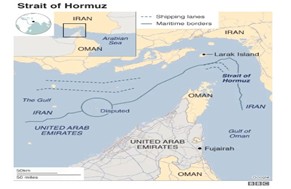
Oil is more than just a commodity—it is a barometer of geopolitical risk. The Strait of Hormuz, controlled by Iran, serves as the transit route for more than 20% of the world’s traded oil. Any disruption to this chokepoint could send shockwaves through global energy markets.
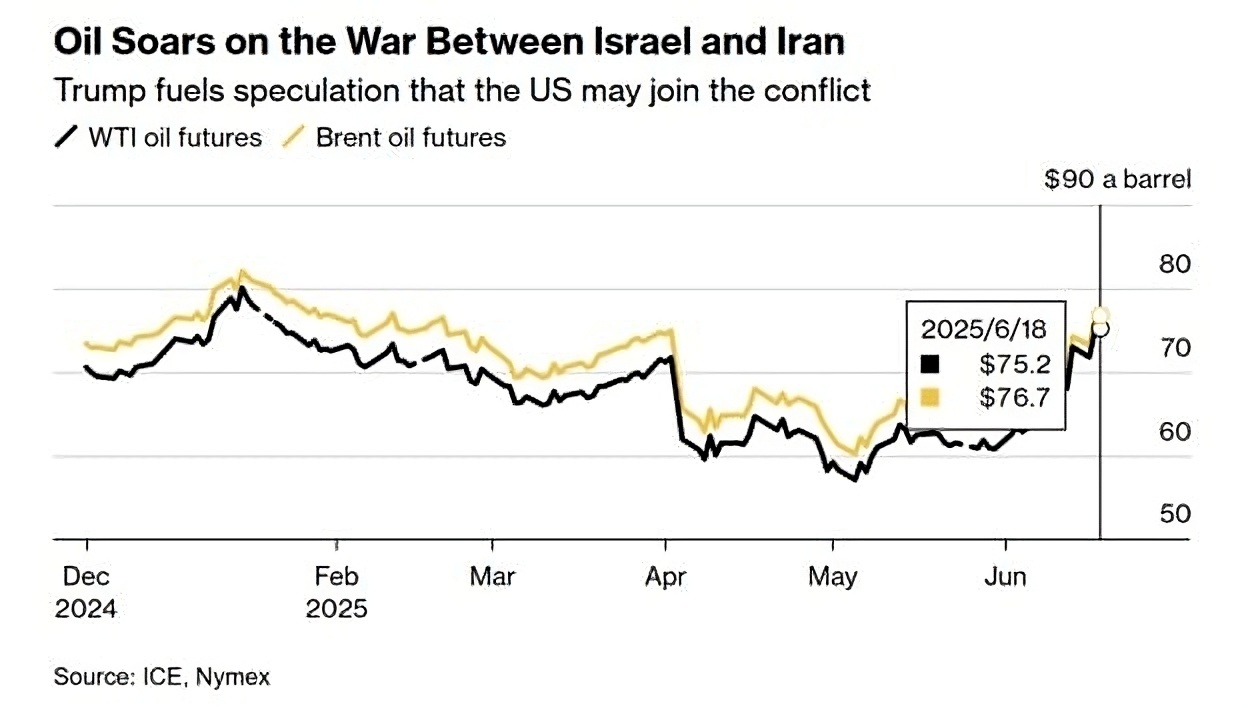
When Israeli strikes on Iranian targets made global headlines, oil surged from USD 65 to USD 76 per barrel, reaching a key resistance level known as the “War Indicator Line.” But as markets reopened, oil retreated to USD 72—a signal that investors expect containment, not escalation. In tandem, risk assets rebounded. Bitcoin jumped to USD 107,000. Equities recovered. The market interpreted the dip in oil prices as a sign that full-scale conflict is not imminent—at least for now.
It is evident that oil remains the clearest and most honest geopolitical indicator. If Brent crude holds below the USD 76 resistance level, markets may stay risk-on. But any breach above it could trigger sharp volatility across global markets.
Where We Stand Now
While the geopolitical landscape remains tense, the oil market continues to provide a clearer and more grounded view of risk sentiment than headlines do. Recently, despite all the noise and heated talks, oil prices opened the week in the red — a clear sign that the market isn’t buying into the panic but rather pricing in de-escalation.
This further confirms our earlier analysis that oil is acting as the single most important war indicator. As long as prices remain around the USD 76 resistance level, markets will interpret the situation as contained. However, the situation remains fluid. A sudden shift — such as retaliation by Iran, movement in the Strait of Hormuz, or new escalations from regional proxies — could quickly reverse market sentiment. That’s why we continue to monitor oil movements in real time and consider them the most accurate reflection of geopolitical stress.
Investors should continue to track oil behavior closely: a break above the USD 76 mark would signal the onset of broader volatility across risk assets, while continued stabilization could mean short-term opportunities in equities and crypto.
The Crude Reality of Conflict
Over the past days, tensions have intensified not only between Israel and Iran but also around potential U.S. involvement. Former President Donald Trump suddenly left the G7 summit, citing urgent developments in the Middle East. Initially rumored to be linked to ceasefire efforts, Trump later clarified that the matter “wasn’t about a ceasefire — it’s much bigger than that.” He followed this with a public warning urging residents of Tehran to evacuate, fueling speculation that the U.S. may be preparing direct military action against Iranian nuclear facilities.
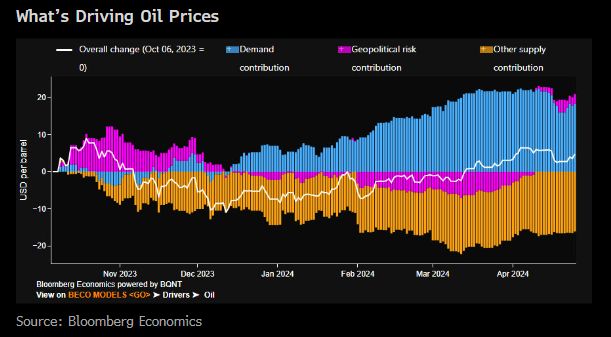
But despite these high-stakes narratives, the oil price remains calm. And that, in itself, speaks volumes. Crude is still trading below the critical “War Indicator Line” — a downward sloping trendline that dates back to 2022. This price behavior tells us that, for now, markets do not expect full-scale escalation.
Oil should now be seen not merely as a commodity but as a geopolitical “vote meter” — one that cuts through the noise and reveals where the real pressure points lie. In a landscape flooded with headlines, statements, and speculation, oil is the most immediate signal of whether talk is turning into action.
Smart money doesn’t trade on headlines — it trades on signals. And the signal from oil, for now, is saying: watch, but don’t panic. As long as oil holds below USD 76 and within its long-term trendline, investors can assume containment. Should that price break meaningfully upward, markets will quickly reprice risk — and that’s when the real reaction begins.
In conclusion, while the world watches the skies over Tehran, we watch the charts. Oil remains the most accurate barometer of geopolitical stress and investor conviction. It's not just about barrels — it's about belief. And right now, belief in imminent war remains low.


