
Markets React as Fed Holds Rates, Germany Boosts Spending & Türkiye Faces Political Turmoil

Markets React as Fed Holds Rates, Germany Boosts Spending & Türkiye Faces Political Turmoil
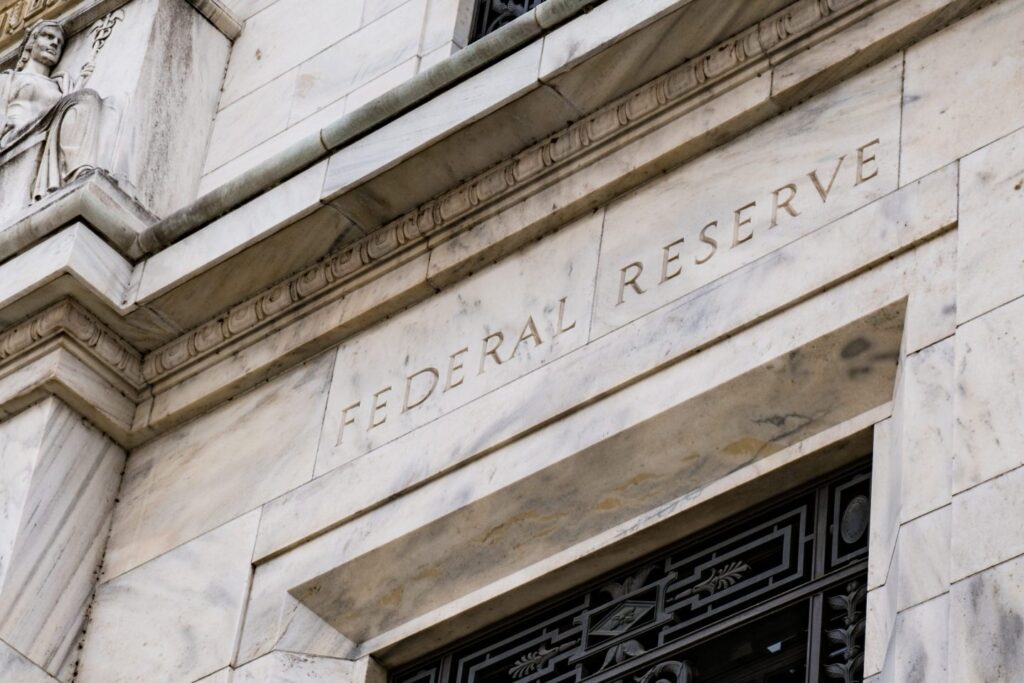
This week, the U.S. Federal Reserve kept interest rates unchanged, signaling concerns over slowing economic growth. The Fed revised its 2024 growth forecast down to 1.7% from 2.1%, while inflation expectations edged higher. Fed Chair Jerome Powell reassured markets, downplaying recession fears and suggesting that tariff-driven inflation might be temporary. Meanwhile, Germany passed a historic EUR 500 bn spending package to fund infrastructure and climate initiatives, marking a major shift in fiscal policy. In the UK, the Bank of England held rates steady as borrowing levels worsened. Meanwhile, Eurozone inflation cooled slightly to 2.3% year-over-year.
In Asia, China rolled out new measures to boost spending, including subsidies and visa-free travel expansions, but markets reacted mildly. In Japan, inflation ticked up to 3.7%, surprising analysts. Türkiye also faced turbulence as its central bank tightened monetary policy to stabilize the lira after President Erdogan’s crackdown on opposition, which led to the arrest of Istanbul Mayor and rival Ekrem Imamoglu. In emerging markets, Brazil hiked interest rates by 100bps, while South Africa left rates unchanged. Investors are now closely watching central bank moves and political developments for further market direction.
Turkey Moves to Contain Market Turmoil Amid Political Unrest
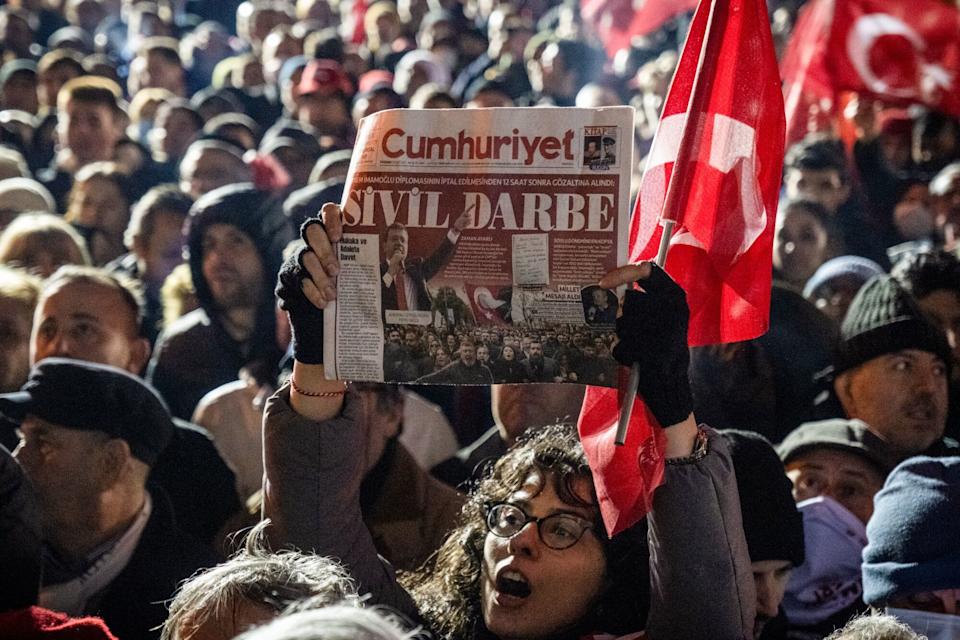
The arrest of Istanbul Mayor Ekrem Imamoglu, a key political rival of President Erdogan, heightened concerns about a broader crackdown on the opposition, triggering a sharp sell-off in Turkish assets. Market volatility was exacerbated by technical delays that prevented the Central Bank from intervening promptly to support the Turkish lira. Once resolved, authorities stepped in aggressively, selling an estimated USD 8– USD 10 bn in reserves to stabilize the currency. To further reassure markets, the Central Bank hiked the overnight lending rate by 200bps, effectively tightening monetary policy by 300–350bps.
This episode of market turbulence highlights two key risks: rising political uncertainty and technical setbacks that delayed a swift policy response. In the near term, these factors could raise the risk premium on Turkish assets. However, the broader economic outlook will depend on the government’s ability to maintain confidence in its macroeconomic adjustment program. With approximately USD 160 bn in gross FX reserves and net reserves improving by around USD 140 bn over the past 18 months, the Central Bank has enough firepower to manage FX pressures stemming from political instability.
Despite the turmoil, Turkish authorities remain committed to disinflation and macroeconomic stabilization. Following the Central Bank’s decisive action, expectations are that it will maintain a hawkish stance until the next policy meeting in April, likely pausing the rate-cutting cycle to further ease market concerns. While political uncertainty remains a risk—especially if protests escalate and trigger capital flight—current indications suggest that Turkey’s economic stabilization efforts will stay on track.
Argentina Moves Forward with IMF Deal Despite Trade Challenges
Argentina’s lower house of Congress upheld President Javier Milei’s emergency decree related to the IMF program, a key step toward securing a staff-level and board-level agreement with the Fund. However, the country’s February trade surplus fell short of expectations, reaching just USD 227 mn compared to the projected USD 750 mn. This underperformance was largely driven by a surge in imports as economic recovery gains traction. Meanwhile, the gap between Argentina’s parallel and official exchange rate widened slightly to just above 20%.
The congressional approval of the decree is a positive sign, reinforcing expectations that an IMF deal will be finalized in the coming months. The weaker trade surplus presents a mixed picture: while strong import growth signals economic recovery and potential political support for President Milei ahead of the midterm elections, it also highlights external risks, including an overvalued currency and a likely deterioration in the current account balance. However, compared to previous periods of heightened external vulnerabilities, Argentina’s external imbalances appear more manageable at this stage.
UAE Pledges USD 1.4 tn US Investment After Trump Meeting
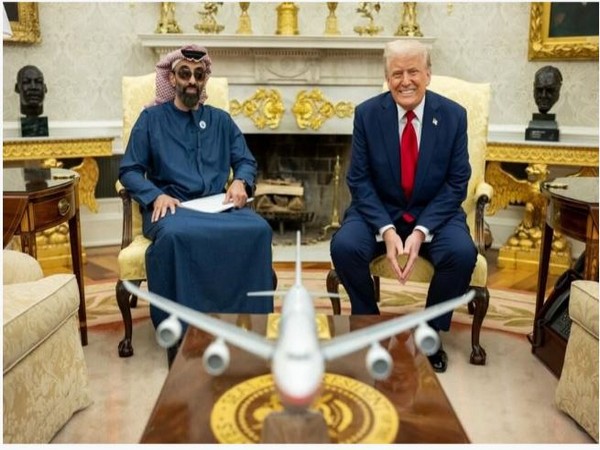
The United Arab Emirates will invest USD 1.4 tn in the United States over 10 years following a meeting earlier this week between President Donald Trump and Sheikh Tahnoon Bin Zayed Al Nahyan, the UAE’s national security adviser, according to the White House.
“This new framework will substantially increase the UAE’s existing investments in the U.S. economy in AI infrastructure, semiconductors, energy, and American manufacturing,” the White House said in a statement Friday announcing the deal.
The statement also highlighted an announcement earlier this week that AI chipmaker Nvidia Corp. and Elon Musk’s xAI would be formally joining Abu Dhabi’s MGX, Microsoft Corp. and BlackRock Inc. in the AI Infrastructure Partnership, an effort to bolster infrastructure investments in artificial intelligence.
It is unclear if the UAE investment announced Friday will include access to cutting-edge chips from companies including Nvidia currently under export restrictions. The Emiratis have been seeking to boost investment in US technology and energy in a bid to unlock the ability to purchase those semiconductors as part of a push to become a regional artificial intelligence leader.

لفيدرالي يُبقي على الفائدة.. ألمانيا تضخ استثمارات كبرى وتركيا تواجه اضطرابات!
شهد هذا الأسبوع قرار الفيدرالي الأميركي بتثبيت أسعار الفائدة مع تزايد المخاوف بشأن تباطؤ النمو الاقتصادي. خفض الفيدرالي توقعاته للنمو لعام 2024 إلى 1.7% بدلاً من 2.1%، مع توقعات بارتفاع التضخم. وأكد رئيس الفيدرالي جيروم باول أن تأثير التعريفات الجمركية على التضخم قد يكون مؤقتًا، وقلل من احتمالات الركود. في الوقت نفسه، أقرت ألمانيا حزمة إنفاق تاريخية بقيمة 500 مليار يورو لدعم البنية التحتية والمناخ، مما يُشكل نقطة تحول في سياستها المالية. في بريطانيا، أبقى بنك إنجلترا أسعار الفائدة ثابتة رغم تفاقم عجز الموازنة، بينما تباطأ التضخم في منطقة اليورو إلى 2.3% سنويًا.
في آسيا، أعلنت الصين عن إجراءات جديدة لدعم الاستهلاك، تشمل إعانات مالية وتوسيع الدخول بدون تأشيرة، لكن الأسواق لم تتفاعل بقوة. أما في اليابان، فقد ارتفع التضخم إلى 3.7% متجاوزًا التوقعات. في تركيا، شدد البنك المركزي سياسته النقدية للحد من تراجع الليرة بعد حملة اعتقالات قادها الرئيس أردوغان شملت رئيس بلدية إسطنبول المعارض أكرم إمام أوغلو، مما أدى إلى اضطرابات في الأسواق. في الأسواق الناشئة، رفعت البرازيل الفائدة 100 نقطة أساس، بينما أبقى البنك المركزي في جنوب إفريقيا على معدلات الفائدة دون تغيير. يترقب المستثمرون الآن تحركات البنوك المركزية والتطورات السياسية التي قد تؤثر على الأسواق في الفترة المقبلة.
تركيا تتحرك لاحتواء الاضطرابات الاقتصادية وسط توترات سياسية
أثار اعتقال رئيس بلدية إسطنبول، أكرم إمام أوغلو، أحد أبرز منافسي الرئيس أردوغان، مخاوف من حملة قمع أوسع ضد المعارضة، مما أدى إلى موجة بيع حادة للأصول التركية. تفاقمت التقلبات في الأسواق بسبب تأخير تقني حال دون تدخل البنك المركزي لدعم الليرة في الوقت المناسب. وبعد حل هذه المشكلة، تدخلت السلطات بقوة، حيث باعت ما يقدر بـ 8 إلى 10 مليارات دولار من الاحتياطيات لتحقيق استقرار العملة. ولمزيد من طمأنة الأسواق، رفع البنك المركزي التركي سعر الفائدة على الإقراض الليلي بمقدار 200 نقطة أساس، مما أدى فعليًا إلى تشديد السياسة النقدية بين 300 و350 نقطة أساس.
تكشف هذه الاضطرابات عن عاملين رئيسيين: تصاعد المخاطر السياسية والعقبات الفنية التي أخرت استجابة السياسة النقدية. وعلى المدى القريب، قد تؤدي هذه العوامل إلى ارتفاع علاوة المخاطر على الأصول التركية. ومع ذلك، فإن التأثير الاقتصادي طويل الأجل سيعتمد على قدرة الحكومة على الحفاظ على ثقة المستثمرين واستمرار برنامج التكيف الاقتصادي الذي بدأ في أواخر عام 2023. ومع احتياطيات نقد أجنبي إجمالية تقدر بـ 160 مليار دولار وتحسن الاحتياطيات الصافية بنحو 140 مليار دولار خلال الـ18 شهرًا الماضية، يمتلك البنك المركزي التركي موارد كافية لإدارة ضغوط سوق الصرف الأجنبي الناجمة عن الاضطرابات السياسية.
وعلى الرغم من حالة عدم اليقين السياسي، فإن السلطات التركية لا تزال ملتزمة بالحد من التضخم وتعزيز استقرار الاقتصاد الكلي. ومن المتوقع أن يحافظ البنك المركزي على موقف متشدد حتى الاجتماع المقبل للسياسة النقدية في أبريل، مما قد يؤدي إلى تعليق دورة خفض الفائدة وتهدئة مخاوف الأسواق. ومع أن المخاطر السياسية لا تزال قائمة، خاصة إذا أدت الاحتجاجات إلى هروب رؤوس الأموال، فإن المؤشرات الحالية تشير إلى أن جهود تركيا لتحقيق الاستقرار الاقتصادي ستظل على المسار الصحيح.
الأرجنتين تمضي قدمًا في اتفاق صندوق النقد رغم تحديات التجارة
أقر مجلس النواب الأرجنتيني مرسوم الطوارئ الصادر عن الرئيس خافيير ميلي، والمتعلق ببرنامج صندوق النقد الدولي، مما يمثل خطوة رئيسية نحو التوصل إلى اتفاق مع الصندوق على مستوى الخبراء ومجلس الإدارة. ومع ذلك، جاء الفائض التجاري لشهر فبراير أقل من التوقعات، مسجلاً 227 مليون دولار فقط مقارنة بتقديرات بلغت 750 مليون دولار، ويعزى ذلك إلى ارتفاع الواردات مع تعافي الاقتصاد. وفي الوقت نفسه، اتسع الفارق بين سعر الصرف الرسمي والموازي بشكل طفيف ليصل إلى أكثر من 20%.
يعد إقرار المرسوم من قبل الكونغرس مؤشرًا إيجابيًا، مما يعزز التوقعات بإتمام اتفاق صندوق النقد خلال الأشهر المقبلة. لكن الأداء الضعيف للفائض التجاري يعكس صورة متباينة؛ فمن ناحية، يشير ارتفاع الواردات إلى انتعاش اقتصادي قد يعزز موقف الرئيس ميلي في الانتخابات النصفية المقبلة، لكنه في الوقت ذاته يسلط الضوء على المخاطر الخارجية، مثل ارتفاع قيمة العملة المحلية واحتمال تدهور الميزان الجاري بشكل معتدل. ومع ذلك، فإن الاختلالات الاقتصادية الحالية تبدو أقل خطورة مما كانت عليه في فترات سابقة من عدم الاستقرار الخارجي.
الإمارات العربية المتحدة تتعهد باستثمار 1.4 تريليون دولار أمريكي في الولايات المتحدة بعد اجتماع ترامب
أعلن البيت الأبيض أن الإمارات العربية المتحدة ستستثمر 1.4 تريليون دولار أمريكي في الولايات المتحدة على مدى 10 سنوات، وذلك عقب اجتماع عُقد في وقت سابق من هذا الأسبوع بين الرئيس دونالد ترامب والشيخ طحنون بن زايد آل نهيان، مستشار الأمن الوطني لدولة الإمارات.
وقال البيت الأبيض في بيان صدر يوم الجمعة للإعلان عن الصفقة: "سيزيد هذا الإطار الجديد بشكل كبير من استثمارات الإمارات العربية المتحدة الحالية في الاقتصاد الأمريكي في البنية التحتية للذكاء الاصطناعي، وأشباه الموصلات، والطاقة، والتصنيع الأمريكي".
وأشار البيان أيضًا إلى إعلان صدر في وقت سابق من هذا الأسبوع عن انضمام شركة Nvidia Corp.، الشركة المصنعة لرقائق الذكاء الاصطناعي، وشركة xAI التابعة لإيلون ماسك، رسميًا إلى MGX وMicrosoft Corp وBlackRock Inc. في شراكة البنية التحتية للذكاء الاصطناعي، وهي مبادرة تهدف إلى تعزيز استثمارات البنية التحتية في مجال الذكاء الاصطناعي.
ومن غير الواضح ما إذا كان الاستثمار الإماراتي الذي أُعلن عنه يوم الجمعة سيشمل الوصول إلى رقائق متطورة من شركات، بما في ذلك Nvidia، الخاضعة حاليًا لقيود التصدير. تسعى الإمارات إلى تعزيز الاستثمار في التكنولوجيا والطاقة الأمريكية في محاولة لإطلاق العنان للقدرة على شراء تلك أشباه الموصلات كجزء من الدفع لتصبح رائدة إقليمية في مجال الذكاء الاصطناعي.
Stay up to date
More Newsletter to Check



SUBSCRIBE TO NEWSLETTER
Subscribe to download our daily economics and business roundup


×
![]()