
The Week President Trump Took Office

The Week President Trump Took Office
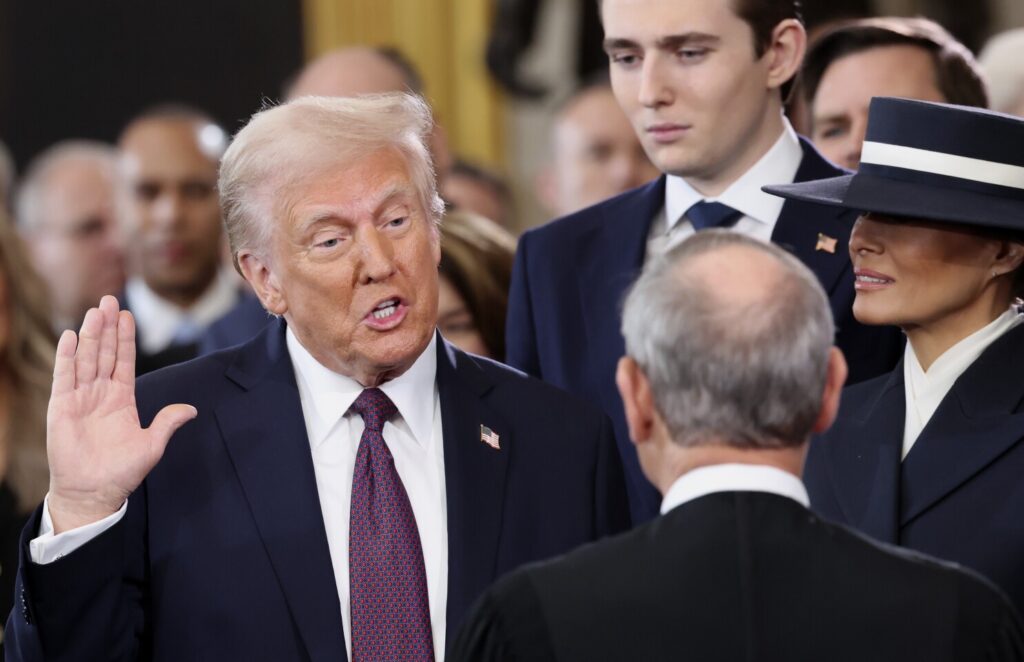
This week, global markets honed in on President Trump’s inauguration, his initial policy actions, and the implications for trade and energy. Early executive orders made it clear that U.S. energy independence and immigration reform are top priorities for the new Administration.
Trump’s bold comments on imposing tariffs—25% on Mexico and Canada, and 10% on China—sparked uncertainty about his trade agenda. However, his softened tone by week’s end boosted investor confidence, leading to a 2% rally in U.S. equities (S&P) and a 1.8% drop in the U.S. dollar index to 107.4.
In fixed income, U.S. 10-year bond yields traded in a narrow range, closing the week at 4.62%. Oil markets saw a sharp 4.4% decline in WTI prices due to rising U.S. inventories and Trump’s commitment to ramping up domestic drilling while pushing OPEC for lower prices.
Geopolitics took center stage as Trump extended an olive branch to Russia with a proposed peace deal for Ukraine—a development that, if realized, could provide significant relief for Ukraine and Europe. Meanwhile, Saudi Crown Prince Mohammed Bin Salman pledged USD 600 billion in new investments and trade with the U.S.
Economic data showed mixed results. The U.S. Composite PMI dipped to 52.4, missing expectations due to a slowdown in services, while the Eurozone PMI climbed to an expansionary 50.2, driven by stronger performance in Germany and France.
On the monetary front, China held prime rates steady, Japan raised rates by 25 bps as expected, and Turkey delivered a substantial 250 bps rate cut. Inflation readings across South Africa, Mexico, and Brazil came in lower than anticipated, though Brazil’s figures slightly exceeded forecasts.
Trump tells Putin to reach Ukraine ‘deal’ soon or US will increase sanctions
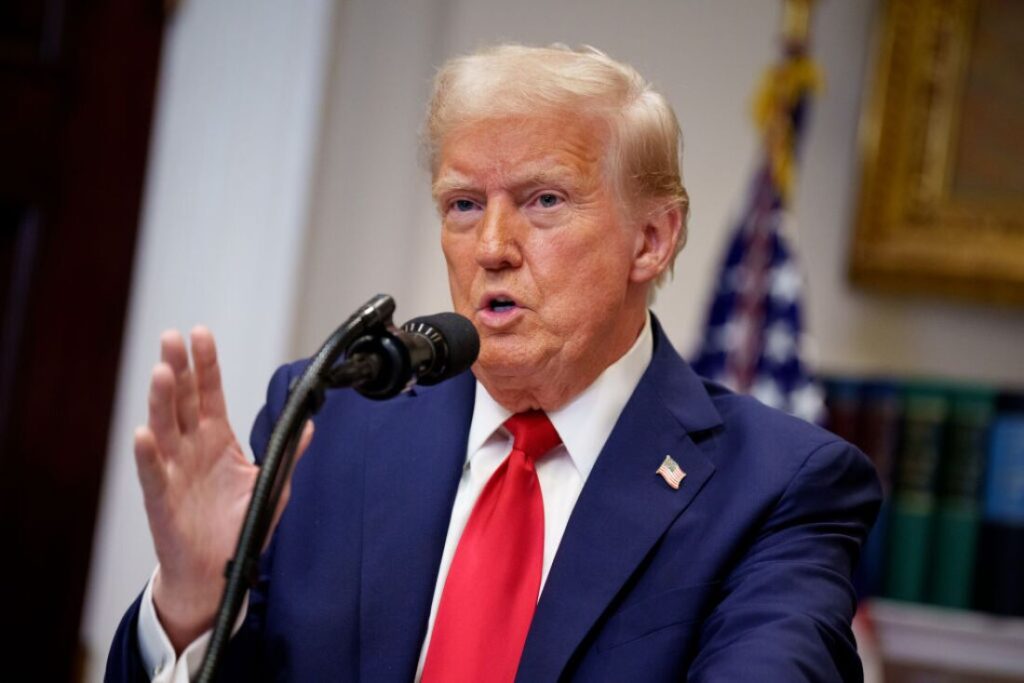
Donald Trump has warned Vladimir Putin the US is ready to punish Russia with a barrage of new trade restrictions if Moscow fails to reach an agreement soon to end the war in Ukraine. Trump’s statement in a Truth Social post on Wednesday comes as the president tries to ratchet up pressure on Moscow to launch negotiations with Ukraine.
It marks his first broad statement about the conflict since he returned for his second term in the White House after promising on the campaign trail to end the war within 24 hours of returning to power. “If we don’t make a ‘deal,’ and soon, I have no other choice but to put high levels of Taxes, Tariffs, and Sanctions on anything being sold by Russia to the United States, and various other participating countries,” Trump wrote. “Let’s get this war, which never would have started if I were President, over with! We can do it the easy way, or the hard way — and the easy way is always better,” he continued.
“Putin doesn’t want to end the war, and doesn’t want to be pressured to peace,” a senior Ukrainian official close to President Volodymyr Zelenskyy told the Financial Times in response to Trump’s comments.
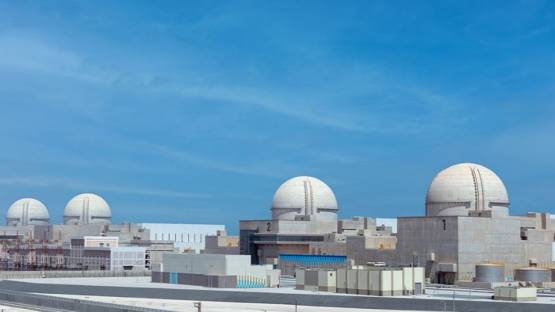
UAE’s Global Ambitions in Nuclear Energy: Powering the Future with Expertise
The United Arab Emirates (UAE) is stepping up its role as a global leader in nuclear energy, with ambitions to build, consult, and invest in nuclear projects worldwide. According to Mohamed Al Hammadi, CEO of Emirates Nuclear Energy Company (ENEC), the U.S. is currently the fastest-growing market for nuclear power, driven by the rapid expansion of artificial intelligence (AI) and its demand for electricity to power data centers.
Since its establishment in 2009, ENEC has achieved remarkable milestones, completing the Barakah nuclear power plant—the Arab world’s first nuclear facility—on budget and within 12 years. Today, nuclear energy generates about 25% of the UAE’s electricity, rising to 60% in the cooler months when air conditioning demand declines.
Al Hammadi emphasized ENEC's readiness to leverage its expertise globally. The company is exploring opportunities to build, operate, and consult on nuclear projects both within and outside the UAE. Notably, ENEC has been in discussions about investing in the UK’s Sizewell C project, although no final decision has been announced.
The global south is also a key focus, with the UAE recently signing a USD 15 bn renewable energy deal with the Philippines, which may include a potential nuclear power station. Al Hammadi highlighted the UAE’s unique position as a regional leader in nuclear energy, leveraging its institutional knowledge and ability to deliver complex projects on time and budget.
With the U.S. experiencing accelerated energy demand due to AI advancements, the UAE aims to capitalize on its proven track record, seeking opportunities across traditional large-scale nuclear projects, small modular reactors, and reviving old plants.
Saudi bond spree continues as Wealth Fund taps Dollar market
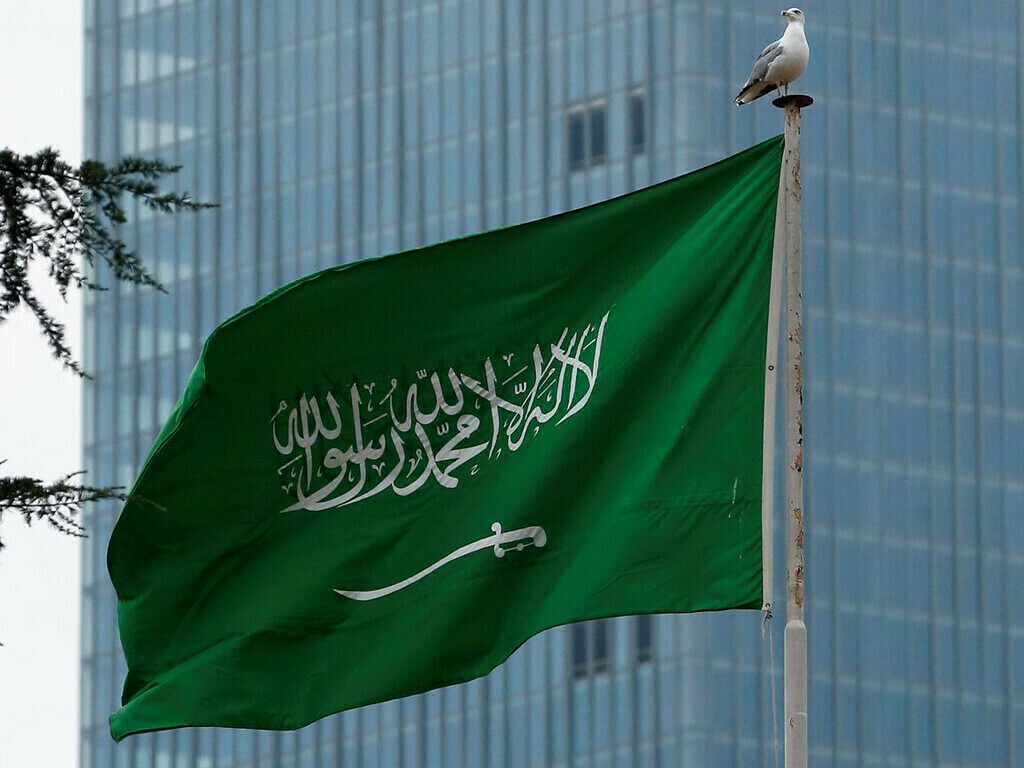
Saudi Arabia’s bond spree continued Wednesday as its sovereign wealth fund sold USD 4 bn of debt. The Public Investment Fund priced notes with maturities of five years and 9-1/2 years, according to a person familiar with the matter who asked not to be identified. The spread premiums above US Treasuries are respectively 95 and 110 basis points — both 30 basis points less than initial price talk.
The tighter pricing occurred as orders topped USD 16 bn, excluding joint lead manager interest, the person said, with demand equally split across the two tranches. The deal followed a USD 12 bn bond by the Saudi government earlier this month, while the PIF signed a USD 7 bn Islamic loan with 20 banks around the same time.
BNP Paribas SA, Citigroup Inc, Goldman Sachs Group Inc., HSBC Holdings Plc, JPMorgan Chase & Co. and Standard Chartered Plc were the main banks arranging Wednesday’s bond sale.
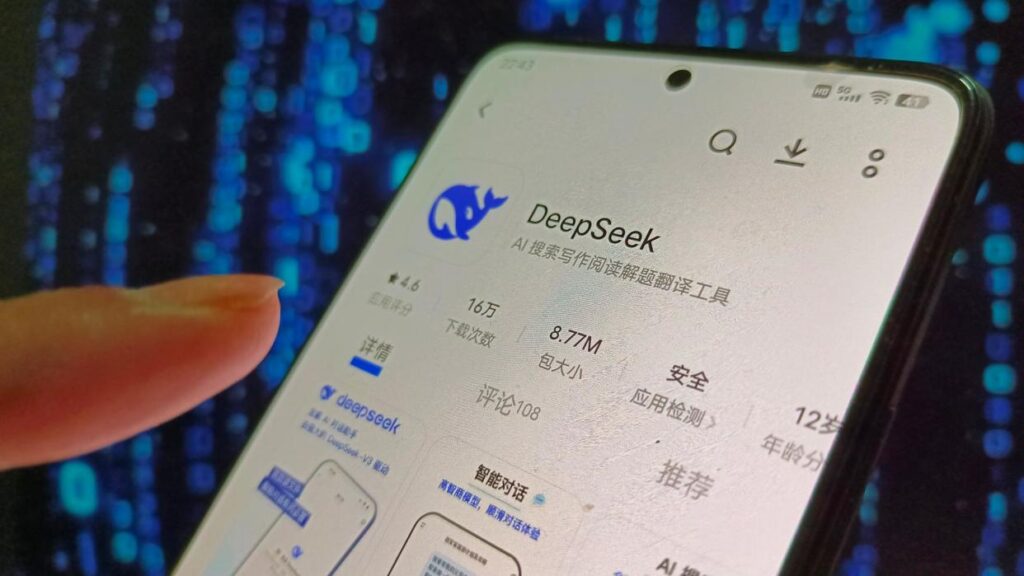
Chinese Start-ups such as DeepSeek are challenging global AI giants
Last month, Chinese start-up DeepSeek stunned the global tech industry with its DeepSeek-V3, an open-source AI model rivaling more well-funded American counterparts like OpenAI. This week, it made headlines again with R1, a new model showcasing advanced AI reasoning capabilities. DeepSeek’s achievements are part of a larger trend, with Chinese tech giants like Alibaba, Tencent, ByteDance, and others closing the gap wi th US competitors, excelling in both capability and cost efficiency.
China’s progress in AI efficiency is not coincidental but rather a direct response to the escalating export controls imposed by the US. Limited access to advanced AI chips has pushed Chinese companies to innovate, embracing novel algorithms, architectures, and training methods to reduce dependence on foreign technology.
DeepSeek’s success exemplifies this adaptability. The model was trained in two months on Nvidia H800 GPUs—less advanced than the latest chips—at just $5.5mn, a fraction of the costs incurred by US companies like OpenAI. Additionally, its cost-effective approach to AI inference has earned it the nickname “Pinduoduo of AI,” referencing China’s discount e-commerce giant. This efficiency challenges the notion that cutting-edge AI requires massive computational resources and billions in funding.
While US export restrictions aim to curb China’s progress, their impact has been mixed. In the short term, they created disruptions, but in the long term, they incentivized China’s private sector to innovate and fill the gaps left by state-led inefficiencies. Experts remain divided. Some, like Gregory Allen of the Wadhwani AI Center, argue that China’s AI advancements would have occurred regardless of US measures. Others point out that restrictions inadvertently provided a commercial incentive for private firms to excel in execution, affordability, and scalability.
The rise of DeepSeek underscores a larger truth: constraints can drive innovation. For Donald Trump’s administration, this poses a difficult question—could stricter sanctions inadvertently accelerate the progress they aim to suppress?

الأسبوع الأول لرئاسة ترمب
ركزت الأسواق العالمية هذا الأسبوع على تنصيب الرئيس ترمب وتحركاته السياسية الأولى، خاصةً تأثيرها على التجارة والطاقة. وأظهرت أوامره التنفيذية المبكرة أن الاستقلال في الطاقة وإصلاح الهجرة على رأس أجندة إدارته الجديدة.
تصريحات ترمب بفرض تعريفات جمركية تصل إلى 25% على المكسيك وكندا، و10% على الصين، أثارت الشكوك حول سياسته التجارية. لكن نبرة ترمب الأكثر اعتدالًا بنهاية الأسبوع عززت ثقة المستثمرين، مما أدى إلى ارتفاع الأسهم الأميركية (S&P) بنسبة 2%، وتراجع مؤشر الدولار الأميركي بنسبة 1.8% ليصل إلى 107.4.
في أسواق السندات، تم تداول عوائد سندات الخزانة الأميركية لأجل 10 سنوات ضمن نطاق محدود، لتنهي الأسبوع عند 4.62%. وفي سوق النفط، تراجعت أسعار خام غرب تكساس بنسبة 4.4% نتيجة زيادة المخزونات الأميركية وتعهد ترمب بتكثيف الإنتاج المحلي وممارسة الضغط على أوبك لخفض الأسعار.
على صعيد الجغرافيا السياسية، وجه ترمب دعوة لروسيا للتوصل إلى اتفاق سلام في أوكرانيا، وهي خطوة يمكن أن توفر ارتياحًا كبيرًا لأوكرانيا وأوروبا إذا تحققت. وفي الوقت نفسه، تعهد ولي العهد السعودي محمد بن سلمان باستثمارات وتجارة جديدة مع الولايات المتحدة بقيمة 600 مليار دولار.
أما البيانات الاقتصادية، فقد جاءت مختلطة؛ انخفض مؤشر مديري المشتريات المركب في الولايات المتحدة إلى 52.4، مدفوعًا بضعف قطاع الخدمات، بينما ارتفع مؤشر منطقة اليورو إلى 50.2 مع تحسن الأداء في ألمانيا وفرنسا.
في السياسة النقدية، أبقت الصين أسعار الفائدة دون تغيير، ورفعت اليابان معدلات الفائدة بمقدار 25 نقطة أساس كما كان متوقعًا، وخفضت تركيا سعر إعادة الشراء لمدة أسبوع بمقدار 250 نقطة أساس. وسجلت معدلات التضخم في جنوب أفريقيا والمكسيك مستويات أقل من المتوقع، بينما تراجع التضخم في البرازيل لكنه تجاوز التقديرات الإجماعية.
ترامب يحذر بوتين: أبرم اتفاقاً بشأن أوكرانيا قريباً أو سنزيد العقوبات
حذر دونالد ترامب الرئيس الروسي فلاديمير بوتين من أن الولايات المتحدة مستعدة لمعاقبة روسيا بسلسلة جديدة من القيود التجارية إذا لم يتم التوصل إلى اتفاق قريب لإنهاء الحرب في أوكرانيا. جاءت تصريحات ترامب في منشور على منصة "تروث سوشيال" يوم الأربعاء، حيث يسعى الرئيس إلى زيادة الضغط على موسكو لإطلاق مفاوضات مع أوكرانيا.
تُعد هذه أول تصريحات عامة واسعة النطاق لترامب حول النزاع منذ عودته إلى البيت الأبيض لفترة رئاسية ثانية، بعد أن وعد خلال حملته الانتخابية بإنهاء الحرب في غضون 24 ساعة من عودته إلى السلطة. وقال ترامب: "إذا لم نتوصل إلى اتفاق، وبسرعة، لن يكون لدي خيار سوى فرض ضرائب ورسوم جمركية وعقوبات عالية على أي شيء يتم بيعه من روسيا إلى الولايات المتحدة، ودول أخرى مشاركة". وأضاف: "دعونا ننهي هذه الحرب، التي لم تكن لتبدأ إذا كنت رئيساً. يمكننا إنهاؤها بالطريقة السهلة أو الصعبة - والطريقة السهلة دائماً أفضل".
وفي تعقيب على تصريحات ترامب، قال مسؤول أوكراني رفيع مقرب من الرئيس فولوديمير زيلينسكي لصحيفة "فاينانشال تايمز": "بوتين لا يريد إنهاء الحرب، ولا يريد أن يتعرض للضغط لتحقيق السلام".
الإمارات تقود المستقبل في مجال الطاقة النووية: طموحات عالمية وخبرات رائدة
تعزز دولة الإمارات العربية المتحدة دورها كقائد عالمي في مجال الطاقة النووية، مع طموحات لبناء المشاريع النووية والاستشارة والاستثمار فيها في جميع أنحاء العالم. ووفقًا لمحمد الحمادي، الرئيس التنفيذي لشركة الإمارات للطاقة النووية، فإن الولايات المتحدة هي حاليًا أسرع سوق نموًا للطاقة النووية، مدفوعة بالتوسع السريع للذكاء الاصطناعي وطلبها على الكهرباء لتشغيل مراكز البيانات.
منذ تأسيسها في عام 2009، حققت شركة الإمارات للطاقة النووية إنجازات ملحوظة، حيث أكملت محطة براكة للطاقة النووية - أول منشأة نووية في العالم العربي - ضمن الميزانية وفي غضون 12 عامًا. واليوم، تولد الطاقة النووية حوالي 25٪ من كهرباء الإمارات العربية المتحدة، وترتفع إلى 60٪ في الأشهر الأكثر برودة عندما ينخفض الطلب على تكييف الهواء.
أكد الحمادي على استعداد شركة الإمارات للطاقة النووية للاستفادة من خبرتها عالميًا. وتستكشف الشركة فرص بناء وتشغيل والاستشارة بشأن المشاريع النووية داخل وخارج الإمارات العربية المتحدة. والجدير بالذكر أن مؤسسة الإمارات للطاقة النووية كانت في مناقشات حول الاستثمار في مشروع Sizewell C في المملكة المتحدة، على الرغم من عدم الإعلان عن قرار نهائي.
وقعت الإمارات العربية المتحدة مؤخرًا صفقة طاقة متجددة بقيمة 15 مليار دولار أمريكي مع الفلبين، والتي قد تشمل محطة طاقة نووية محتملة. وسلط الحمادي الضوء على المكانة الفريدة لدولة الإمارات العربية المتحدة كقائد إقليمي في مجال الطاقة النووية، والاستفادة من معرفتها المؤسسية وقدرتها على تنفيذ مشاريع معقدة في الوقت المحدد والميزانية.
مع تزايد الطلب على الطاقة في الولايات المتحدة بسبب التقدم في مجال الذكاء الاصطناعي، تهدف دولة الإمارات العربية المتحدة إلى الاستفادة من سجلها الحافل، والبحث عن فرص عبر المشاريع النووية التقليدية واسعة النطاق، والمفاعلات المعيارية الصغيرة، وإحياء المحطات القديمة.
السعودية تستمر في إصدار السندات مع دخول صندوق الاستثمارات العامة سوق الدولار
واصلت السعودية حملتها لإصدار السندات يوم الأربعاء، حيث باع صندوق الاستثمارات العامة سندات بقيمة 4 مليارات دولار. وأفاد مصدر مطلع، طلب عدم الكشف عن هويته، بأن الصندوق أصدر سندات بأجل استحقاق 5 سنوات و9 سنوات ونصف. وتم تسعير الفارق فوق عوائد سندات الخزانة الأمريكية بـ95 و110 نقطة أساس على التوالي، وهو ما يقل بمقدار 30 نقطة أساس عن السعر الأولي المعلن.
جاء هذا التسعير المشدد مع تجاوز الطلب 16 مليار دولار، باستثناء اهتمام المديرين المشتركين للإصدار، بحسب المصدر. وتوزع الطلب بالتساوي بين الشريحتين. ويأتي هذا الإصدار بعد بيع الحكومة السعودية سندات بقيمة 12 مليار دولار في وقت سابق من هذا الشهر، بينما وقع صندوق الاستثمارات العامة قرضًا إسلاميًا بقيمة 7 مليارات دولار مع 20 بنكًا في نفس الفترة.
وتولت بنوك رئيسية مثل BNP Paribas، Citigroup، Goldman Sachs، HSBC، JPMorgan Chase، وStandard Chartered تنظيم إصدار السندات يوم الأربعاء.
هل القيود الأمريكية على الصين قد تعزز ابتكارها في الذكاء الاصطناعي؟
أذهلت شركة DeepSeek الصينية الناشئة عالم التكنولوجيا الشهر الماضي بعد أن أطلقت نموذجها مفتوح المصدر DeepSeek-V3، الذي ينافس نماذج مدعومة بتمويل أكبر مثل OpenAI. وأكدت مكانتها هذا الأسبوع بإطلاق نموذج جديد R1 بقدرات متقدمة في الاستدلال الذكي. هذه الإنجازات هي جزء من اتجاه أوسع، حيث تعمل شركات التكنولوجيا الصينية الكبرى مثل علي بابا، تينسنت، بايت دانس على تقليص الفجوة مع نظيراتها الأمريكية، مع التفوق في الكفاءة والتكاليف.
التقدم الصيني في الكفاءة لم يكن مصادفة؛ بل جاء كرد فعل مباشر على قيود التصدير المتزايدة التي فرضتها الولايات المتحدة. قيود الوصول إلى رقائق الذكاء الاصطناعي المتقدمة دفعت الشركات الصينية لتبني تقنيات مبتكرة وخفض الاعتماد على التكنولوجيا الأجنبية.
نجاح DeepSeek مثال على هذا التكيف. حيث تم تدريب نموذجها باستخدام وحدات معالجة Nvidia H800 الأقل تقدماً في غضون شهرين فقط وبتكلفة 5.5 مليون دولار، وهو جزء صغير من التكلفة التي تتحملها شركات أمريكية مثل OpenAI. بالإضافة إلى ذلك، نهجها الاقتصادي الفعّال منحها لقب "Pinduoduo للذكاء الاصطناعي"، في إشارة إلى عملاق التجارة الإلكترونية الصيني.
بينما تهدف القيود الأمريكية إلى كبح التقدم الصيني، أثبت تأثيرها تبايناً. فعلى المدى القصير، أحدثت اضطرابات، لكنها حفزت القطاع الخاص الصيني على سد الفجوات التي خلفتها المبادرات الحكومية غير الفعالة.
الآراء لا تزال منقسمة. يرى البعض، مثل غريغوري ألين من مركز وادواني للذكاء الاصطناعي، أن التقدم الصيني كان سيحدث بغض النظر عن الإجراءات الأمريكية. بينما يرى آخرون أن القيود منحت القطاع الخاص حافزاً تجارياً للتفوق في التنفيذ والكفاءة. صعود DeepSeek يبرز حقيقة أكبر: القيود يمكن أن تعزز الابتكار. ويبقى السؤال الصعب أمام إدارة دونالد ترامب: هل يمكن أن تؤدي العقوبات الأكثر صرامة إلى تسريع التقدم الذي تحاول إبطاءه
Stay up to date
More Newsletter to Check



SUBSCRIBE TO NEWSLETTER
Subscribe to download our daily economics and business roundup


×
![]()