
Markets Brace for 2025: Fed, Yields, and Global Economic Shifts

Markets Brace for 2025: Fed, Yields, and Global Economic Shifts
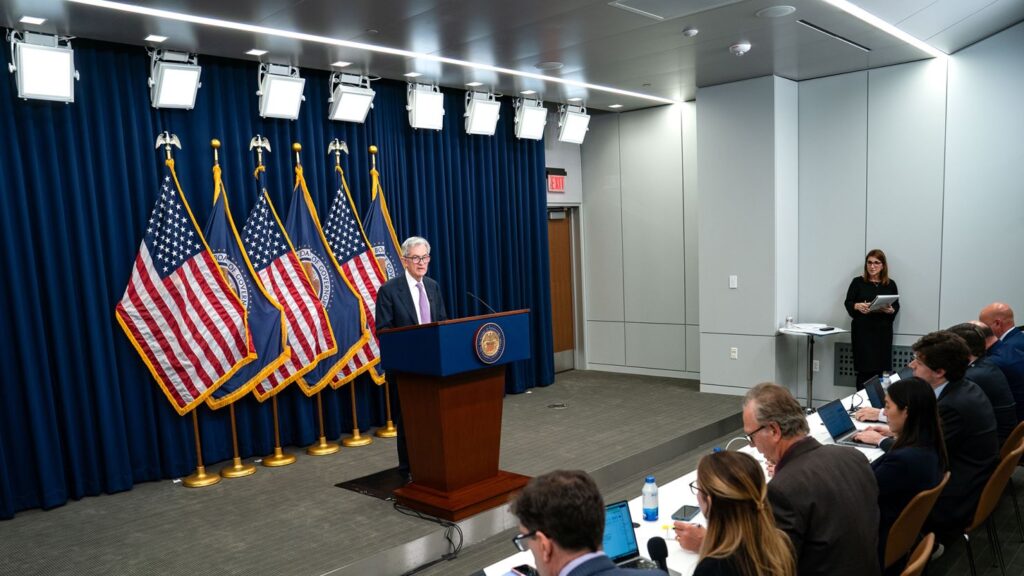
The Federal Reserve’s hawkish rate cut on December 18th has set the tone for markets, with investors now awaiting clear signals from the incoming Trump Administration. Rising yields on 10Y U.S. Treasuries highlight expectations of inflationary pressures from potential policy changes, with key psychological levels at 4.75% and 5.00% drawing attention. While late 2024 saw some weakening in labor data, the January 2025 non-farm payrolls report surprised with strong gains, solidifying expectations of no rate cuts in H1 2025 as inflation remains sticky due to diminishing base effects from early 2024.
Emerging market (EM) bonds, especially high-yield sovereigns, are thriving, with African USD bonds outperforming on total returns. Investment-grade sovereigns, including Saudi Arabia, Poland, and Mexico, have kicked off the bond issuance season. Meanwhile, markets are closely watching China for potential stimulus measures as deflation concerns persist amid tariff pressures from the U.S.
On the geopolitical front, Lebanon’s election of a president marks a positive milestone, bringing hope for recovery despite significant economic hurdles. Looking ahead, global markets are bracing for further data releases and geopolitical shifts shaping 2025.
China manufacturing and price weakness partially offset by services strength in December
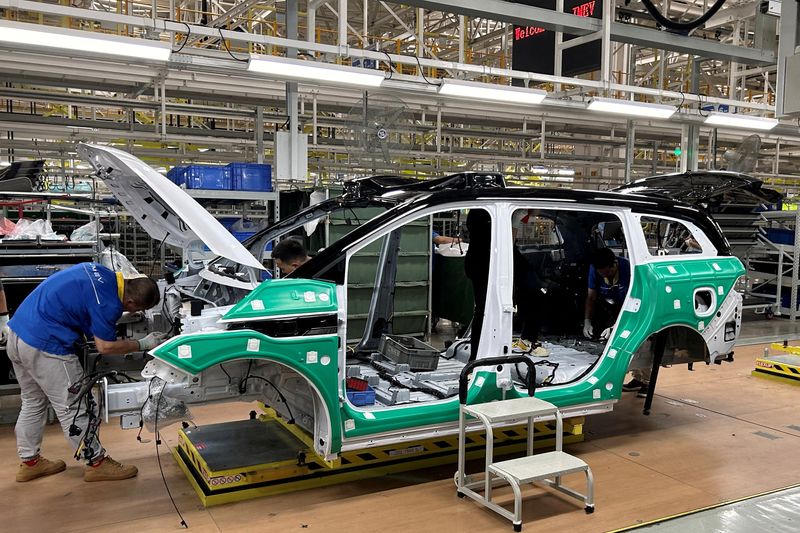
The NBS and Caixin PMI surveys showed easing in manufacturing components led by new orders and export orders while services sub-indices ticked upward. All indices remained in positive territory. Meanwhile, PPI and CPI hovered at depressed levels of -2.3% y/y and 0.1% y/y, respectively.
While the economic data is lackluster, the recent moderate strength in services and previous months’ moderate rebound in manufacturing likely support authorities’ preference for a still incremental and targeted stimulus approach. Given the importance of the external sector as an economic engine, last month’s softening in manufacturing is unwelcomed in the context of the uncertain tariff policy ahead while weak producer and consumer price dynamics continue to reflect ongoing structural challenges and growing expectations for Japanification over the medium-term. As such, we continue to expect a step-up in economic measures in 2025 with effectiveness to be determined by the scope and nature of the measures.
Lebanon elects President in a constructive step, but the harder chapter on political and economic reconstruction begins now
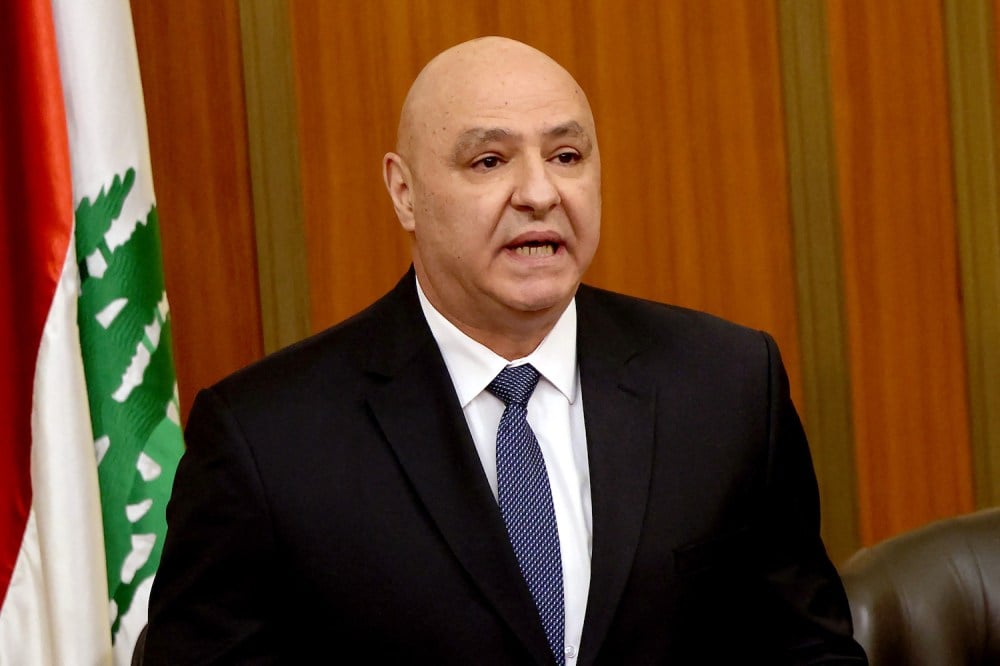
The Lebanese Parliament elected Joseph Aoun, the national army’s top Commander, as the country’s President, reaching a consensus on a candidate after a 26-month political vacuum without a President. Mr. Aoun ascends to the Presidency with support from both the U.S. and Saudi Arabia, arguably the two key external counterparties when it comes to provision of economic and geopolitical assistance as well as reconstruction funds for Lebanon. If he proves to be a reform-minded leader who catalyzes further improvement in Lebanon’s notoriously complex and frequently dysfunctional political environment, Aoun’s election could be the beginning of the end for Lebanon’s deep political and economic crisis over the last few years. Yet, the hard work for Lebanese policymakers and the international community is just about to begin.
Negotiations with the IMF over a new program, ultimate decisions on loss distribution from the banking sector restructuring, and the scale/sustainability of macroeconomic adjustments are just a few of the many elements that need to be resolved to pave the way toward a sovereign debt restructuring. Back of the envelope calculations point to haircuts in the 70-80% range needed to restore debt sustainability over the medium-term with most key macro variables still subject to substantial uncertainty. Market expected optimism about Lebanon’s recent developments have propelled the distressed sovereign bonds complex to trading in the high teens from single digits, but a break into the 20s is likely to require many pieces of the puzzle to fall in the right places in addition to optimistic assumptions about the medium-term macro-outlook
Trump will struggle to drive down oil prices
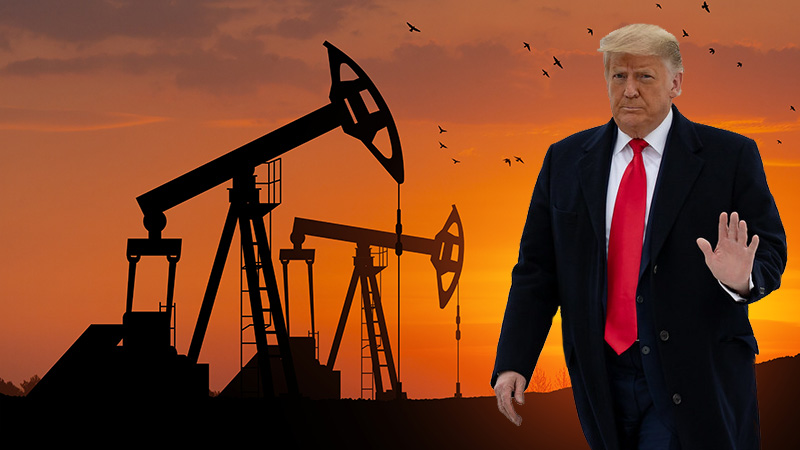
It is now a belief among many in energy markets that president-elect Donald Trump will succeed in driving oil prices down, possibly even further than during Joe Biden’s term. Brent crude has been languishing in the $70s for the past few months. That is despite members of the Opec+ group agreeing at their last meeting to slow a planned increase in production, removing much of 2025’s expected surplus. It is also despite Trump’s likely hawkish stance on Iran, which will probably lead to a drop in the availability of oil from the country. Although under sanctions, Iranian crude and condensate exports reached as high as 1.8mn barrels a day under Biden compared with 0.4 mb/d under Trump. Team Trump appears to believe unleashing US production could mitigate the impact of rising prices from lost Iranian oil. The problem is that he can’t have both low energy prices and record domestic oil and gas production because US shale producers need higher prices than they did eight years ago to support the investment case for incremental oil growth. But more fundamentally, US production growth is getting gassier.
The country’s energy output will continue to grow strongly but it may not have the same impact on oil prices as before. The administration cannot realistically add anything close to 3 mb/d of additional black oil over the next four years, as Trump’s Treasury nominee Scott Bessent has claimed. This is a resource issue rather than a regulatory problem. There just aren’t enough untapped barrels on hand for this rate of output. It is only expected that crude production growth over the same period of 0.4 mb/d. That would represent a 3% increase from current levels. The White House only has a few levers to incentivise faster supply growth.
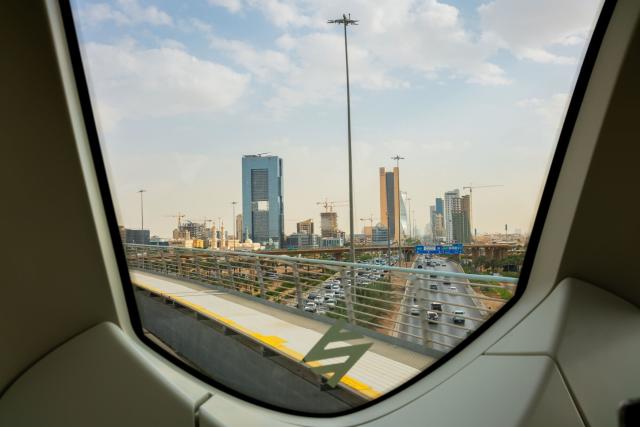
Saudi Arabia starts 2025 with a USD 12 Bn bond and PIF loan
Saudi Arabia kicks off 2025 with a significant borrowing initiative to fund its extensive economic transformation plan. The kingdom issued USD 12 Bn in bonds and announced a USD 7 Bn Islamic loan agreement with 20 banks. Just days before, the finance minister revealed that USD 2.5 Bn had been raised from three foreign banks.
Under Crown Prince Mohammed bin Salman’s Vision 2030, the government is investing heavily in various projects, including new cities like Neom, electric vehicles, and hosting the 2034 men's football World Cup. However, the budget is expected to remain in deficit for the next few years, necessitating more borrowing.
Brent crude is currently trading at around USD 76 per barrel, below the USD 90 needed for fiscal balance in 2025. While Saudi Arabia sold USD 17 Bn in international bonds in 2024, it may consider diversifying its funding sources this year. Despite high spending needs, the country has a robust balance sheet to support additional debt for investments. Moody’s recently upgraded Saudi Arabia's credit rating, citing a positive outlook for the non-oil sector.

الأسواق تستعد لعام 2025: الفيدرالي، العوائد، والتحولات الاقتصادية العالمية
قرار الفيدرالي بتخفيض الفائدة بسلوك متشدد في 18 ديسمبر وضع الأسواق على مسار جديد، حيث يترقب المستثمرون إشارات واضحة من إدارة ترامب المقبلة. ارتفاع العوائد على سندات الخزانة الأميركية لأجل 10 سنوات يعكس توقعات بضغط تضخمي نتيجة سياسات محتملة، مع تركيز الأسواق على المستويات النفسية عند 4.75% و5.00%. ورغم ضعف بيانات سوق العمل في أواخر 2024، إلا أن تقرير الوظائف غير الزراعية لشهر يناير 2025 فاجأ بنتائج إيجابية، مما عزز التوقعات بعدم خفض الفائدة في النصف الأول من 2025، وسط استمرار التضخم بسبب تأثيرات القاعدة المنخفضة.
سندات الأسواق الناشئة، خاصة السيادية عالية العائد، تُظهر أداءً قويًا، مع تفوق السندات الأفريقية بالدولار في العوائد الإجمالية. في الوقت نفسه، بدأت الدول ذات التصنيف الاستثماري، مثل السعودية وبولندا والمكسيك، موسم إصدار السندات. كما تراقب الأسواق عن كثب أي إجراءات تحفيزية محتملة من الصين وسط مخاوف من الانكماش، بجانب ضغوط التعريفات الأميركية.
على الصعيد الجيوسياسي، انتخاب لبنان رئيسًا يمثل خطوة إيجابية، مما يعطي أملًا للتعافي رغم التحديات الاقتصادية الكبيرة. الأسواق العالمية تستعد لمزيد من التحولات والبيانات التي ستشكل ملامح عام 2025.
ضعف التصنيع والأسعار في الصين تم تعويضه جزئيًا بقوة قطاع الخدمات في ديسمبر
أظهرت استطلاعات مؤشر مديري المشتريات (PMI) من NBS وCaixin تباطؤًا في مكونات التصنيع، خاصة في الطلبات الجديدة وطلبات التصدير، بينما شهدت مؤشرات قطاع الخدمات تحسنًا طفيفًا، مع بقاء جميع المؤشرات في النطاق الإيجابي. في الوقت نفسه، استقرت مؤشرات تضخم المنتجين (PPI) والمستهلكين (CPI) عند مستويات منخفضة -2.3% و0.1% على التوالي.
بالرغم من الأداء الاقتصادي الباهت، من المتوقع أن تدعم قوة قطاع الخدمات والانتعاش المعتدل في التصنيع خلال الأشهر السابقة النهج التدريجي في الحوافز الاقتصادية. ومع التحديات الهيكلية واستمرار ضعف الأسعار، تزداد التوقعات لتطبيق إجراءات اقتصادية أوسع في عام 2025 مع تقييم فعاليتها بناءً على نطاق وطبيعة هذه التدابير.
لبنان ينتخب رئيسًا في خطوة بناءة، لكن الفصل الأصعب في إعادة البناء السياسي والاقتصادي يبدأ الآن
انتخب البرلمان اللبناني جوزيف عون، قائد الجيش الوطني، رئيسًا للبلاد، متوصلًا إلى توافق حول مرشح بعد فراغ سياسي دام 26 شهرًا بدون رئيس. يتولى السيد عون الرئاسة بدعم من كل من الولايات المتحدة والسعودية، اللتين تُعتبران الطرفين الخارجيين الرئيسيين عندما يتعلق الأمر بتوفير المساعدة الاقتصادية والجيوسياسية بالإضافة إلى أموال إعادة الإعمار للبنان. إذا أثبت أنه قائد يركز على الإصلاح ويفعل المزيد من التحسين في البيئة السياسية المعقدة وغير الفعالة في لبنان، فقد تكون انتخابات عون بداية النهاية للأزمة السياسية والاقتصادية العميقة التي شهدها لبنان في السنوات الأخيرة. ومع ذلك، فإن العمل الشاق لصانعي السياسات اللبنانيين والمجتمع الدولي على وشك أن يبدأ.
تشمل المفاوضات مع صندوق النقد الدولي حول برنامج جديد، والقرارات النهائية بشأن توزيع الخسائر الناتجة عن إعادة هيكلة القطاع المصرفي، ومدى استدامة التعديلات الاقتصادية الكلية، بعض العناصر العديدة التي تحتاج إلى حل لتمهيد الطريق نحو إعادة هيكلة الدين السيادي. تشير الحسابات الأولية إلى أن تخفيضات تتراوح بين 70-80% ضرورية لاستعادة استدامة الدين على المدى المتوسط، مع بقاء معظم المتغيرات الاقتصادية الرئيسية عرضة لقدر كبير من عدم اليقين. لقد دفعت التوقعات المتفائلة بشأن التطورات الأخيرة في لبنان مجمع السندات السيادية المتعثرة للتداول في النطاقات العليا من العشرات بعد أن كانت في الأرقام الفردية، لكن الوصول إلى العشرينات من المرجح أن يتطلب أن تتوافق العديد من قطع اللغز في الأماكن الصحيحة بالإضافة إلى افتراضات متفائلة بشأن التوقعات الاقتصادية المتوسطة الأجل.
ترامب سيواجه صعوبة في خفض أسعار النفط
يعتقد الكثيرون في أسواق الطاقة أن الرئيس المنتخب دونالد ترامب سيفشل في خفض أسعار النفط، وربما حتى أكثر من فترة جو بايدن. لقد بقيت أسعار خام برنت في السبعينيات خلال الأشهر القليلة الماضية، وذلك على الرغم من اتفاق أعضاء مجموعة أوبك+ في اجتماعهم الأخير على تباطؤ الزيادة المخطط لها في الإنتاج، مما أزال جزءًا كبيرًا من الفائض المتوقع في عام 2025. كما أن ذلك يحدث رغم الموقف المتشدد المحتمل لترامب تجاه إيران، والذي من المرجح أن يؤدي إلى انخفاض في توفر النفط من البلاد. على الرغم من العقوبات، بلغت صادرات النفط الإيرانية 1.8 مليون برميل يوميًا تحت إدارة بايدن مقارنة بـ 0.4 مليون برميل يوميًا تحت إدارة ترامب. يبدو أن فريق ترامب يعتقد أن إطلاق الإنتاج الأمريكي يمكن أن يخفف من تأثير ارتفاع الأسعار الناتج عن فقدان النفط الإيراني. المشكلة هي أنه لا يمكنه الحصول على أسعار طاقة منخفضة وإنتاج قياسي من النفط والغاز المحلي في الوقت نفسه، لأن منتجي النفط من الصخر الزيتي في الولايات المتحدة يحتاجون إلى أسعار أعلى مما كانوا يحتاجون إليه قبل ثماني سنوات لدعم حالة الاستثمار لنمو النفط الإضافي. ولكن بشكل أكثر أساسية، فإن نمو إنتاج النفط في الولايات المتحدة يتحول نحو الغاز.
من المتوقع أن يستمر إنتاج الطاقة في البلاد في النمو بقوة، لكنه قد لا يؤثر على أسعار النفط كما كان في السابق. لا يمكن للإدارة بشكل واقعي إضافة أي شيء قريب من 3 ملايين برميل يوميًا من النفط الأسود الإضافي خلال السنوات الأربع القادمة، كما زعم مرشح ترامب للخزانة سكوت بيسنت. هذه مسألة موارد بدلاً من كونها مشكلة تنظيمية. ببساطة، لا توجد كمية كافية من البراميل غير المستغلة لدعم هذا المعدل من الإنتاج. من المتوقع فقط أن ينمو إنتاج الخام بمقدار 0.4 مليون برميل يوميًا خلال نفس الفترة. وهذا يمثل زيادة بنسبة 3% عن المستويات الحالية. البيت الأبيض لديه فقط عدد قليل من الأدوات لتحفيز نمو الإمدادات بشكل أسرع.
السعودية تبدأ عام 2025 بإصدار سندات بقيمة 12 مليار دولار وقرض من صندوق الاستثمارات العامة
تبدأ السعودية عام 2025 بمبادرة اقتراض كبيرة لتمويل خطة التحول الاقتصادي الواسعة، حيث أصدرت سندات بقيمة 12 مليار دولار وأعلنت عن اتفاق قرض إسلامي بقيمة 7 مليارات دولار مع 20 بنكًا. قبل ذلك، كشف وزير المالية عن جمع 2.5 مليار دولار من ثلاثة بنوك أجنبية.
في إطار رؤية 2030 لولي العهد محمد بن سلمان، تستثمر الحكومة بشكل كبير في مشاريع متنوعة، بما في ذلك مدن جديدة مثل نيوم، والمركبات الكهربائية، واستضافة كأس العالم لكرة القدم للرجال في عام 2034. ومع ذلك، من المتوقع أن يبقى العجز المالي مستمرًا لعدة سنوات، مما يتطلب المزيد من الاقتراض.
يتداول خام برنت حاليًا حول 76 دولارًا للبرميل، وهو أقل من 90 دولارًا المطلوب لتحقيق التوازن المالي في عام 2025. بينما باعت السعودية سندات دولية بقيمة 17 مليار دولار في 2024، قد تنظر في تنويع مصادر تمويلها هذا العام. على الرغم من احتياجات الإنفاق العالية، تمتلك البلاد ميزانية قوية لدعم المزيد من الديون للاستثمارات. قامت وكالة موديز مؤخرًا بترقية تصنيف السعودية الائتماني، مشيرة إلى آفاق إيجابية للقطاع غير النفطي.
Stay up to date
More Newsletter to Check



SUBSCRIBE TO NEWSLETTER
Subscribe to download our daily economics and business roundup


×
![]()