
Early Hiker Nations Offer Clues to Immaculate Disinflation

Early Hiker Nations Offer Clues to Immaculate Disinflation
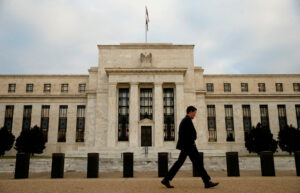
Lessons for Global Economies. The global post-pandemic economic landscape is witnessing an intriguing phenomenon, as several smaller nations, dubbed "early hikers," proactively raised interest rates ahead of the Federal Reserve. This preemptive action has led to a significant deceleration in inflation without the burden of a recession, sparking hopes for an "immaculate disinflation" in the world economy. Countries such as Brazil, Chile, and others in Latin America and Eastern Europe have demonstrated resilient labor markets and a soft landing after adopting aggressive rate hikes. Their experiences offer valuable insights for policymakers in other advanced economies like the United States, where concerns over rising inflation persist.
The "early hiker" nations' success in taming inflation amidst common post-pandemic growth drivers points to the potential for a smoother transition towards price stability. However, experts remain cautious, emphasizing that interest rate hikes can yield different outcomes depending on each country's unique circumstances. Factors like commodity prices, currency strength, and specific economic structures play a vital role in shaping the efficacy of interest rate adjustments.
Despite these encouraging examples, there are outliers like Hungary, which experienced a recession despite being an early hiker. Additionally, New Zealand, one of the earliest developed nations to hike rates, faced a mild recession in recent times.
Moving forward, the world will closely observe how these early hiker nations adapt their policies in response to evolving economic conditions. Some countries have already started shifting towards rate cuts as inflationary pressures eased. Brazil, for instance, recently slashed interest rates by 50 basis points, citing an improved inflation outlook, while Chile also cut rates due to cooling price pressures and economic activity.
As central banks and governments worldwide grapple with the challenge of containing inflation while supporting economic growth, the experiences of early hiker nations serve as a valuable reference point. Their success stories provide important lessons and potential strategies for achieving a balanced and sustainable economic recovery amidst the complexities of a post-pandemic global economy.
Fitch Lowers U.S. Credit Rating
Downgrade of U.S. Creditworthiness Raises Concerns for Global Economy and Policymakers. Fitch's decision to lower the U.S. credit rating from AAA to AA+ highlights the urgent need for policymakers to address the nation's fiscal challenges and ensure fiscal stability. The downgrade not only affects the U.S. economy but also has implications for the broader global economy. As the U.S. Treasury securities are regarded as the world's safest and most liquid asset, their downgrade could impact interest rates and borrowing costs not only within the United States but also globally.
The U.S. economy has demonstrated resilience and strength, with positive indicators such as rising GDP, low unemployment, and cooling inflation. However, Fitch's concerns over the country's growing general government debt burden and a history of governance erosion leading to repeated debt limit standoffs cannot be overlooked.
Foreign governments are among the largest purchasers of U.S. Treasury debt, holding significant amounts of it. Continued budgetary dysfunction in Washington could cause these foreign investors to reconsider their confidence in investing in a country that seems unable or unwilling to address its ballooning debt.
While the immediate impact of the downgrade on borrowing costs remains uncertain, any sustained increase could have cascading effects on consumer credit, mortgages, and business loans. Interest rates for various financial products are tied to the rates charged on Treasury debts, making the downgrade of significant concern.
The Fitch downgrade should serve as a powerful signal to policymakers to take decisive steps in addressing the country's fiscal challenges, improving the budget process, and preventing future episodes of debt limit brinkmanship or government shutdowns. Failure to address these concerns could have serious consequences not only for the U.S. economy but also for the stability of the global financial system, underscoring the need for responsible and proactive economic management.

Fitch Lowers Lebanon Credit Rating
Now at the Default Status in Local Currency. In a significant development, international ratings agency Fitch has downgraded Lebanon's creditworthiness in the local currency from CCC to C, signaling a default status. This downgrade comes amidst Lebanon's ongoing economic crisis and financial turmoil, which has severely impacted the country's ability to meet its debt obligations.
The decision by Fitch reflects the mounting challenges faced by Lebanon as it grapples with a severe liquidity crisis, soaring inflation, and an acute shortage of foreign currency reserves. The country's economy has been in a freefall for years, leading to surging poverty rates, widespread unemployment, and a collapse of its financial system.
Lebanon's credit rating has been on a downward trajectory since late 2019, when its currency, the Lebanese pound, started to slide, resulting in a significant devaluation. The economic crisis has been exacerbated by political instability and the lack of a functioning government, further impeding efforts to implement necessary reforms and address the root causes of the crisis.
The downgrade to default status in local currency is a severe blow to Lebanon's financial credibility and will likely have far-reaching consequences for the country's access to international financial markets and its ability to secure much-needed foreign investment and aid.
In response to the crisis, the international community has closely monitored Lebanon's situation, urging the government to take urgent and decisive measures to stabilize the economy and implement structural reforms. The path to economic recovery for Lebanon remains challenging and will require a concerted effort from all stakeholders to rebuild the nation's financial stability and restore investor confidence.
As the country navigates through this unprecedented crisis, the focus will be on formulating a comprehensive and viable economic recovery plan that addresses fiscal sustainability, enhances governance, and fosters an environment conducive to investment and growth. The road ahead is uncertain, but Lebanon's ability to emerge from this financial crisis will be crucial for its long-term economic prosperity and stability.
Amidst Pandemic Recovery Efforts

Natural Disasters Compound China's Economic Woes. A magnitude 5.5 earthquake in eastern China and ongoing heavy rainfall in the north-eastern regions following Typhoon Doksuri have added further pressure to China's struggling economy, still grappling with the aftermath of the COVID pandemic. Direct economic losses from natural disasters reached 41.18 billion yuan in July alone, surpassing the total losses recorded in the first half of the year.
The floods have been particularly devastating this year, affecting over 7 million people in July, while extreme heat and drought are posing threats to crops in other regions. With rainfall expected to remain high in August, the economic impact from floods and heatwaves is likely to persist.
The recent natural disasters have dealt a severe blow to China's economy, already reeling from the three-year impacts of COVID-zero policies. The floods, in particular, have led to farmland submergence, resulting in food shortages and adding unexpected drag to the quarterly growth of the world's second-largest economy.
China's economic struggles have prompted authorities to implement a series of policy measures to support recovery. However, the impacts of the floods have revealed an ill-preparedness in dealing with such disasters in certain regions, further exacerbating the economic challenges.
The damages caused by the floods may also extend beyond China's borders, affecting Australia's economy, which heavily relies on exports to China. As Chinese consumers face financial constraints, the demand for Australian products, especially in the infrastructure sector, may decline.
The situation highlights the importance of climate resilience, as Chinese provinces rank among the top 50 most vulnerable regions to climate-related disasters. Jiangsu and Shandong, being major economic powerhouses, are particularly susceptible to climate risks.
In addition to floods, China has also experienced earthquakes, with a magnitude 5.5 quake striking Shandong province, resulting in injuries and property damage. Furthermore, the rising water levels in major rivers have raised concerns in the north-eastern regions, leading authorities to elevate their emergency response levels.
As China grapples with the ongoing impacts of natural disasters, the focus remains on implementing comprehensive reforms and seeking support from the international community, particularly the IMF, to stimulate economic recovery and build resilience against future challenges. The situation calls for effective disaster management strategies and climate adaptation measures to safeguard the economy and people's well-being.
Global economic developments show mixed trends
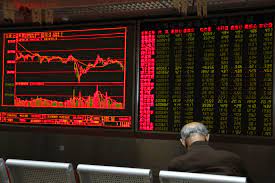
US employment steadying while the euro area experiencing modest growth, Brazil easing borrowing costs and more. The global economic landscape presents a mix of varying trends in major economies. In the United States, employers continue to add workers at a steady, albeit more moderate pace, indicating the economy's resilience amidst higher interest rates. Meanwhile, the euro area witnessed modest growth in the second quarter, while the Bank of England raised rates and warned of prolonged tight borrowing conditions to combat inflation. Brazil's central bankers surprised with a larger-than-expected reduction in borrowing costs, attributing the improvement in the price outlook and declining longer-term inflation expectations. In contrast, the US government's credit rating downgrade by Fitch has led to concerns over the nation's debt trajectory, even as it emerges from forecasts of a looming recession. Fitch predicts US debt to reach 118% of GDP by 2025, raising questions about fiscal sustainability.
The Eurozone's return to economic growth was buoyed by Ireland's strong performance, but underlying inflation pressures persist, leading to calls for the European Central Bank to raise interest rates further. Meanwhile, along the Rhine River, a once-reliable shipping route, receding water levels pose challenges for companies and prompt adaptations. China's economic activity showed signs of losing steam, with manufacturing contracting and the services sector weakening. In response, Beijing pledged small measures of support to boost consumption. India, on the other hand, experienced a decrease in overall unemployment as rural areas saw an uptick in agriculture labor demand due to the onset of monsoon rains, potentially bolstering agriculture production and economic growth.
Brazil's central bank's decision to lower interest rates indicates a dovish shift, in line with President Luiz Inacio Lula da Silva's push for lower borrowing costs. In Mexico, the economy surpassed expectations with robust private consumption and strong exports to the US, its major trading partner. Amidst the economic shifts, policymakers in Thailand and Egypt also raised rates, while Australia, Colombia, the Dominican Republic, and the Czech Republic left borrowing costs unchanged. Additionally, shipping container rates experienced a significant surge, signaling the end of a 16-month slump in ocean-freight costs, which previously helped ease the sting of goods inflation. The increase may impact global trade dynamics and logistics.
Stay up to date
More Newsletter to Check



SUBSCRIBE TO NEWSLETTER
Subscribe to download our daily economics and business roundup


×
![]()