
Finding the right balance between addressing inflation and avoiding a recession: Navigating Soft Landing Amidst Recession Concerns in the USA


Finding the right balance between addressing inflation and avoiding a recession
Navigating Soft Landing Amidst Recession Concerns in the USA. As the world emerged from the grips of the COVID-19 pandemic, the specter of a looming recession has cast a shadow on America's economy. Drawing lessons from the past, economic analysts have looked back at the aftermath of the Spanish flu pandemic and the First World War, where low interest rates and high government spending led to surging inflation. To curb this inflation, the Federal Reserve raised interest rates, triggering a severe recession. Now, amid similar circumstances, the Fed faces tough decisions as they raise rates at the fastest pace since the 1980s.
The prevailing belief has been that a recession is inevitable as interest rates have rapidly risen from 0% to 5% since March 2022. Historically, such sharp rate hikes have been associated with economic downturns, dragging down consumer spending and corporate investment. Many economists and investors have forecasted a high probability of a recession in the next 12 months. However, recent data has shown unexpected resilience in the labor market, with the unemployment rate at just 3.6% and inflation receding. The combination of ebbing inflation and a robust labor market defies conventional economic wisdom, challenging the notion that low unemployment must lead to rising inflation. The addition of more workers and increased immigrant labor supply has helped balance the labor market and ease wage pressures.
Despite these positive indicators, there are lingering concerns about potential policy lags and the sustainability of government spending. Inflation could prove stubborn, and the tight labor market might keep it elevated. The Fed faces the challenge of finding the right balance between addressing inflation and avoiding a recession. Nonetheless, the economy's underlying strength, countervailing forces, and government spending may contribute to a soft landing for the economy. The government's fiscal largesse, along with investments in infrastructure and renewable energy, have provided a cushion for the economy. However, risks remain, and the Fed's ability to manage inflation without inducing a recession will be put to the test. As the economy continues its descent from the peak of inflation, the hope for a soft landing has become more plausible, despite the looming risks and uncertainties.
Economies Worldwide Take Cues from America's Inflation Trends

Implications for Dollar Strength and Global Monetary Policies. As the US economy experiences a decline in inflation, other developed economies may be trailing a few months behind, echoing the trends seen in America. In 2021, American prices rose faster than those in other countries, leading the Federal Reserve to begin raising interest rates earlier than most central banks. The latest inflation figures in Britain, released on July 19th, showed prices rising by 7.9% year-on-year in June, slightly below the forecast of 8.2%. Investors are considering whether the surge in inflation is a temporary result of supply-side factors or a consequence of monetary and fiscal policies, which could indicate that inflation in other countries might follow America's downward trajectory. If this scenario unfolds, monetary policies in both America and other nations would align more closely.
The global economic situation would resemble that seen in the years following the dollar's sharp rally in late 2014 and throughout 2015. Once again, the American economy is displaying strength compared to other developed economies, and American stocks are preferred over those from other regions. These pillars of economic strength make it challenging to envision a significantly weaker dollar in the near future. However, uncertainties remain, and any reversal of these trends could lead to a stronger dollar once again. Factors such as stickier inflation in the US or a slowdown in the American economy under the weight of higher interest rates could impact the currency's trajectory. Overall, as inflation trends continue to evolve worldwide, economies are closely monitoring America's lead and making adjustments to their monetary policies accordingly. The future trajectory of the dollar will be influenced by how well other economies align with or diverge from America's economic performance.

Foreign-Run University Ventures in China
Navigating Tensions Upon Rising Anti-Western Sentiments. Venturing into the heart of China's higher education landscape, foreign-run university initiatives are facing complex challenges as relations between China and the West, particularly the United States, become increasingly tense. Despite the tightening control over university education and the purge of liberal thinking in China since Xi Jinping took power in 2012, ventures like New York University (NYU) and Duke Kunshan University (DKU) in Shanghai have managed to flourish, attracting hundreds of students, half of whom are Chinese. These cooperative projects are bridging cultures and offering students a unique experience, but they also raise concerns about potential ideological clashes and influences of foreign values. As China aims to boost the quality of its universities and support local governments' economic ambitions, well over half of China's 1,230 universities have established cooperative projects with foreign or Hong Kong counterparts. The partnerships involve joint departments, institutes, and full-blown universities from English-speaking countries. Shanghai and its neighboring cities, being economic centers, host several significant ventures, where foreign institutions are hoped to attract talent for high-tech manufacturing and other industries.
While foreign-run programs only account for a small fraction of total enrollment in China's university system, Chinese officials remain wary of foreign influences, fearing that foreign professors and textbooks may spread "heretical views." To address these concerns, the central authorities issued a classified directive on "party building" in foreign-run academic programs, emphasizing the role of Chinese partners in governing boards. Chinese universities have implemented guidelines to resist perceived Western thoughts and monitor student party members during their study abroad periods. Despite the tensions and party's vigilance, university officials from foreign-run ventures remain committed to academic freedom and independence. The vice-chancellor of NYU Shanghai asserted that academic freedom has been honored within their community, although they remain ready to shut down if the Chinese government becomes uncomfortable with this principle. However, some academics speculate that new ventures involving humanities or social sciences are unlikely to be approved, signaling potential challenges ahead.
India's Ban on Non-Basmati White Rice Exports Fuels Global Food Price Concerns
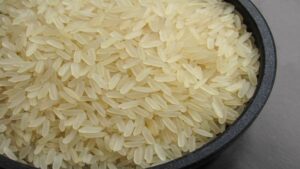
Tightening Rice Supplies and Rising Inflation Pave the Way for Potential Price Surge in the Global Rice Market. In a bid to control soaring food prices and ensure sufficient availability of non-basmati white rice in the domestic market, India has implemented an immediate ban on its exports. As the world's leading rice exporter, accounting for over 40% of global rice trade and the second-largest producer after China, this ban is expected to have significant implications for the global rice market.
Analysts warn that the ban could exacerbate already elevated rice prices, with potential impacts compounded by the country's earlier ban on broken rice shipments in September. Countries heavily reliant on Indian rice, such as Bangladesh and Nepal, are expected to be particularly affected, potentially leading to food insecurity. Other top destinations for Indian rice include China, Benin, and several African countries, which could also face supply shortages. With non-basmati white rice constituting around 25% of India's rice exports, alternative suppliers in the region, such as Thailand and Vietnam, may witness increased demand. However, global rice supplies are expected to tighten, leading to speculation and panic reactions that could further drive up prices in the international market.
The recent surge in food prices in India, including a more than 300% increase in tomato prices due to adverse weather conditions, has contributed to higher inflation rates. The global rice market, already facing tightening supplies and surging prices following Russia's grain deal withdrawal in the Black Sea region, is likely to witness further price increases. Experts predict that rice prices could even surpass previous highs, reaching levels of around $180 per ton.
India's move to curb rice exports adds to the complexities of the global food crisis and highlights the challenges of balancing domestic demand and international trade in staple commodities. As the situation unfolds, market dynamics and food security concerns will remain closely monitored by traders, economists, and policymakers worldwide.
Asia and the Pacific's Economic Fortunes Brighten
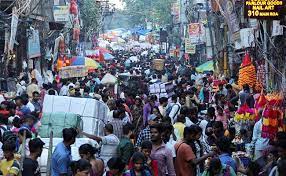
Growth Set to Accelerate in 2023 with Emerging Economies Leading the Charge. Asia and the Pacific are experiencing economic improvements as the headwinds from last year begin to fade. With eased global financial conditions, lower food and oil prices, and a rebounding Chinese economy, the region is set to achieve a growth rate of 4.7 percent in 2023, outpacing other major regions and becoming a bright spot in the global economy.
The driving force behind this dynamism is the emerging and developing economies in the region, expected to grow by 5.3 percent this year. As pandemic-related supply-chain disruptions diminish and the service sector flourishes, countries like China and India are projected to contribute over half of global growth, with the rest of Asia contributing another quarter. Several Asian countries, including Cambodia, Indonesia, Malaysia, the Philippines, Thailand, and Vietnam, have already returned to their robust pre-pandemic growth levels. China's sudden re-opening has been a major factor in the region's faster-than-expected rebound, benefiting not only itself but also the rest of Asia due to strong trade and tourism linkages. For every percentage point of higher growth in China, the output in other Asian economies rises by approximately 0.3 percent. While the near-term outlook for Japan is positive, with support from accommodative policies and border reopenings, advanced economies in the region face mixed prospects. The technology cycle is posing challenges for countries like Korea, Singapore, and Taiwan, with a drag on exports that may persist through the year. However, with growth expected to stabilize in other parts of the world, external demand is likely to firm up in the coming year.
Inflation in Asia is predicted to moderate, with signs that headline inflation peaked in the latter half of the previous year, though core inflation remains persistent. The easing of financial and commodity headwinds, as well as the rebounding Asian currencies, has helped alleviate inflationary pressures. Despite the improved short-term outlook, longer-term challenges persist. China's medium-term prospects have been downgraded, with a slowdown expected to impact growth prospects across highly integrated supply chains in Asia and globally. To boost productivity and long-term growth, reforms are becoming more urgent across the region. Fiscal deficits during the pandemic and higher long-term interest rates have led to increased public debt burdens in many Asian countries. As several countries face debt distress, gradual fiscal consolidation is necessary to align monetary and fiscal policies effectively.
Stay up to date
More Newsletter to Check



SUBSCRIBE TO NEWSLETTER
Subscribe to download our daily economics and business roundup


×
![]()