
Amidst economic uncertainties: China’s Central Bank makes cautious cuts as economy faces challenges

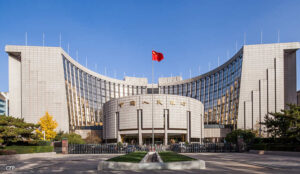
Amidst economic uncertainties
China's Central Bank makes cautious cuts as economy faces challenges. China's central bank has cut key interest rates for loans issued by state-controlled banks, indicating growing concerns about the country's stalled economy. The rate cut, albeit small, could impact overall economic growth since most corporate lending and mortgages in China are linked to these rates. This move sets China apart from Western policies, as the Federal Reserve and the European Central Bank have been raising rates in response to inflation. China, on the other hand, is grappling with weak spending, private sector investment, and falling consumer and producer prices.
Investors reacted with disappointment to the rate cuts, as share prices in Hong Kong and Shanghai slipped. The smaller-than-expected rate cut serves as a reminder of China's struggling economy. While homebuyers in the coming months may benefit from the cuts, homeowners will likely have to wait longer since mortgage rates in China are typically adjustable and adjusted in January.
This marks China's first reduction in loan rates since August, indicating the government's intention to stabilize output amidst falling exports, stagnant construction, and weak consumer confidence. The cautious scale of the rate cuts suggests concern among policymakers, but not panic, as seen in past crises when more significant rate cuts were implemented. The benchmark one-year rate now stands at 3.55%, and the five-year rate used for mortgages is at 4.2%. (New York Times)
In the face of soaring housing costs and persistent inflation
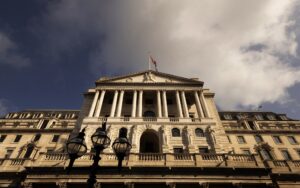
Uk inflation persists at 8.7%, housing costs surge, Bank of England raises rates. Despite expectations of a decline, Britain's annual inflation rate remained stubbornly high at 8.7% in May. The core inflation rate, excluding food and energy prices, reached its highest level since March 1992 at 7.1%. The government's pledge to reduce inflation by half from the January level of 10.1% has yet to be realized, as prices continue to rise in essential sectors like food, clothing, recreation, health, communications, and travel.
The housing market in the UK is experiencing a rapid surge in prices. In recent days, the cost of a two-year fixed-rate mortgage has soared above 6% as lenders reassess their mortgage products and withdraw more affordable options from the market. These mortgage rates are tied to expectations of rising interest rates, which have been driven up by concerns over inflation. Additionally, official statistics indicate a significant increase in rents, rising by 5% in the year leading up to May, marking the fastest pace of growth since the data series began in 2016.
Responding to the persistent high inflation, the Bank of England has decided to raise its key interest rate by half a percentage point to 5.0%. This move comes as a surprise, as the markets were initially anticipating a quarter-point increase. The central bank has faced criticism for allowing inflation to grip the economy and for underestimating the duration of rising prices. (Economist)
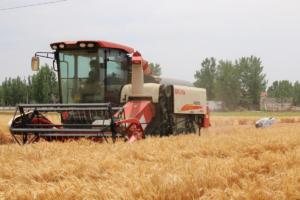
With climate shocks jeopardizing harvests
China's food security concerns intensify as climate shocks threaten harvests. China's leader, President Xi Jinping, has made ensuring food self-sufficiency a national priority, but weather shocks are disrupting wheat harvests and posing risks to pig and fish farming. Heavy rainfall in central China damaged wheat crops, highlighting the vulnerability of the country's food supply to climate disruptions.
China aims to feed its 1.4 billion population as part of its ambition to become a global superpower. Volatility in global food prices and geopolitical tensions have heightened the urgency for China to grow more of its own crops and reduce dependence on imports.
Extreme heat has led to fish deaths and pig losses in different regions of China, while concerns about flooding and drought damaging wheat crops persist. The government recognizes that meeting basic food needs is crucial for political stability, especially considering historical famines that have destabilized dynasties.
China is taking measures to enhance food security, including stockpiling crops, purchasing farmland overseas, and investing in research for heat-resistant rice strains and genetically modified soybeans. President Xi has emphasized self-reliance in food as a matter of national security, and efforts to increase farmers' incomes are prioritized. However, challenges such as shrinking farmland, water distribution issues, and trade tensions remain. (New York Times)
With inflation concerns mounting: ECB approaches final stretch of tightening cycle amid inflation concerns

According to European Central Bank (ECB) Vice President Luis de Guindos, the bank is approaching the end of its tightening cycle. The exact timing of when the ECB will halt its series of interest-rate increases will depend on the data, particularly the behavior of core inflation. Guindos made these remarks in an interview with Spanish newspaper ABC published on Sunday.
The ECB has already implemented a cumulative 400 basis points increase in borrowing costs since July of the previous year. Another interest rate hike next month is highly expected. However, the path beyond that point remains uncertain, as some policymakers caution that further tightening may be necessary after the summer break.
Guindos highlighted the importance of monitoring core inflation deceleration, stating that the ECB's monetary policy measures, combined with base effects, should contribute to this. He emphasized the need to closely observe second-round effects, such as wage increases and the evolution of unit labor costs, as they could complicate the inflation outlook.
In addition to monetary policy, Guindos stressed the role of fiscal policy in addressing inflation. He suggested that fiscal measures should also be employed to help lower inflationary pressures. If the scenario of second-round effects becomes more complex, Guindos noted that monetary policy might need to take stronger action in response. (Bloomberg)

Putting the freeze on hold: The Turkish central bank breaks its two-year freeze and takes decisive action by raising interest rates to 15%.
Turkey's central bank has recently raised interest rates for the first time in over two years, increasing them from 8.5% to 15%. However, there are widespread concerns that this move may not be sufficient to address the country's escalating inflation and ongoing economic crisis. This decision represents a partial departure from President Recep Tayyip Erdogan's unconventional economic policies, which had maintained frozen interest rates since March 2021, despite a significant devaluation of the Turkish lira.
Despite the rate hike, investors remain skeptical that it will effectively curb inflation. As a result, the Turkish currency experienced a 4% decline, reaching new record lows of 24.55 lira to the dollar. Many market participants believe that the interest rate increase is not substantial enough to tackle the mounting inflationary pressures, signaling a lack of confidence in the central bank's actions.
The central bank's monetary policy committee has stated that the rate hike is aimed at initiating the process of monetary tightening to swiftly establish a disinflationary path, anchor inflation expectations, and address the deteriorating pricing behavior in the country. However, given the prevailing concerns and the market's response, there is doubt regarding the effectiveness of this move in stabilizing Turkey's economy and reigning in inflation.
In summary, Turkey's central bank has raised interest rates after a prolonged period of keeping them unchanged. While this decision marks a shift in the country's economic policy, doubts persist regarding its adequacy in addressing rising inflation and the ongoing economic crisis. The currency's depreciation following the announcement reflects investor skepticism, indicating the need for further measures to stabilize the economy and restore confidence. (The Guardian)
Stay up to date
More Newsletter to Check



SUBSCRIBE TO NEWSLETTER
Subscribe to download our daily economics and business roundup


×
![]()