
Some state-owned and private-sector banks have stopped extending new letters of credit

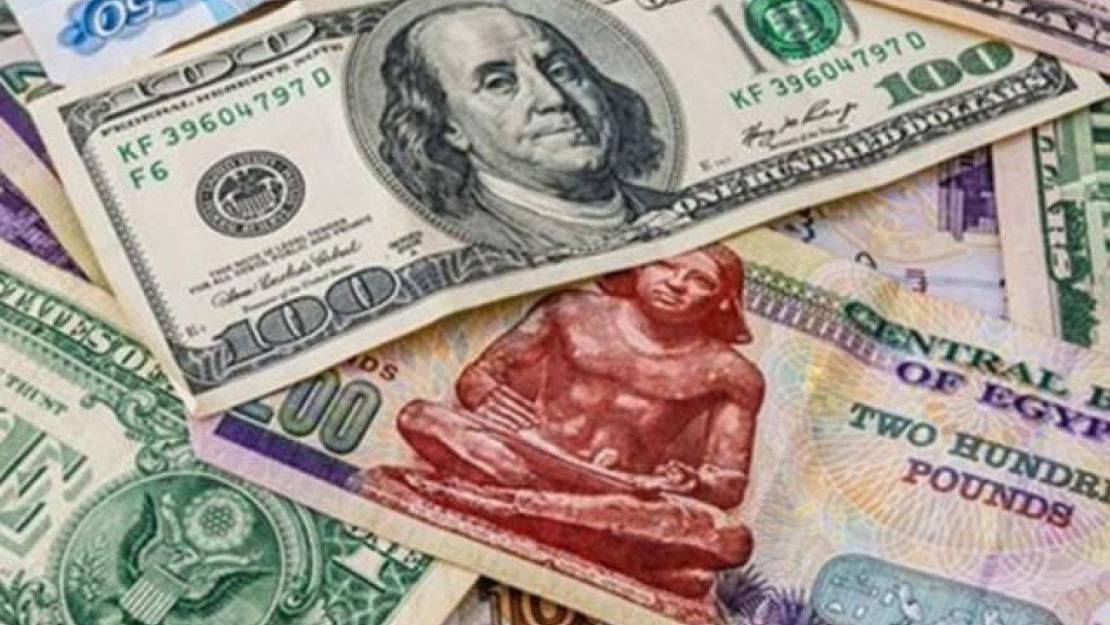
Some state-owned and private-sector banks have stopped extending new letters of credit and documentary collection for importers amid the ongoing shortage of foreign currency. It’s unclear whether the story represents a new change in trade finance dynamics or whether imports of staples and other Ramadan essentials are crowding out lower-priority goods. Demand for FX always peaks in the months ahead of Ramadan as importers bring in goods for the month. It is understood that many orders were delayed late last year and early this year amid the FX shortage, leading to a crush of seasonal demand when the central bank brought back documentary collection. (Bloomberg Asharq)
- The government will sign a port management and operation contract with Hutchison Ports, COSCO, CMA CMG, and MSC on 15 March,
Transport Minister Kamel El Wazir said. Under an initial agreement signed last year, the consortium could invest as much as USD 800 mn to develop, operate and manage two new container terminals at the Ain Sokhna and Dekheila ports. (Bloomberg Asharq)
- The EGP slipped by nine piasters against the greenback last Thursday, reaching 30.7757 from 30.68 last Wednesday, after five days of relative stability, according to central bank data.
Demand for USD is unlikely to decline significantly in the weeks leading up to Ramadan as traders complete stocking up on the imported necessities for the holy month. The currency hit the 30 mark at the end of January following a sharper devaluation and has lost nearly half its value against the greenback over the past year amid the fallout from the war in Ukraine and rising interest rates. (Hapi Journal)
- Egypt’s net foreign assets fall by 160.2 billion EGP in January.
Egypt’s net foreign assets dropped by 160.2 billion EGP in January, Reuters reported on March 1st. The state’s net foreign assets fell to a negative 654.43 billion EGP at the end of January, versus a negative 494.3 billion EGP at the end of December 2022. This decline came as a result of debt maturing and importers clearing backlogs from ports. (The Central Bank of Egypt)
- The Finance Ministry now expects the budget deficit to rise to 6.8% of GDP this year, from 6.1% last year,
according to its mid-year review for FY 2022-2023, which ends in June. The government had initially targeted a 6.1% deficit in the state budget. The budget deficit came in at 4.0% in the first half of this fiscal year. The revised figure for this fiscal year is in line with the latest forecast from S&P Global, which sees the deficit remaining high at roughly 7% of GDP over the next three years. (Hapi Journal)
- Moreover, the ministry is now predicting a debt level of 93.0% of GDP by June 2023, up from an earlier 84.0% target.
Total debt-to-GDP declined to 87.2% by June 2022 from 90.6% a year earlier. The government wants to bring down the debt-to-GDP ratio to 75% by FY 2025-2026. Rising interest rates, higher commodity prices, and the impact of the EGP devaluation on the country’s import bill are all putting pressure on the public purse. The projected average interest rate on government bonds and bills this fiscal year has risen to 18.0% from the 14.5% estimated in the budget, while the prices of oil and wheat have risen above the benchmark price used to calculate the budget. (Hapi Journal)
- GDP growth is set to come in at 4.0-5.0% for the 2022-2023 fiscal year.
The Madbouly government sees growth clocking in at 5.5-6.0% in the medium term. The IMF, the European Bank for Reconstruction and Development, a recent Reuters poll, the World Bank, and Fitch ratings are all predicting growth in the range of 4.0-4.8% this fiscal year. The ministry will present the draft FY 2023-2024 budget to the House of Representatives by 31 March. (Hapi Journal)
- As Zilla capital expected, Egypt raises fuel prices; diesel price remains unchanged.
The price of the 80-octane gasoline increased to 8.75 EGP per liter from 8 EGP, while the price of the 92-octane gasoline rose to 10.25 EGP per liter from 9.25 EGP. Additionally, the price of the 95-octane gasoline has been increased to 11.50 EGP per liter from 10.75 EGP. The price of diesel fuel remained the same at 7.25 EGP per liter. Additionally, the price of compressed natural gas (CNG) has been increased to 4.50 EGP per meter. Meanwhile, mazut prices for all purposes, except for bakeries and electricity producers, will be charged at 6,000 EGP per ton. (Hapi Journal)
- The increase comes on the back of fluctuations in Brent crude oil prices and the EGP’s exchange rate [devaluation] against the greenback.
This was expected! The government has committed to changing local fuel prices in line with movements in the global markets under its 3 billion USD loan agreement with the IMF. The new prices will be in place at least until the beginning of next month when the pricing committee should meet to decide prices for 2Q. The committee was supposed to meet at the beginning of January to set prices for 1Q. (Bloomberg Asharq)
- It is worth noting that inflation is already running red-hot.
The headline rate of inflation hit its highest level since November 2017 in January as the impact of the EGP devaluation caused food prices to accelerate at a record rate. The subsidy bill has risen significantly: The government’s fuel subsidy bill reportedly quadrupled in the first six months of the fiscal year due to the EGP’s devaluation against the USD and higher oil prices. (Bloomberg Asharq)
Stay up to date
More Newsletter to Check



SUBSCRIBE TO NEWSLETTER
Subscribe to download our daily economics and business roundup


×
![]()