
Egypt’s non-oil private sector hits 26-month low in January

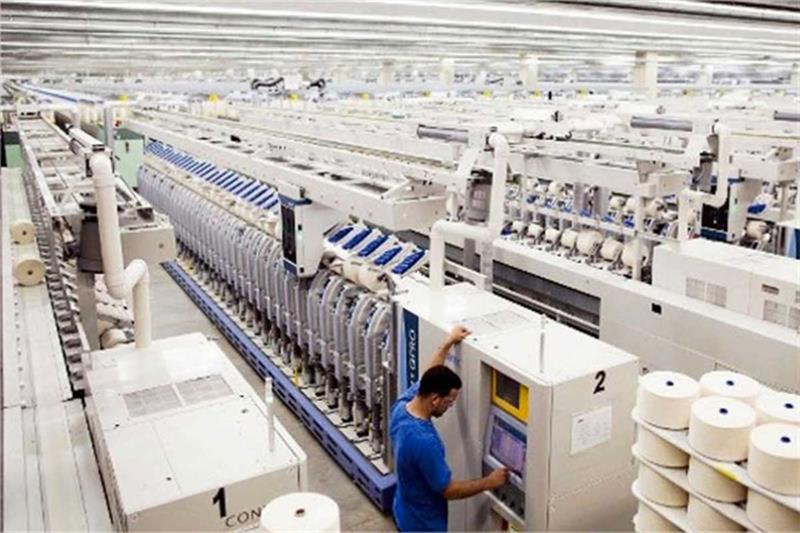
Egypt’s non-oil private sector hits 26-month low in January. Egyptian non-oil private sector economy witnessed a notable downturn in operating conditions in January, with the devaluation of the pound weighing on prices. The headline seasonally-adjusted IHS Markit Egypt Purchasing Managers’ Index (PMI) fell to 45.5 in January from 47.2 in December, signaling the most rapid decline in 26 months. Inflationary pressures pushed down new business inflows in January, forcing firms to make additional cuts in activity, purchasing, and employment. (Arab Finance)
Egypt’s current account deficit narrowed by 20% to 3.2 billion USD in 1Q 2022-23
On the back of higher FDI, exports and tourism revenues. A surge in FDI makes up for hot money outflows: Net FDI inflows doubled to hit USD 3.3 bn, driven by 1 billion USD in sales of local entities to foreign investors and 1 billion USD of investment in existing companies. Tourism revenues surged more than 43% y-o-y to USD 4.1 bn in the first quarter of the current fiscal year. This was driven by a more than 50% increase in arrivals, which totalled 3.4 million during the three-month period. Fitch Solutions is projecting annual revenues to reach a record 13.6 billion USD this year as 11.6 million tourists flock to the country. (Hapi Journal)
The trade deficit narrowed to 9.1 billion USD, down 18% from the same period last year
This was the result of a 13% increase in exports — driven mostly by the oil sector — and a 4% drop in imports. Non-oil imports were down almost 10% y-o-y due to the central bank’s move to curb imports while oil imports rose by more than a quarter. Now-scrapped restrictions brought in by the CBE amid the FX crunch last year had stymied the import of all but the most essential goods, causing a backlog at ports that has only in recent weeks been cleared. Suez Canal receipts rose 19% to 2.0 billion USD in the July-September period, driven by a 14% increase in the tonnage of goods transiting the canal. (Hapi Journal)
The Education Ministry will launch an in-school tutoring scheme across all governorates at the start of the second semester of the academic year next week
Education Minister Reda Hegazy said. The move comes as the ministry looks to crack down on the private tutoring industry, which Hegazy earlier this month described as the “biggest challenge to the education system” in a hearing at the Senate. The government will collect the revenue and take 20% in tax before paying the remainder back to tutors “at regular intervals. (Hapi Journal)
World's latest container ship EVER ACME transits Suez Canal on 1st sea voyage
The World’s latest giant container ship, EVER ACME, crossed the new navigational channel of the Suez Canal on its first-ever sea voyage from Malaysia to the Netherlands, Chairman of the Suez Canal Authority (SCA) Osama Rabie announced. According to the protocol followed by the SCA in dealing with giant ships crossing the canal for the first time, the SCA's chairman delegated two captains to board the container ship EVER ACME and welcome its crew, handing a souvenir to the captain of the ship. (Arab Finance)
Concord International aims to set up 40 million USD healthcare investment company in Egypt
Concord International Investments is planning to establish a healthcare investment company in Egypt with a capital of 40 million USD. The new company’s investments will be directed to industries supporting the healthcare sector, such as medical equipment and requirements used in hospitals, in addition to other products and services related to the field. (Asharq Business)
AAIB seeks to sell stake in Palm Hills to UAE’s Al Ain Holding
Arab African International Bank (AAIB) is seeking to sell its stake in Palm Hills Development Company (PHDC) to Abu Dhabi-based Al Ain Holding. The Mansour family owns more than 46% of Palm Hills’ shares, while Al Ain Holding holds a 12.7% stake in the company. Regarding the majority shareholder’s position, a board member in Palm Hills denied that the Mansour family would sell their stake in Palm Hills, saying that they would buy an additional stake instead. (Asharq Business)
Xpence plans to expand into at least 3 new strategic markets
Building a business on solid unit economic is considered important by key players in the market. Meanwhile, startups as well as small- and medium-sized enterprises (SMEs) need access to financial services through a simple and accessible digital platform. Through a specific digital app and internationally accepted business Visa cards, Xpence helps these businesses remove inefficient cash-based processes, while playing a role in raising efficiency, providing greater control and security besides ultimately saving money. (Mubasher)
Ibn Sina Pharma, Boehringer Ingelheim pen distribution agreement in Egypt
Ibnsina Pharma (ISPH) has signed an agreement with the German Boehringer Ingelheim to distribute the latter’s treatments across cardiovascular, cardio-renal-metabolic, and respiratory therapeutic areas in Egyp. Ibnsina Pharma is the second-largest pharmaceutical distributor in Egypt, distributing products from over 350 global and local companies to more than 46,000 customers of pharmacies, hospitals, wholesalers, and healthcare institutions. (EGX)
Lihytech, Saudi Arabia’s lithium-tech startup, raises 6 million USD in funding
Lihytech, raised 6 million USD from Saudi Arabian mining company, Ma’aden, and the King Abdullah University of Science and Technology (KAUST) Innovation Ventures fund. The startup’s patented membrane-based lithium extraction technology, developed by Professor Zhiping Lai at KAUST, extracts the alkali metal from seawater, brine, red mud, and more, and uses a ceramic membrane to filter lithium ions selectively. (WAYA)
Stay up to date
More Newsletter to Check



SUBSCRIBE TO NEWSLETTER
Subscribe to download our daily economics and business roundup


×
![]()