
U.S. inflation came in February at 7.9% while the Italian PPI of 41.8% almost went unnoticed


U.S. inflation came in February at 7.9% while the Italian PPI of 41.8% almost went unnoticed
Market participants rightly placed greater emphasis on Russia and Ukraine developments, given ongoing talks between Foreign Ministers Lavrov and Kuleba in Turkey. However, the sanctions narrative dominates and continues to escalate, so much so that Chelsea FC’s third spot in the English Premier League is looking somewhat precarious after Roman Abramovich was heavily sanctioned by the UK government. It is, of course, the conflict in Ukraine that has sparked stagflation and even recessionary concerns and the pivot by the ECB was noteworthy.
This is best reflected in the spread between German bunds and Italian BTPs reaching its widest level since April 2020, or perhaps EURUSD below 1.10. What remains striking is the extent to which central banks are increasing inflation forecasts and even reacting now. The National Bank of Poland hiked by 75 bps but increased its inflation forecast for 2022 from 5.1%-6.5% to 9.3%-12.2%. This comes as Hungary’s inflation reached 8.3% and the Czech Republic inflation print was a nauseous 11.1%. In the same breath, crude oil touched 139 USD/bbl but declined closer to 110 USD/bbl at the end of the week.
The U.S. have sought to release strategic reserves and even called the UAE and Saudi Arabia in an effort to increase OPEC+ production as Biden ordered a ban on Russian oil imports. For China, inflation is beginning to moderate at 0.9% and the PPI reading of 8.8% is now well below the October peak and the previous reading of 9.1%, although the main headline was in relation to the People's Bank of China (PBoC) transferring profits to the central budget for 2022.
Meanwhile, the U.S. Securities and Exchange Commission (SEC) also put five Chinese firms on a provisional watch-list for delisting from U.S. exchanges that caused significant weakness in the Nasdaq Golden Dragon China Index that tumbled 10%. In any case, the Holding Foreign Companies Accountable Act Disclosure (HFCA) notice allows for three-years to fix auditing issues. Finally, the S&P has now recorded its second worst YTD start in over 123 years, second only to 2009. Yet, the DAX posted its seventh best one-day gain on Wednesday (7.9%) in over 60 years as the focus shifts to de-grossing once again.
Ceasfire in Ukraine remains elusive after Foreign Ministers meet in Turkey
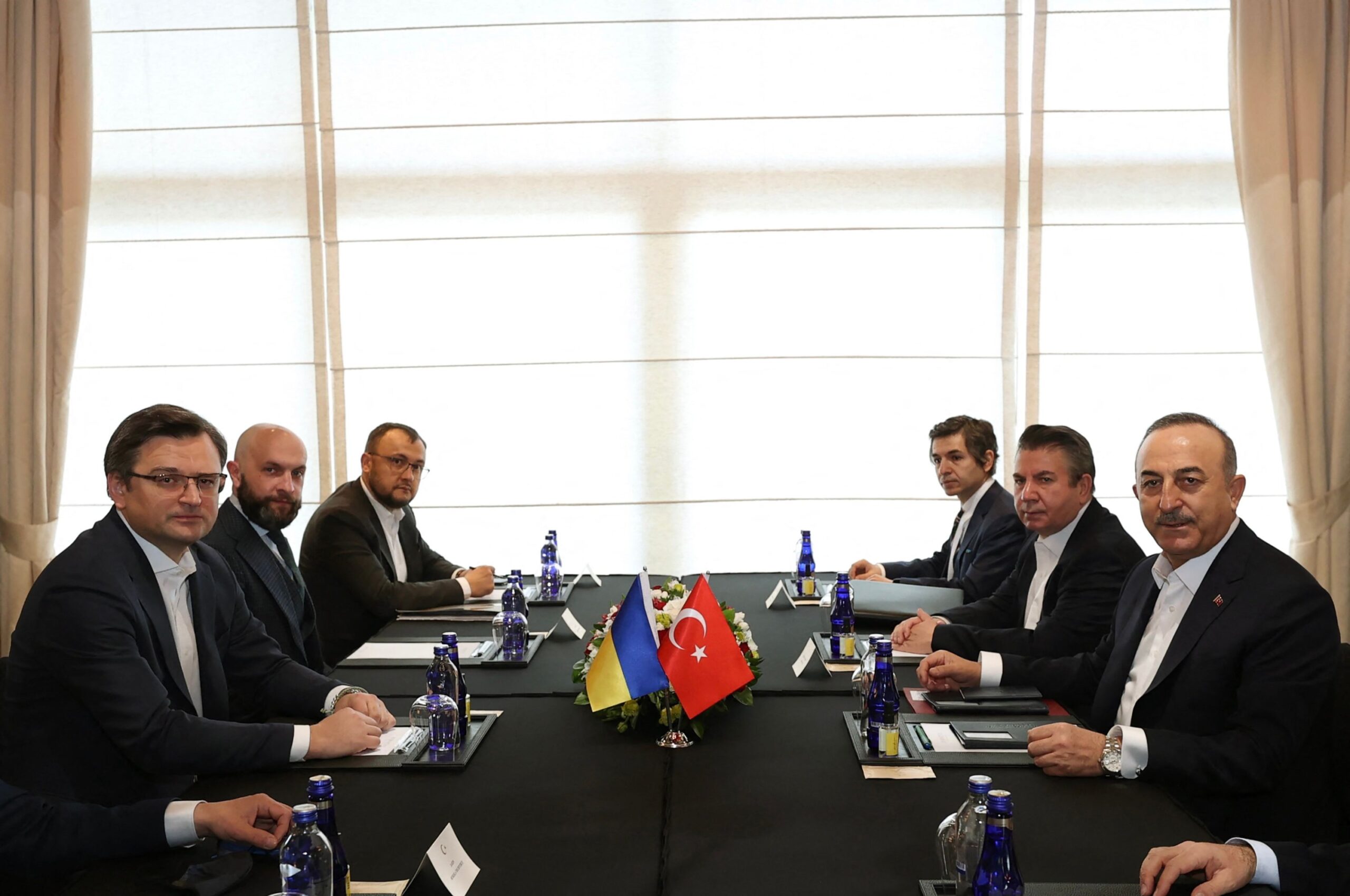
A face-to-face meeting in Turkey between the Foreign Ministers of Ukraine and Russia, Dmytro Kuleba and Sergey Lavrov, failed to produce a breakthrough on ceasefire, but appeared to leave the door open for a potential direct Zelensky-Putin meeting in the future. Meanwhile, various financial support measures of significant size for Ukraine materialized during the week.
We were not surprised by the lack of tangible progress from the Kuleba-Lavrov meeting as the gap between Russia’s demands and Ukraine’s willingness to accommodate them remains quite large. The Kremlin appears to be sticking to a maximalist approach equivalent to Ukraine’s surrender and acceptance of all Russian conditions, while the military situation on the ground, two full weeks into Russia’s aggression, incentivizes the Ukrainian Government and people to keep resisting the invaders.
In that context, we think the next phase of the conflict could be a more forceful attempt by Putin’s forces to take control of Kyiv. Ukraine’s capital is protected by well-armed and extremely motivated defenders, which suggests that a potential “battle for Kyiv” could become protracted and bloody on both sides. Even in the event Kyiv ultimately falls under Russian occupation, maintaining control will be an incredibly challenging task for the Russian forces, pointing to an active insurgency in that scenario until a peace agreement could eventually be reached. President Zelensky indicated in an interview this week that he does not expect “an end to the war” until “direct talks” between him and President Putin take place.
Meanwhile, financial aid from the international community has started to materialize for Ukraine in large proportions. The IMF approved 1.4 billion USD in emergency financing from its Rapid Financing Instrument (RFI) facility this week, which comes in addition to 730 million USD in emergency budget support package from the World Bank. Separately, the U.S. Congress has promptly put forward a support package of close to 14 billion USD, while UK PM Boris Johnson has spoken about a new “Marshall Plan” for Ukraine to help rebuilding the country.
Our expectation is that strong financial support for Ukraine will continue to be forthcoming during and the after the active phase of the military conflict. We note that when thinking about the need for potential sovereign debt relief, investors should weigh the strong international financial support against uncertainties such as how long the conflict will last and the ultimate damage to the country’s human and physical capital, potential loss of territory, and if Ukraine would preserve access to and ability to trade via the Black Sea, a key variable for the medium-term macroeconomic outlook.
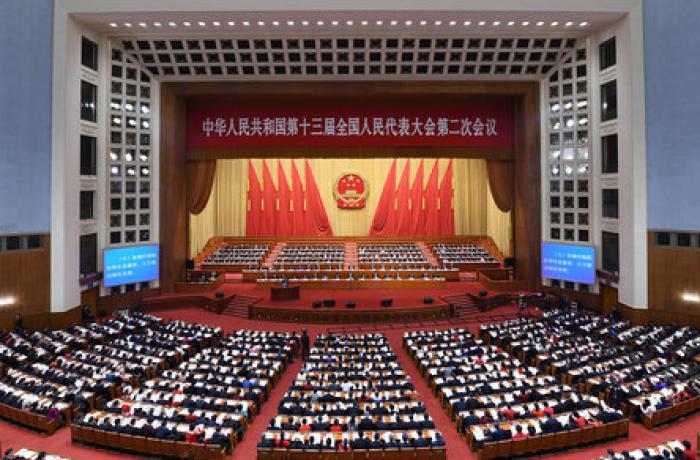
China’s National People’s Congress (NPC) points to supportive policy
China’s Februrary Producer Price Index (PPI) remained elevated with upside risks ahead. China unveiled its 2022 growth target of 5.5% along with a slightly narrower official fiscal deficit of 2.8% of GDP compared to 3.2% of GDP in 2021 although still plans to provide additional unofficial fiscal support worth roughly 1% of GDP via off-balance sheet public infrastructure spending and tax breaks. The general approach to financial and monetary policy is to largely be unchanged with continued incremental support to activity including further loosening of property sector measures at the local level.
While the growth target is seemingly ambitious amid the government’s still official zero-tolerance COVID approach and broader external developments, we expect the authorities to engineer policies in aim to bring activity roughly in line with its target. The lower market consensus and IMF growth forecasts of 5.2% and 4.8%, respectively, may be moved up slightly in context of the official target but with downside risks kept front of mind. February inflation data pointed to benign consumer pressures at 0.9% y/y although with still elevated above-expectation PPI inflation at 8.8%. We envisage a reversal of the moderate improvement witnessed in PPI in late 2021 and early 2022 on the current global commodity price backdrop resuming profit dispersion between up and downstream producers. Pass-through to CPI should remain muted given corporate constraints still leave room for marginal monetary easing.
‘Soviet Metal Exchange’: London Metal Exchange (LME) irks traders by freezing nickel market
President Joe Biden’s administration will soon start a review of the first group of tariffs on more than 300 billion USD in Chinese imports needed to prevent their expiration, a process likely to bring new scrutiny of their effectiveness as inflation runs at a four-decade high.
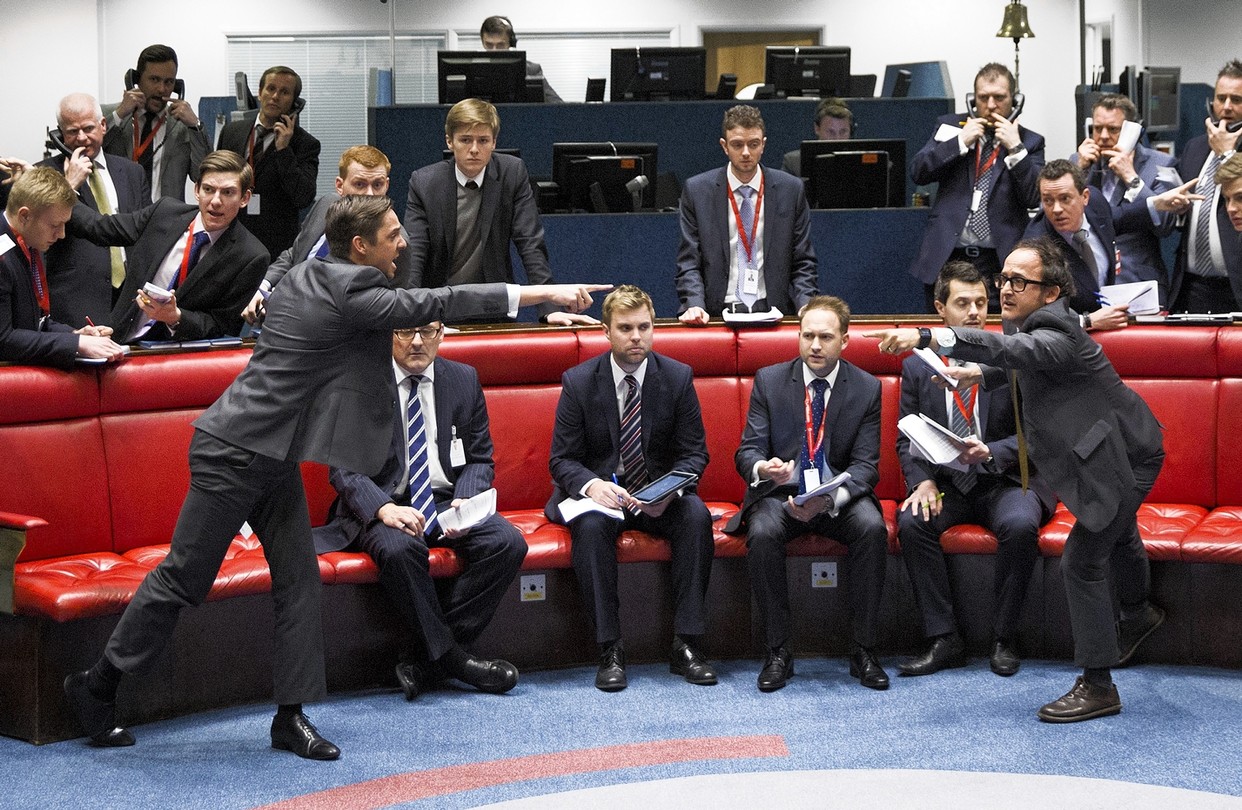
The London Metal Exchange has enraged some of the world’s most influential electronic traders after it shut down its nickel market and unwound thousands of deals in response to a spike in the price of the metal. Months after the 145-year-old exchange upset its traditional users by considering an end to raucous in-person dealing, the LME this week shut down its nickel trading — a market where it sets global benchmarks — in a move last seen in tin in 1985.
The crisis measure came after the metal’s value more than doubled in two days, to a record above 100,000 USD a ton, as a large bet against the nickel price left the tycoon behind Tsingshan Holding Group, China’s leading stainless-steel group, facing billions of dollars in potential losses. But the exchange also cancelled all 5,000 nickel trades that had been executed on Tuesday, worth nearly 4 billion. Mark Thompson, vice-chair of Tungsten West and a longstanding trader on the LME, estimated the exchange had wiped out 1.3 billion of profit and loss on the deals. It was “in the interests of the market as a whole”, the LME said.
The charge of favoritism may be hard to shift. The issue has hit a fault line all too familiar to the LME, between those members who trade on behalf of users wanting to buy the physical commodity for use in manufacturing, and electronic traders, who seek to profit from successful bets on the value and direction of the product. Cancelling trades had been necessary because the size of the short position that had been racked up in rocketing nickel presented a systemic risk, said Matt Chamberlain, LME’s chief executive.
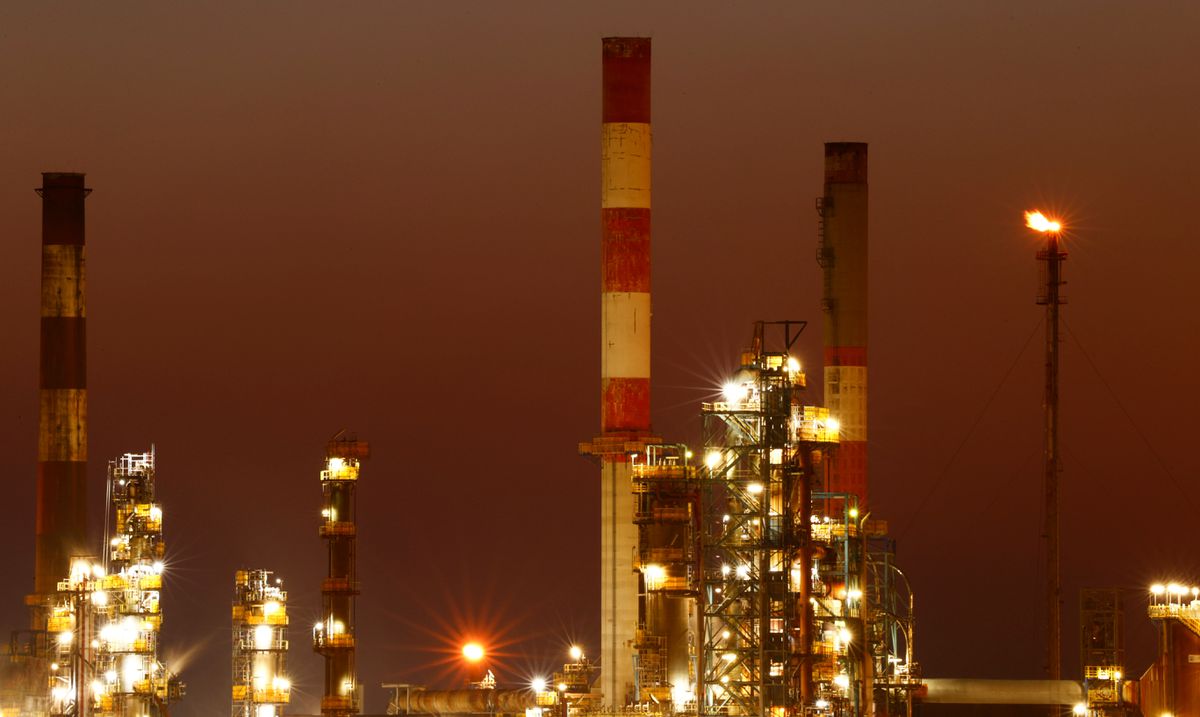
War and sanctions have caused commodities chaos
Global commodity crises tend to cause severe economic damage and political upheaval. The oil shocks of the 1970s left Western economies with runaway inflation and deep recessions. Oil revenues also helped prop up the Soviet Union and fueled the export of Saudi extremism. Soaring grain prices in 2010 and 2011 were a trigger for the street protests that led to the Arab spring and the toppling of dictators.
Today Russia’s invasion of Ukraine is unleashing the biggest commodity shock since 1973, and one of the worst disruptions to wheat supplies since the first world war. Although commodity exchanges are already in chaos, ordinary folk have yet to feel the full effects of rising petrol bills, empty stomachs and political instability. But make no mistake, those things are coming—and dramatically so if sanctions on Russia tighten further, and if Vladimir Putin retaliates. Western governments need to respond to the commodity threat as determinedly as to Mr. Putin’s aggression.
The turmoil unfolding in energy, metals and food markets is broad and savage. Overall indices of commodity prices are now 26% higher than at the start of 2022. The cost of a barrel of Brent crude oil has swung wildly around levels that indicate the biggest supply shock since Saddam Hussein’s army crossed from Iraq into Kuwait in 1990. European gas prices have almost trebled amid panic that pipelines from the east will be blown up or starved of supply. The price of nickel, used in all electric cars among other things, has spiraled so high that trading in London has been halted and Chinese speculators are nursing multi-billion-dollar losses.
Such are the consequences of Mr Putin’s decision to drive his tanks across the breadbasket of Europe, and the subsequent isolation of Russia, one of the world’s biggest commodities exporters. Western sanctions on Russian banks have made lenders, insurers and shipping firms wary of striking deals to carry Russian cargoes, leaving growing piles of unsold industrial metals and an armada of vessels full of unwanted Urals crude. Stigma and danger have caused others to stay away. Shell has abandoned buying Russian crude oil after a backlash. The Black Sea is a no-go zone for commercial shipping because some vessels have been hit by missiles and Russia is menacing Ukrainian ports. Not many seeds will be planted in Ukraine’s blood-soaked fields this spring.
Stay up to date
More Newsletter to Check



SUBSCRIBE TO NEWSLETTER
Subscribe to download our daily economics and business roundup


×
![]()