
Putin, Russia’s president, has not only led Europe into one of its worst conflicts since the second world war

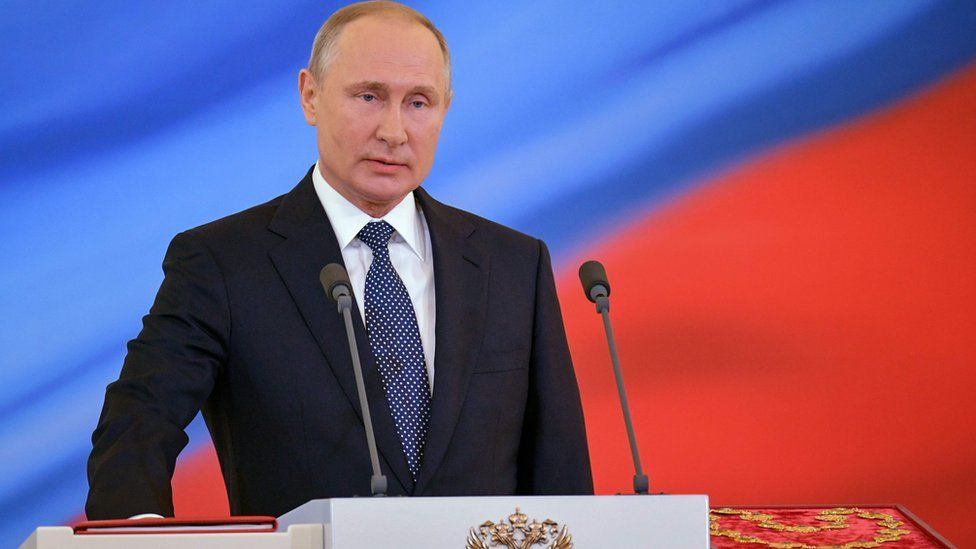
Putin, Russia’s president, has not only led Europe into one of its worst conflicts since the second world war
Putin, Russia’s president, has not only led Europe into one of its worst conflicts since the second world war, but also worsened an unfolding energy crisis. Even before Russian tanks rolled into Ukraine on Thursday, western governments were struggling with rising energy prices that threatened to derail economies emerging from two years of pandemic. Vladimir Putin’s aggression could now turn that threat into a reality.
From crude oil to diesel to natural gas, the fossil fuels that power the global economy are trading at or towards record levels, threatening to redraw geopolitical relations between producers and consumers, drive up inflation and potentially even disrupt the fight against climate change. On Thursday, Brent crude, the international benchmark, almost hit $106 a barrel, its highest price since 2014, as traders digested the news that the world’s second biggest oil exporter had gone to war with a country at the centre of a web of energy export infrastructure. European natural gas prices also spiked this week, reflecting fears that Russia could retaliate by withholding exports accounting for about a third of the continent’s gas needs in retaliation for new sanctions and Germany’s decision to indefinitely suspend certification of the Nord Stream 2 pipeline.
Oil and gas-exporting countries in the Middle East are likely to gain, as they did in the great oil market bull run of 2005-08, which underpinned the Gulf’s economic and construction booms and entrenched the region’s countries. Russia also stands to benefit, as surging oil revenue fills the Kremlin’s reserves and enriches again many of the same oligarchs that are now under western sanctions. Russia’s national wealth fund, worth 32 billion USD in 2008, had a value of 175 billion USD at the start of February, or about 10% of gross domestic product — a useful buffer as western economic sanctions tighten.
In western capitals, the crisis in fossil fuel markets could have been an opportunity for politicians to accelerate their green energy plans. But fears of inflation and energy security anxieties seem instead destined to get more attention over climate policies, including the clean energy revolution promised by US president Joe Biden as he entered the White House last year. With midterm elections looming and his approval ratings sinking, petrol prices are the president’s priority.
Next, the impact of Ukraine crisis on food prices

Next, the impact of Ukraine crisis on food prices. Tensions between Russia and Ukraine are likely to force wheat, corn, and sunflower oil buyers to seek alternative supplies, which will see prices rise. The two countries account for around 30% of global wheat exports, 20% of world corn supplies, and 80% of world sunflower oil exports.
After the military escalation, wheat jumped more than 2%, corn hit a seven-month high, and soybeans also increased in price. Even before these geopolitical tensions, all three key food and feed ingredients have increased around 40% from 2021 lows, lifted by a decline in global production and robust demand. Around 70% of Russian wheat exports went to buyers in the Middle East and Africa in 2021; they are largely neutral but will still be impacted by shipping companies that want to avoid Black Sea waters. A lack of supplies from the Black Sea region could lift demand for bread-making ingredients from the U.S. and Canada, which is good for producers of those items but bad for consumers.
The same may be true for natural gas. Such is Europe’s dependence on Russian imports — which account for about a third of the continent’s gas needs — that European gas futures jumped almost 70% to 142 EUR per megawatt hour after the invasion began. A year ago, they were 16 EUR.
Any disruption of Russian supplies could not easily be fixed. As prices soared last year, liquefied natural gas shipments arrived in Europe from Australia, the US, Qatar and elsewhere. But those export plants are now running flat out. One new American project, Venture Global LNG’s Calcasieu Pass, is due to start exporting in the coming days, with most of its gas heading to Europe, including Poland. But as in the oil market, under-investment in new LNG output capacity in recent years has now left supplies trailing fast-rising demand, especially in Asia.
Policymakers and clean energy advocates were pushing hard on a transition away from gas, but they didn’t think through the implications of scarcity of supply and skyrocketing prices. Europe has also lagged behind Asia in building new terminals to receive more shipments, hindering importers’ ability to secure more LNG if Russian pipeline exports were to be cut. Qatar, another big producer, is also expanding its export capacity. But its new megaprojects won’t be online until around 2026. There is very little flexibility in the supply side.

Moving to the Inflationary pressure
Moving to the Inflationary pressure. The rise in oil and gas prices comes at a difficult time for the global economy. Advanced economies in Europe, North America and Asia have grown much faster than expected since the worst moments in the pandemic, helped by unprecedented government support and vaccine rollouts. Rapid growth, a reconfiguration of spending towards goods and efforts to limit the burning of coal had already raised gas and oil demand in 2021, pushing inflation higher in most advanced economies to levels not seen in more than 30 years and creating the need to slow growth to control price rises. The IMF forecast in January that growth rates in advanced economies would drop from 4% last year to 3.5% during 2022.
Those predictions were based on oil prices declining almost 5% this year and averaging 77 USD a barrel. This week’s sharp rise in oil and gas prices will amplify the already difficult trade-offs between growth and recovery, especially in Europe, which is a significant net importer of oil and gas. This year with oil expectations at 120 USD to 140 USD a barrel, moreover, with corresponding increases in gas prices could raise inflation in advanced economies by a further 2 percentage points — pushing rates in many countries close to 10%.
Fears of higher inflation are leading western leaders into political compromises. The White House has already released stored oil from the US emergency stockpile and has considered possible cuts to federal petrol taxes — efforts to make it cheaper for motorists to burn gasoline that sit awkwardly with Biden’s pledge to lead an American clean energy revolution. In the UK, where petrol prices have hit fresh highs and households face rocketing heating and electricity bills, a government that touted its “green recovery” strategy now calls for more oil and gas drilling. France and Spain have reintroduced fossil fuel subsidies, just three months after pledging at the COP26 climate summit to eradicate them. This simply reflects the political realities of a transition away from fossil fuels led by leaders who must win votes from drivers, in a world where geopolitics can still deliver energy price shocks.
The U.S. is seriously considering whether to seek Russia’s exclusion from the SWIFT financial messaging system
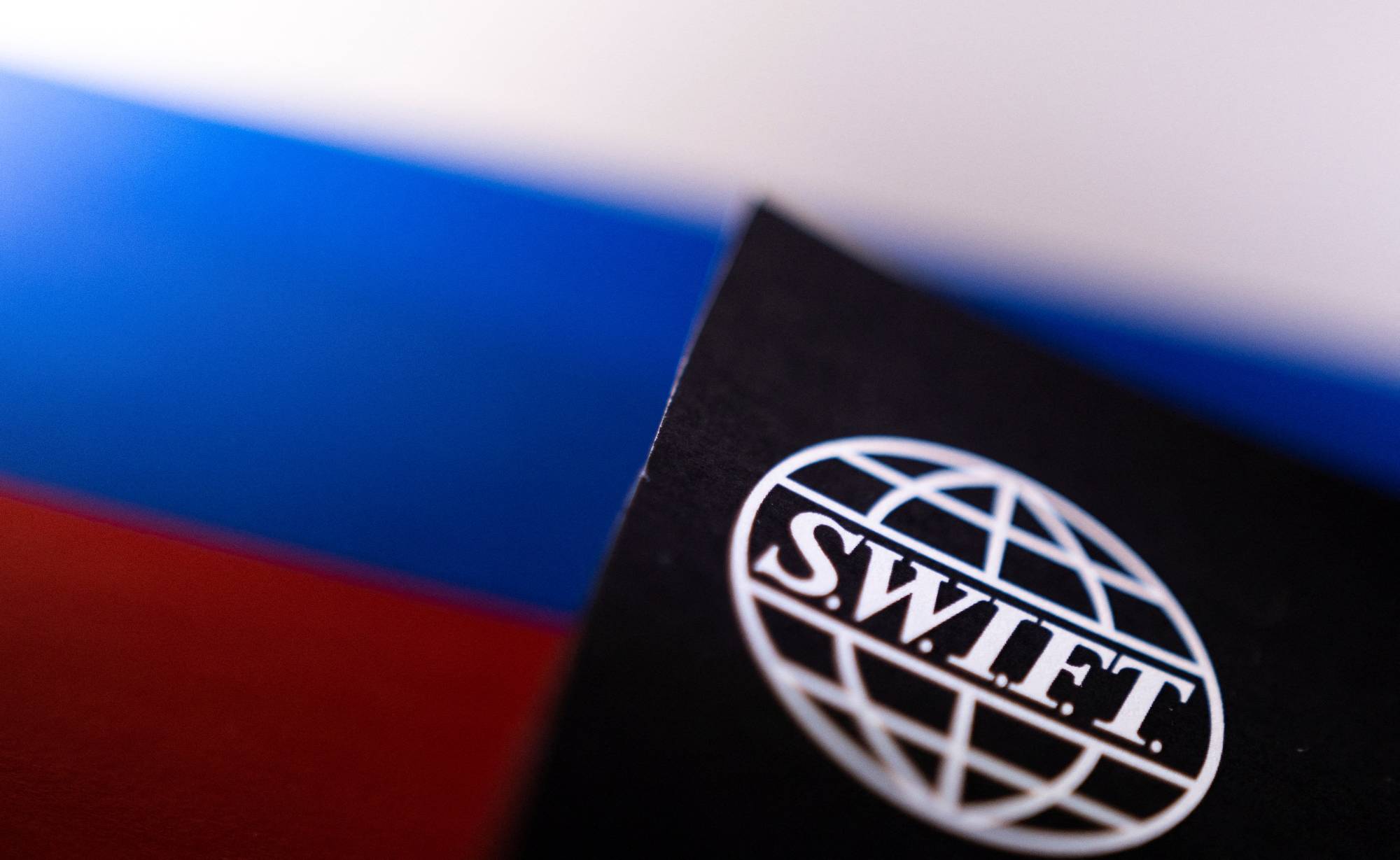
The U.S. is seriously considering whether to seek Russia’s exclusion from the SWIFT financial messaging system over the Ukraine invasion as allies in Europe warm to the idea of imposing a penalty that seemed unlikely just days ago. Biden administration officials are now debating whether to push for a directive from the European Union needed to ban Russia from SWIFT, though a U.S. and EU decision is not imminent. The discussions by the U.S. mark a change in course after President Joe Biden said he was holding off because European allies had voiced concerns over the risk such a move posed to their economies. But as Russian President Vladimir Putin continues a full-scale invasion of Ukraine that’s now advancing on Kyiv, officials in the U.S. and Europe are seeking tougher consequences against Moscow on top of the sanctions they’ve already unveiled.
To date, the U.S. and EU have not removed Russia from the SWIFT international banking system and have not canceled energy contracts. If Europe did cancel all energy contracts with the Russian state, that would be a sign they are willing to endure hardships to get Putin to back down. Predictably, eastern EU nations like Poland and Lithuania are calling for the harshest sanctions on Russia as they have the most to fear from a Ukrainian refugee crisis and other forms of conflict spillover. The more risk-averse nations when it comes to sanctions are those with close economic and trade ties with Russia—like Italy, Austria, and France, which have the most money tied up in Russian banks. Germany is Russia’s largest trading partner aside from China.
Despite the EU’s reluctance to worsen the ongoing energy and inflationary pressures on their economies, it must reconcile that with what inadequate action will do over the long term. There are increasing concerns that the more powerful economy of China will view Western inaction in Ukraine as an invitation to invade Taiwan. States that are weaker than Russia may similarly take their chances to wage smaller wars to increase their power.
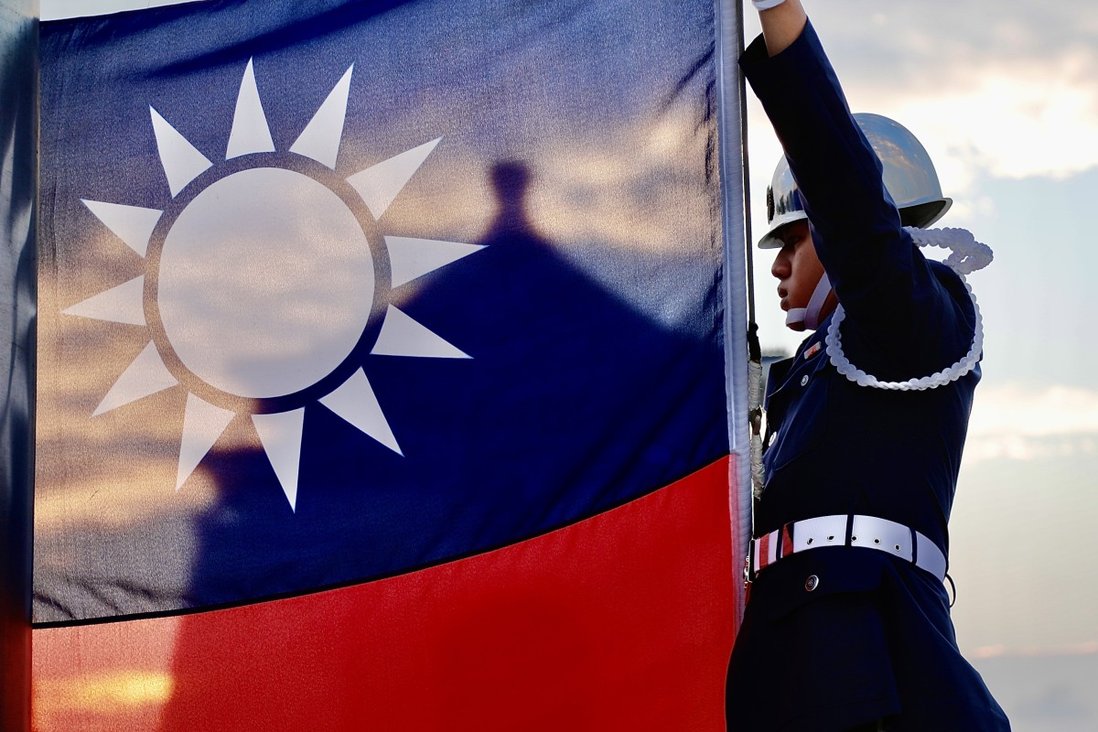
At the end, we need not to forget Taiwan’s critical position right now!
At the end, we need not to forget Taiwan’s critical position right now! Taiwan to hit Russia with sanctions. Taiwan plans to slap sanctions on Russia, with its presidential office condemning Moscow for “violating Ukraine’s sovereignty and damaging regional and global peace and stability.” Taiwan shares similar security concerns with Ukraine because China’s Communist Party sees the island as part of its territory despite never having ruled it and seeks to block its official interactions with other countries.
While there are few signs of widespread unease in Taiwan, markets have been jittery. Some 160 km (100 miles) of sea separate the island from China, a nation of 1.4 billion people whose government has threatened to use military force to stop the leadership in Taipei from moving toward formal independence. That threat is a part of daily life in Taiwan, though officials see the current risk of a Chinese attack as low.
Taiwan's air force scrambled again on Thursday to warn away nine Chinese aircraft that entered its air defence zone, Taiwan's defence ministry said, on the same day that Russia invaded Ukraine, a crisis being watched closely in Taipei. Taiwanese fighters were sent up to warn the Chinese aircraft and air defence missiles were deployed to "monitor the activities", the ministry said, using standard wording for how Taiwan describes its response. Taiwan has been warily watching the Ukraine crisis, nervous that China may try to take advantage to move on the island. While Taipei has not reported any unusual movements by Chinese forces, the government has increased its alert level.
Stay up to date
More Newsletter to Check


SUBSCRIBE TO NEWSLETTER
Subscribe to download our daily economics and business roundup


×
![]()