
The front page of last Thursday’s Wall Street Journal captures well three “top-down themes in play currently

The front page of last Thursday's Wall Street Journal captures well three "top-down themes in play currently
The front page of last Thursday's Wall Street Journal captures well three "top-down themes in play currently: The strength of consumer spending; The move up in interest rates; and Financial market volatility. Their evolution over the next few months will have an important impact on the economy.
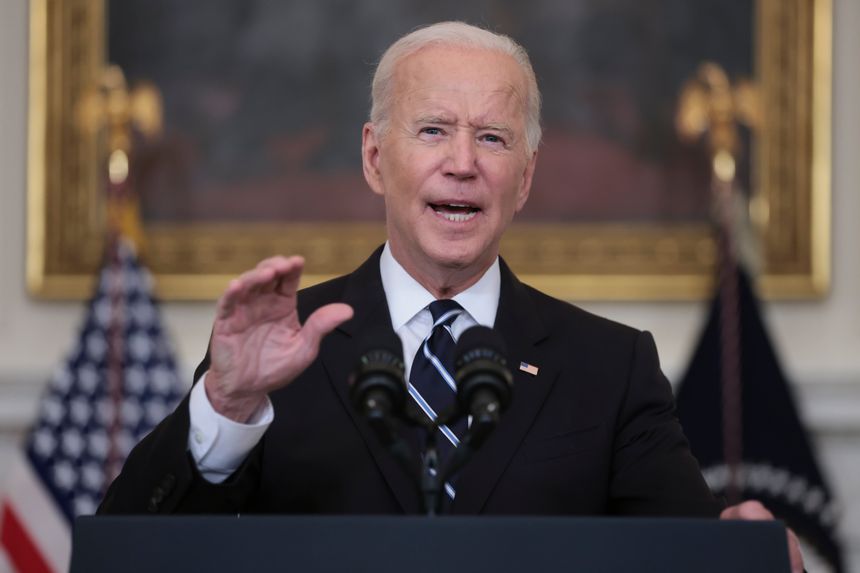
The Dow Jones Industrial Average dropped more than 600 points Thursday, its steepest one-day loss of 2022, as geopolitical tensions and the prospect of tighter monetary policy ahead roiled markets. It was the worst day of the year for the index. President Joe Biden and Secretary of State Antony Blinken believe a Russian invasion of Ukraine could happen in a matter of days. Stocks dropped right at the opening bell in Thursday morning and remained in the red throughout the trading session. The Dow is down more than 1% for the week following Thursday's losses. The S&P 500 fell 2.1% Thursday and the Nasdaq was down 2.9%. Both indexes are now in the red for the week as well.
Investors are nervous about what a military conflict between Russia and Ukraine could mean for oil prices and the global economy, especially if the United States and leading nations in Europe become involved. The VIX, a measure of market volatility, spiked nearly 15% Thursday. The CNN Business Fear & Greed Index, which looks at the VIX and six other gauges of market sentiment, dipped further into Fear territory.
The geopolitical tensions come as investors have already been grappling with high inflation and preparing for the Federal Reserve to raise interest rates this year. These shifts have whipsawed the stock and bond markets for much of the year. We believe that the absolute key factor for this year is going to be inflation and monetary policy.
Next, the Ukraine crisis is entering an acutely dangerous phase or is it all about showing off powers?
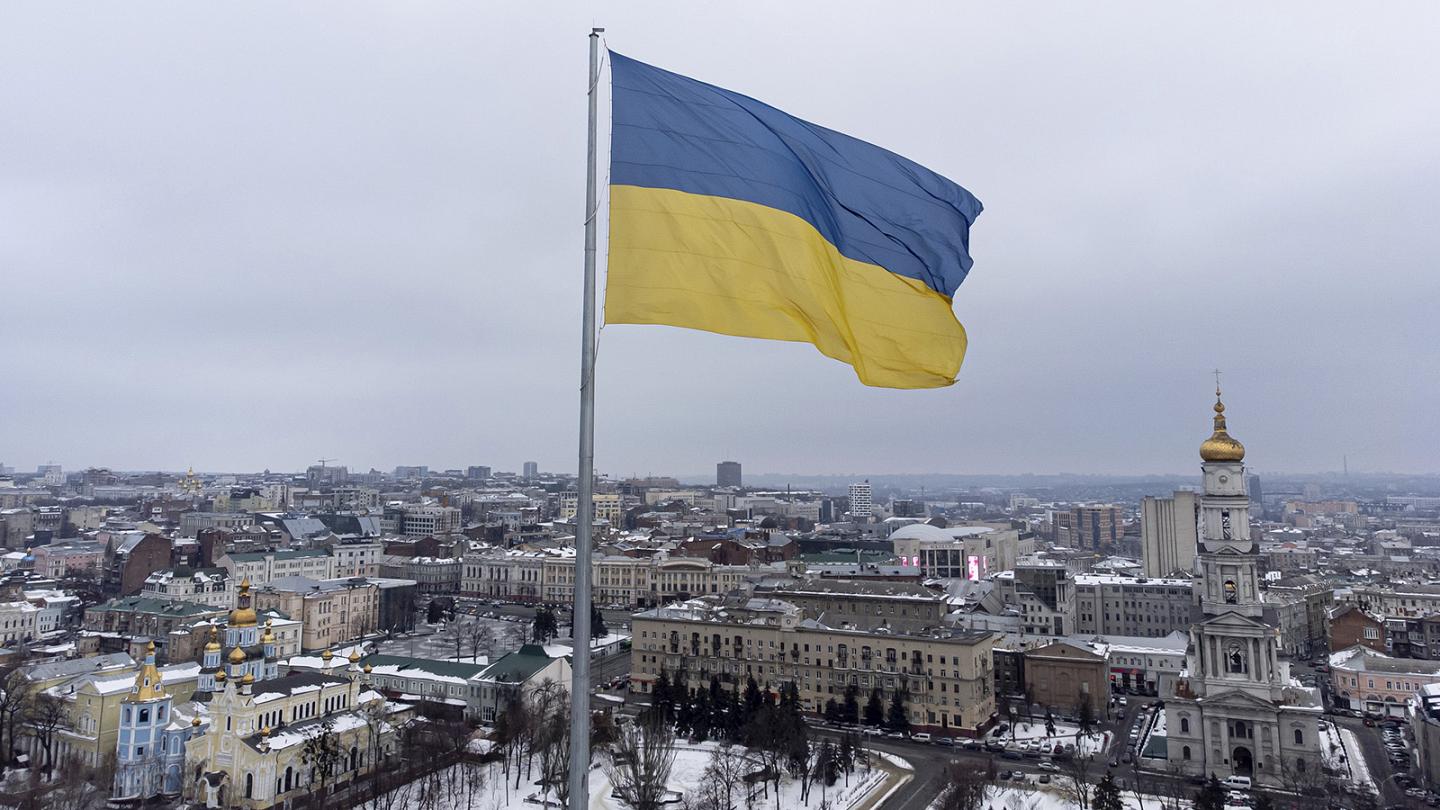
Next, the Ukraine crisis is entering an acutely dangerous phase or is it all about showing off powers? On Saturday Vladimir Putin, Russia’s president, oversees an exercise by Russia’s nuclear forces, featuring the launch of nuclear-capable ballistic and cruise missiles. The “Grom” drill is ostensibly a regular annual event, but coincides with Russia’s build-up and conventional exercises near Ukraine. Grom is, in effect, a warning of nuclear escalation if the West intervenes in Russia’s looming invasion of its neighbour.
America says Russia is still massing forces, with up to 190,000 troops deployed in or near Ukraine. On Friday shelling along the “line of control” between Ukraine and Russian-backed breakaway regions intensified to levels unseen in years. Separatist leaders said they would evacuate their population to Russia. Cyber-attacks on Ukraine have also increased. War might come with a big bang; or it could be a murky deterioration that makes it hard for the West to decide whether and when to impose the “massive” sanctions that have been promised.
In a statement on Saturday, the G7 foreign ministers said: “While we are ready to explore diplomatic solutions to address legitimate security concerns, Russia should be in no doubt that any further military aggression against Ukraine will have massive consequences, including financial and economic sanctions on a wide array of sectoral and individual targets that would impose severe and unprecedented costs on the Russian economy. We will take coordinated restrictive measures in case of such an event.”
On the other hand, the impact of Russia-related tensions has been most obviously felt in the world’s energy markets
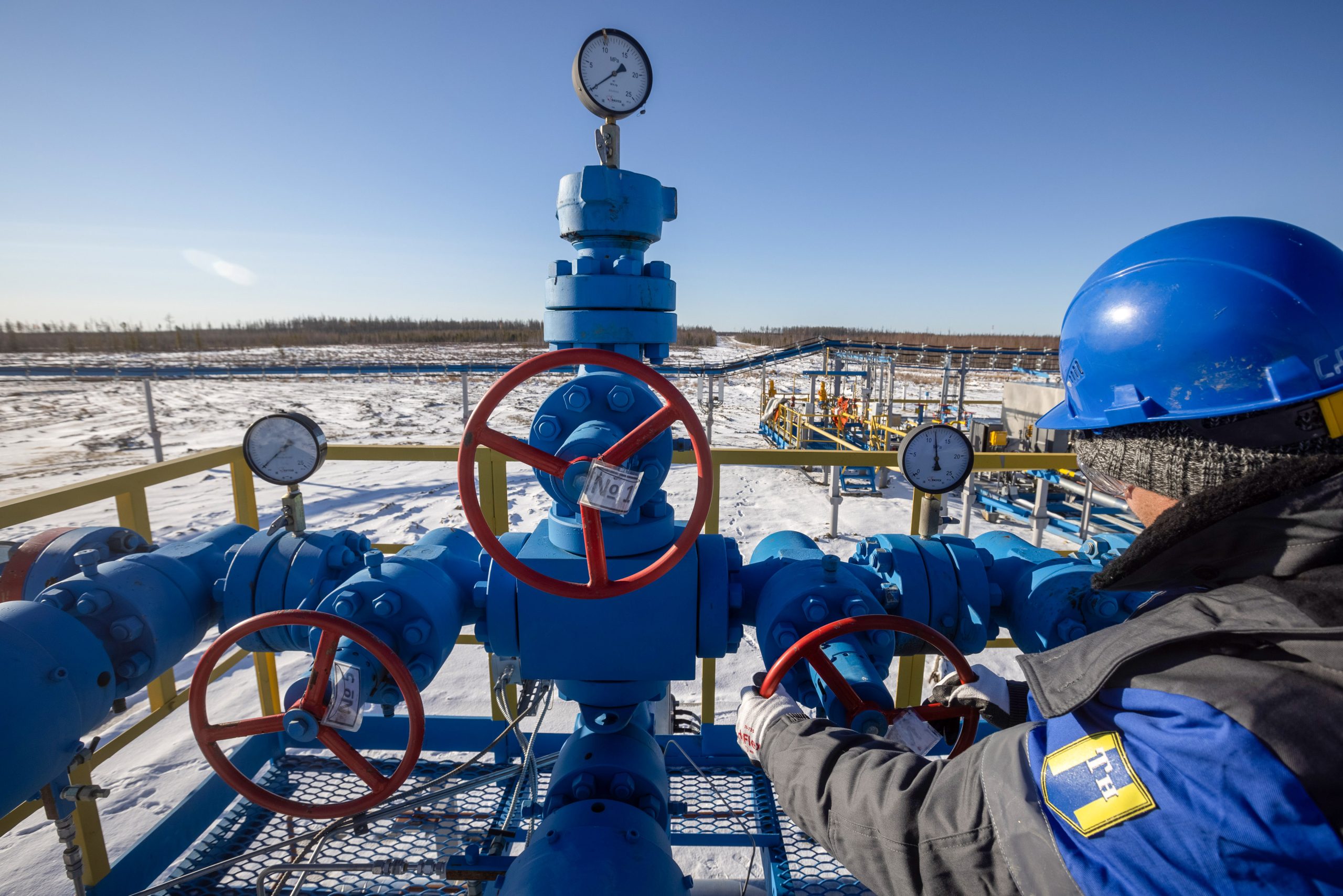
On the other hand, the impact of Russia-related tensions has been most obviously felt in the world’s energy markets, with both Brent and WTI at multi-year highs and with higher gas prices leading to concerns about a cost-of-living crisis in developed and emerging market countries The impact of these higher prices, especially on corporates operating in countries which import these commodities, cannot be understated. Germany fears Russia could retaliate against western sanctions in the event of war with Ukraine by cutting off gas supplies, its finance minister has said, a move that could cripple Europe’s largest economy. Russia had always been a reliable supplier of natural gas to Germany, even at the height of the cold war. But that could change if Russia invaded Ukraine and the west punished Moscow with a huge sanctions package.
Higher fuel costs may impact margins by raising operating costs and may lead to more subdued consumer spending on non-essential goods and services. For oil exporters however, the rise in prices has been seen as positive. Potential sanctions on Russian entities which might follow any invasion have received significant focus. Recently, reports suggest that at least one Russian lender has engaged lobbying help in an attempt to address this possible risk.
There are also concerns about the impact invasion fears may have had on revenues at some companies. Consumers may put off spending decisions and companies’ CAPEX plans may have been delayed. In addition, these tensions have largely shut the Eurobond market to issuers from the region, reducing refinancing options for issuers. Having said that, the declines in bond prices – in several cases by tens of points – may well incentivize issuers to pursue buybacks, though it seems likely that such liability management will only occur once there is clarity about Russia’s intentions (however, it is noteworthy that the Ukraine sovereign has already bought back bonds).
For banks’ subordinated bonds, the rise in yields has led to questions about the likelihood of call options being exercised. Much will depend on Russia’s banking regulator and on each issuer’s capital buffers. Reputational factors may also be considered. Tensions have also impacted companies which are headquartered in other jurisdictions but have exposure to Russia and Ukraine, with reports of companies seeking to limit the impact of potential sanctions on their operations. Over the next few days, effective diplomacy will be crucial for issuers in Russia and Ukraine, and others operating further afield too.
The world economy keeps producing nasty inflation surprises
The world economy keeps producing nasty inflation surprises. In January consumer prices grew by more than expected in America, Britain and the euro zone, and America’s rate of annual producer-price inflation stayed close to 10%. Making matters worse, fears that Russia would invade Ukraine sent the oil price to over $96 a barrel on February 14th, its highest since 2014. On both sides of the Atlantic financial markets have rapidly priced in more monetary tightening in 2022, as some central bankers have begun to worry in public that they face a test of their credibility.
Monetary policymakers are scouring labour markets for signs that high inflation is becoming baked into workers’ wage demands, indicating the start of a wage-price spiral. They are in an awkward spot, because the idea that wages are rising too fast is politically toxic. In America annual wage growth of 5.7% is plainly inconsistent with the Federal Reserve’s 2% inflation target. Yet President Joe Biden is celebrating rising pay while left-wing Democrats blame price rises on corporate greed.
There is plenty of worry elsewhere, too. Britain’s government has said it does not support a call by Andrew Bailey, the governor of the Bank of England, for workers to rein in their pay demands. Christine Lagarde, head of the European Central Bank, says she hopes to see wages rise, even as her colleagues warn of the dangers of excessive pay growth. In the popular imagination workers are often careful first movers in a wage-price spiral, rather than its victims. Rising pay pushes up costs for firms, which then increase prices to protect profits. In part this is based on the experience of the late 1960s and 1970s, when union bosses negotiated above-inflation pay increases for their members.
In fact, high inflation often hurts workers. Over the past year inflation has been higher than wage growth in every g7 country, despite widespread labour shortages. Unions are much less powerful today than they were in the 1970s and scholars typically find that prices lead wages, rather than vice versa. Even in the 1970s many workers suffered from the wage-price spiral. In that decade American wages grew only half as fast as workers’ productivity, just as today wages are yet to catch up with such gains.
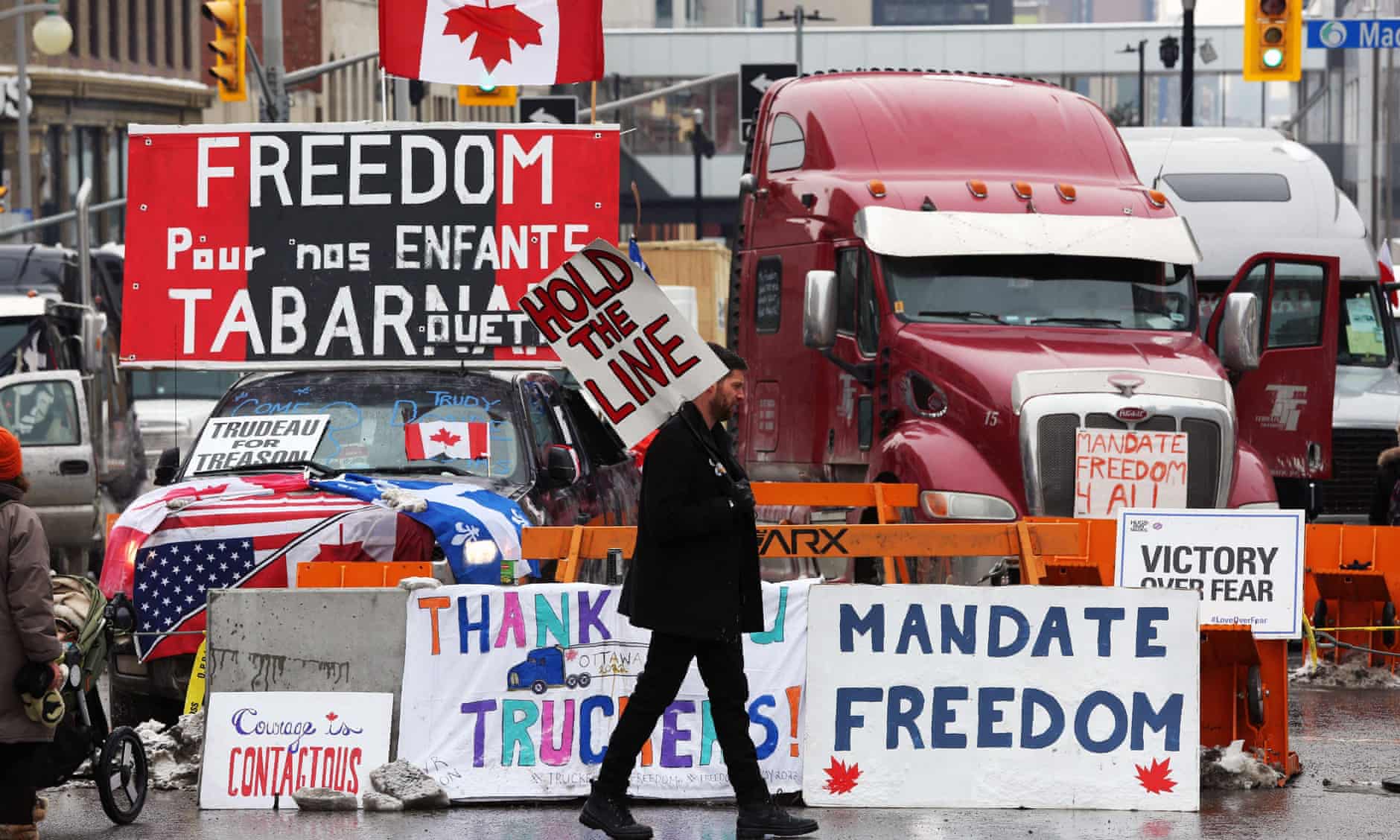
Canada’s reputation for a flawless politeness is taking a knocking
Canada’s reputation for a flawless politeness is taking a knocking. In recent weeks crowds of lorry-drivers and other Canadians protesting against covid-19 restrictions have blocked public highways and camped outside parliament in Ottawa. Many wave posters reading “Fuck Trudeau”, referring to their youthful prime minister, though the curse often appears with a maple leaf as a symbol.
Now in its third week, the “freedom convoy”, which began as a protest against vaccine mandates for lorry-drivers entering from the United States, seems to calm down. But the government is toughening its response. On February 14th Mr Trudeau invoked the Emergencies Act for the first time in the law’s 34-year history. It gives the federal government powers to override other laws, seize authority from provincial and local governments and freeze the bank accounts of protesters without a court order. The day before, after Ontario’s premier, Doug Ford, had declared a state of emergency, police cleared a blockade of the bridge linking Windsor, Ontario with Detroit, the conduit for a quarter of the goods trade between Canada and the United States.
After news broke of Mr Trudeau’s plan to crack down, the truckers seemed unfazed. “We will hold the line,” said Tamara Lich, a fundraiser and convoy spokeswoman, on the afternoon of February 14th. The next day Ottawa’s chief of police resigned. Whatever the future holds for the freedom convoy, it has already shaken Canada and rallied populists of the right in other countries. Donald Trump and Fox News anchors have exalted the protesters. Organisers have raised millions of dollars, a large proportion of it from American donors. Copy-cat convoys have been staged in France and Australia.
Stay up to date
More Newsletter to Check



SUBSCRIBE TO NEWSLETTER
Subscribe to download our daily economics and business roundup


×
![]()