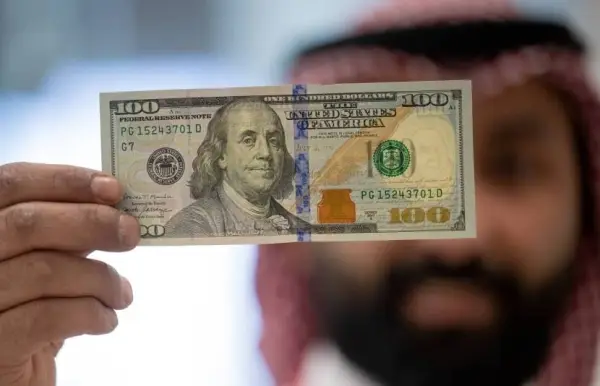


Trade Tensions Shake Early-Week Calm
Markets started the week on a steady note after President Trump announced temporary tariff breaks on consumer electronics and gave auto companies more time to adjust their supply chains. But that calm didn’t last long. By midweek, hopes faded as U.S.-China trade talks made little progress. Tensions escalated again when the U.S. restricted Nvidia from selling chips to China. As a result, U.S. stock markets closed the week with losses: the S&P dropped 1.7%, Nasdaq fell 2.4%, and the Dow Jones slipped 2.4%. At the same time, the Trump administration kicked off trade talks with Japan and had what was described as a positive conversation with Mexico’s President Claudia Sheinbaum. Meanwhile, the World Trade Organization slashed its 2025 global trade growth forecast from 3.0% to a -0.2% contraction—warning that more U.S. tariffs could make things worse. Global growth expectations were also downgraded by 0.6%, now projected at just 2.2%.
Confusion in the U.S. Economy: Mixed Signals & Powell’s Patience
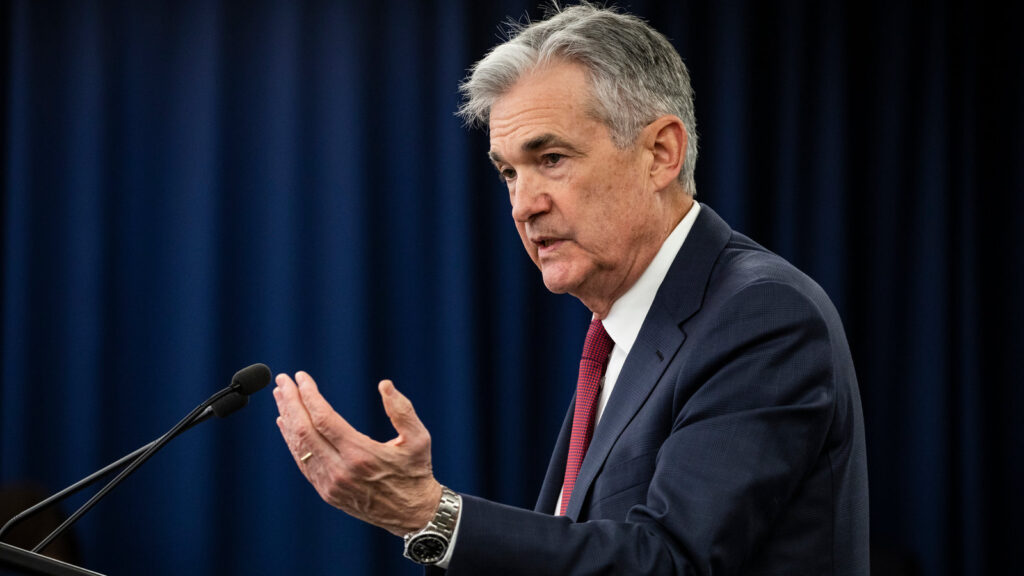
U.S. economic data painted a mixed picture this week. Inflation expectations jumped to 3.58% in March, up from 3.13% in February, according to the New York Fed. But surveys across manufacturing, services, and business sentiment all pointed to ongoing weakness. On the bright side, retail sales beat expectations, rising by 1.4% versus the expected 1.2%, and jobless claims dropped. However, housing starts took a hit—falling 11.5%, more than forecast—though that figure is usually volatile. Big banks posted strong Q1 earnings, thanks mostly to solid trading revenue. With uncertainty ahead, many companies are now using scenario analysis or even pulling their financial forecasts altogether. Fed Chair Jerome Powell made it clear that the central bank isn’t rushing into rate cuts. He dismissed the idea of cutting rates just because of some weak job data or a short-term market wobble. Markets didn’t like his tone—stocks fell, and Treasury yields dropped as investors braced for a potential policy change by mid-year. Meanwhile, Trump criticized Powell’s cautious approach, saying “Powell’s termination cannot come fast enough.” Despite all the noise, the 10-year Treasury yield ended the week near 4.3%.

Global Balancing Act: From ECB Cuts to Turkey’s Shock Hike
In Europe, the ECB cut interest rates by 25bps as expected and left the door open for more cuts. Inflation for March matched forecasts at 2.2%, with the ECB saying it’s on track to hit its 2% goal. In the UK, inflation came in lower than expected, thanks to weaker goods prices and a slight cooling in service sector inflation. China’s economy showed surprising strength. March exports held up despite tariffs, while imports fell short. Credit growth picked up, and data on retail sales, industrial output, and Q1 GDP (up 5.4% YoY) all beat forecasts, likely boosted by earlier policy support and a rush to export before more tariffs kick in. Türkiye surprised markets by raising interest rates by 350bps to 46%, signaling strong resolve to fight inflation and defend the lira. On the geopolitical front, the first round of Iran-U.S. talks ended on a seemingly positive note, though cracks in the U.S. stance and Trump’s frustration appeared later in the week. The next round is scheduled for April 19. Meanwhile, negotiations over the U.S.-Ukraine minerals deal are ongoing. The U.S. is willing to reduce the amount of aid it wants repaid, but Ukraine still refuses to label past aid as debt. Lastly, China’s President Xi made his first international trip of the year to the ASEAN bloc—highlighting the delicate balance countries in the region are trying to strike amid rising U.S.-China tensions.
Argentina Launches Next Phase of Economic Reforms with IMF Backing.

Argentina has unveiled the next stage of its economic reform plan, shortly after the IMF approved a new $20 billion loan program (EFF), with USD 12 bn released immediately. The country has shifted to a managed floating exchange rate within a USD/ARS range of 1,000–1,400, allowing a gradual monthly adjustment of 1%, with flexibility to intervene when needed. Argentina also scrapped the dual exchange rate system for exporters and lifted restrictions on individuals and foreign profit repatriation. The central bank will issue more Bopreales to manage FX imbalances, while continuing with tight monetary policy. The IMF expects Argentina’s net foreign exchange reserves to grow by USD 4 bn in 2025—excluding IMF funds—assuming the country regains market access. Bond markets responded positively, with prices rising near previous highs. The larger-than-expected upfront IMF disbursement and the easing of FX restrictions—while maintaining fiscal discipline—offer a near-term boost to Argentina’s external stability. This marks a meaningful step toward restoring investor confidence, normalizing credit conditions, and paving the way for sustainable growth. Markets will closely watch reserves, inflation trends, June’s first program review, and political developments ahead of the midterm elections.

التوترات التجارية تزعزع الهدوء المؤقت
بدأت الأسواق الأسبوع على استقرار نسبي بعد إعلان الرئيس ترامب عن إعفاءات جمركية مؤقتة على الأجهزة الإلكترونية، ومنح شركات السيارات مهلة أطول لإعادة هيكلة سلاسل التوريد. لكن هذا الهدوء لم يدم طويلاً. فمع منتصف الأسبوع، خابت الآمال بعد إحراز تقدم محدود في المفاوضات بين أميركا والصين. التوتر عاد من جديد بعد أن فرضت الولايات المتحدة قيودًا على مبيعات رقائق “نفيديا” إلى الصين. نتيجة لذلك، أنهت مؤشرات الأسهم الأميركية الأسبوع بخسائر: S&P تراجع 1.7%، ناسداك 2.4%، وداو جونز 2.4%. في الوقت نفسه، بدأت إدارة ترامب مفاوضات تجارية مع اليابان، كما أجرت محادثات وُصفت بالبناءة مع رئيسة المكسيك كلوديا شاينباوم. وفي تطور آخر، خفضت منظمة التجارة العالمية توقعاتها لنمو حجم التجارة العالمية في 2025 من 3.0% إلى انكماش بنسبة 0.2%، محذرة من أن إعادة فرض التعريفات الأميركية قد يفاقم الوضع. كما تم خفض توقعات النمو الاقتصادي العالمي بمقدار 0.6 نقطة مئوية لتصل إلى 2.2%.
ارتباك في الاقتصاد الأميركي: مؤشرات متضاربة و”باول” يتمهّل
شهدت المؤشرات الاقتصادية الأميركية هذا الأسبوع إشارات متباينة. توقّعات التضخم ارتفعت إلى 3.58% في مارس مقابل 3.13% في فبراير، بحسب بنك الاحتياطي الفيدرالي في نيويورك. في المقابل، أظهرت استطلاعات التصنيع والخدمات وثقة الأعمال استمرار التراجع. على الجانب الإيجابي، ارتفعت مبيعات التجزئة بنسبة 1.4%، متجاوزة التوقعات البالغة 1.2%، وانخفضت طلبات إعانة البطالة. لكن بدايات بناء المنازل تراجعت بنسبة 11.5%، وهي نسبة أعلى من المتوقع، رغم أن هذا المؤشر عادةً ما يشهد تقلبات كبيرة. أما البنوك الكبرى فقد أعلنت عن أرباح قوية في الربع الأول، مدفوعة بشكل رئيسي بأداء قوي في أنشطة التداول. مع استمرار الضبابية، بدأت الشركات في استخدام سيناريوهات متعددة لتوقّع أدائها، أو حتى سحب التوقعات بالكامل. رئيس الفيدرالي جيروم باول أكّد أن خفض الفائدة ليس وشيكًا، وتبنّى سياسة “ننتظر ونرى”. رفض فكرة خفض الفائدة بسبب ضعف مؤقت في سوق العمل أو اضطراب مؤقت في السوق. رد فعل الأسواق كان سلبيًا؛ حيث تراجعت الأسهم وارتفعت السندات وسط ترقّب لتحوّل محتمل في السياسة بحلول منتصف العام. أما الرئيس ترامب فهاجم باول بسبب ما وصفه بالتباطؤ”، وقال إن “إقالة باول لا يمكن أن تأتي بسرعة كافية”. ورغم التوتر، أنهى عائد سندات الخزانة الأميركية لأجل 10 سنوات الأسبوع بالقرب من 4.3%.
التوازن العالمي: من خفض الفائدة في أوروبا إلى الرفع المفاجئ في تركيا
في أوروبا، خفّض البنك المركزي الأوروبي أسعار الفائدة بمقدار 25 نقطة أساس كما كان متوقعًا، وألمح إلى إمكانية مزيد من الخفض. التضخم في مارس جاء مطابقًا للتوقعات عند 2.2%، وأكد البنك أنه على المسار الصحيح نحو تحقيق هدف 2%. أما في المملكة المتحدة، فقد جاءت بيانات التضخم أقل من التوقعات، نتيجة انخفاض أسعار السلع وتراجع نسبي في تضخم الخدمات. في الصين، أظهرت البيانات الاقتصادية قوة غير متوقعة. الصادرات في مارس صمدت رغم بداية تطبيق الرسوم الجمركية، بينما خيّبت الواردات التوقعات. وتسارع نمو الائتمان، وسجلت مبيعات التجزئة، والإنتاج الصناعي، والناتج المحلي الإجمالي للربع الأول (5.4% على أساس سنوي) نتائج أفضل من التقديرات، بدعم من السياسات التحفيزية السابقة وتسريع عمليات التصدير قبل موجة رسوم جديدة محتملة. تركيا فاجأت الأسواق برفع سعر الفائدة 350 نقطة أساس إلى 46%، ما يعكس تصميم السلطات على كبح التضخم ودعم الليرة. وعلى صعيد السياسة الدولية، اختُتمت الجولة الأولى من المحادثات الأميركية-الإيرانية بمؤشرات إيجابية، لكن لاحقًا ظهرت تناقضات في الموقف الأميركي مع انزعاج ترامب من بطء العملية. الجولة القادمة مقررة في 19 أبريل. أما مفاوضات صفقة المعادن بين أميركا وأوكرانيا فما تزال مستمرة، حيث أبدت واشنطن استعدادها لتقليل المبالغ المطلوب سدادها، بينما ترفض كييف اعتبار المساعدات السابقة كديون. وأخيرًا، أجرى الرئيس الصيني شي جين بينغ أول زيارة خارجية له هذا العام إلى دول رابطة آسيان، في خطوة تعكس مدى صعوبة توازن تلك الدول بين أميركا والصين وسط تصاعد التوترات
الأرجنتين تُطلق مرحلة جديدة من الإصلاحات بدعم قوي من صندوق النقد
أعلنت الأرجنتين عن مرحلة جديدة من خطتها الاقتصادية، بعد موافقة صندوق النقد الدولي على برنامج تمويل جديد بقيمة 20 مليار دولار، تم صرف 12 مليار دولار منه فورًا. انتقلت البلاد إلى نظام تعويم مُدار للعملة، ضمن نطاق بين 1000 و1400 بيزو مقابل الدولار، مع تعديل شهري تدريجي بنسبة 1%، مع إمكانية تدخل البنك المركزي خارج هذا النطاق عند الحاجة. كما ألغت الحكومة نظام أسعار الصرف المتعددة للمصدرين ورفعت القيود على الأفراد وتحويل الأرباح إلى الخارج. ويعتزم البنك المركزي إصدار أدوات جديدة من “Bopreales” للسيطرة على سوق العملات، مع الإبقاء على سياسة نقدية صارمة. يتوقع صندوق النقد أن ترتفع احتياطيات النقد الأجنبي بنحو 4 مليارات دولار خلال 2025 (باستثناء تمويل الصندوق)، في حال استعادت الأرجنتين قدرتها على الدخول إلى الأسواق. وأسواق السندات رحبت بالخبر، حيث ارتفعت الأسعار قرب مستوياتها السابقة. الدفعة الكبيرة من التمويل، وتخفيف القيود على سوق العملات، مع الالتزام بالانضباط المالي، تمنح الاقتصاد دفعة إيجابية على المدى القصير، وتُعد خطوة مهمة نحو استعادة الثقة، وتحسين بيئة الاستثمار، والوصول لنمو أكثر استدامة. الأسواق ستراقب عن كثب خلال الفترة القادمة: تطورات الاحتياطي النقدي، مراجعة البرنامج في يونيو، معدلات التضخم، والانتخابات المحلية تمهيدًا للانتخابات النصفية
Stay up to date
More Newsletter to Check


SUBSCRIBE TO NEWSLETTER
Subscribe to download our daily economics and business roundup


×
![]()