GE: Markets in Flux: Tariffs, Political Shocks, and Central Bank Surprises

Markets in Flux: Tariffs, Political Shocks, and Central Bank Surprises.
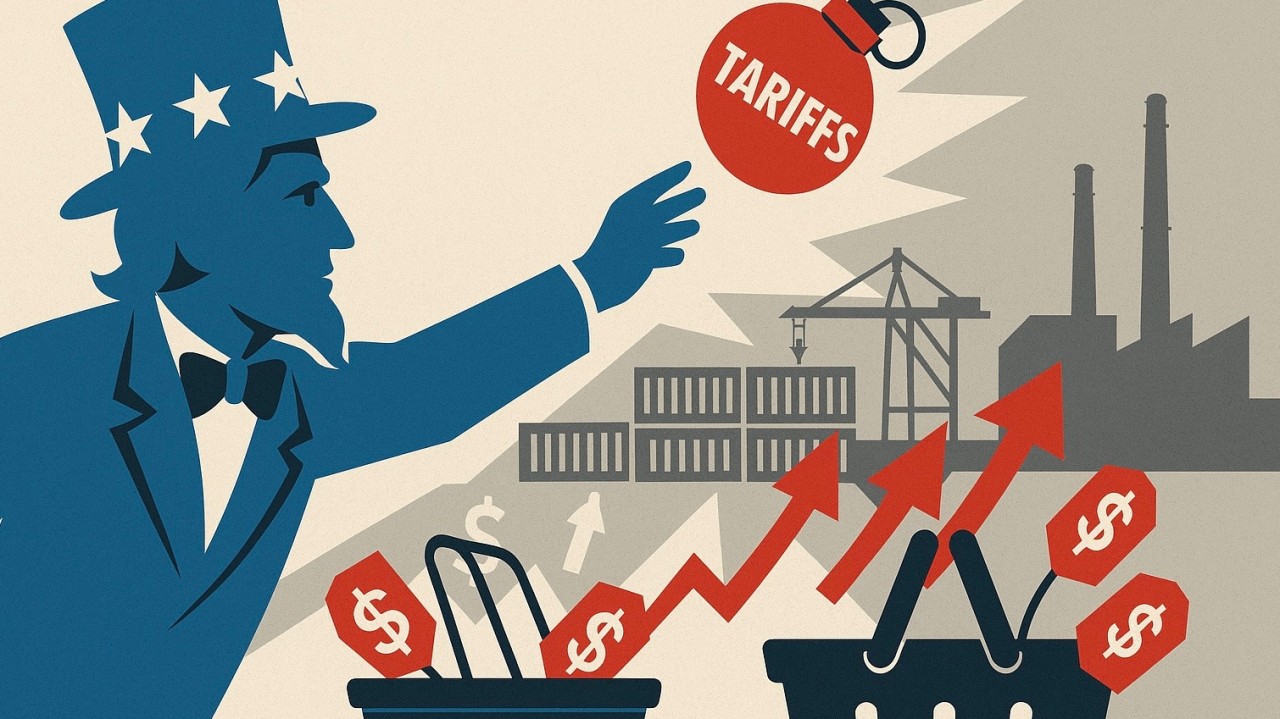
Markets ended the week on a volatile note as policy-driven developments triggered a sharp selloff on Friday, erasing earlier gains. Oil prices tumbled, bond yields fell, and the dollar weakened after President Trump announced plans to impose “massive tariffs” on China—a threat later clarified as a 100% tariff to take effect by early November. Investor sentiment was further rattled by news that the U.S. administration had begun implementing its earlier warning to dismiss some federal employees, undermining hopes that the ongoing government shutdown would be largely ignored by markets. Policy turmoil was not limited to the U.S. In France, the resignation of the prime minister unsettled bond markets, while in Japan, concerns mounted over the new prime minister’s weakening political support and his ability to advance the country’s economic agenda, pressuring the yen. In Europe, data releases reinforced the region’s sluggish economic outlook, with Germany’s industrial production posting its steepest decline since 2022 . Central bank developments also drew attention. The Federal Reserve’s latest meeting minutes revealed deeper divisions among policymakers regarding both the economic outlook and future rate decisions. In contrast, the Reserve Bank of New Zealand surprised with a larger-than-expected 50 basis-point rate cut, while Thailand’s central bank held rates steady against market expectations. In emerging markets, attention centered on U.S. support for Argentina ahead of its elections, as officials sought to stabilize the peso and bond markets. Treasury Secretary Bessent issued a series of supportive statements alongside U.S. purchases of Argentine pesos, coinciding with the finalization of a $20 billion swap deal. In digital assets, cryptocurrencies faced heavy losses, with Bitcoin down 17% and Ethereum falling 27%, while gold managed a modest gain. Other notable developments included a short squeeze in silver, mounting stress in U.S. leveraged loans, and growing debate over whether the AI sector is forming a “rational bubble”.
Geo-Economics in Focus: Markets Brace for Policy and Political Crosswinds
“Geo-economics” will continue to dominate the global narrative this week, as both geopolitics and domestic politics heavily influence economic policies and outcomes. In the United States, attention remains divided between the evolution of trade tensions with China and the ongoing government shutdown. In Europe, the spotlight is on France and Japan, where newly appointed prime ministers—reappointed in the case of Lecornu in Paris—face the challenge of rallying sufficient political support to advance their agendas. Meanwhile, in Argentina, markets are testing the extent of U.S. backing for the Milei government ahead of elections, amid reports that repeated currency interventions have drained a significant portion of the country’s foreign exchange reserves. With the U.S. government shutdown halting most official data releases—and delaying the CPI report until October 24—the focus will shift to private and Federal Reserve indicators. Key releases include the NFIB small business sentiment index, the Philadelphia Fed’s business outlook, and housing market data. In the U.K., economic updates will provide insights into inflation and growth trends, through the latest average earnings, monthly GDP, industrial production, and services data. Germany’s ZEW survey will shed light on both current conditions and forward-looking expectations, alongside the broader Eurozone economic sentiment survey. Finally, China will release its trade data, offering clues on the effects of U.S. tariffs—including trade diversion trends—along with figures on foreign direct investment and producer prices.

Gold bubble should prompt central banks to sell the metal
Gold’s historic allure continues to challenge economic logic. Despite repeated skepticism about its intrinsic worth, the metal’s price has soared, surpassing $4,000 per ounce after a more than 50% surge this year. Gold is often compared with Bitcoin as a hedge against the erosion of fiat currencies. Both assets share extreme volatility: while Bitcoin has seen astronomical gains since 2009, it has also suffered deeper losses than gold. Gold’s steepest decline in this century, around 44%, is mild compared to Bitcoin’s 74% drop between 2021 and 2022 . Although Bitcoin is capped at 21 million units, it can be easily replicated through new cryptocurrencies, whereas gold’s physical stock is limited. Yet, gold’s practical use as a medium of payment remains minimal compared with digital currencies or central bank–issued stablecoins. By the end of 2024, the total above-ground stock of gold reached about 216,000 tonnes. Nearly half of that (45%) was held as jewelry—often considered investment rather than consumption. Coins, bars, and ETFs made up 22%, while central banks held 17%. The remainder was used in technology and other applications. Even with growing use in electronics and dentistry, the fundamental value of gold appears small relative to its extraction and storage costs. With all-in production costs estimated at roughly $1,500 per tonne, and annual output near 5,000 tonnes, the resource expenditure is enormous. Economically, the most rational strategy might be to leave gold unmined, rather than extracting it only to store it again in vaults. Digital trading has reduced the cost of using gold as a store of value, and blockchain could further enhance its liquidity. Still, physical gold remains expensive to extract and safeguard. Central banks’ renewed appetite for gold—buying over 1,000 tonnes annually since 2022—raises questions about policy prudence. Gold now accounts for roughly 20% of global central bank reserves, surpassing euro holdings. But relying on a single, non-productive commodity with negligible intrinsic value exposes balance sheets to risk. In conclusion, neither individuals nor institutions should treat gold as a guaranteed store of value. For investors, it remains a speculative asset—one that could as easily lose value as gain it. For central banks, prudence suggests reducing holdings rather than expanding them.
Trade War Reloaded: Beijing Hits Back at Trump’s Tariff Offensive
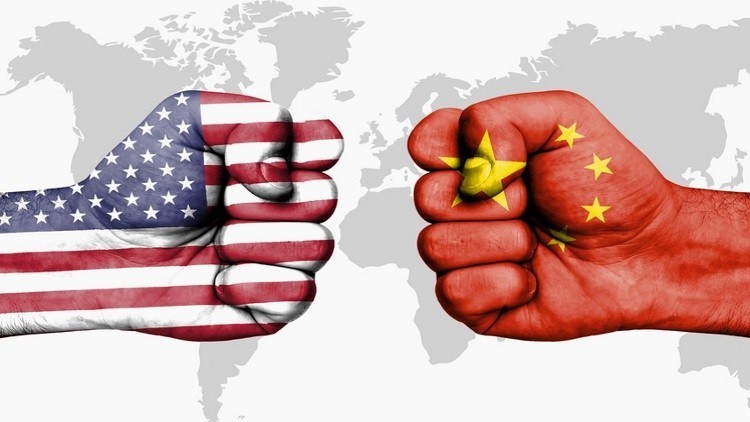
China has accused the U.S. of reigniting the trade war after Donald Trump announced plans to impose 100% tariffs on Chinese exports and sweeping export controls. Beijing condemned the move as reckless and warned of firm countermeasures, saying Washington had “abused export controls and overstretched national security”. The tensions mark the sharpest escalation since the two countries’ truce in May. Trump’s latest measures—targeting nearly all Chinese-made goods and critical technologies—are set to take effect by November 1 . In response, China tightened restrictions on rare earth exports, opened an antitrust probe into Qualcomm, and imposed new port fees on U.S. ships. Beijing say China aims to pressure Washington ahead of a possible Trump-Xi meeting, while shifting trade ties toward Global South markets. Despite U.S. leverage in trade, experts note that America’s deep corporate presence in China could leave its own firms—like Apple and Tesla—most exposed if the conflict spirals further.

Turkey’s Golden Dilemma: A $500 Billion Hoard Fuels Inflation Pressures
Turkey’s vast private gold holdings—worth an estimated $500 billion—are complicating efforts to curb inflation. As gold prices surge past $4,000 an ounce, Turks holding “under-the-mattress” bullion are feeling richer, triggering a $100 billion wealth effect that’s fueling spending on homes, cars, and consumer goods. Analysts warn that this surge in consumption is slowing disinflation, even as the central bank battles persistent price pressures from education and rent costs. Governor Fatih Karahan told lawmakers that Turkey’s deep-rooted reliance on gold, born from past inflationary trauma, now risks undermining monetary tightening. With inflation running above 33% and forecasts suggesting it could stay above 30% into year-end, the central bank faces a paradox: the very metal Turks trust for protection against inflation is now helping to keep it alive.

الأسواق في حالة تقلب: الرسوم الجمركية والصدمات السياسية ومفاجآت البنوك المركزية
أنهت الأسواق العالمية أسبوعها على تقلبات حادة بعدما أدت التطورات السياسية إلى موجة بيع مفاجئة يوم الجمعة، ألغت مكاسب الأسبوع السابقة. فقد هبطت أسعار النفط وتراجعت عوائد السندات الحكومية وضعف الدولار، بعد إعلان الرئيس الأميركي دونالد ترامب استعداده لفرض “تعريفات جمركية ضخمة” على الصين، وهي تهديدات تبيّن لاحقاً أنها تعني رسوماً بنسبة 100% من المقرر تنفيذها بحلول مطلع نوفمبر. وزادت الأوضاع اضطراباً بعد أن أعلنت الإدارة الأميركية بدء تنفيذ تهديدها بفصل عدد من الموظفين الفيدراليين، ما بدّد الاعتقاد السائد في الأسواق بإمكانية “تجاهل” آثار الإغلاق الحكومي المستمر. ولم تقتصر حالة عدم الاستقرار السياسي على الولايات المتحدة؛ ففي فرنسا، هزّت استقالة رئيس الوزراء سوق السندات، بينما في اليابان، أثار ضعف الدعم السياسي لرئيس الوزراء الجديد شكوكاً حول قدرته على تنفيذ برنامجه الاقتصادي، مما ضغط على الين الياباني. أما في أوروبا، فقد واصلت البيانات الاقتصادية الإشارة إلى حالة ركود ممتدة، حيث سجّل الإنتاج الصناعي في ألمانيا أكبر تراجع له منذ عام 2022. وعلى صعيد البنوك المركزية، أظهرت محاضر الاجتماع الأخير للاحتياطي الفيدرالي الأميركي انقساماً أوسع بين الأعضاء حول التوقعات الاقتصادية ومسار السياسة النقدية. في المقابل، فاجأ البنك المركزي النيوزيلندي الأسواق بخفض الفائدة بمقدار 50 نقطة أساس، بينما أبقى بنك تايلاند المركزي أسعار الفائدة دون تغيير، خلافاً للتوقعات. وفي الأسواق الناشئة، ركّزت الأنظار على الدعم الأميركي للأرجنتين في محاولة لتهدئة أسواق الصرف والسندات قبل الانتخابات المقبلة. فقد أدلى وزير الخزانة الأميركي بيسنت بعدة تصريحات داعمة، تزامنت مع شراء الحكومة الأميركية للبيزو الأرجنتيني، ومع الانتهاء من إعداد اتفاق تبادل بقيمة 20 مليار دولار. أما في أسواق الأصول الرقمية، فقد تكبدت العملات المشفّرة خسائر حادة، حيث تراجع “بتكوين” بنسبة 17% و”إيثريوم” بنسبة 27%، بينما حقق الذهب مكاسب طفيفة. وشهدت الأسواق أيضاً ضغطاً على قطاع القروض المرفوعة في الولايات المتحدة، وعمليات ضغط شراء في الفضة، إلى جانب تصاعد النقاش حول ما إذا كان قطاع الذكاء الاصطناعي يعيش “فقاعة عقلانية”.
الاقتصاد الجيوسياسي في دائرة الضوء: الأسواق تترقّب تقاطعات السياسة والاقتصاد
يبقى مفهوم “الاقتصاد الجيوسياسي” في صدارة المشهد هذا الأسبوع، مع استمرار تداخل العوامل السياسية الداخلية والدولية في تشكيل السياسات الاقتصادية ونتائجها حول العالم. في الولايات المتحدة، يتركّز الاهتمام على تطورات التوتر التجاري مع الصين من جهة، واستمرار الإغلاق الحكومي من جهة أخرى. أما في أوروبا وآسيا، فتتجه الأنظار إلى فرنسا واليابان، حيث يسعى رئيسا الوزراء الجديدان — والمُعاد تعيينه في حالة ليكورنو في باريس — إلى حشد الدعم السياسي اللازم لتنفيذ برامجهما. وفي الأرجنتين، تختبر الأسواق مدى استعداد الولايات المتحدة لدعم حكومة ميلي مع اقتراب الانتخابات، في وقت تشير التقارير إلى أن التدخلات المتكررة في سوق الصرف استنزفت جزءاً كبيراً من احتياطيات النقد الأجنبي. ومع توقف معظم البيانات الرسمية الأميركية بسبب الإغلاق الحكومي، وتأجيل صدور تقرير التضخم (CPI) حتى 24 أكتوبر، سيتحوّل التركيز إلى مؤشرات القطاع الخاص والبنك الاحتياطي الفيدرالي، بما في ذلك مؤشر ثقة المشروعات الصغيرة (NFIB) وتوقعات الأعمال من فيلادلفيا فيد وبيانات سوق الإسكان. في المملكة المتحدة، ستسلّط البيانات المرتقبة الضوء على اتجاهات التضخم والنشاط الاقتصادي من خلال أرقام الأجور ومتوسط الدخل الشهري، والناتج المحلي الإجمالي، والإنتاج الصناعي، وقطاع الخدمات. أما في ألمانيا، فسيكشف مسح ZEW عن تقييمات الأوضاع الحالية وتوقعات الاقتصاد، إلى جانب استطلاع الثقة الاقتصادي لمنطقة اليورو ككل. وفي الصين، ستصدر بيانات التجارة الخارجية التي ستعكس تأثير الرسوم الأميركية — بما في ذلك تحولات مسار التجارة — إلى جانب أرقام الاستثمار الأجنبي المباشر وأسعار الجملة.
مفارقة الذهب: أصلٌ عمره ستة آلاف عام ما زال يتحدّى منطق الأسواق
واصل الذهب تحدي المنطق الاقتصادي، رغم الشكوك المتكررة حول قيمته الجوهرية. فبعد ارتفاعات حادة تجاوزت 50% منذ بداية العام، تجاوز سعر الأونصة حاجز 4,000 دولار، في انعكاس جديد لقوة جاذبية هذا المعدن النفيس عبر العصور. غالباً ما يُقارن الذهب بعملة «البيتكوين» باعتبارهما ملاذين ضد تدهور العملات الورقية. كلاهما يتسم بتقلبات حادة؛ إذ شهدت البيتكوين مكاسب مذهلة منذ عام 2009، لكنها أيضاً تكبدت خسائر أكبر من الذهب. ففي حين انخفض الذهب بنحو 44% بين عامي 2011 و2015، تراجعت البيتكوين بنسبة 74% بين عامي 2021 و2022. ورغم أن المعروض من البيتكوين محدود بـ21 مليون وحدة، يمكن استنساخها بسهولة عبر عملات رقمية مشابهة، بينما يبقى الذهب محدوداً فيزيائياً. ومع ذلك، فإن استخدامه كوسيلة للدفع محدود جداً مقارنة بالعملات الرقمية أو عملات البنوك المركزية المستقرة. بنهاية عام 2024، بلغ إجمالي الذهب المتداول عالمياً نحو 216 ألف طن، استُخدم 45% منه في صناعة المجوهرات — والتي تمثل في الواقع نوعاً من الاستثمار — بينما شكلت العملات والسبائك وصناديق المؤشرات نحو 22%، واحتفظت البنوك المركزية بـ17%. أما الباقي فدخل في الصناعات التقنية والاستخدامات الأخرى. ورغم نمو الطلب الصناعي مدفوعاً بتطور الذكاء الاصطناعي والاستخدامات الطبية، تبقى القيمة الأساسية للذهب محدودة مقارنة بتكاليف استخراجه وتخزينه، التي تُقدّر بنحو 1,500 دولار للطن، في حين يصل الإنتاج السنوي إلى نحو 5,000 طن. اقتصادياً، يبدو أن الخيار الأكثر كفاءة هو ترك المعدن في باطن الأرض بدلاً من استخراجه وتخزينه مجدداً تحت الأرض. ورغم أن المشتقات المالية والبلوكشين سهّلت تداول الذهب وخفضت كلفة استخدامه كأصل مالي، فإن المعدن المادي يظل مكلفاً من حيث الاستخراج والحفظ. اللافت أن البنوك المركزية زادت مشترياتها من الذهب منذ عام 2022 بأكثر من ألف طن سنوياً، ليشكّل المعدن نحو 20% من احتياطاتها — متجاوزاً حصة اليورو — وهو ما يثير تساؤلات حول جدوى هذا التوجه. فاعتماد السياسات النقدية على سلعة واحدة ذات قيمة جوهرية محدودة ينطوي على مخاطر كبيرة. وفي الختام، يبقى الذهب أصلاً مضاربياً أكثر منه مخزناً آمناً للقيمة؛ مناسب فقط لمن يستطيع تحمّل خسارة قيمته. أما البنوك المركزية، فربما آن الأوان لتقليص حيازاتها منه لا زيادتها.
حرب تجارية متجددة: بكين ترد على هجوم ترامب الجمركي
اتهمت الصين الولايات المتحدة بإشعال جولة جديدة من الحرب التجارية، بعد إعلان الرئيس الأمريكي دونالد ترامب عن خطط لفرض رسوم جمركية بنسبة 100% على الصادرات الصينية وقيود واسعة على الصادرات. ووصفت بكين الخطوة بأنها "متهورة"، متوعدة بإجراءات مضادة حازمة، مؤكدة أن واشنطن "أساءت استخدام ضوابط التصدير ووسّعت مفهوم الأمن القومي بشكل مفرط." ويشير هذا التصعيد إلى التدهور الأكبر في العلاقات بين البلدين منذ التهدئة التي تم التوصل إليها في مايو الماضي. وتشمل الإجراءات الأمريكية الجديدة فرض قيود على معظم السلع الصينية والتقنيات الحساسة، على أن تدخل حيز التنفيذ بحلول الأول من نوفمبر. وردت الصين بتقييد صادرات المعادن النادرة، وفتح تحقيق احتكاري ضد شركة "كوالكوم" الأمريكية، وفرض رسوم على السفن الأمريكية في موانئها. ويرى محللون في بكين أن هذه الخطوات تهدف إلى زيادة الضغط على واشنطن قبل اجتماع محتمل بين ترامب وشي جين بينغ، بينما تواصل الصين إعادة توجيه تجارتها نحو أسواق الجنوب العالمي. ورغم امتلاك واشنطن أوراق قوة في التجارة، يحذر خبراء من أن الشركات الأمريكية الكبرى العاملة في الصين — مثل "آبل" و"تسلا" — قد تكون الأكثر تضررًا إذا تصاعدت المواجهة.
مأزق تركيا الذهبي: مدخرات بقيمة 500 مليار دولار تُغذّي ضغوط التضخم
تواجه تركيا معضلة ذهبية مع احتفاظ مواطنيها بمدخرات هائلة من المعدن الأصفر تُقدَّر بنحو 500 مليار دولار، ما يزيد من صعوبة كبح التضخم. فقد أدى ارتفاع أسعار الذهب إلى ما فوق 4,000 دولار للأونصة إلى شعور الأتراك بزيادة ثرواتهم، مما خلق أثر ثروة تجاوز 100 مليار دولار خلال عام واحد، انعكس في ارتفاع الإنفاق على المنازل والسيارات والسلع الاستهلاكية. ويرى محللون أن هذا الإنفاق المتزايد يُبطئ وتيرة تراجع التضخم، رغم جهود البنك المركزي لمواجهة ضغوط الأسعار المستمرة في قطاعات مثل التعليم والإيجارات. وأقرّ المحافظ فاتح كارهان بأن اعتماد الأتراك التاريخي على الذهب، نتيجة تجارب التضخم السابقة، أصبح الآن أحد العوامل التي تُضعف فعالية السياسات النقدية. ومع بقاء معدل التضخم فوق 33%، وتوقعات تشير إلى استمراره فوق 30% حتى نهاية العام، تبدو المفارقة واضحة: المعدن الذي اعتاد الأتراك اللجوء إليه لحماية مدخراتهم من التضخم أصبح اليوم أحد محركاته الرئيسة. افعَل ما يمليه عليك قلبك، فستُنتقَد على أي حال. — إليانور روزفلت
Stay up to date
More Newsletter to Check


SUBSCRIBE TO NEWSLETTER
Subscribe to download our daily economics and business roundup


×
![]()