
GE: Bonds Are Repricing More Than Rates


Bonds Are Repricing More Than Rates
Global bond markets remained volatile, with sovereign yields hovering around multi-decade highs across several advanced economies. But this is increasingly about more than shifting Fed expectations. Governments are borrowing more, corporates—particularly tech—need enormous amounts of capital, while traditional long-term buyers are becoming less reliable. The result is a structural repricing of sovereign debt: investors are demanding a higher price to finance a more indebted world.
France Is Becoming Europe’s Stress Test

Higher rates are beginning to expose vulnerabilities beyond the US. The widening gap between French and German government borrowing costs has put France firmly under the spotlight, as fiscal concerns collide with political uncertainty. It is an important reminder that when global liquidity becomes more expensive, markets differentiate much more aggressively between borrowers. France could become an early test of how far sovereign stress can travel into Europe’s core.

Wall Street Finds Its Goldilocks Moment
While bonds struggled, equities—especially tech—remained remarkably resilient. Softer US jobs growth, cooler inflation and weaker manufacturing activity triggered a sharp dovish repricing of Fed expectations, helping push the NASDAQ to another record. Investors are effectively embracing “good bad news”: enough economic cooling to reduce pressure on rates, but not enough to threaten earnings or trigger recession. For now, markets are pricing almost the perfect slowdown—but that leaves little room for disappointment.
Oil Flows Recover, but Energy Risk Remains
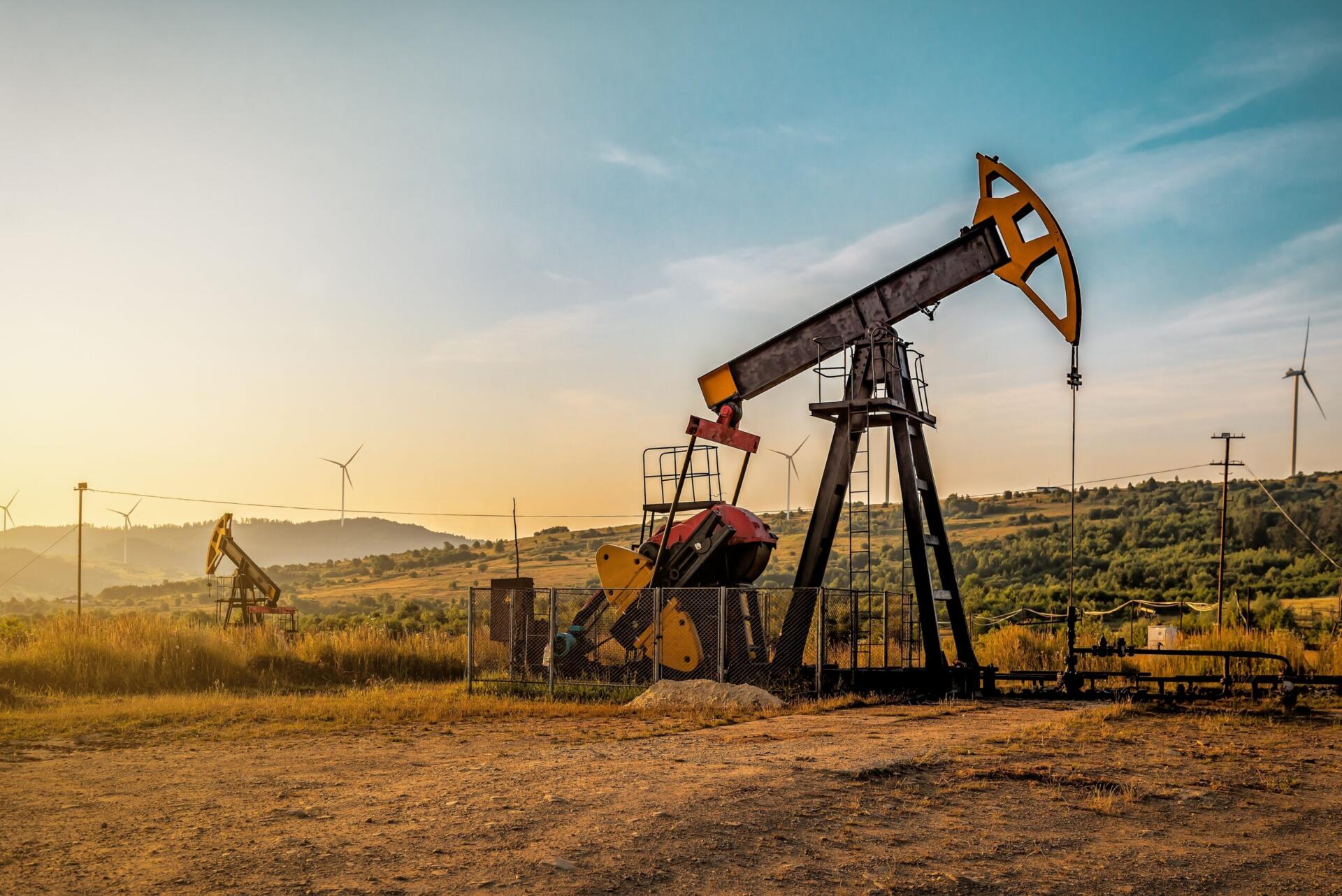
The geopolitical energy picture improved somewhat, with crude flows through the Strait of Hormuz reportedly recovering to above 90% of pre-war levels. Yet diesel flows remain around half their previous level, keeping refined-product prices elevated and politically sensitive. Washington is now pushing G7 economies toward a potentially massive coordinated release of crude and diesel inventories. Oil supply may be normalising, but the real pressure point is shifting downstream—from crude availability to refined fuels.

AI’s Next Constraint May Be Money
The technology story is also entering a new phase. Governments are increasing pressure on major tech companies to police themselves, while volatile rates are complicating IPO plans across the sector. OpenAI reportedly pushed its IPO timeline into next year, while Anthropic continues moving ahead with its planned offering. The bigger question is becoming increasingly financial: the AI race requires extraordinary amounts of capital, and higher long-term borrowing costs could determine who can afford to keep competing.

السندات تعيد تسعير ما هو أبعد من الفائدة
استمرت التقلبات في أسواق السندات العالمية، مع بقاء عوائد الديون السيادية عند مستويات مرتفعة تاريخياً في عدد من الاقتصادات المتقدمة. لكن القصة أصبحت أكبر من مجرد توقعات قرار الفيدرالي القادم؛ الحكومات تقترض أكثر، وشركات التكنولوجيا تحتاج إلى تمويل ضخم، بينما يتراجع دور بعض المشترين التقليديين للسندات طويلة الأجل. النتيجة هي إعادة تسعير أوسع للمخاطر: تمويل عالم أكثر مديونية أصبح ببساطة أكثر تكلفة.
فرنسا تتحول إلى اختبار لأوروبا
ارتفاع تكلفة التمويل بدأ يكشف نقاط الضعف خارج الولايات المتحدة أيضاً. اتساع الفارق بين عوائد السندات الفرنسية والألمانية وضع فرنسا تحت ضغط متزايد، خصوصاً مع تزامن المخاوف المالية مع حالة من عدم اليقين السياسي. الرسالة للأسواق واضحة: عندما تصبح السيولة العالمية أكثر تكلفة، يبدأ المستثمرون في التمييز بقوة بين الدول. وقد تكون فرنسا الاختبار الأبرز لمدى قدرة مخاطر الديون على الانتقال إلى قلب أوروبا.
وول ستريت تراهن على الهبوط المثالي
في الوقت الذي عانت فيه السندات، حافظت الأسهم—وخاصة التكنولوجيا—على قوة لافتة. بيانات الوظائف الأضعف، وتراجع ضغوط التضخم، وضعف النشاط الصناعي دفعت المستثمرين إلى توقع فيدرالي أقل تشدداً، وساعدت ناسداك على تسجيل قمم جديدة. السوق يحتفل حالياً بـ“الأخبار السيئة الجيدة”: اقتصاد يبرد بما يكفي لتخفيف ضغط الفائدة، ولكن ليس بما يكفي لإحداث ركود. المشكلة أن الأسواق تسعّر سيناريو شبه مثالي… وبالتالي مساحة الخطأ أصبحت محدودة.
النفط يعود… لكن أزمة الطاقة لم تنتهِ
الصورة تحسنت جزئياً مع عودة تدفقات الخام عبر مضيق هرمز إلى أكثر من 90% من مستويات ما قبل الحرب وفقاً للتقرير. لكن تدفقات الديزل لا تزال عند نحو نصف مستوياتها السابقة، وهو ما يبقي أسعار المنتجات المكررة مرتفعة ويزيد الضغوط السياسية. لذلك تدفع واشنطن دول G7 نحو إفراج منسق وضخم عن المخزونات. المشكلة لم تعد فقط في توافر الخام؛ بل تنتقل تدريجياً إلى الوقود المكرر، وخاصة الديزل.
هل تصبح تكلفة المال عائق الـAI القادم؟
سباق الذكاء الاصطناعي يدخل مرحلة مختلفة. بالتوازي مع الضغوط التنظيمية المتزايدة على شركات التكنولوجيا، بدأت تقلبات أسعار الفائدة تؤثر على خطط الطروحات العامة والتمويل. ووفقاً للتقرير، أجّلت OpenAI خطط طرحها إلى العام المقبل، بينما تواصل Anthropic التحرك نحو طرح محتمل. لكن القصة الأكبر تتجاوز الـIPO: سباق الـAI يحتاج إلى استثمارات وتمويلات هائلة، ومع ارتفاع تكلفة رأس المال قد يصبح الفائز هو ليس فقط من يملك أفضل تكنولوجيا… بل من يستطيع تمويلها لفترة أطول. «تمويل عالم أكثر مديونية أصبح ببساطة أكثر تكلفة.»
Stay up to date
More Newsletter to Check
SUBSCRIBE TO NEWSLETTER
Subscribe to download our daily economics and business roundup


×
![]()