GE: US-Iran Deal Holds, But Peace Remains Fragile


US-Iran Deal Holds, But Peace Remains Fragile
The U.S.-Iran ceasefire survived its first real test this week, keeping the Strait of Hormuz open and allowing Gulf oil exports to resume. While the formal signing ceremony in Switzerland was postponed, both sides largely continued implementing the interim agreement, helping restore confidence across energy markets. Yet the biggest challenges are only beginning. Iran and the U.S. remain divided over whether ships should eventually pay transit fees through Hormuz once the 60-day negotiating period ends. At the same time, renewed Israeli strikes in southern Lebanon highlighted that the Israel-Hezbollah conflict remains outside the current agreement and could quickly reignite regional tensions. Although tanker traffic has recovered sharply, analysts believe it may still take several months before shipping, insurance costs, and trade flows fully normalize.
Oil Retreats as Markets Price a Best-Case Scenario
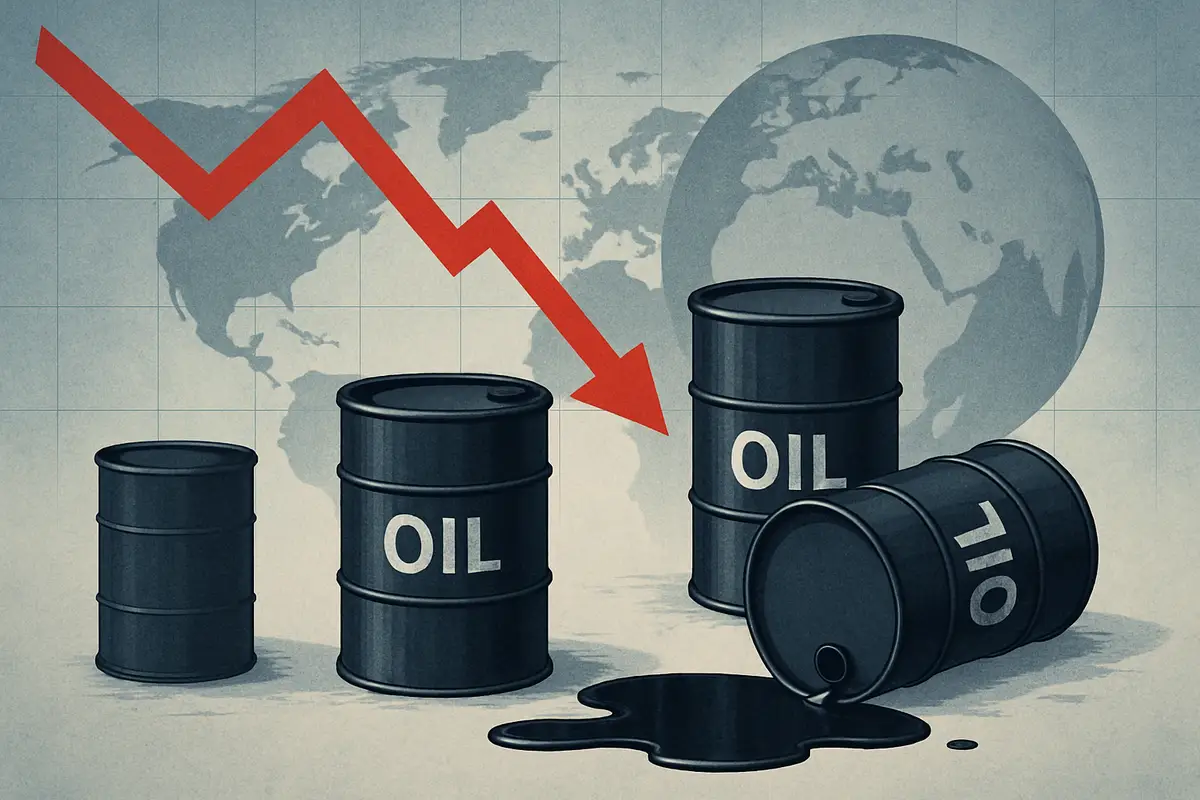
As fears of supply disruptions faded, oil prices continued to retreat toward pre-war levels. Brent crude slipped below USD 75 per barrel for the first time in nearly four months as markets increasingly priced in a successful reopening of the Strait of Hormuz and a gradual recovery in Gulf exports. The debate has now shifted from geopolitical risk to market fundamentals. While OPEC argues global demand remains healthy, the International Energy Agency continues to warn that additional supply from OPEC+, alongside the possible return of Iranian exports, could push the market into surplus. How quickly Gulf exports normalize may become the single biggest driver of oil prices during the second half of 2026.
The Fed Isn't Done Yet
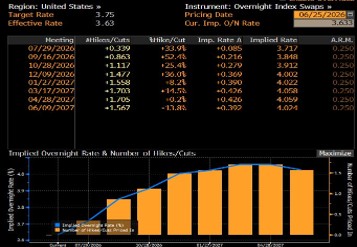
A fresh batch of U.S. economic data reinforced one message: inflation remains sticky, but the economy continues to outperform expectations. The Fed's preferred inflation measure accelerated again, first-quarter GDP was revised higher, unemployment claims remained low, and consumer confidence improved. Markets interpreted the data as a sign that the Federal Reserve still has room to keep monetary policy tight. Although Treasury yields eased during the week, investors continue to price another rate hike before the end of 2026. A stronger dollar and higher-for-longer interest rates continue to tighten global financial conditions, especially for emerging markets.
Emerging Markets Split Into Winners and Losers
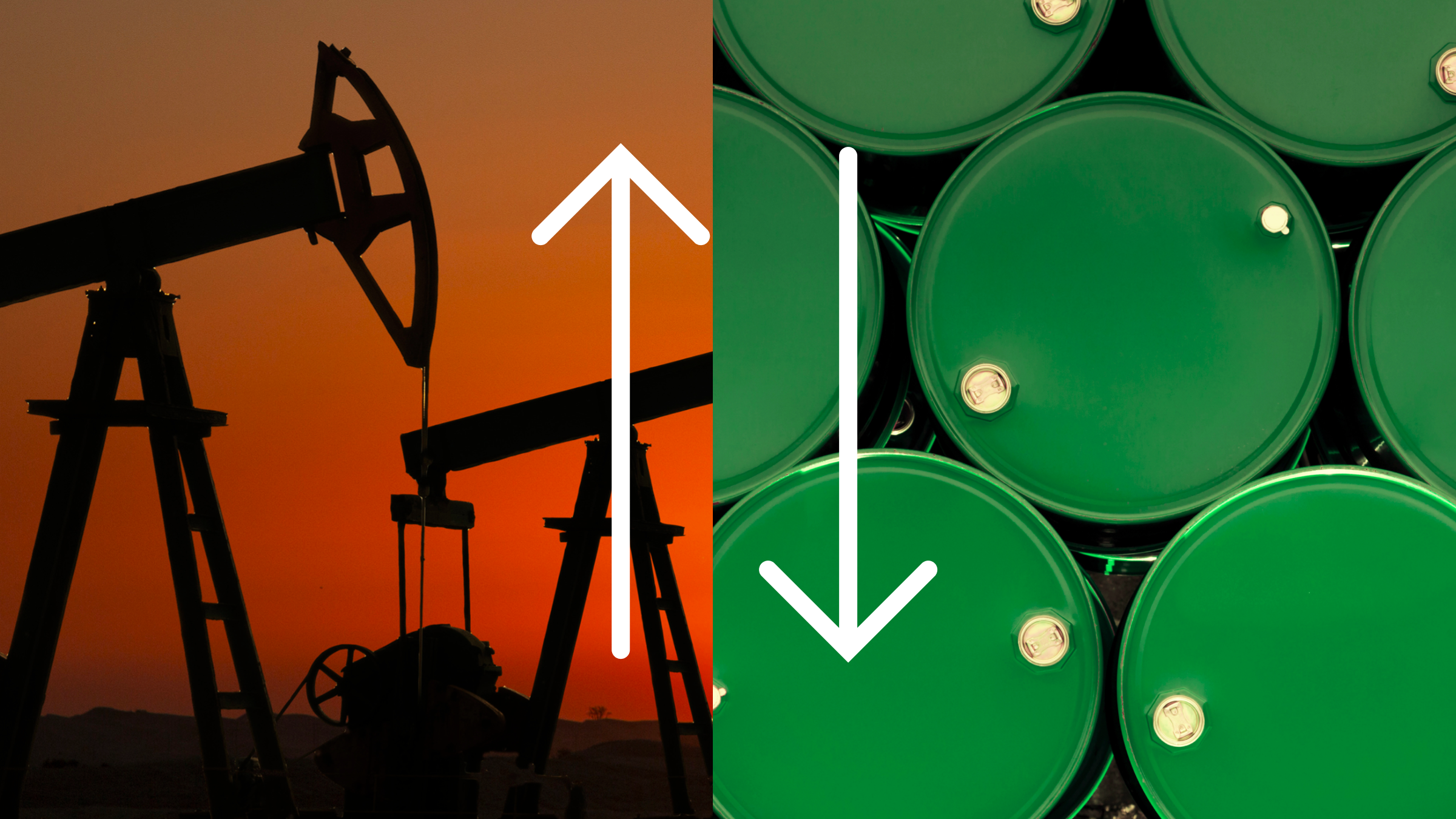
Lower oil prices created a clear divide across emerging markets this week. Oil-importing countries benefited from easing energy costs, while exporters and several frontier markets came under pressure as investors reassessed growth and fiscal outlooks. Investment-grade sovereign debt outperformed high-yield names, while corporate bonds proved more resilient than government debt. Asia emerged as the strongest-performing region, supported by its energy-importing profile, while Latin America, Africa, and parts of the Middle East lagged. The week's performance highlighted that investors are becoming increasingly selective rather than treating emerging markets as a single asset class.

All Eyes Turn to Jobs, Inflation and Central Banks
With geopolitical tensions easing for now, investor attention is shifting back to macroeconomic data. The June U.S. jobs report, ISM manufacturing survey, Eurozone inflation, and China's PMI figures will provide fresh clues about the direction of global growth and monetary policy. Markets will also closely monitor the ECB's annual Sintra Forum, where policymakers are expected to provide guidance on inflation and interest rates. Meanwhile, negotiations between Washington and Tehran continue in the background, meaning geopolitics has moved off the front page—but remains capable of returning at any moment.

اتفاق أمريكا وإيران يصمد... لكن السلام لا يزال هشاً
نجح الاتفاق المؤقت بين الولايات المتحدة وإيران في الصمود خلال أسبوعه الأول، ما سمح باستمرار فتح مضيق هرمز وارتفاع حركة ناقلات النفط في الخليج. ورغم تأجيل مراسم التوقيع الرسمية التي كانت مقررة في سويسرا، استمرت بنود الاتفاق في التطبيق بشكل عام، إلا أن العديد من القضايا الجوهرية لا تزال دون حسم. وبرزت خلال الأسبوع نقاط خلاف جديدة، أبرزها الجدل حول فرض رسوم على عبور مضيق هرمز بعد انتهاء فترة التفاوض البالغة 60 يوماً، إذ تصر الولايات المتحدة وسلطنة عُمان على إبقاء المضيق مفتوحاً دون رسوم، بينما لم تستبعد إيران فرض رسوم مستقبلاً. وفي الوقت نفسه، أعادت الضربات الإسرائيلية في جنوب لبنان التذكير بأن مسار الصراع بين إسرائيل وحزب الله لا يزال خارج إطار الاتفاق، فيما يرى محللون أن استعادة حركة الملاحة إلى مستويات ما قبل الحرب قد تستغرق عدة أشهر.
النفط يتراجع مع انحسار مخاوف الإمدادات
واصلت أسعار النفط تراجعها مع انحسار المخاوف من اضطرابات الإمدادات، حيث انخفض خام برنت إلى أقل من 75 دولاراً للبرميل مقترباً من مستوياته قبل اندلاع الحرب، مع عودة الملاحة تدريجياً عبر مضيق هرمز. وبعدما كانت التطورات الجيوسياسية هي المحرك الرئيسي للأسعار، عاد التركيز إلى أساسيات السوق. ففي حين تؤكد أوبك استمرار قوة الطلب العالمي، تحذر وكالة الطاقة الدولية من أن زيادة المعروض، سواء من أوبك+ أو من الصادرات الإيرانية المحتملة، قد تدفع السوق إلى فائض خلال الأشهر المقبلة، ما يجعل سرعة تعافي صادرات الخليج العامل الأهم لاتجاه الأسعار.
الاقتصاد الأمريكي يمنح الفيدرالي مساحة للمناورة
أكدت البيانات الاقتصادية الأمريكية هذا الأسبوع أن التضخم لا يزال مرتفعاً، في الوقت الذي يواصل فيه الاقتصاد إظهار أداء أفضل من المتوقع. فقد ارتفع مؤشر التضخم المفضل لدى الاحتياطي الفيدرالي، وتمت مراجعة نمو الاقتصاد بالرفع، بينما ظل سوق العمل قوياً وتحسنت ثقة المستهلكين. وتعزز هذه المؤشرات الرهان على استمرار السياسة النقدية المتشددة لفترة أطول. ورغم انخفاض عوائد السندات نسبياً، لا تزال الأسواق تتوقع رفعاً إضافياً للفائدة قبل نهاية 2026، وهو ما يدعم قوة الدولار ويزيد الضغوط على الأسواق الناشئة.
الأسواق الناشئة... الرابحون والخاسرون يتبدلون
أعاد تراجع أسعار النفط رسم خريطة الأداء في الأسواق الناشئة، حيث استفادت الدول المستوردة للطاقة من انخفاض تكاليف الاستيراد، بينما تعرضت الدول المصدرة وبعض الأسواق الحدودية لضغوط أكبر. وفي أسواق السندات، تفوقت الإصدارات ذات التصنيف الائتماني المرتفع، كما أظهرت سندات الشركات أداءً أفضل من السندات السيادية. وكانت آسيا الأفضل أداءً بفضل اعتمادها على استيراد الطاقة، في حين تراجعت أسواق في أفريقيا وأمريكا اللاتينية والشرق الأوسط، ما يعكس تزايد انتقائية المستثمرين في تقييم المخاطر.
الأسواق تعود إلى الاقتصاد... لكن السياسة لم تغادر المشهد
مع تراجع حدة التوترات الجيوسياسية، تحولت أنظار المستثمرين إلى البيانات الاقتصادية المنتظرة، وفي مقدمتها تقرير الوظائف الأمريكي، ومؤشرات مديري المشتريات، وبيانات التضخم الأوروبية والصينية، والتي ستحدد توقعات النمو وأسعار الفائدة خلال الفترة المقبلة. كما يترقب المستثمرون منتدى البنك المركزي الأوروبي في سينترا، بحثاً عن إشارات جديدة بشأن مسار السياسة النقدية. وفي الوقت نفسه، تستمر المفاوضات الأمريكية الإيرانية بعيداً عن الأضواء، ما يعني أن الهدوء الحالي قد يبقى هشاً وقابلاً للتغير في أي وقت. "التقلبات تهيمن على العناوين، لكن الانضباط هو ما يصنع النتائج."
Stay up to date
More Newsletter to Check


SUBSCRIBE TO NEWSLETTER
Subscribe to download our daily economics and business roundup


×
![]()